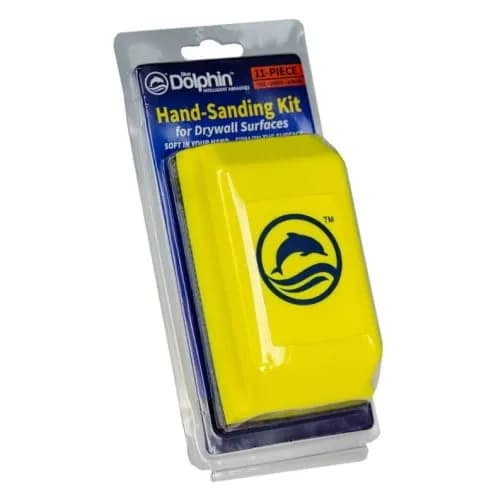
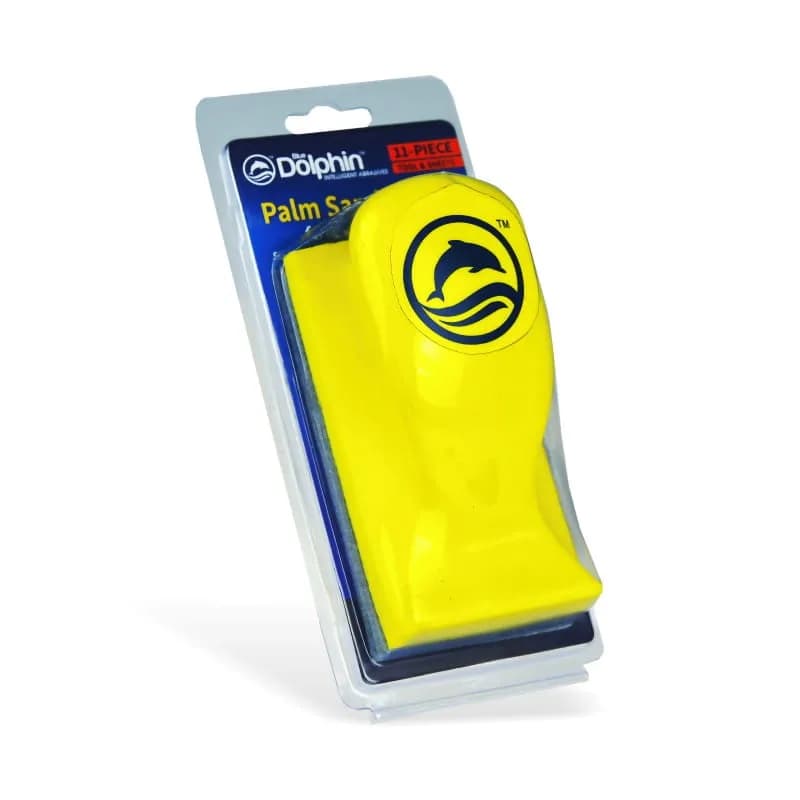
Abrasive materials for sanding plaster, wood and paint
Wrong grit ruins a finish faster than bad paint. Get this step right.
Coarse grit (40-80) strips old paint, levels rough plaster, works down raw timber. Medium (100-180) preps for primer or a final coat. Fine (220-400) goes on before varnish or the last layer of topcoat.
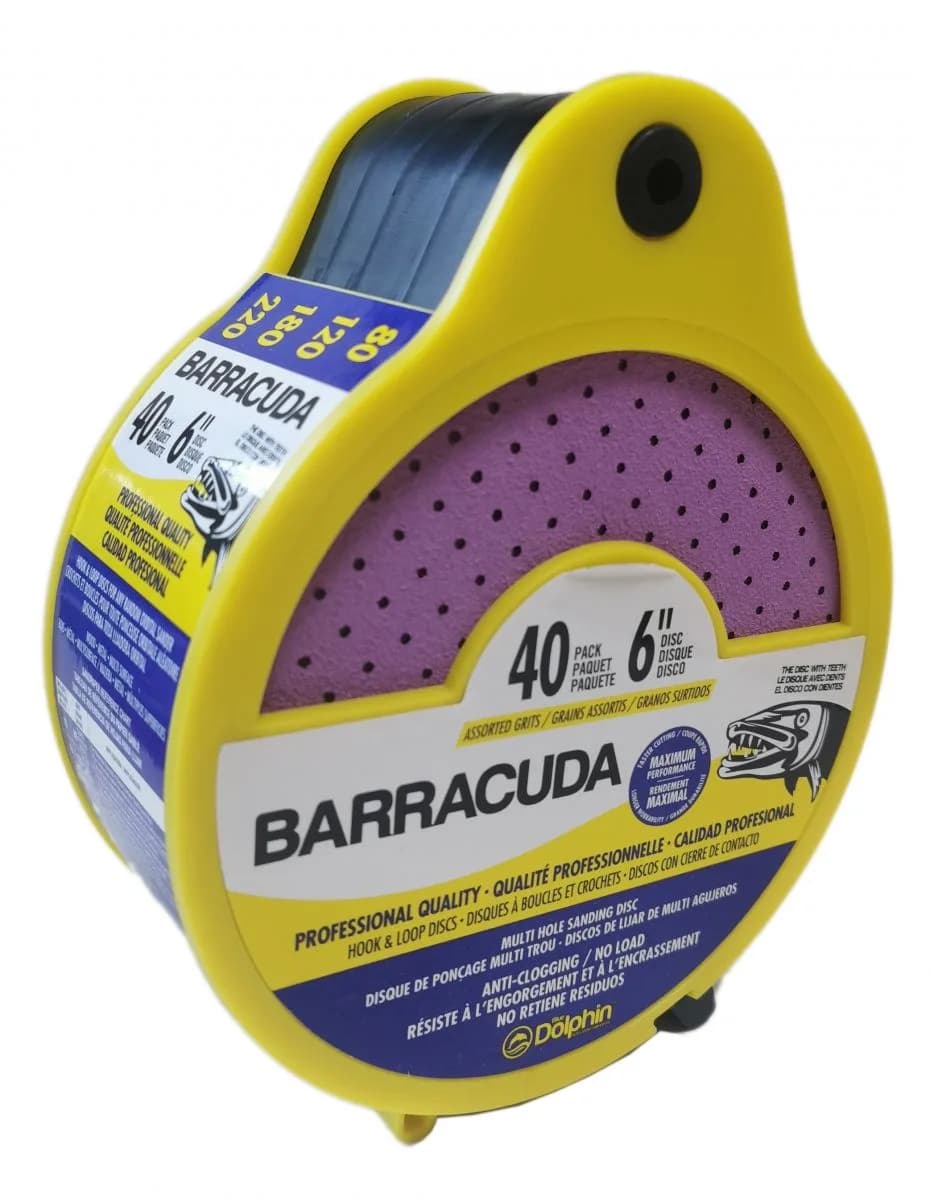
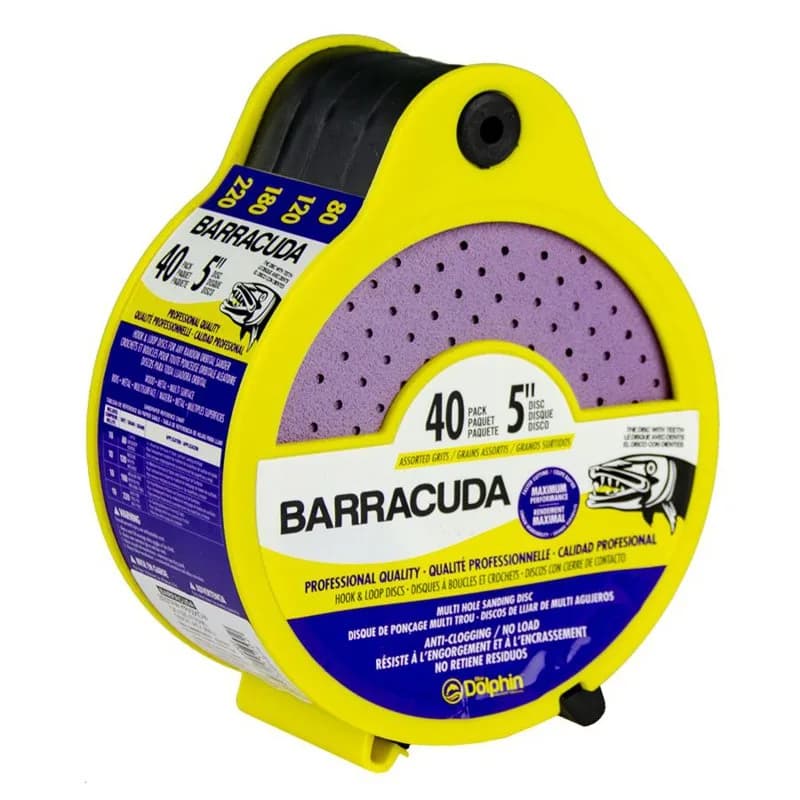
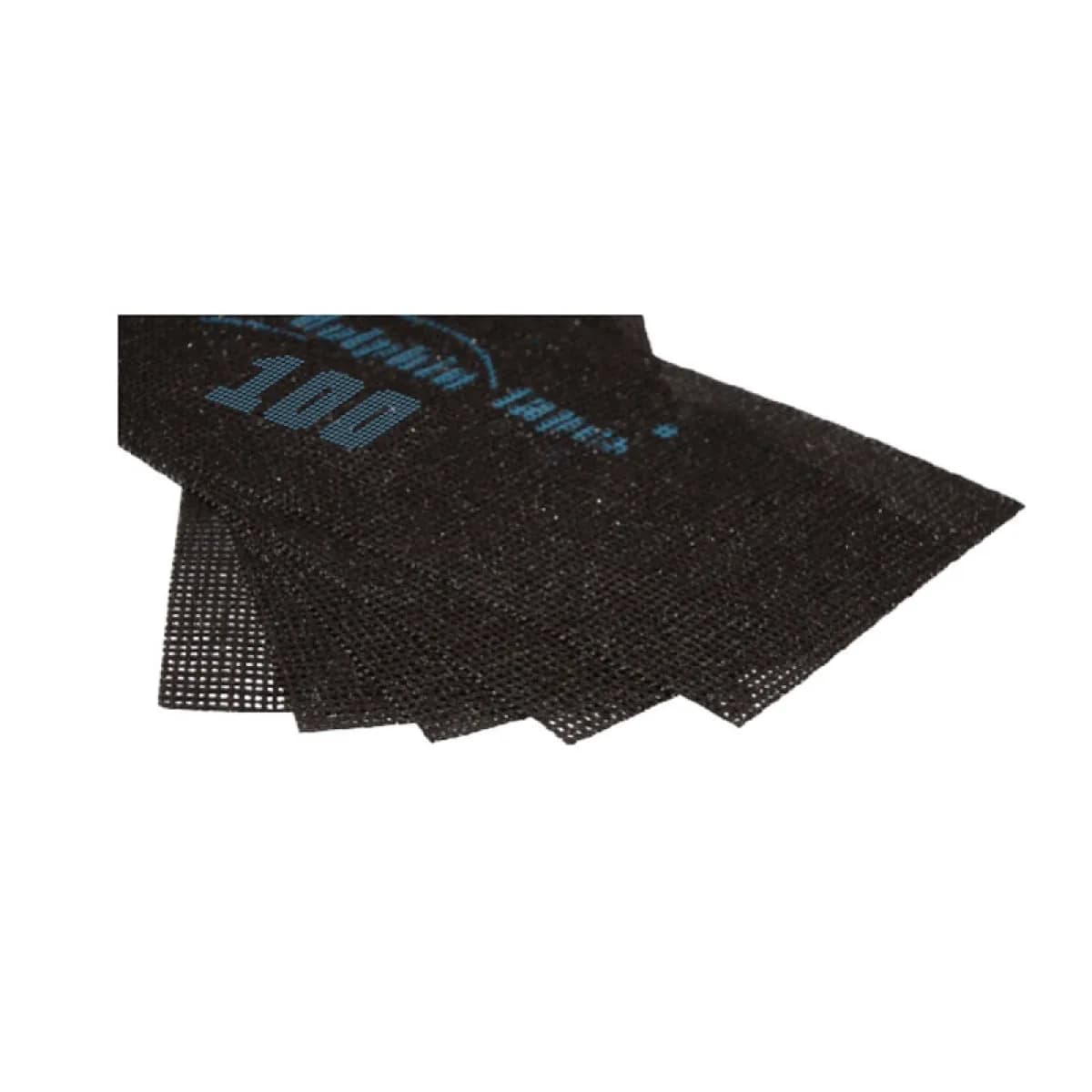
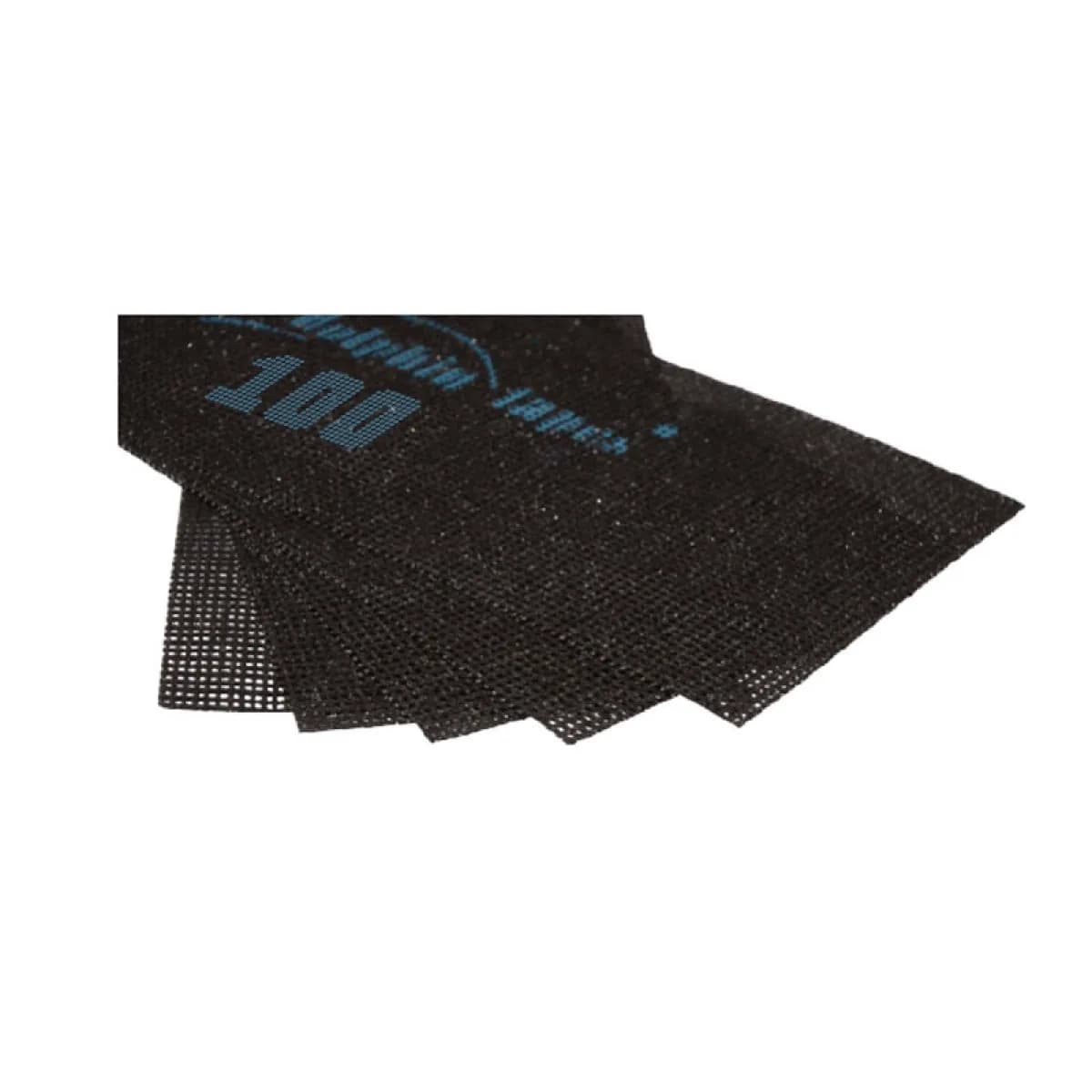
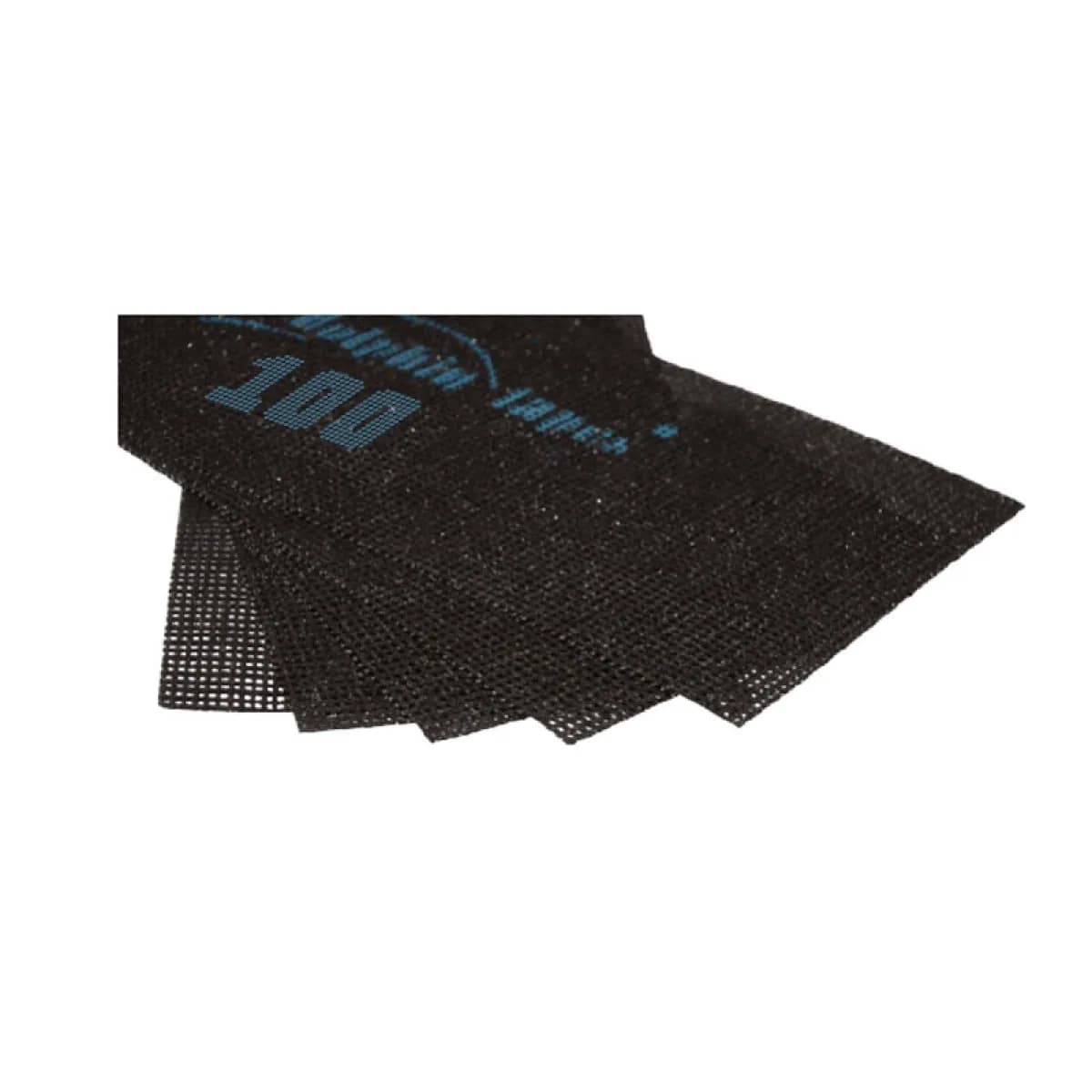
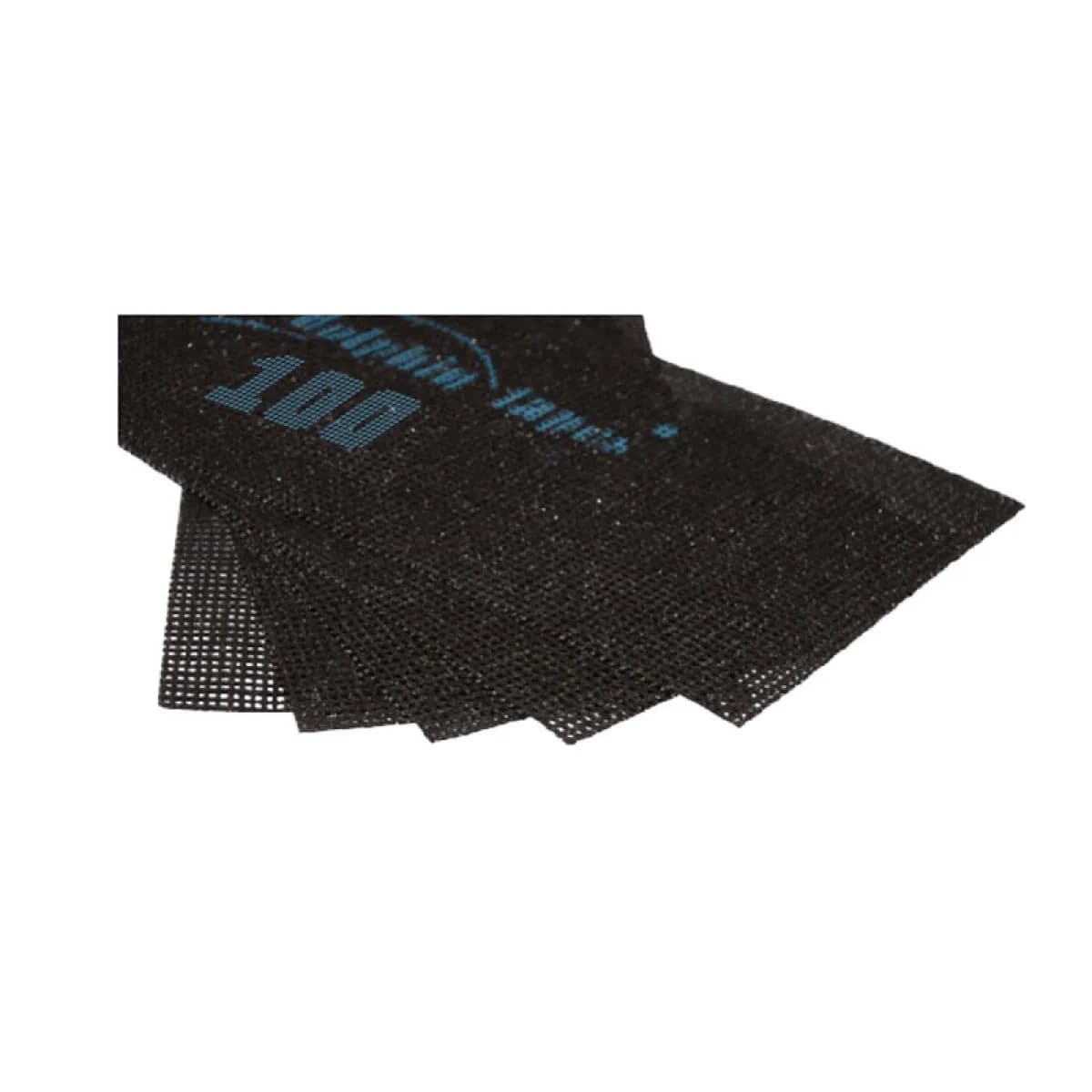
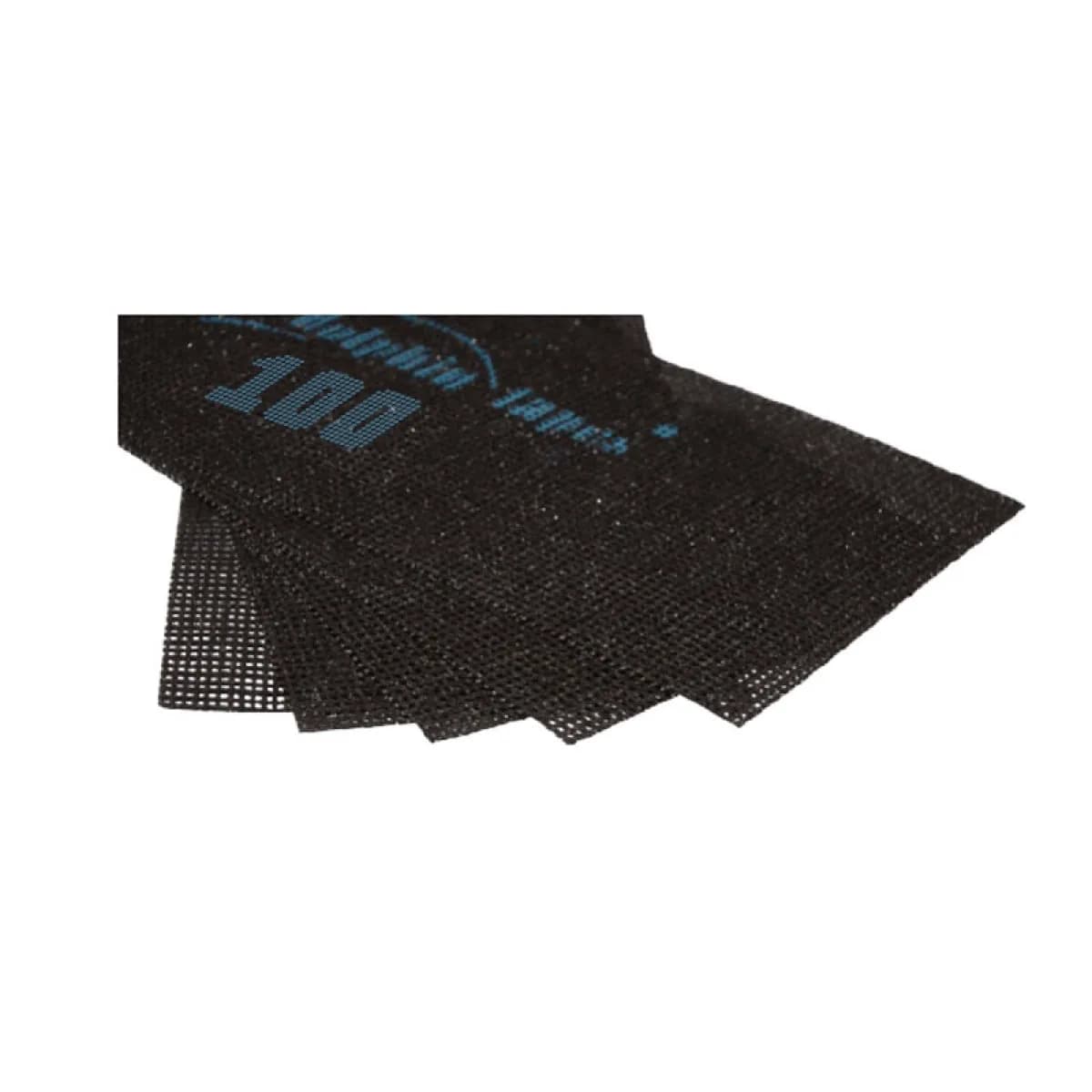
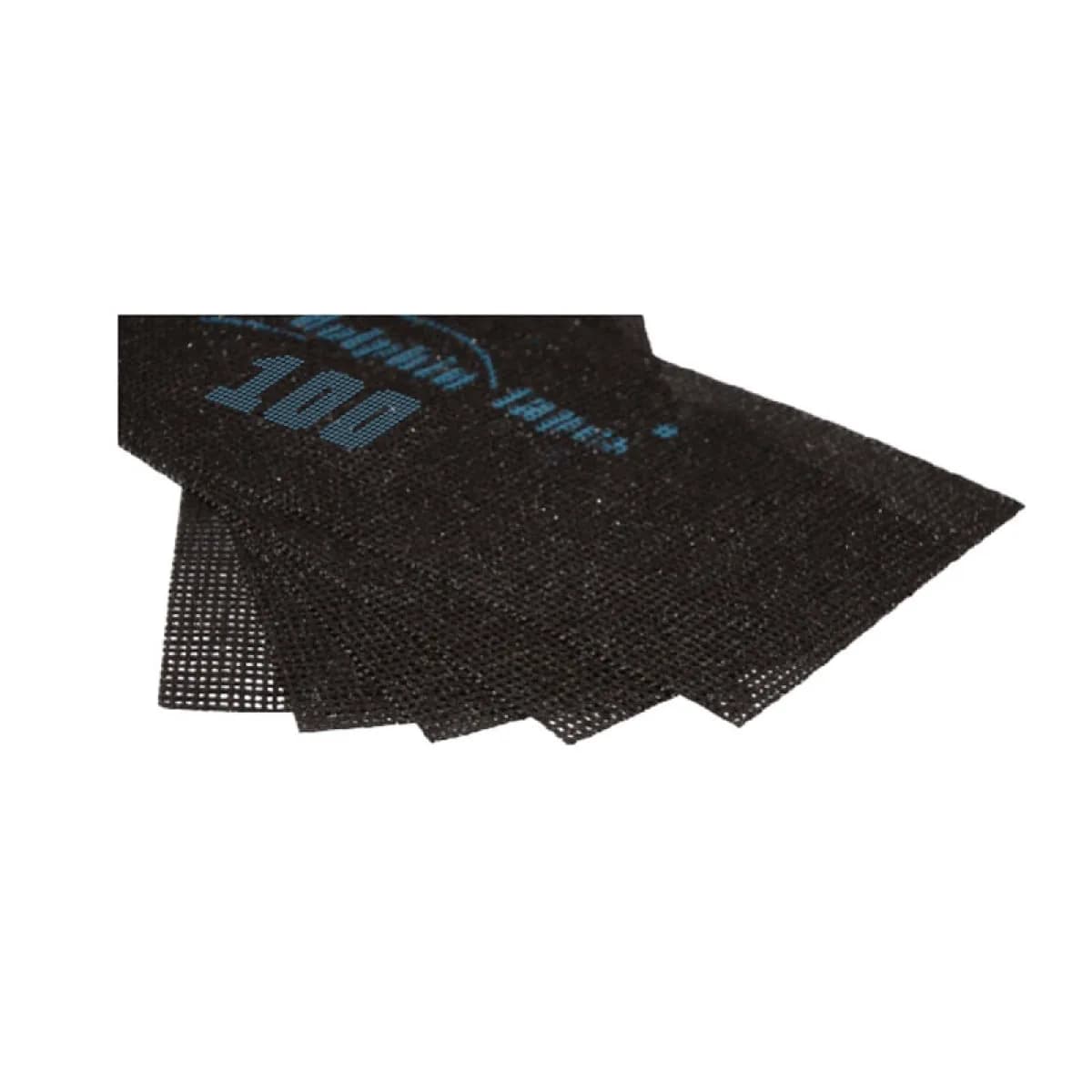
In stock: sandpaper sheets and rolls, 125 mm eccentric sander discs, abrasive sponges for corners and profiles, sanding mesh for dry machine sanding. Each type for a different situation.
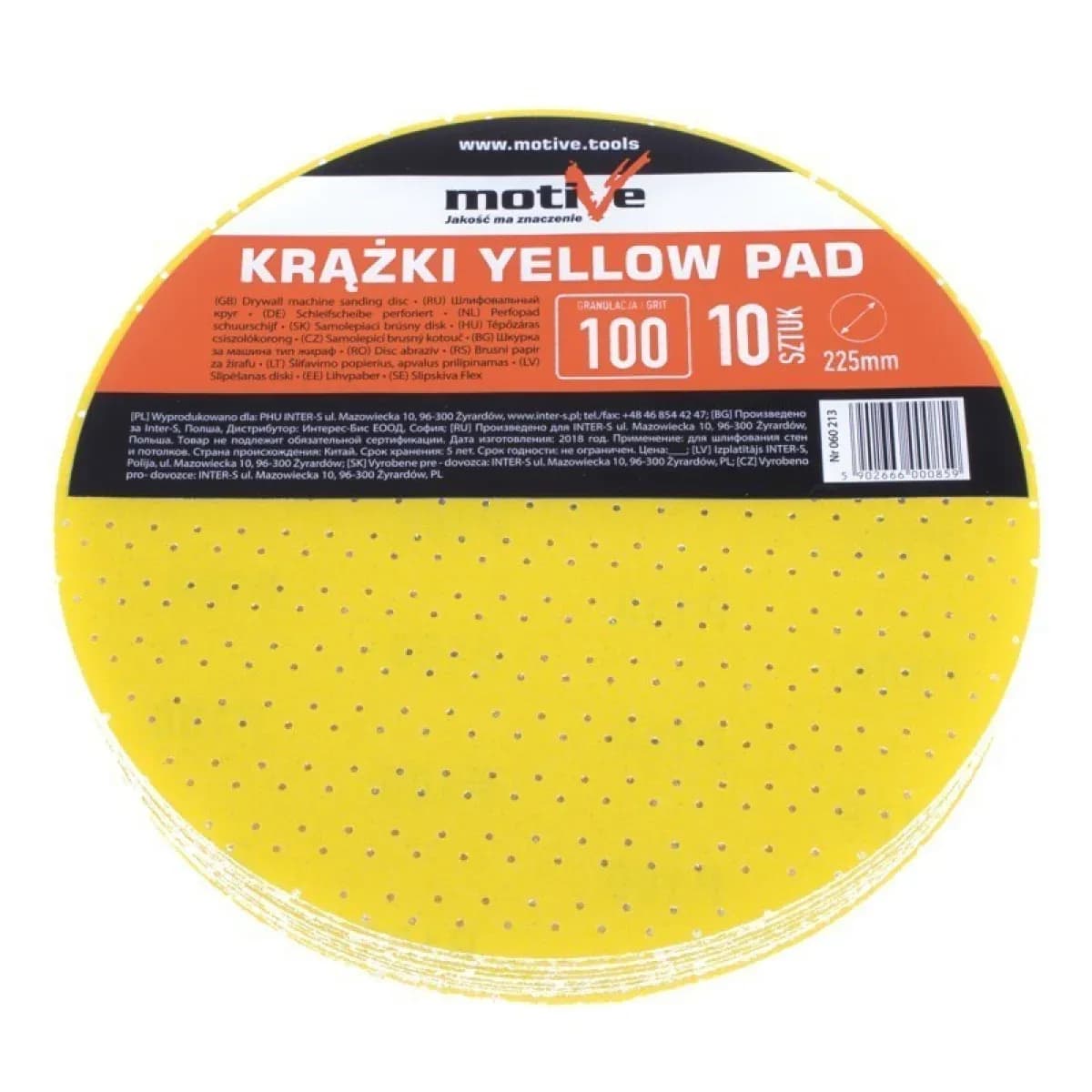
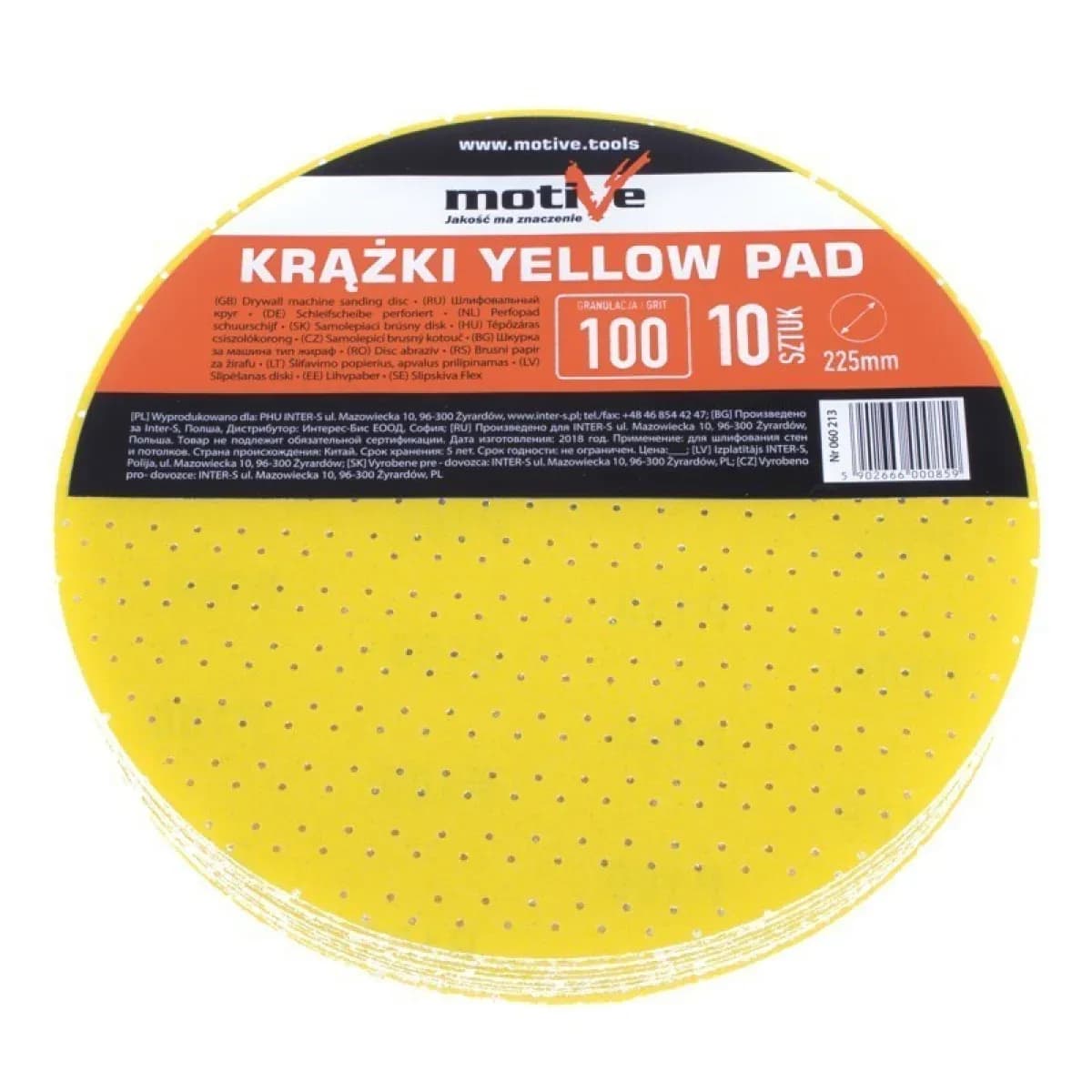
Sanding mesh doesn't clog with plaster dust - better than paper for machine sanding walls. For corner beads, architraves and tight spots, an abrasive sponge gives you the control paper can't.
One thing worth knowing: don't sand plaster while it's still damp. Wait for full cure, then start at 120-150 grit. Sanding wet filler clogs the abrasive immediately and leaves a rough surface underneath the paint.
Start with 120-150 after the plaster has fully dried. Follow with 180-220 before priming. Don't go below 100 on finishing plaster - you'll leave deep scratches visible under paint in raking light.
Sanding mesh stays unclogged longer when dry-sanding plaster with a machine - it's more economical for large areas. Plain sandpaper is cheaper for hand sanding or wet sanding small patches.
Not ideally. Plaster is soft - use 120-220. Raw timber starts at 60-80 and goes up to 240 for finish. Wood sanding discs are harder and last longer on timber surfaces.
On dry plaster under normal pressure, roughly 5-8 sq m per disc. On hard surfaces or old paint, expect less. Discs clog much faster if the plaster hasn't fully cured.
Grit 80-120 for removing cracked or peeling paint. After stripping, smooth with 150-180 before priming. Then apply fresh paint or varnish as needed.