Wall filler and skim coat - finishing and basecoat putty in Chisinau
Walls with cracks, bumps or rough plaster? Before painting you need skim coat. The question is which type and in what order.
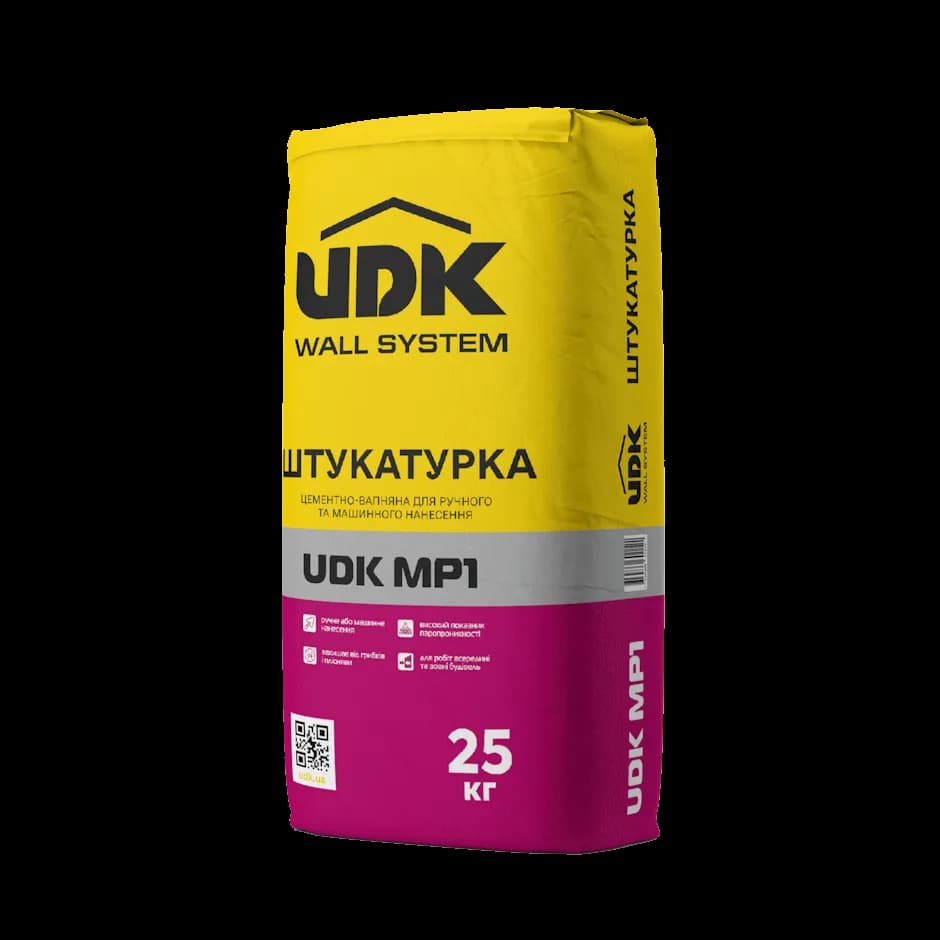
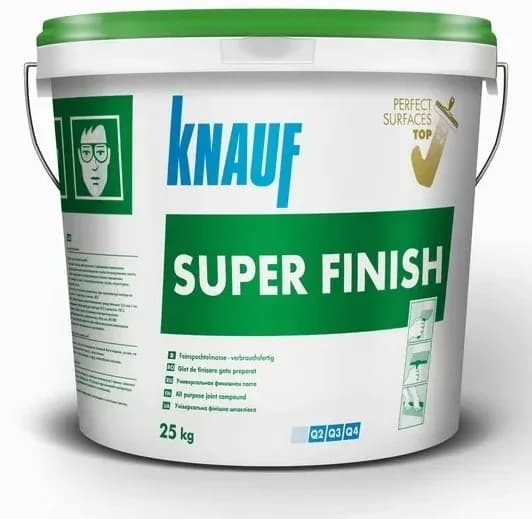
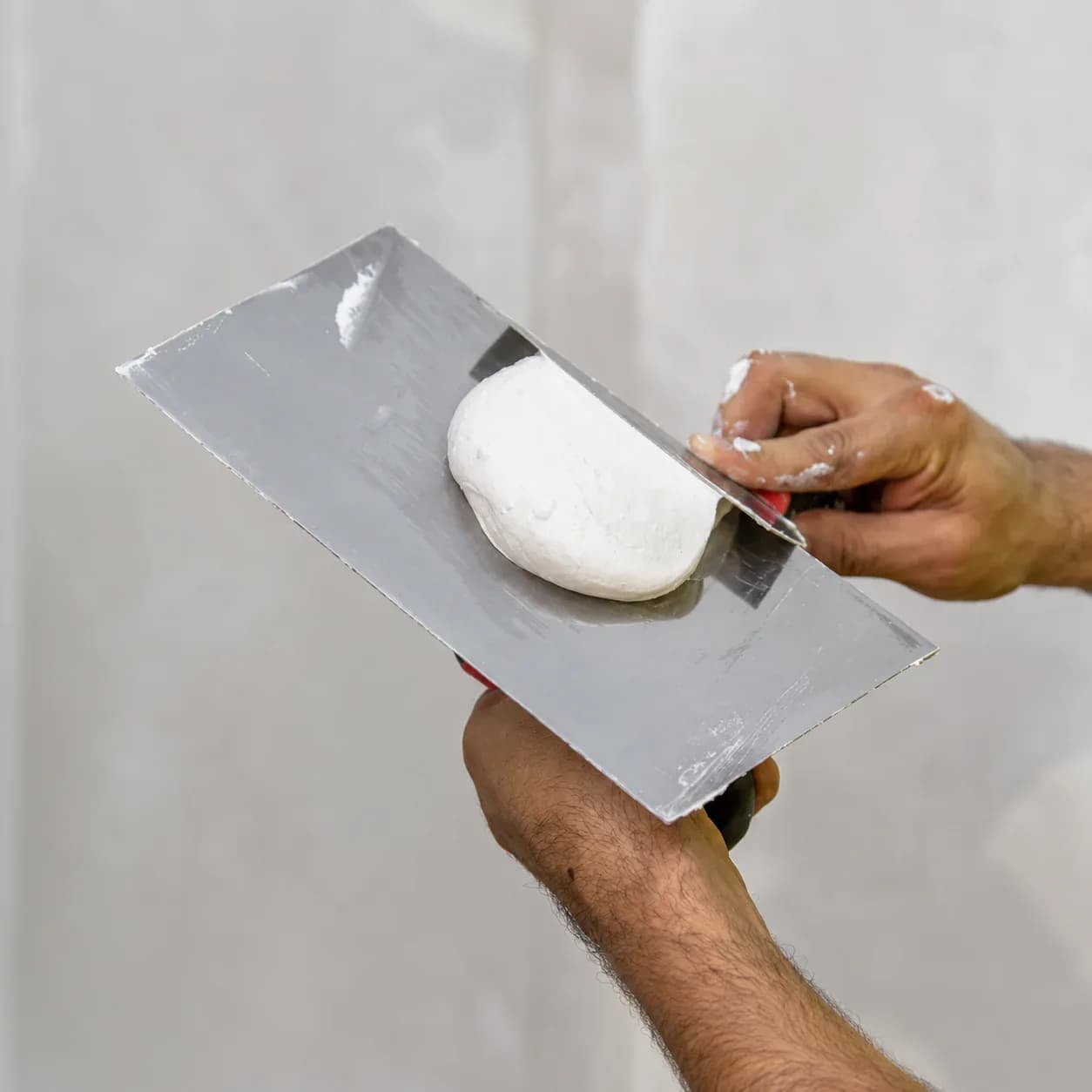
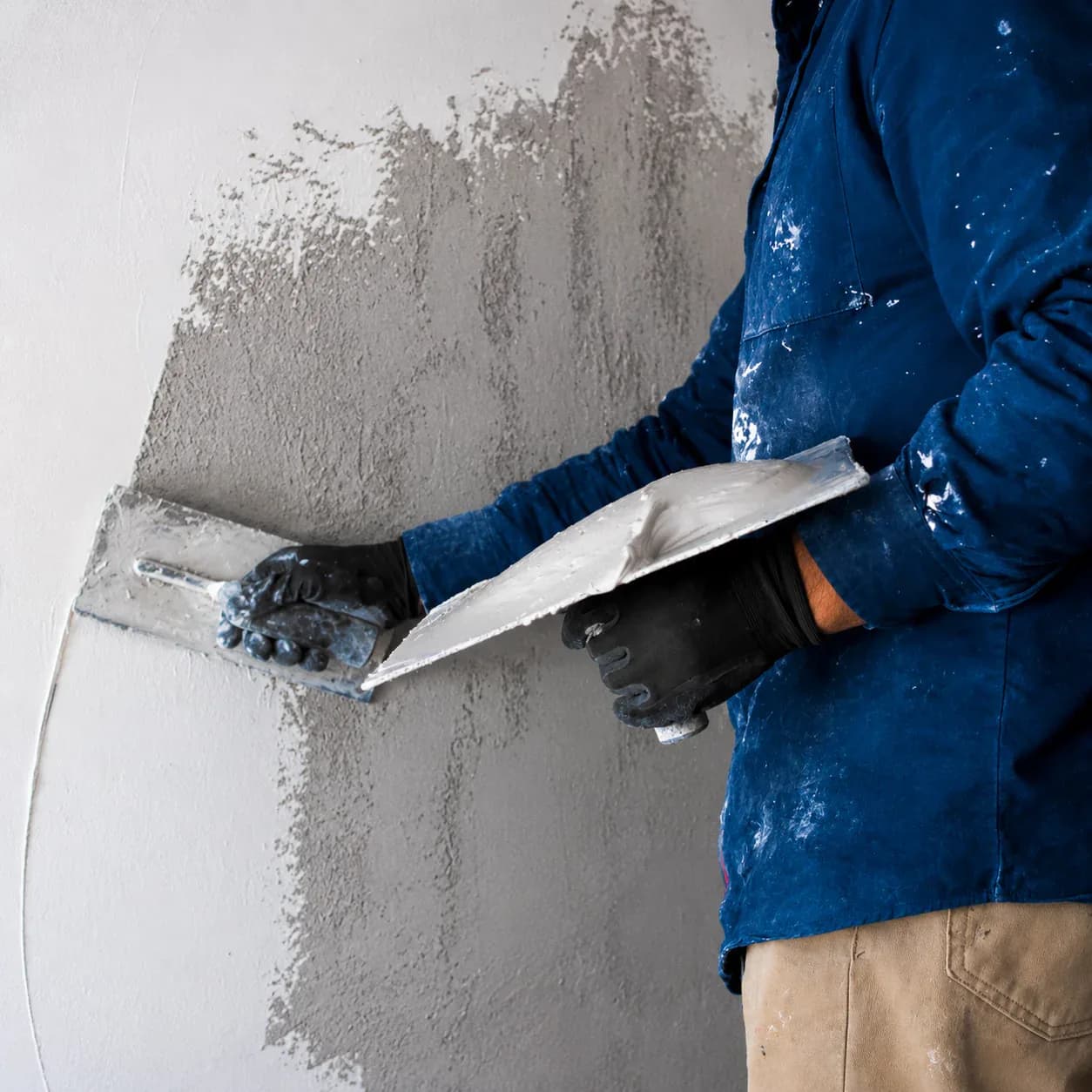
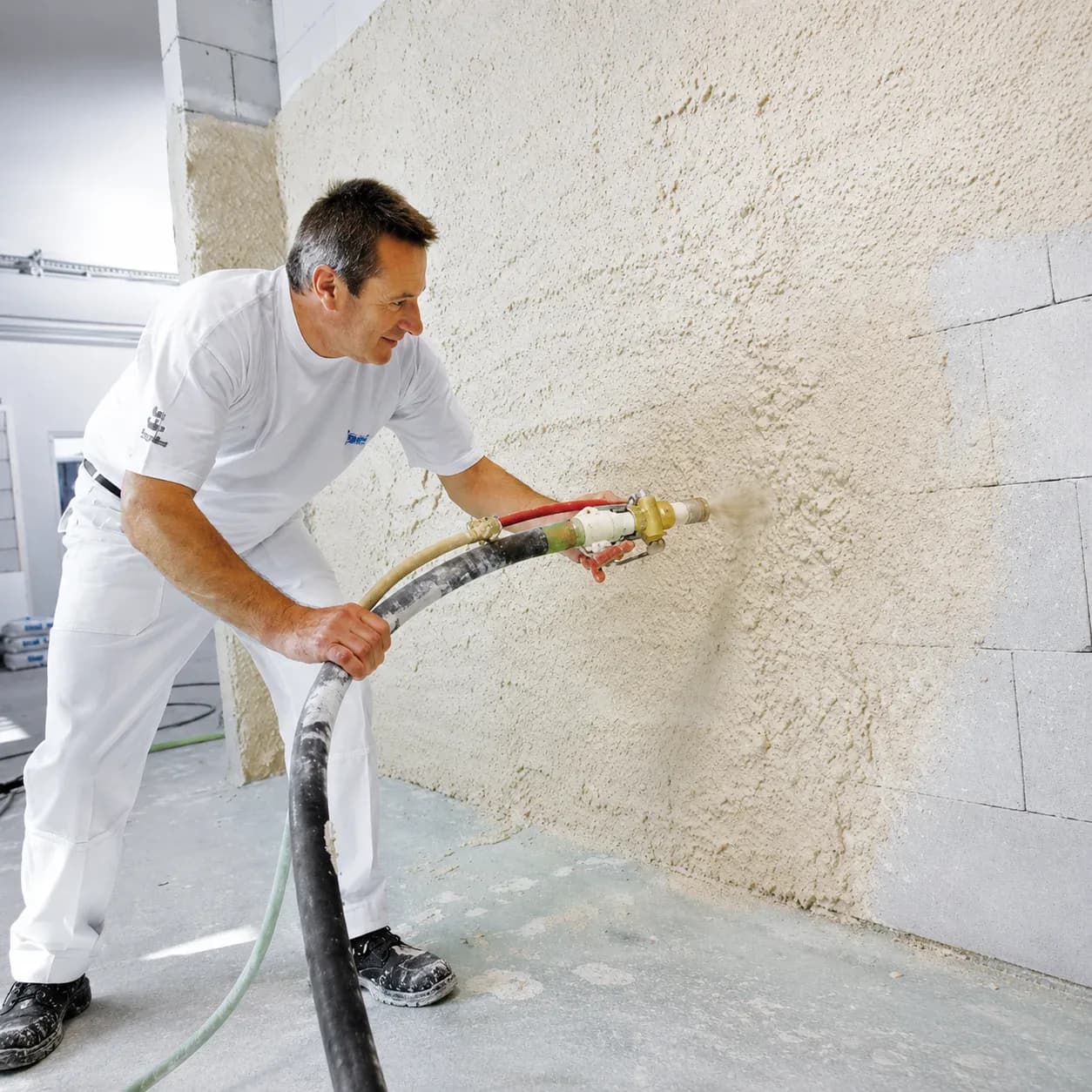
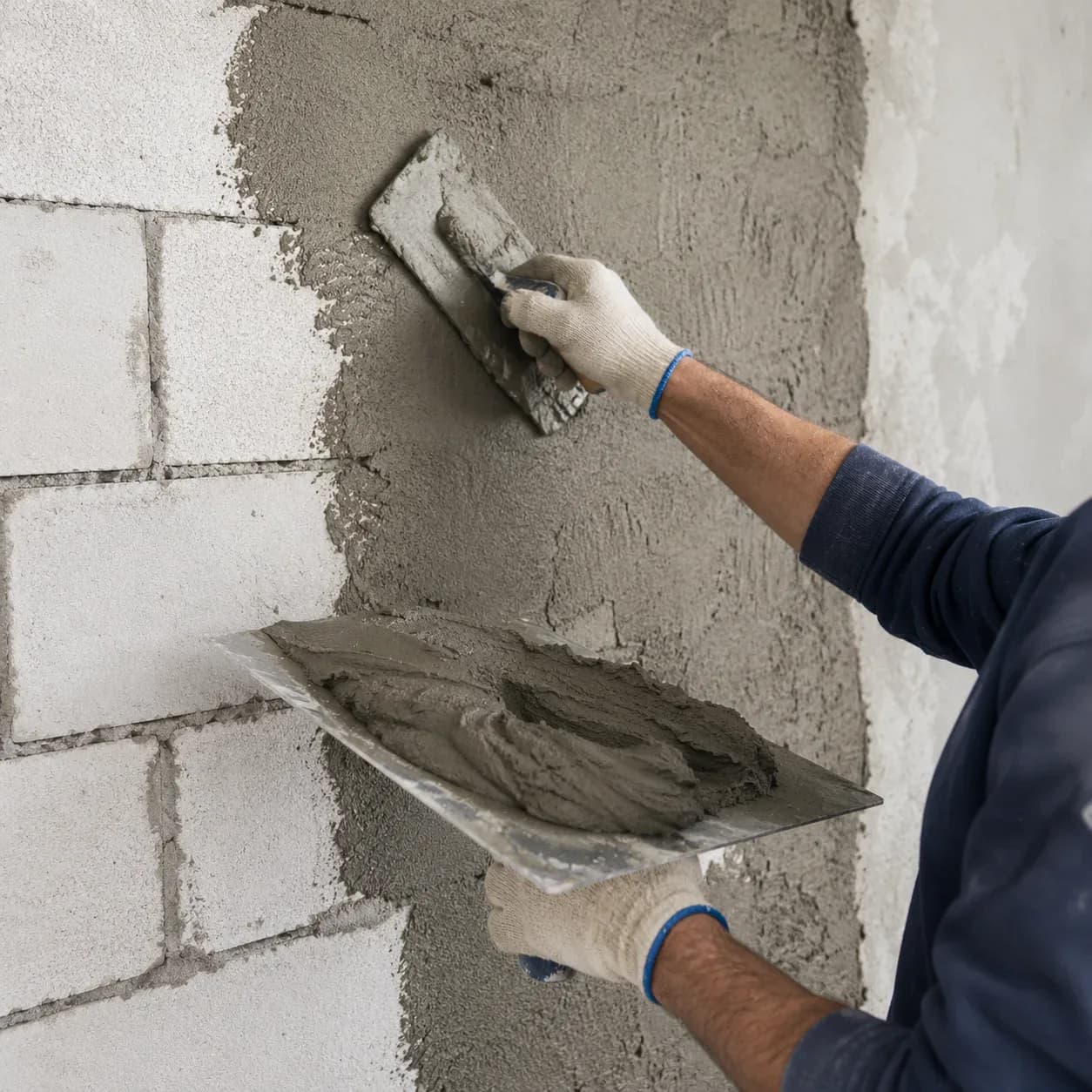
Wall fillers split into three types by function. Basecoat filler has coarser grit (up to 1mm) and goes on first over uneven surfaces in 2-5mm layers - it corrects significant irregularities. Finishing filler (skim coat) is fine-grained and delivers a paint-ready smooth surface in 1-2mm layers. Polymer filler is the premium option with higher flexibility - ideal where a mirror-smooth finish is needed.
By composition: gypsum-based fillers dry fast and sand easily - for dry interior rooms only. Cement-based fillers handle moisture better - right for bathrooms, kitchens and semi-wet areas.
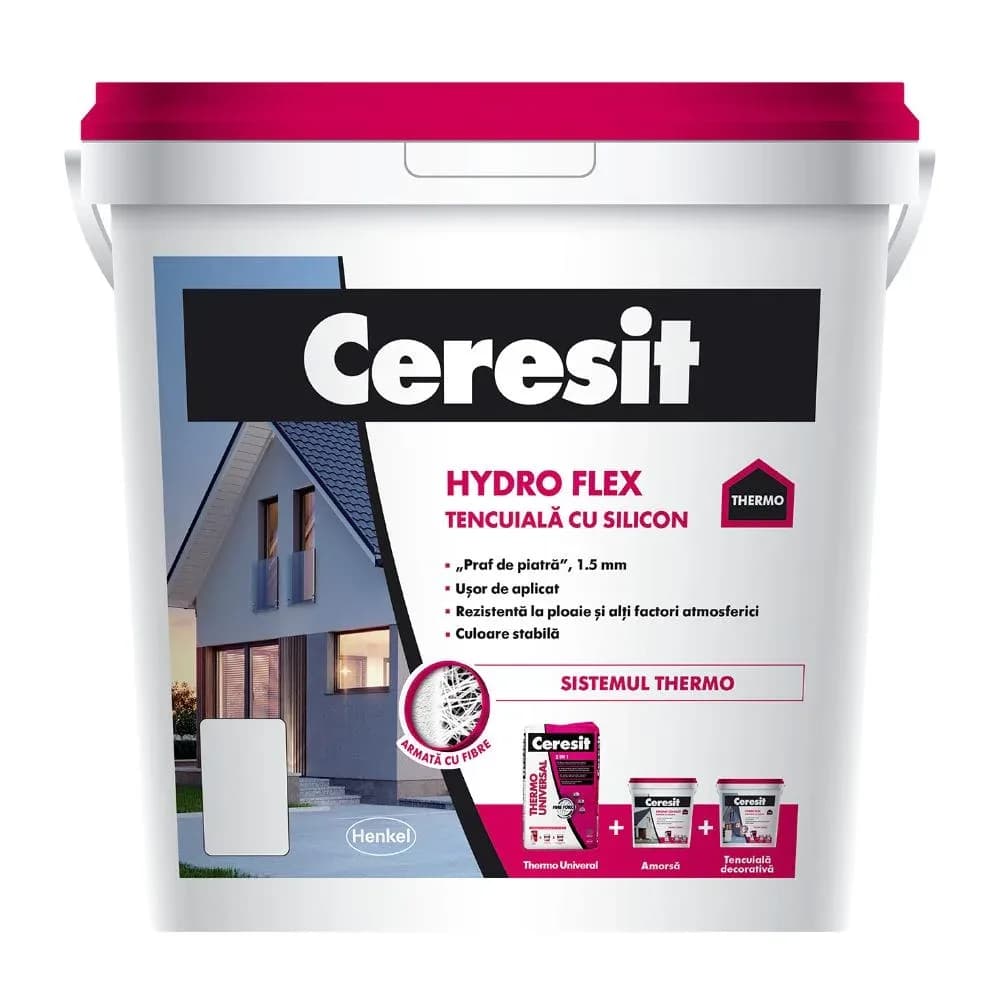
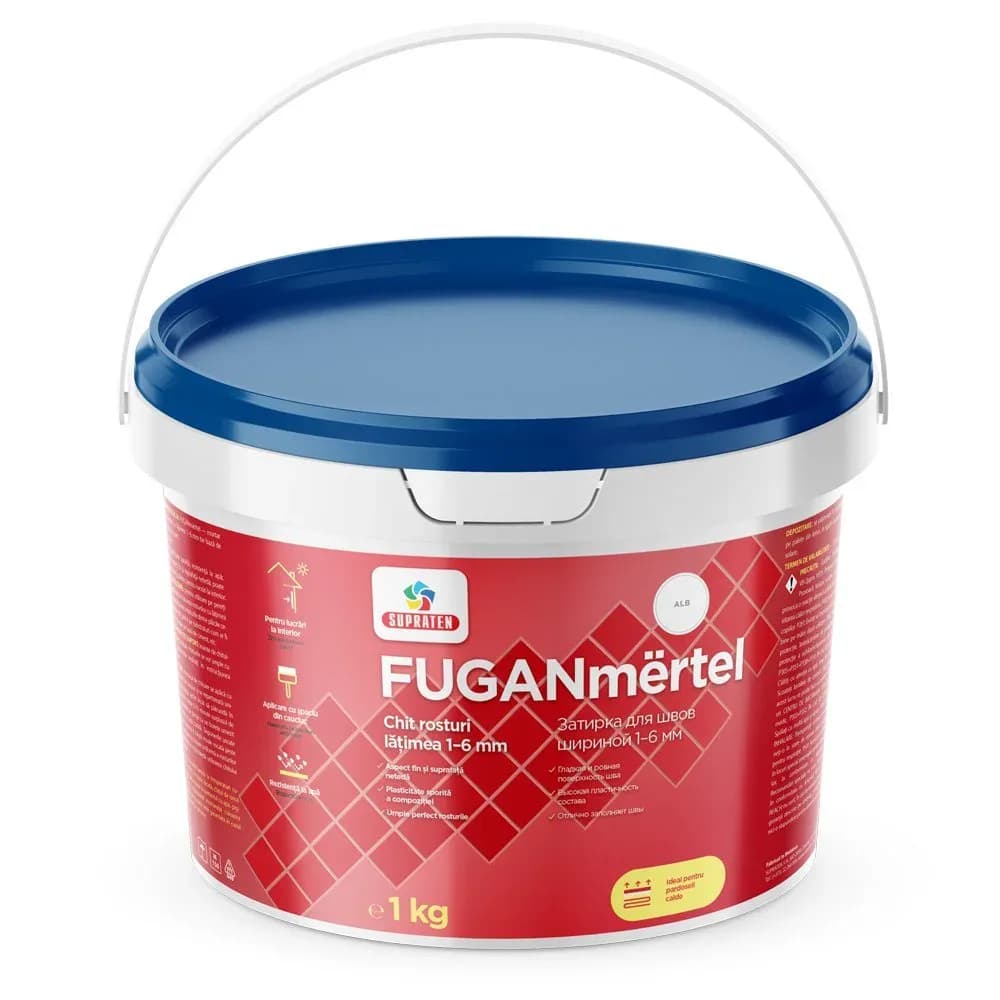
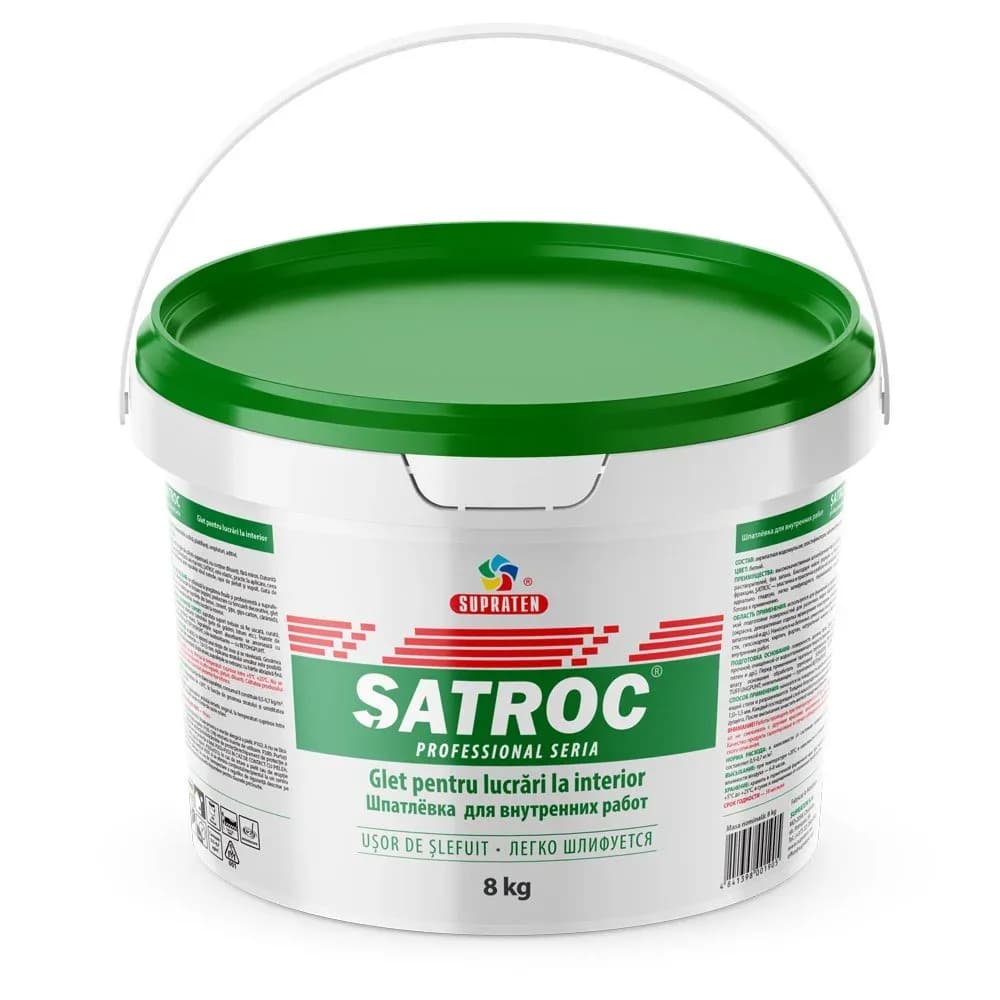
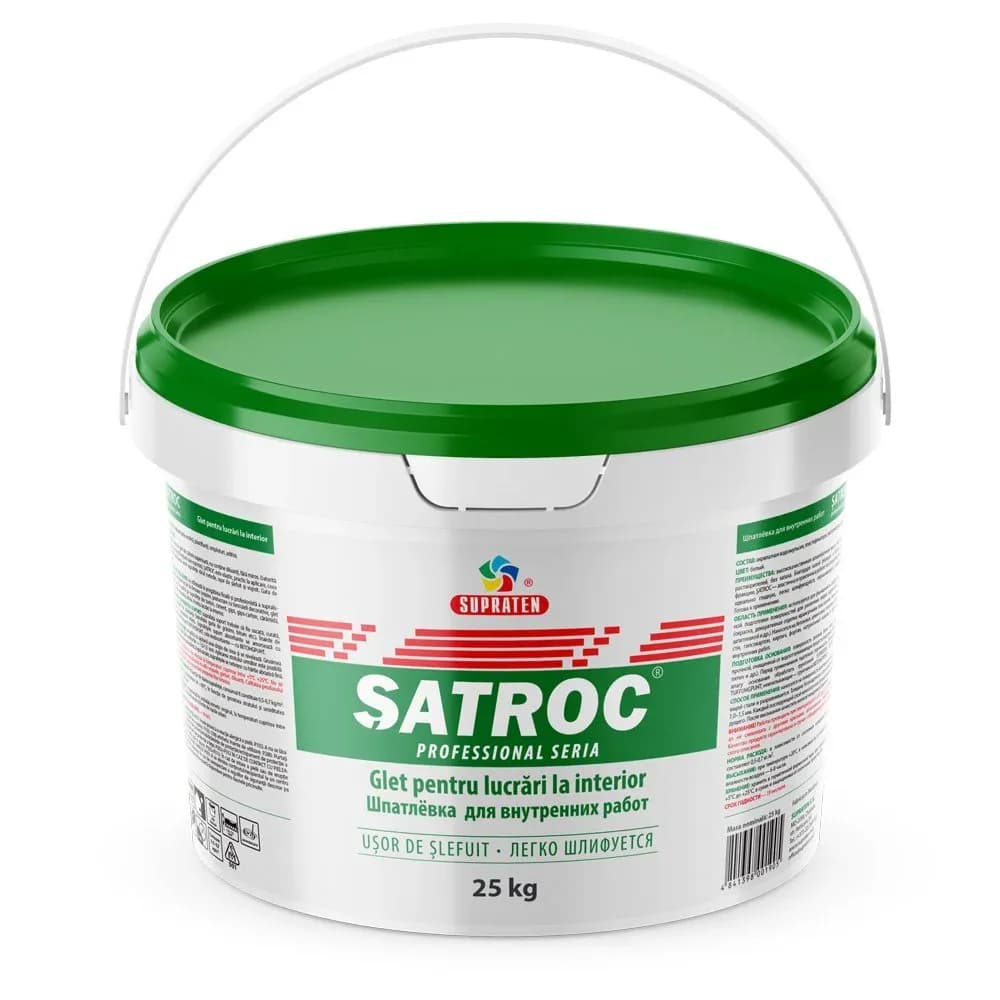
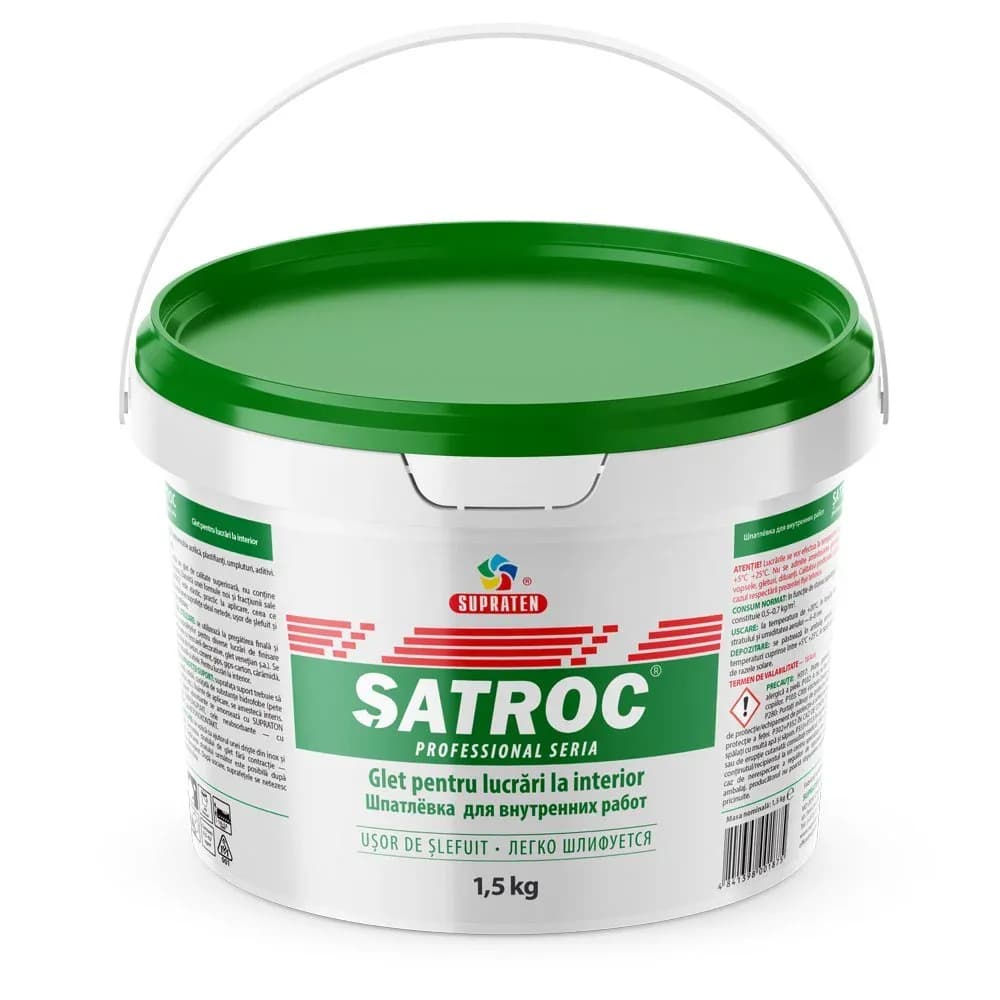
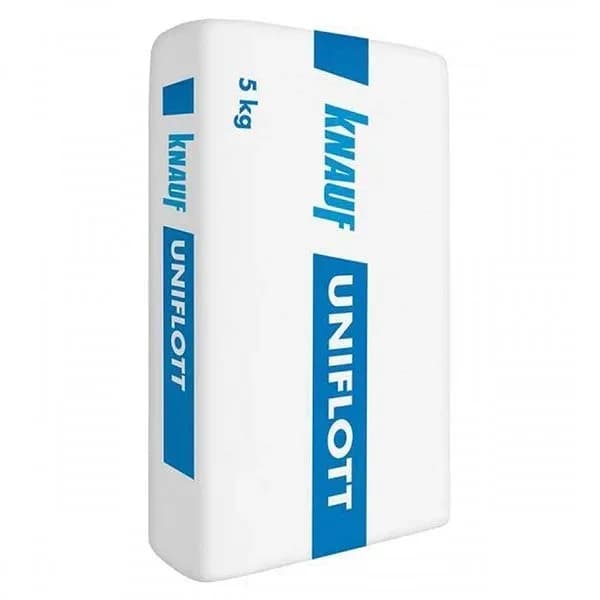
Colorista.md stocks Knauf HP Finish, Ceresit CT29 and Supraten. Knauf HP Finish is the industry standard for finishing coats - consistent grain and predictable results. Ceresit CT29 is popular with professionals for ease of spreading. Supraten is the budget-friendly option for cost-sensitive projects.
Sequence: prime - basecoat filler (if needed) - finishing filler - sand with 180-220 grit - re-prime - paint. Each filler coat needs minimum 24 hours to dry fully. Rushing it creates bubbles and peeling.
Basecoat filler has coarser grain and corrects surface irregularities up to 5mm in 2-5mm application layers - it goes on first over rough plaster or concrete. Finishing filler is fine-grained, gives a paint-ready smooth surface in 1-2mm coats and cannot be applied thick - it cracks.
Yes, if the surface is already reasonably flat (under 3mm deviation). Finishing filler is not meant to correct large irregularities - it cracks if applied too thick. For walls with more than 3-5mm variation, start with a basecoat or levelling plaster.
Both are quality products. Knauf HP Finish is the professional construction standard - consistent grain, stable results. Ceresit CT29 is praised by tradespeople for better workability when spreading over large surfaces. For DIY, Knauf is more forgiving of application errors.
Gypsum filler dries on the surface in 2-4 hours but cures fully in 12-24 hours. Do not paint before 24 hours - wet filler under paint causes bubbling and peeling. Cement-based filler takes longer - minimum 48 hours. After drying: sand, prime with acrylic primer, then paint.
Gypsum filler is not suitable in permanently damp rooms - it absorbs moisture and deteriorates. In bathrooms and kitchens, use cement-based or moisture-resistant polymer filler. Areas with direct water contact (around bath, shower) should also have waterproofing membrane applied first.
Finishing filler at 1-2mm thickness consumes about 1-1.5 kg/m². For 20 m² that is 20-30 kg - one 25kg bag. If you add a basecoat layer too, budget another bag. Knauf HP Finish comes in 25kg bags, Supraten in 20kg.
Start with 100-120 grit abrasive paper to knock back any high spots, then finish with 220 grit for a smooth surface. Use a sanding block or rigid float - never sand freehand or you'll get dips. Vacuum off the dust after sanding and apply a coat of acrylic primer before painting.