Finishing wall filler and skim coat - types by substrate
Paint doesn't forgive bad filler. A ridge or a wave catches raking light and the wall looks worse than before.
Finishing filler (skim coat) applies in thin layers - 0.5 to 2 mm over a prepared base coat or smooth surface. Fine grain (0.05-0.3 mm) lets you sand down to a glassy finish before painting.
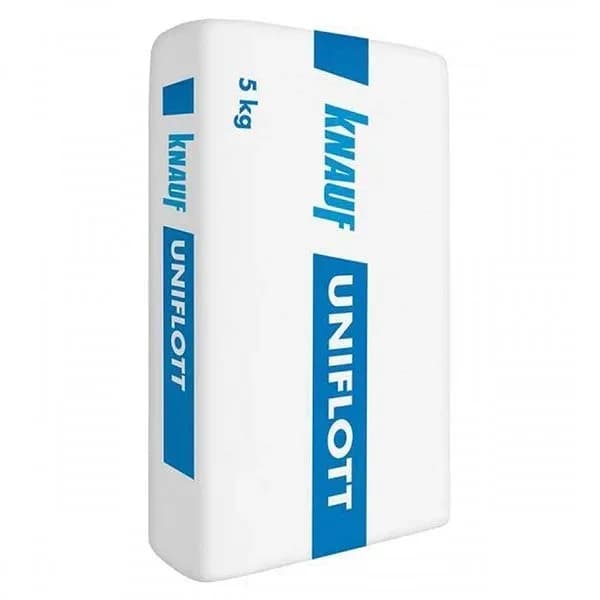
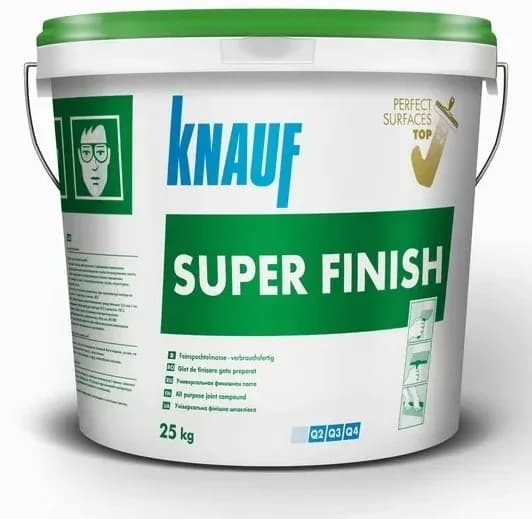
Three types, and mixing them up costs you a full redo. Gypsum-based filler (Knauf HP Finish, Ceresit CT29) - dry rooms only: bedroom, living room, hallway. Sands easily, won't handle moisture. Polymer filler - more flexible, less prone to cracking during shrinkage, suitable for moderately humid rooms. Cement-based finish - bathroom, kitchen, balcony.
Gypsum in the bathroom is the classic mistake. One damp winter with poor ventilation and the layer blisters up. You strip it all back and start over.
Always prime first. A dry, porous surface pulls water out of the filler unevenly - the layer cracks as it dries.
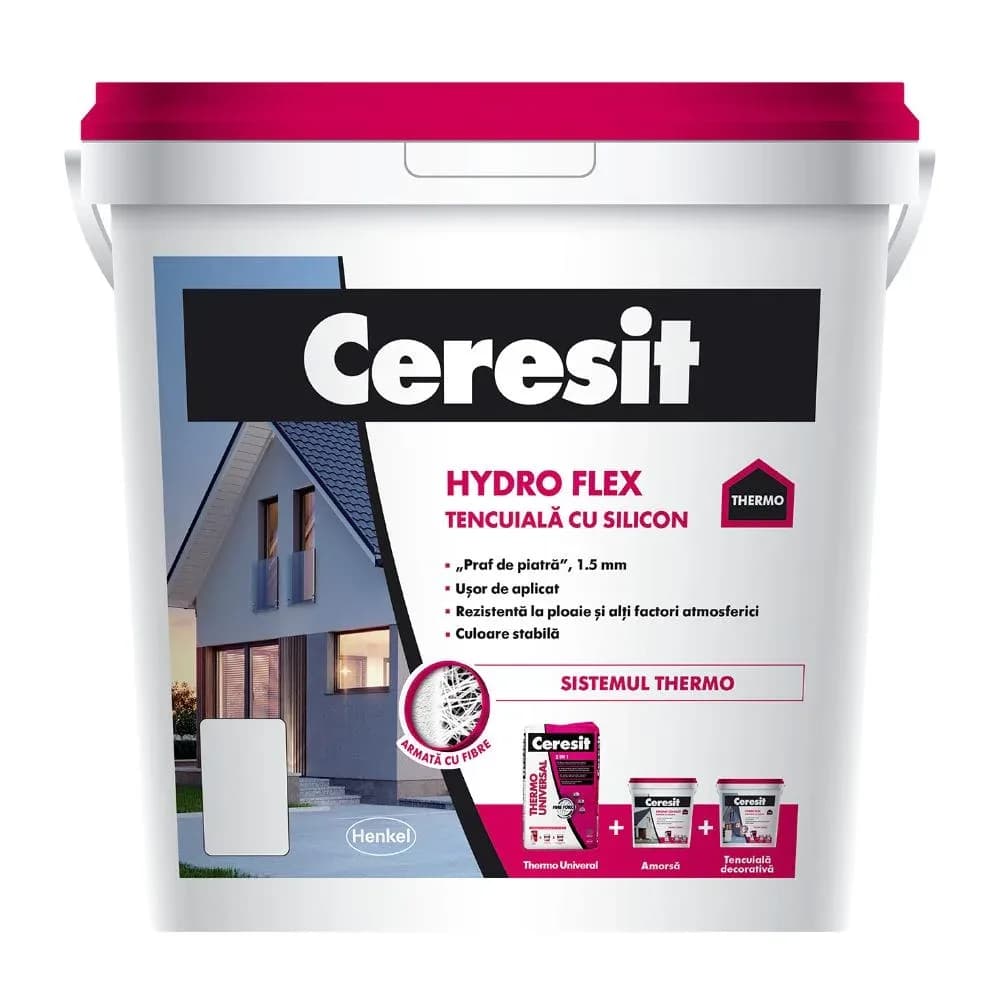
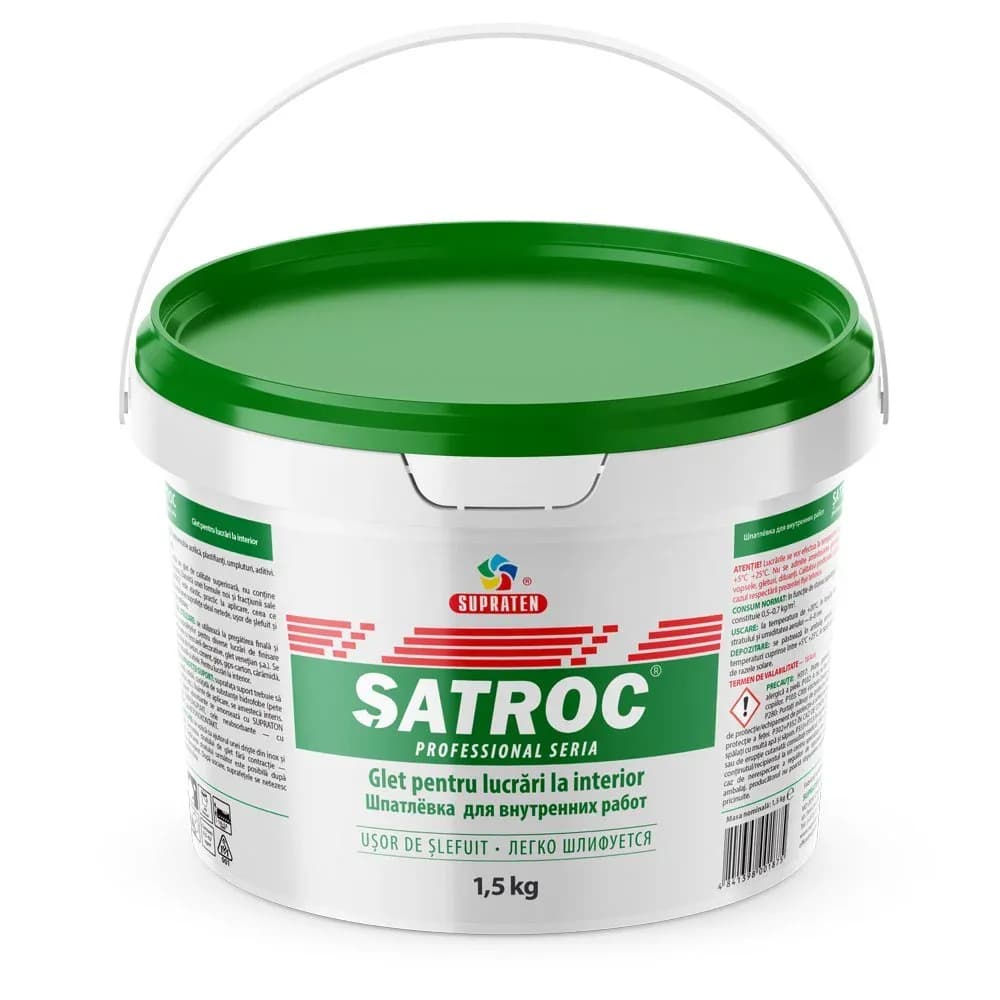
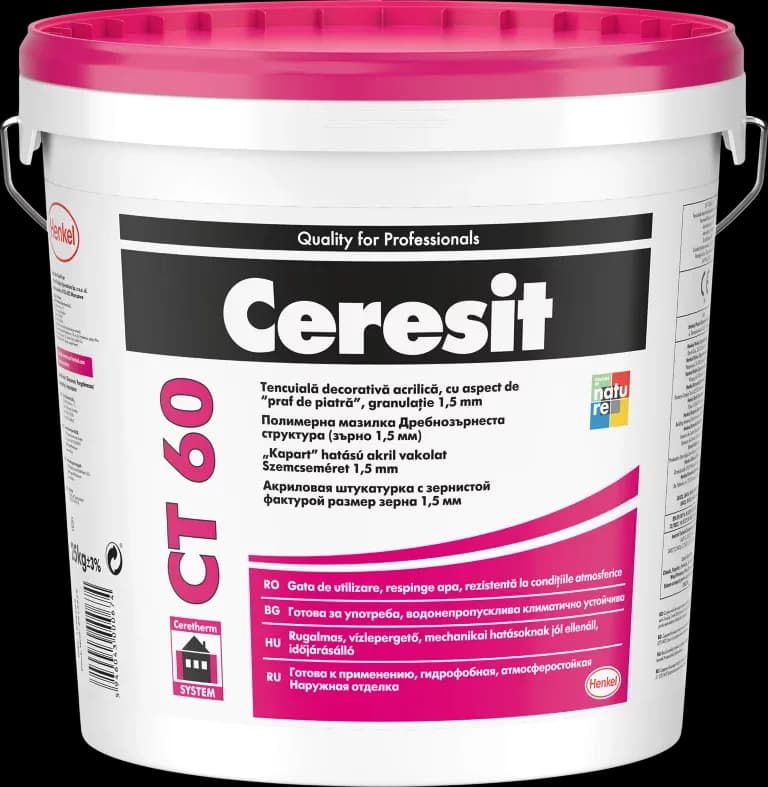
Knauf, Ceresit, Supraten - each has clear specs on the bag. Check grain size and recommended substrate before ordering.
Base coat (starter) has coarser grain and goes on 3-10 mm thick to level uneven surfaces. Finishing filler has fine grain (under 0.3 mm), applies 0.5-2 mm over the base coat, and creates a smooth surface ready for paint. Don't substitute thick base coat with thick finishing filler - it cracks.
Don't use gypsum filler in a bathroom - it absorbs moisture and swells. Choose moisture-resistant polymer filler or cement-based finishing coat. The packaging should say 'for wet rooms' or 'moisture resistant'.
Yes, always. Without primer the surface pulls water from the filler unevenly, causing cracks and delamination. Apply acrylic penetrating primer to the base coat, let it dry fully, then skim.
Usually one or two coats of 0.5-1 mm each. Apply the second coat after the first has dried fully and been lightly sanded. Thick single coats crack - there's no shortcut here.
In normal conditions (18-22 degrees, 50-65% humidity) gypsum filler dries in 24-48 hours. Polymer types take longer. Before painting, check the colour is uniformly white with no damp patches. Rush it and the paint won't stick evenly.