Wall primers and sealers - buy in Chisinau, Moldova
Skipping the primer and painting directly onto bare walls? Expect patchy finish, double paint consumption and early peeling. Primer is not optional.
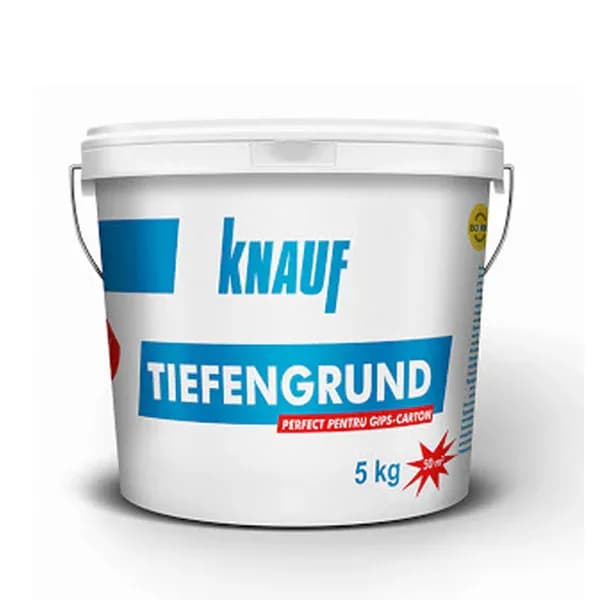
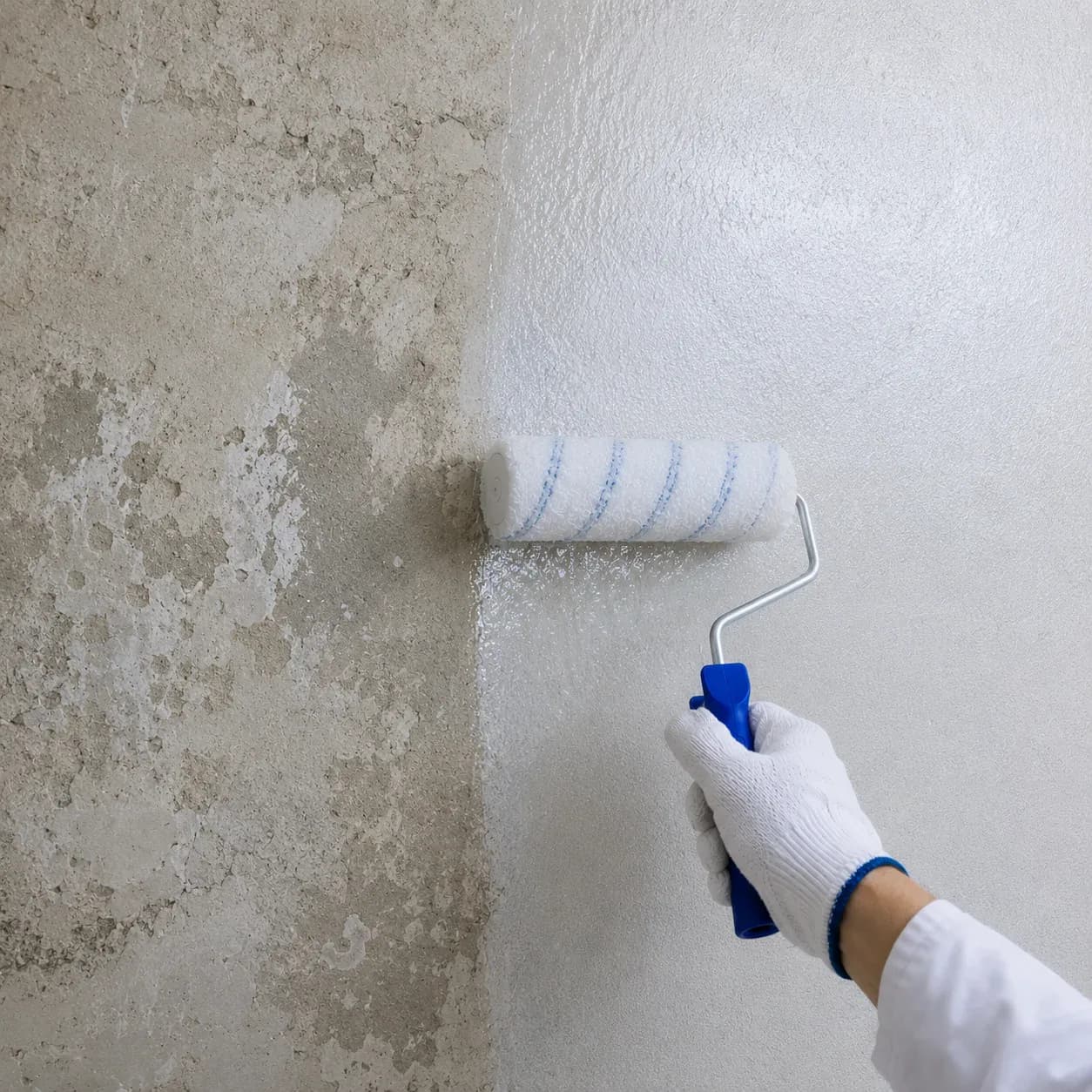
Wall primers split into four types, each solving a specific problem. Deep penetration primer (Tiefgrund) soaks 5-7mm into the substrate - it binds and consolidates loose, porous or old surfaces like aerated concrete, old plaster and damaged walls. Standard acrylic primer forms a surface film that reduces absorption and preps normal walls for painting or skim coating. Quartz primer (Quarzgrund) contains fine quartz particles that create micro-roughness on smooth concrete or drywall - essential adhesion prep before skim coat or decorative plaster. Waterproof primer repels moisture, used in basements, wet rooms and on facades.
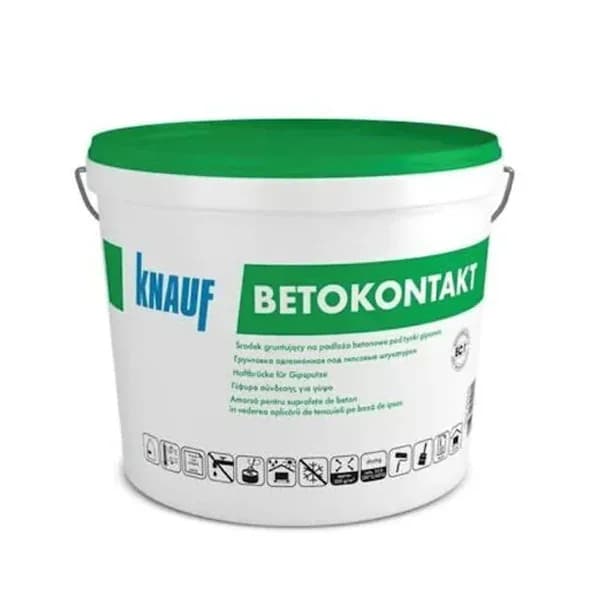
Colorista.md stocks Caparol Tiefgrund LF (professional penetrating primer), Caparol Quarzgrund (pre-skim-coat on smooth surfaces) and Knauf Betonkontakt for very smooth substrates. For standard apartment walls in good condition, a diluted acrylic primer works fine. For older buildings with crumbling plaster - start with penetrating primer.
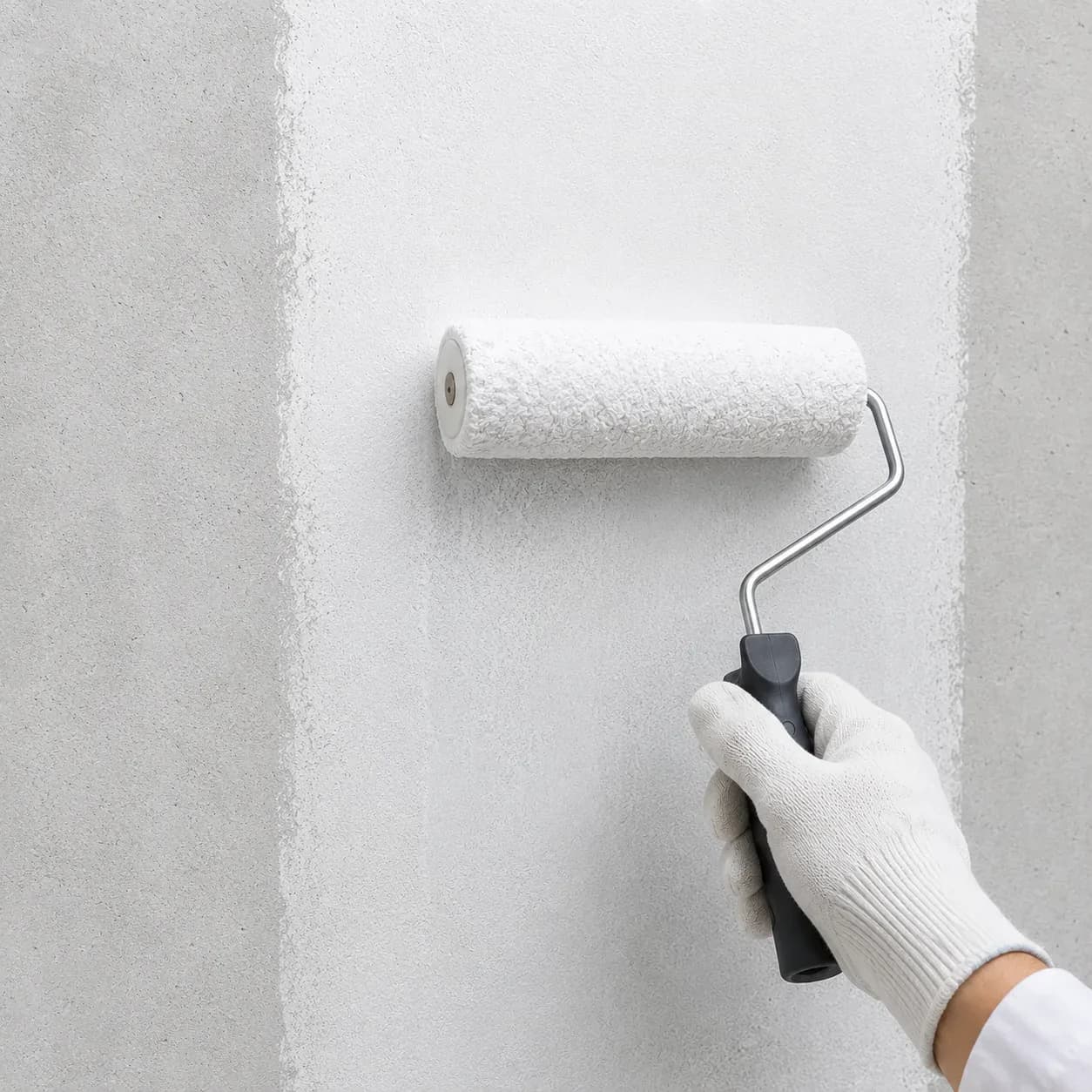
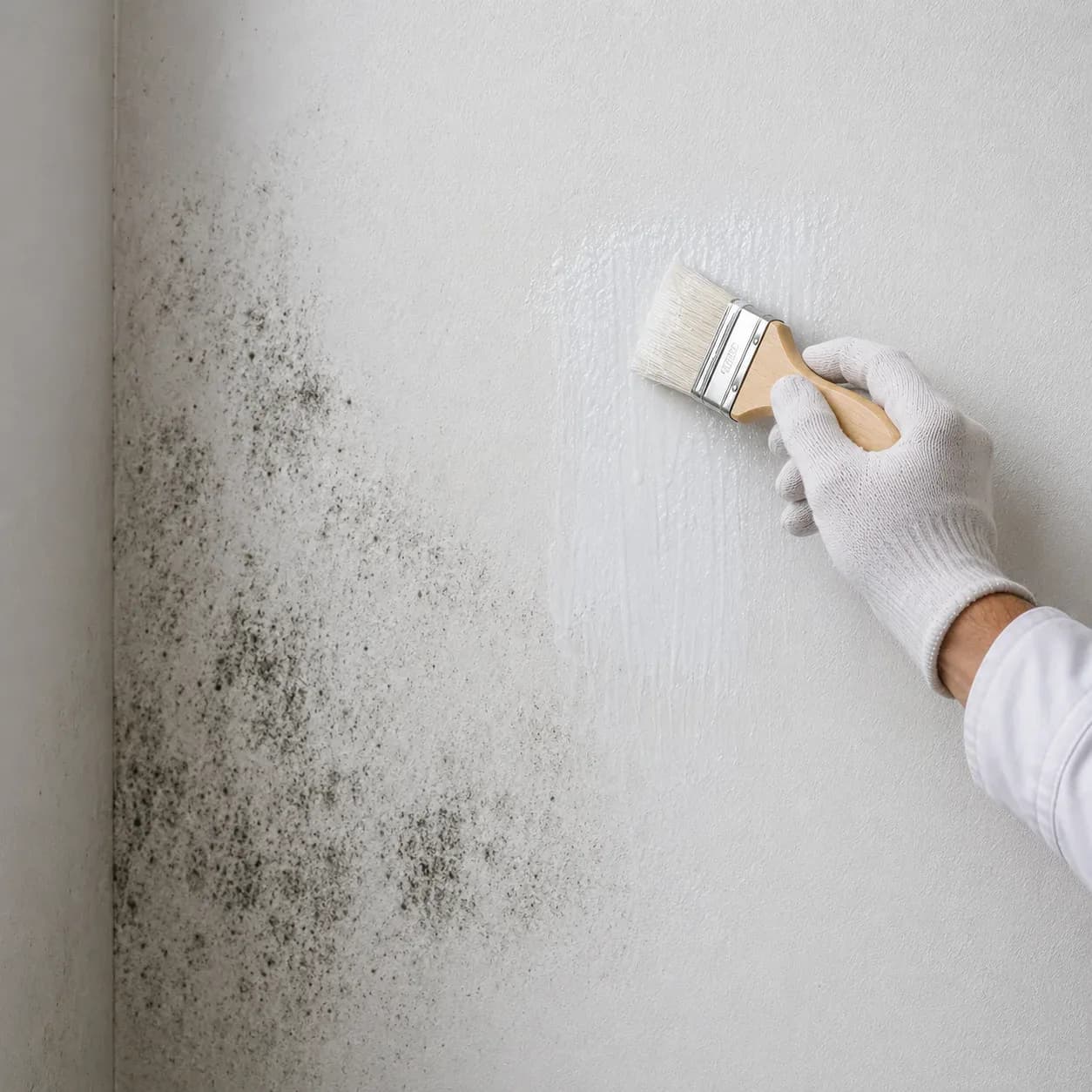
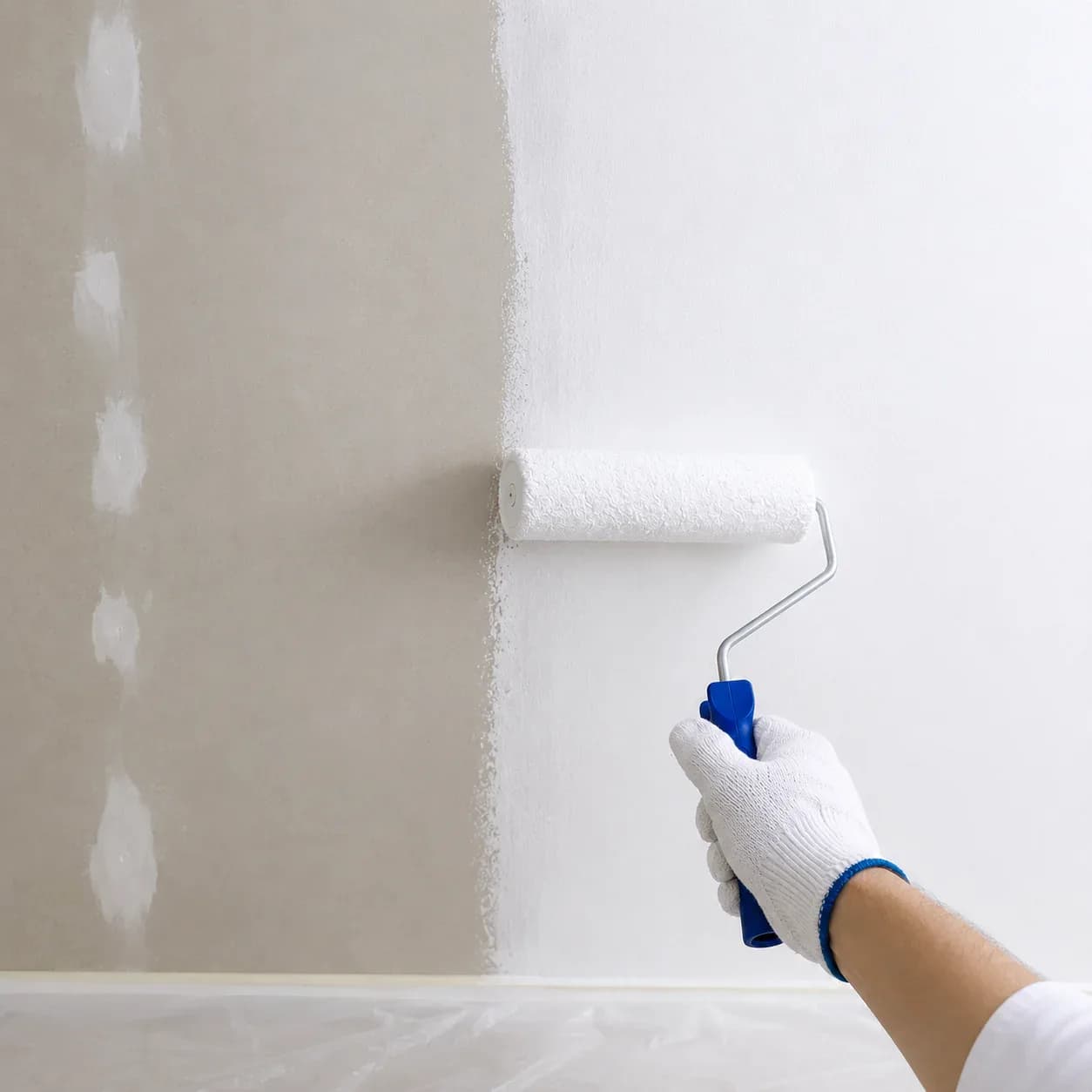
Application: dilute per label instructions, roll or brush one coat, allow 1-2 hours to dry. Do not rush - wet primer under paint creates bubbles and delamination.
For standard concrete or plastered walls - diluted acrylic primer at 1:5 with water, one coat before painting. If the wall soaks up the first coat heavily, apply a second undiluted coat. For smooth concrete or drywall before skim coating - use quartz primer.
Standard acrylic forms a surface film reducing absorption. Penetrating primer soaks several millimetres into the substrate and bonds loose material - necessary for old plaster, aerated concrete and damaged walls. On solid new walls the practical difference is small.
Quartz primer is essential before applying skim coat or decorative plaster on smooth surfaces: cast concrete, plasterboard, previously painted walls. The quartz particles create the micro-texture that skim coat needs to bond. Without it on smooth concrete, skim coat will crack and fall off.
Before skim coat: quartz primer on smooth surfaces, penetrating primer on porous or crumbly ones. After skim coat and before painting: one thin coat of standard diluted acrylic primer. Paint applied directly onto unprimed skim coat soaks in unevenly and leaves a patchy finish.
On old or degraded walls - yes. Tiefgrund has higher acrylic resin concentration and penetrates deeper than most budget alternatives. On new solid walls the difference is small. On crumbling or very absorbent surfaces it visibly reduces skim coat consumption and improves long-term adhesion.
Not recommended. Drywall is absorbent - without primer the skim coat dries too fast, cracks and loses adhesion. Apply diluted acrylic primer or, better yet, quartz primer and wait for it to dry fully (at least 1 hour) before skim coating.
Concentrated acrylic primer at 1:5 dilution covers roughly 10-12 m² per litre. For 20 m² you need about 2 litres of concentrate. If you're priming before both skim coat and paint, budget 3-4 litres total for a standard room.