Anti-mould paint and biocide wall coatings
Regular paint in a bathroom won't last. One winter, maybe two.
Chinau flats with sealed PVC windows and poor ventilation build up condensation on walls every winter. Corner rooms in Soviet-era panel blocks are the classic problem zone - the outer wall stays cold, moisture condenses on the inside, and mould gets everything it needs.
Anti-mould paints contain biocides - active compounds that inhibit fungal and algae growth on treated surfaces. They don't hide mould, they prevent it from appearing in the first place. Bathrooms, kitchens, basements, storage rooms without extractor fans - anywhere humidity runs consistently high, standard paint fails early.
How to pick what you need. The moisture level in the room determines biocide strength. A steam-heavy bathroom needs high-concentration biocide plus a washable finish. For a single damp corner or seasonal condensation, a basic antifungal-formula paint does the job fine.
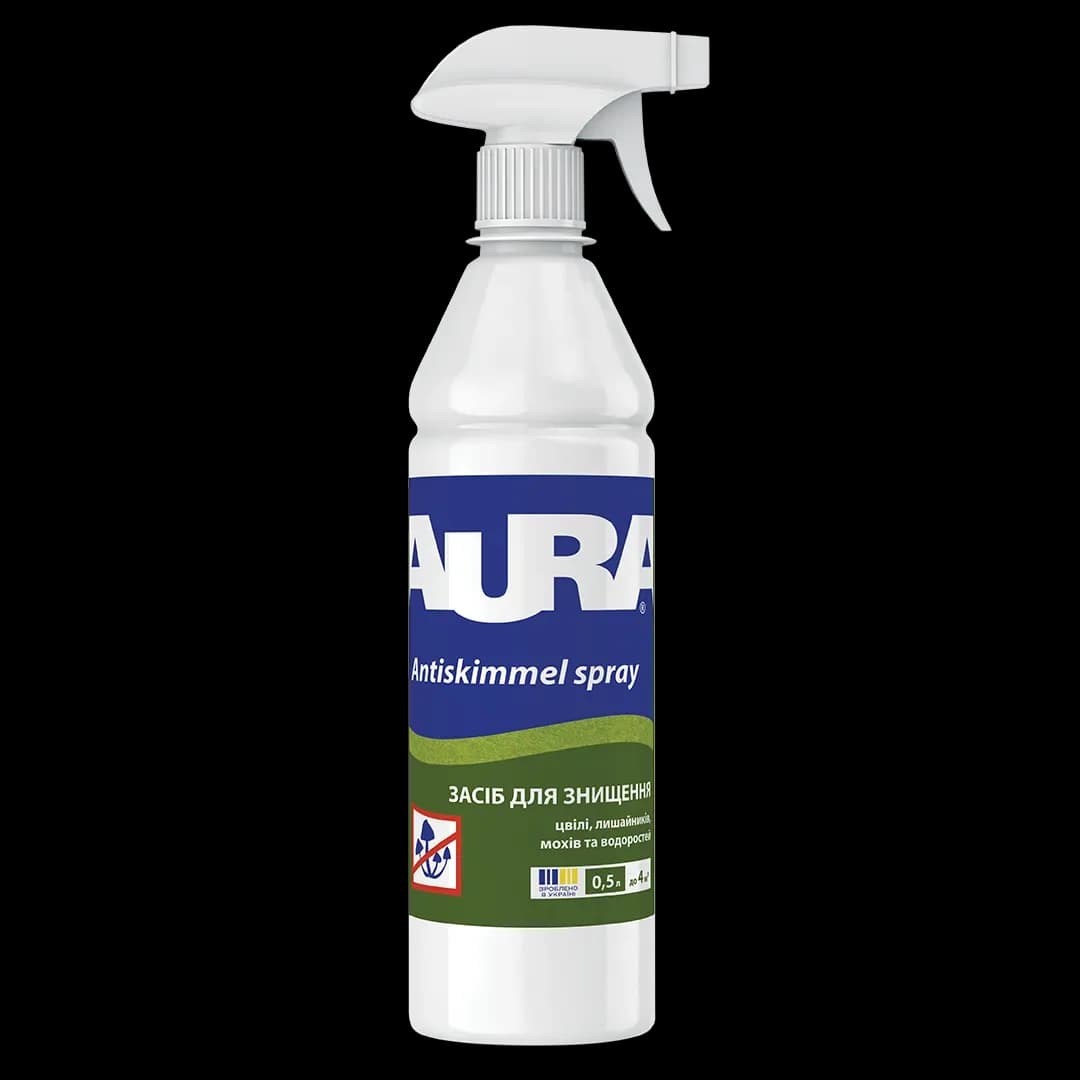
One thing that can't be skipped: existing mould has to go before painting. Cover it up and you've sealed the problem in for a few months. Clean it with a chlorine-based or fungicidal solution, let it dry completely, prime, then paint. Only then does the biocide in the top coat actually work as prevention.
In stock at Colorista: Caparol, Sniezka, Tikkurila - all with lines for damp interiors. Not sure which fits your situation? Come in or ask - we'll narrow it down.
Regular paint has no biocides, so mould can grow through or on top of it. Anti-mould paint contains active fungicide compounds that prevent fungal growth on the treated surface. In bathrooms and damp zones, standard paint lasts a season or two; biocide-based paint holds significantly longer with correct application.
You can, but there's no reason to in dry well-ventilated rooms. Save it for the bathroom, kitchen, basement, and corner rooms with condensation. In bedrooms and living areas, standard washable paint does the job and costs less.
Scrub it off mechanically, then treat with a chlorine-based cleaner or specialist fungicide. Let it dry fully - at least 24 hours. Apply primer, dry again, then paint. Painting over active mould is pointless - it'll grow through any coating within months.
With decent ventilation and correct application, several years. In rooms with constant high humidity and no extractor, the cycle shortens. Ventilation is the single biggest factor in how long any anti-mould coating holds.
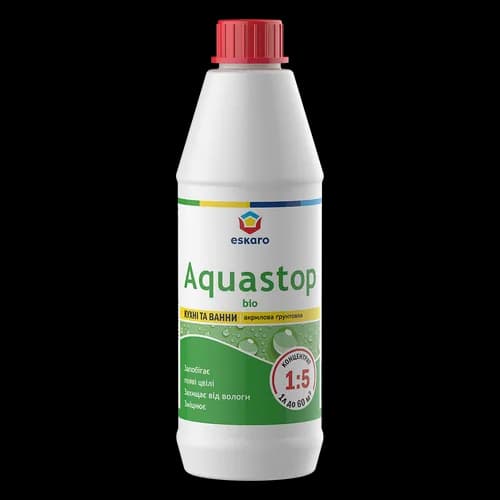
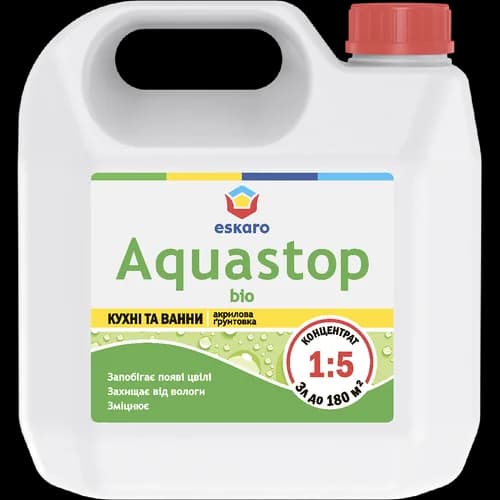
Yes, in high-risk areas. Primer penetrates the surface and puts biocide deep into the substrate. The top coat only protects the surface layer. Primer plus paint gives you a two-layer barrier system - particularly useful in bathrooms and basements.