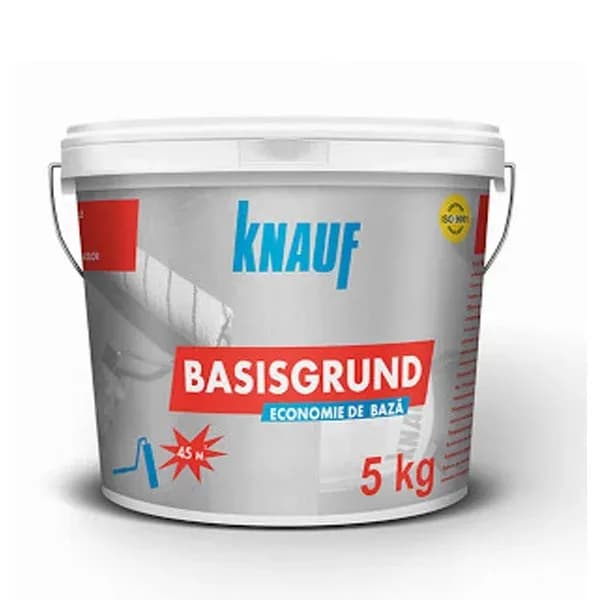
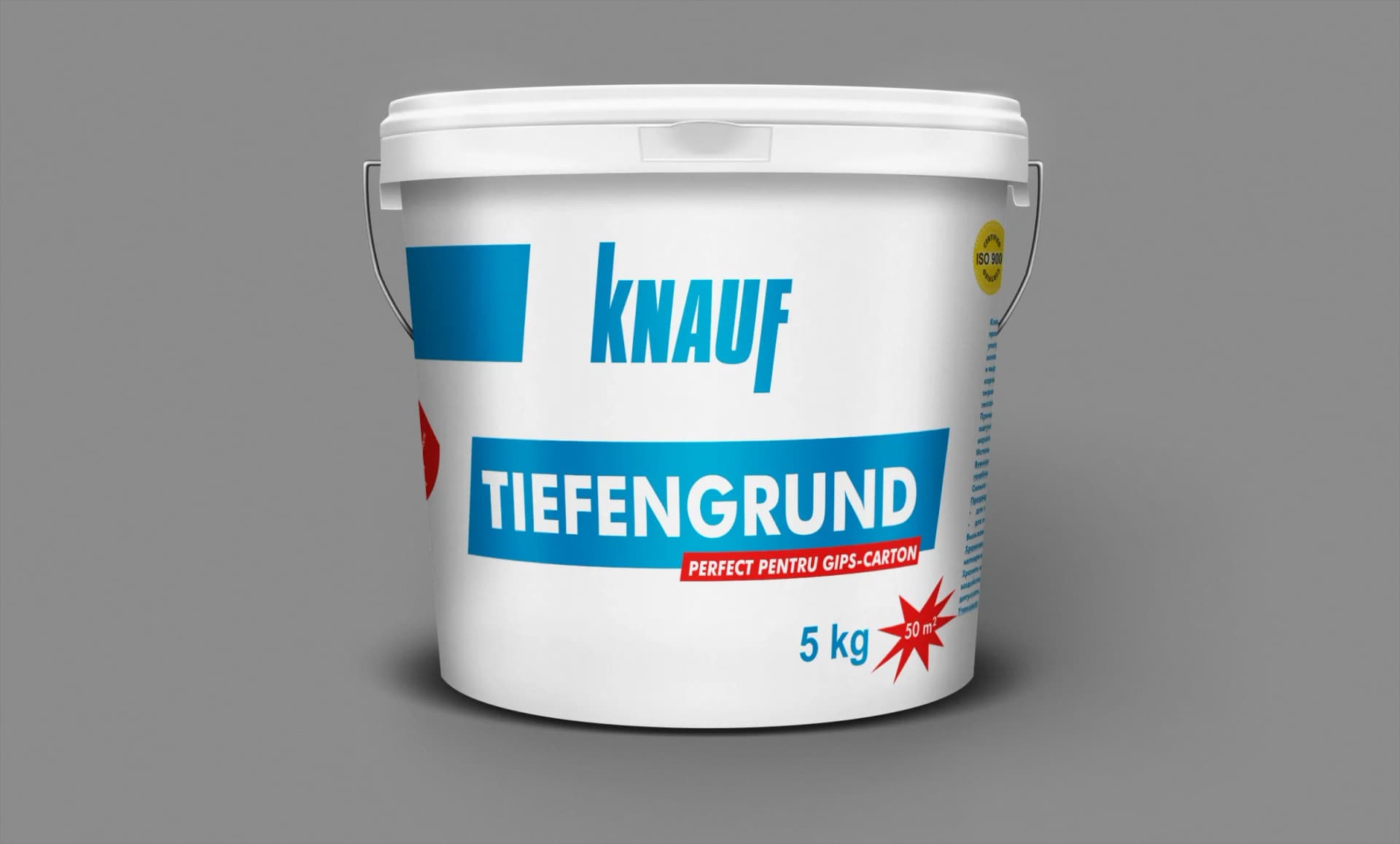
Deep penetration primers - structural consolidation of friable and porous substrates
Plaster that crumbles. Concrete that dusts. Old mortar coming off on your hand. That's a friable substrate - and there's a specific primer for it.
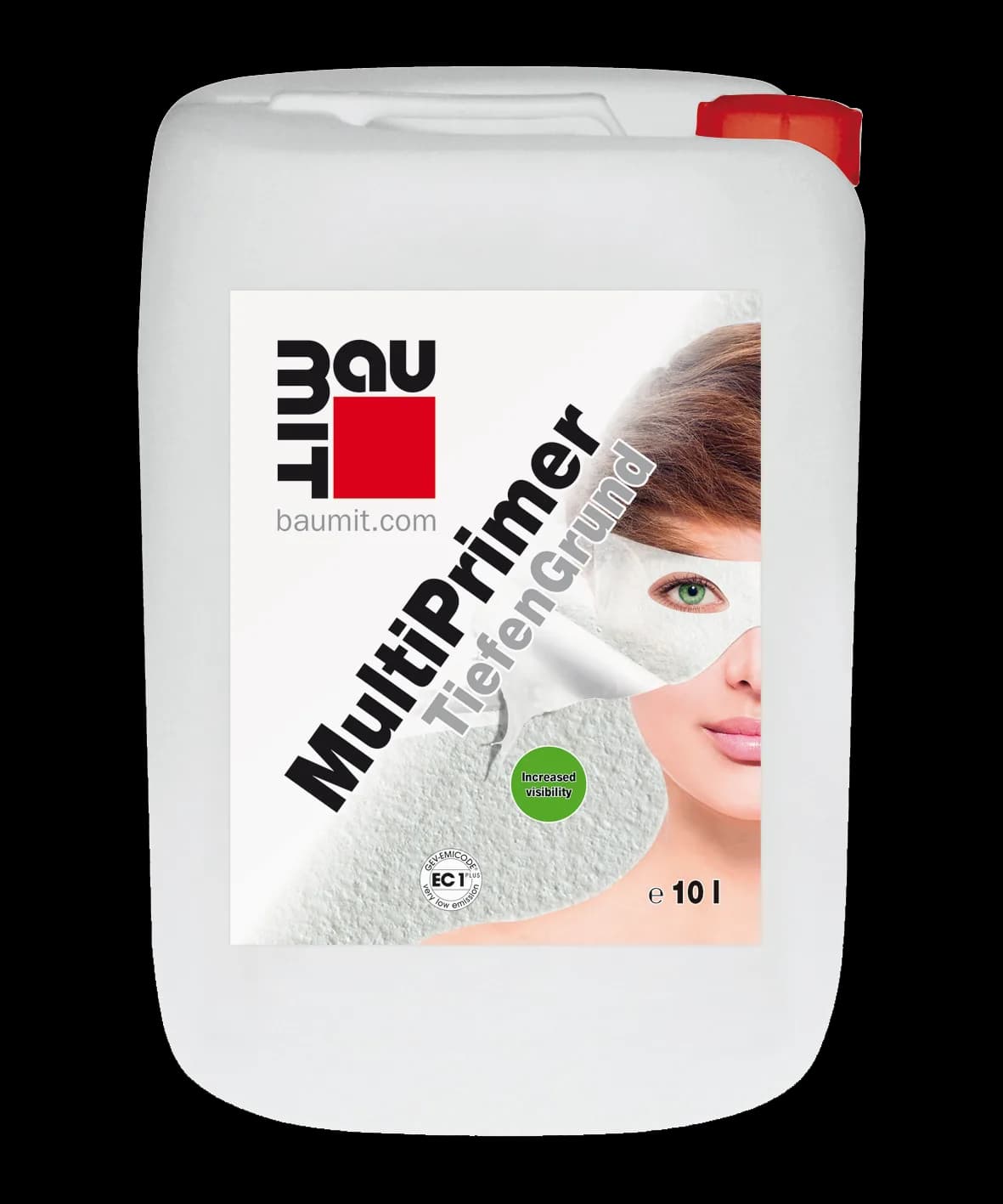
A standard adhesion primer forms a thin film on the surface. Deep penetration primer goes into the pore structure, bonds loose particles together, and consolidates to 3-10 mm depth, sometimes more. On a deteriorated wall, you feel the difference with your finger after it dries.
When you need penetrating primer instead of standard:
- Old plaster that dusts to the touch - in Chisinau panel buildings from the 1960s-80s, lime-based plaster deteriorates over time, especially in unheated spaces.
- Porous or cellular concrete - absorbs unevenly, standard primer doesn't penetrate deeply enough.
- Masonry from porous materials - aerated concrete, expanded clay, autoclaved blocks.
- After mould removal - the surface is left friable and needs consolidating.
Application: dilute 1:3 to 1:5 with water for the first saturation pass on very absorbent surfaces, second pass at full strength or 1:2. Two coats with drying time between. Quick check for adequate penetration: drip water on the dried surface. If it absorbs immediately - apply another coat. If it beads - the substrate is consolidated.
In stock: Caparol (Tiefgrund - the reference penetrating primer), Ceresit, Sniezka.
Standard primer forms a surface film and improves adhesion. Penetrating primer goes into the pores, binds loose particles, and mechanically consolidates the substrate. On walls with dusting or crumbling - standard primer doesn't fix the problem.
Yes, it's universal for mineral substrates - concrete, plaster, masonry, plasterboard. Not for wood or metal, which need their own specific primers. Check compatibility on the label.
Usually 1:3 or 1:4 water for the first saturation coat on very absorbent surfaces. Second coat at full strength or 1:2. Read the specific product instructions - concentration varies by formula.
Yes, after full drying. Penetrating primer doesn't replace adhesion primer - on very absorbent surfaces, apply penetrating primer first, then after drying a coat of adhesion primer, then the finish.
Simple test: drip water on the dried surface. Absorbs immediately - apply another coat. Beads up - penetration is sufficient, substrate is consolidated.