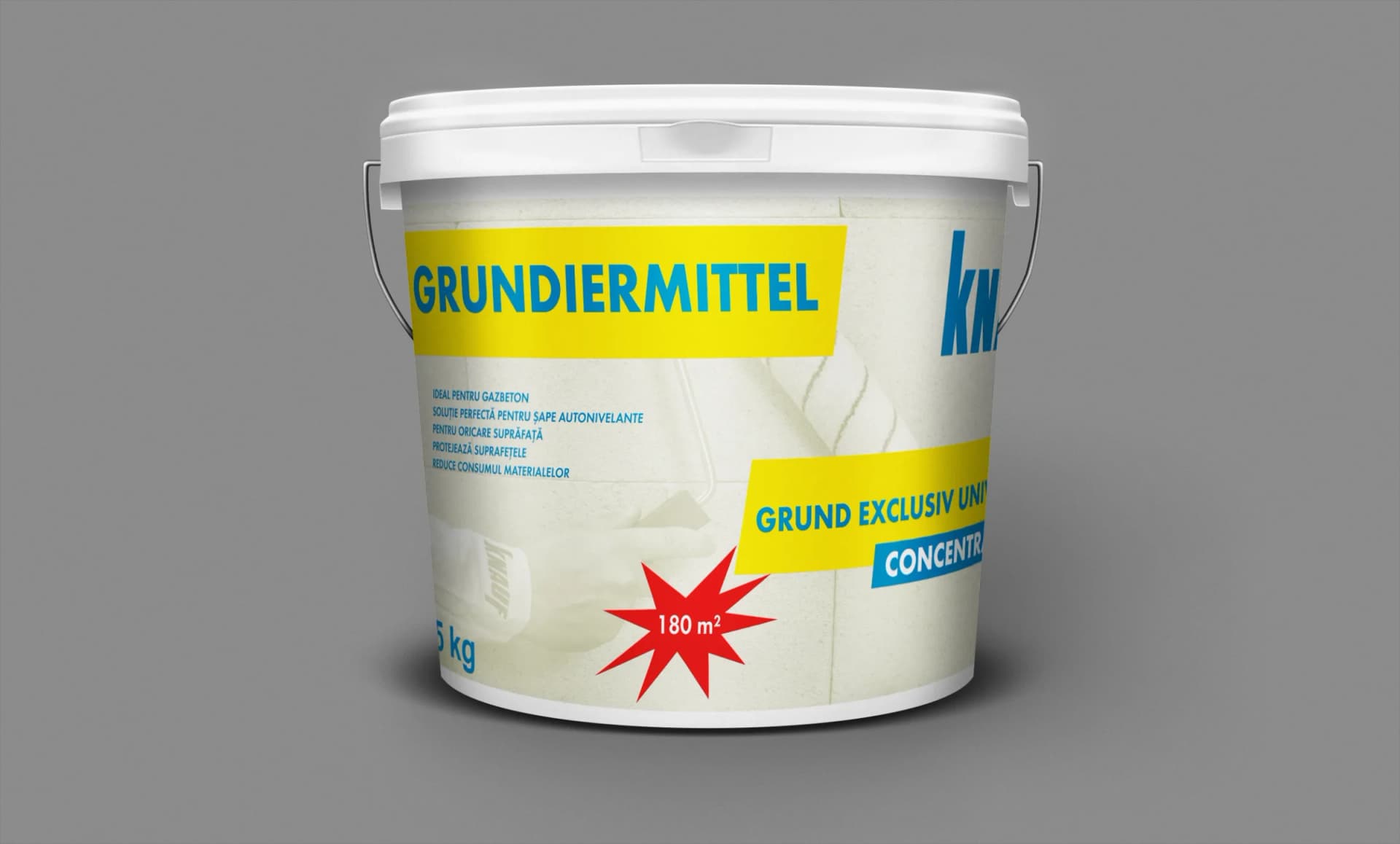
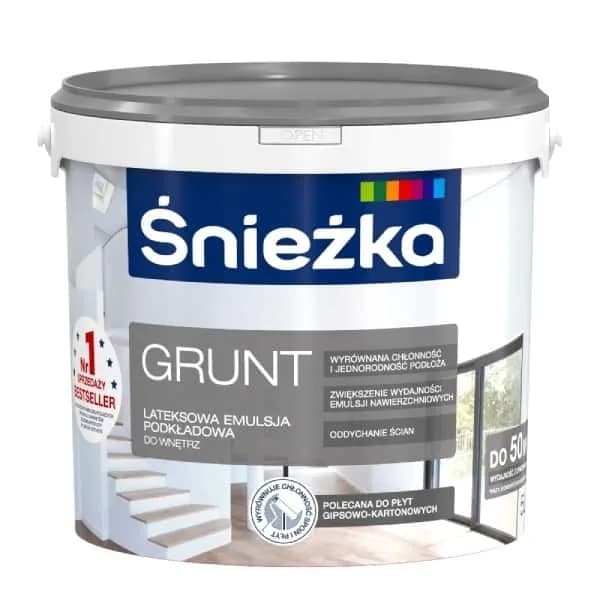
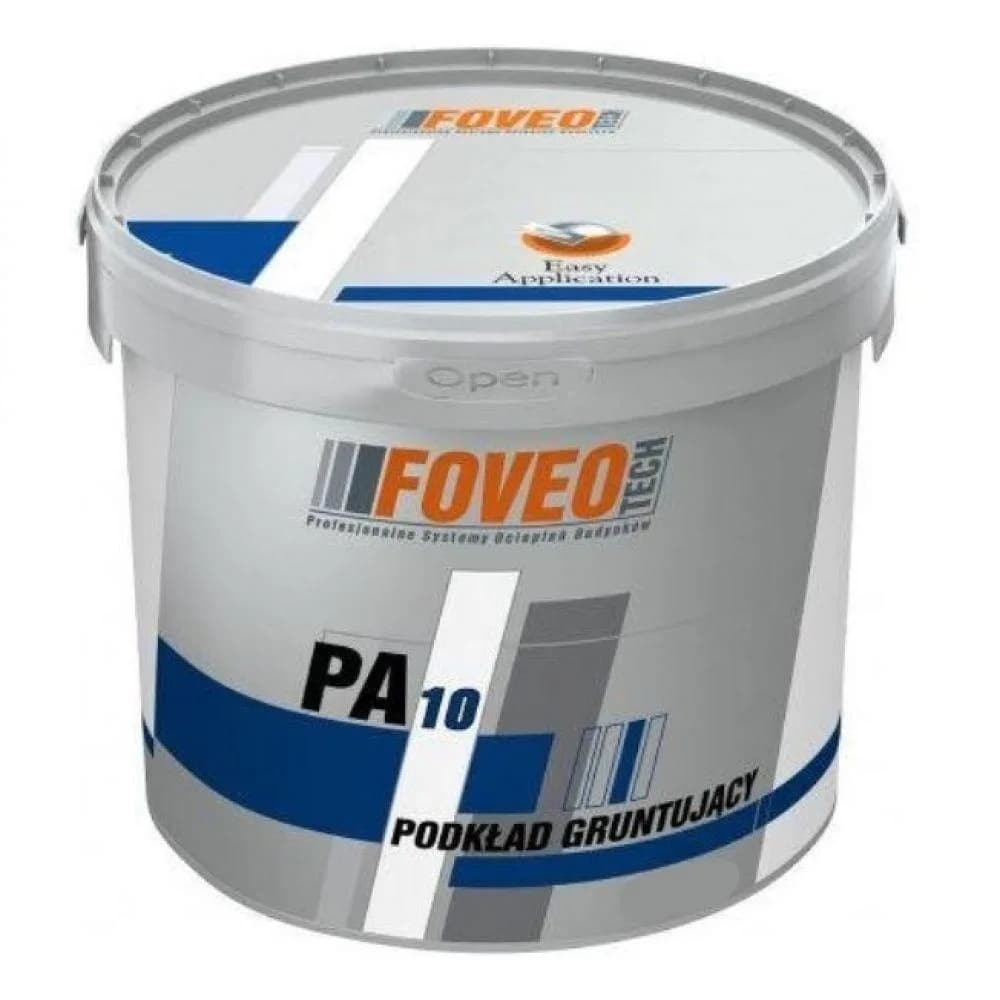
Universal primers - adhesion and substrate prep for paint and plaster
People skip primer. Then ask why paint flaked after one winter.
Universal primer isn't magic - straightforward chemistry: creates a surface with controlled adhesion, reduces uneven absorption, and prepares the substrate for the finish coat.
What a universal primer does depends on the substrate:
- On concrete and cement plaster - reduces absorption, evens the surface, improves paint bonding.
- On plasterboard - seals the panel surface and filler, prevents uneven absorption.
- On old paint - improves adhesion of the new coat to compatible existing finish.
Universal doesn't mean for everything. Metal and wood need their own specific primers.
Application: one coat by brush or roller, let it dry. On highly absorbent surfaces - two coats.
In stock: Caparol, Ceresit, Sniezka.
Yes, always. Plasterboard absorbs paint unevenly. Without primer you'll see moisture patches.
Depends on the product. Read the label - some are interior/exterior, others interior only. Outdoors the primer needs to be weather-resistant.
Depends on the manufacturer. Some are applied undiluted, others at 1:1 or 1:2. Follow the specific product label.
Check the technical datasheet. At normal conditions (20C, average humidity) - a few hours. Don't paint over wet primer.
No. Quartz primer (with fine sand) is for very smooth surfaces - burnished concrete, polished surfaces. Universal is for normal to high absorption substrates.