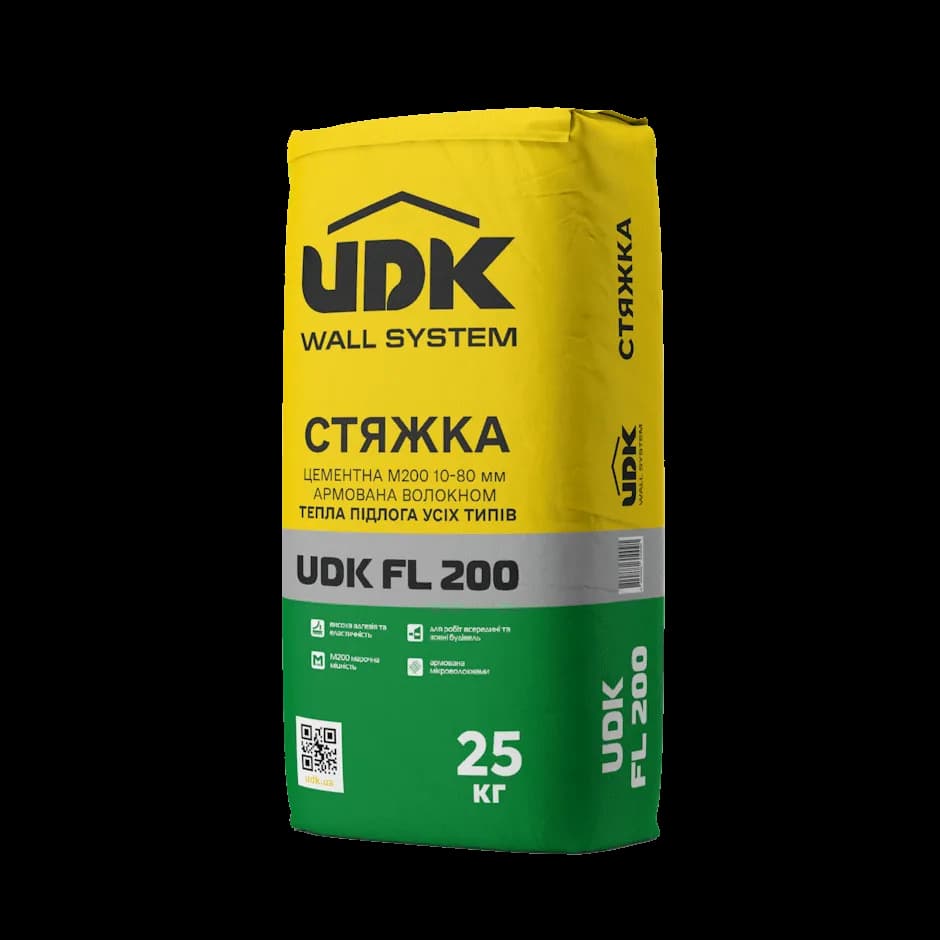
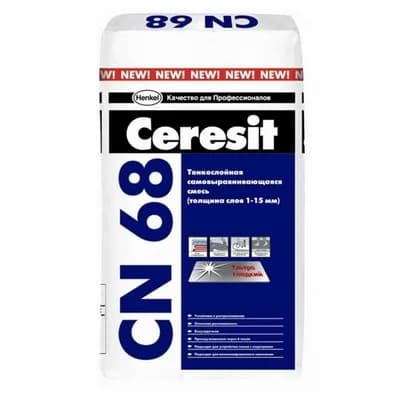
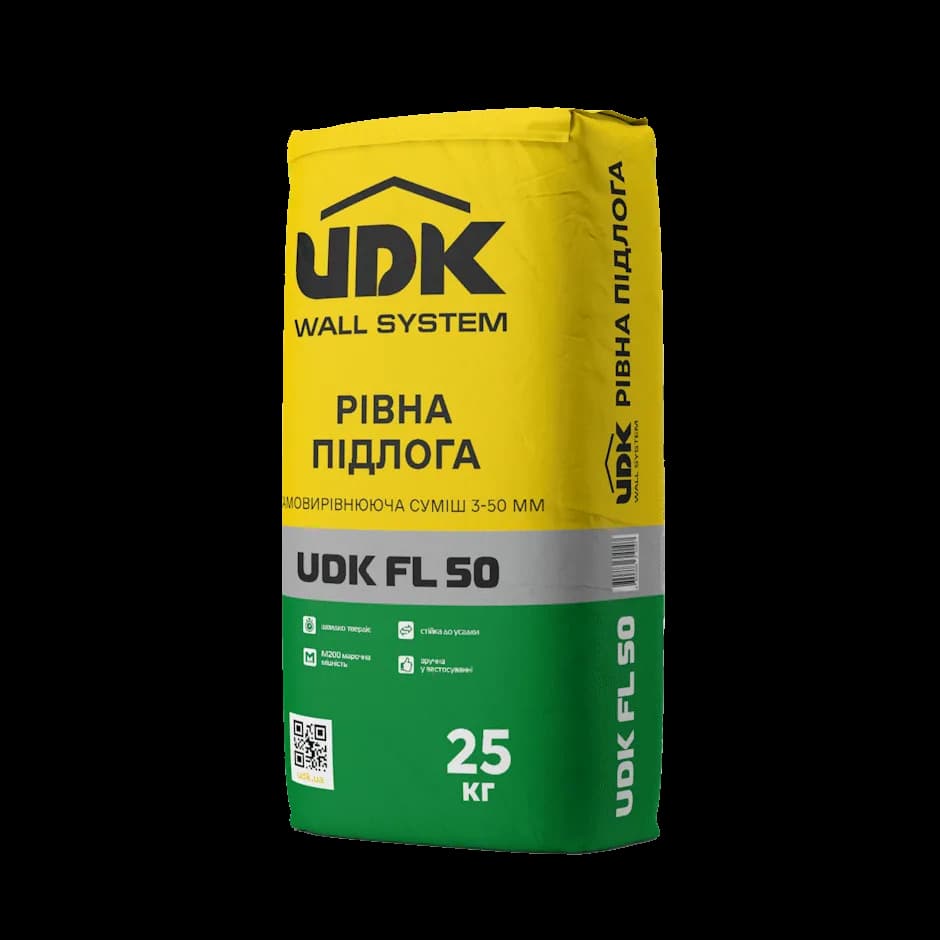
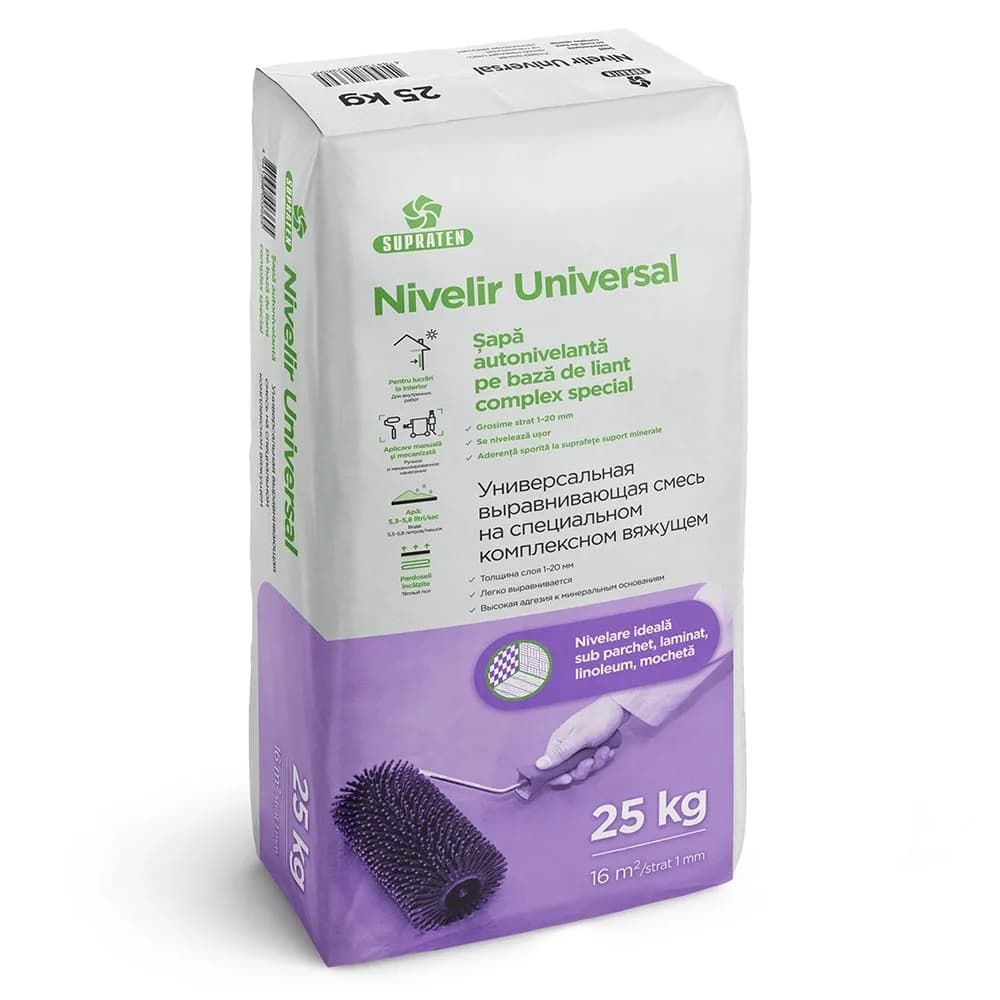
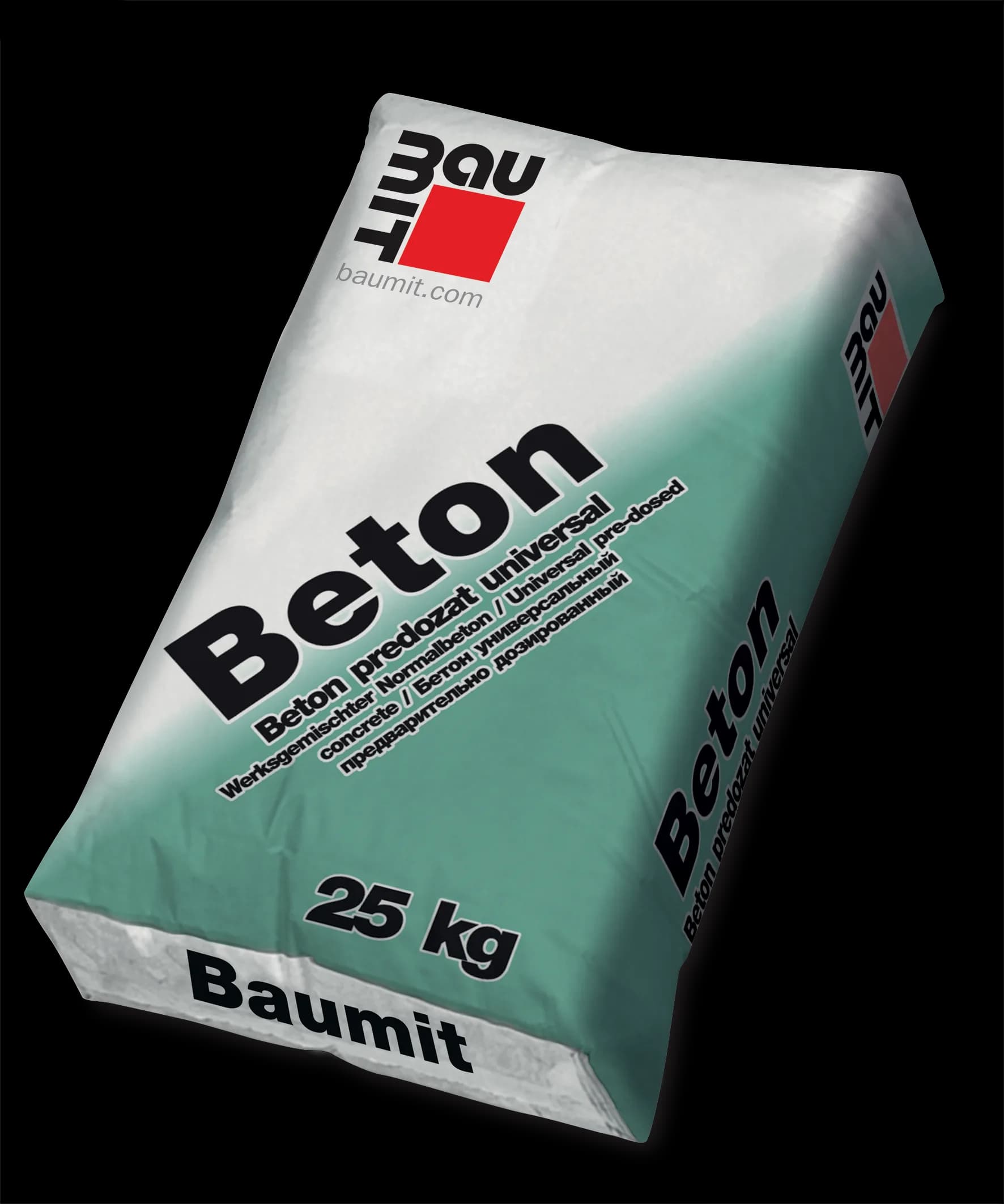
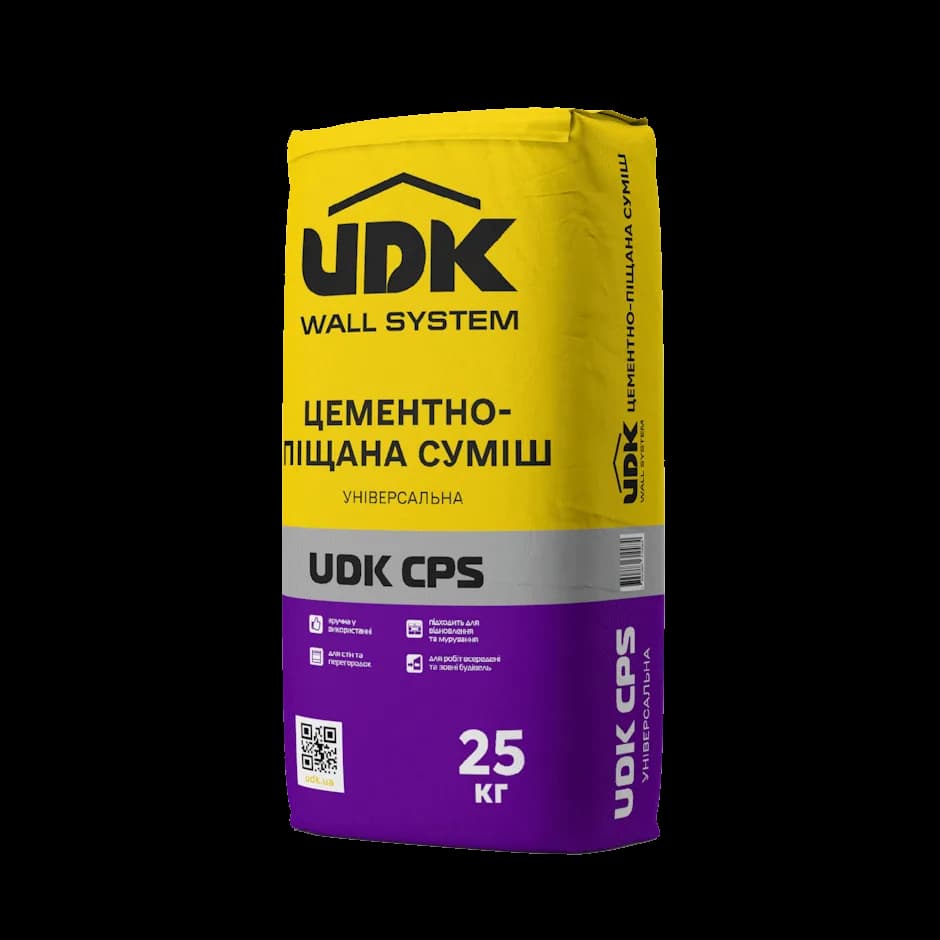
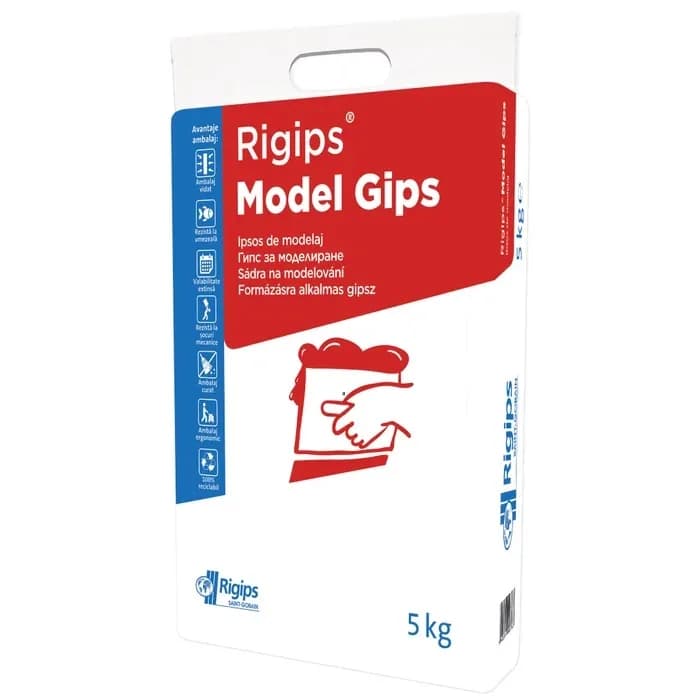
Dry mix compounds - mortars, renders and fillers in bags
On site, dry mix means one thing: precise dosing and consistent results in every batch. No guesswork, no eyeballing the water ratio.
Dry mixes cover the full range of finishing work: masonry mortar, base render, starter filler, finishing skim, tile adhesive. Each has a factory-calibrated formula and tested set time.
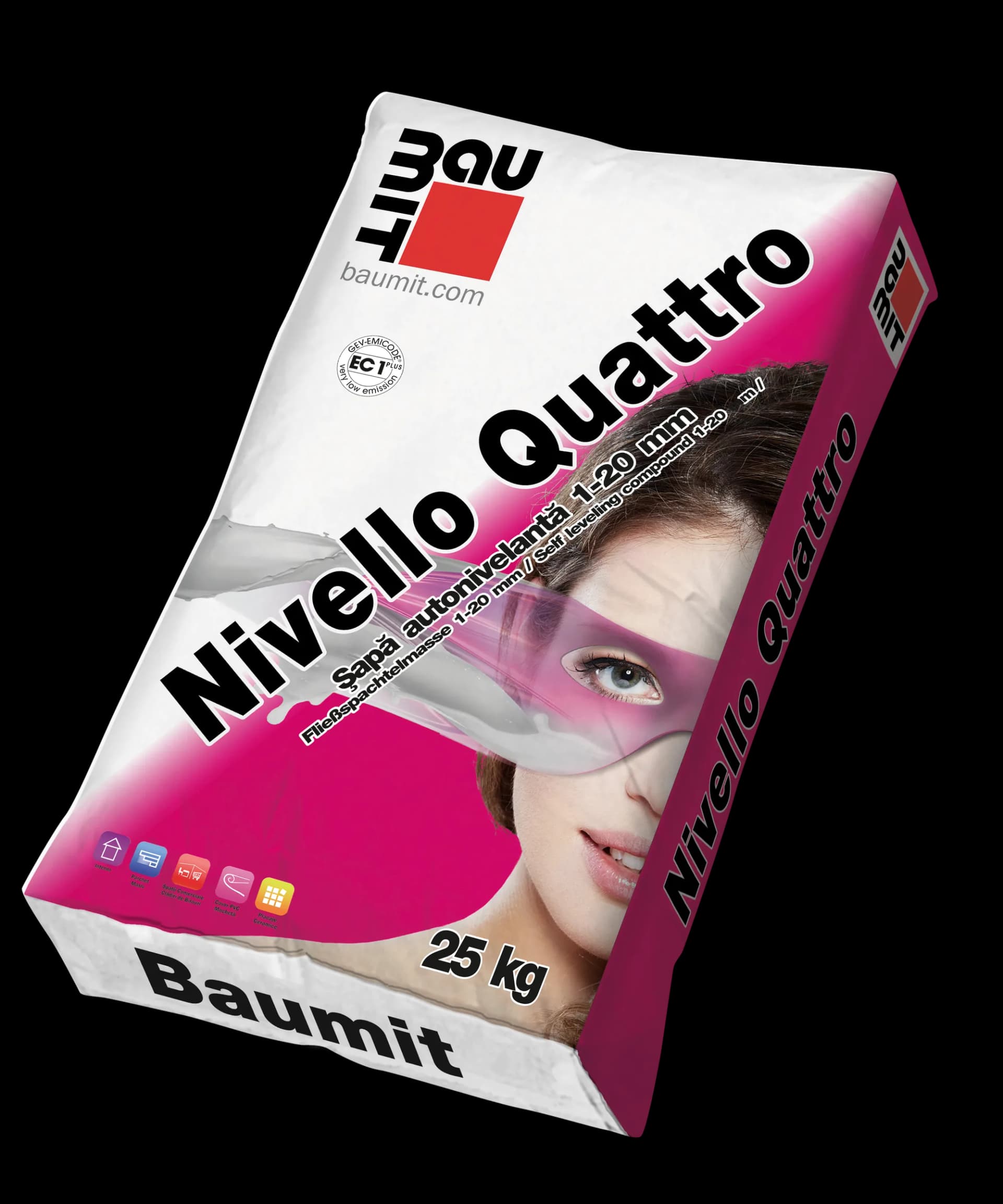
What this means in practice. Masonry and repair mortars - cement or lime binder, medium grain, high mechanical strength. Gypsum or polymer-based fillers - fine grain, for interior finishing, smooth surface for paint. Base renders - cement, lime or gypsum depending on substrate and humidity. Repair compounds and self-levelling masses - for spot corrections or horizontal surfaces.
A 25 kg bag of finishing filler goes further than you'd think. At fine grain and 2 mm layer thickness, one bag covers 10-12 sq m. Work out the quantity before ordering.
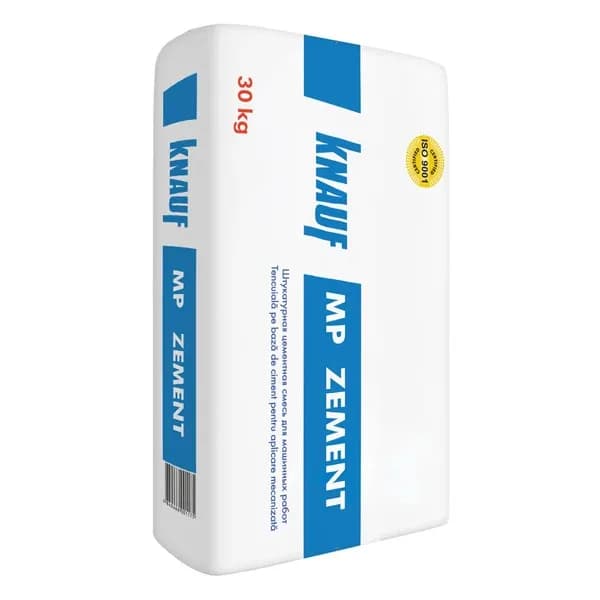
Knauf, Ceresit, Supraten - quality differences show up during sanding and after drying. Supraten is more affordable; Knauf and Ceresit offer more precise technical specifications.
Store bags in a dry place on a pallet, away from moisture - absorption from damp air significantly reduces shelf life.
Depends on the product - check the label. Cement and lime mixes typically last 12 months stored correctly (dry place, no freezing). Gypsum mixes are shorter - 6-9 months. After expiry, the set may be incomplete.
No - they're different products with different grain sizes and formulations. Render has coarser grain (0.5-1.5 mm) for thick levelling. Filler has fine grain (under 0.3 mm) for smooth finishing surfaces. Substituting one for the other gives poor results.
Add the powder to the water, not the other way around - this avoids lumps. Mix with a drill and paddle at low speed until smooth, leave 3-5 minutes to mature, then mix again. Water-to-powder ratio is on the label. Don't add extra water.
Standard conditions: +5 to +30 degrees. Below +5 - setting slows dramatically or stops (risk of freezing). Above +30 - water evaporates too fast, uneven drying. In Chisinau, outdoor work with dry mixes is optimal between April and October.
For patches and small repairs on existing plaster - cement-lime repair compound compatible with the substrate. Don't use gypsum filler over old cement plaster - the difference in elasticity creates cracks at the patch edges. Check compatibility on the label.