Base coat wall filler - levelling before skim coat
No wall is perfectly flat from the start. Old plaster, masonry joints, mortar ridges - base coat filler handles all of this before you move to the finishing layer.
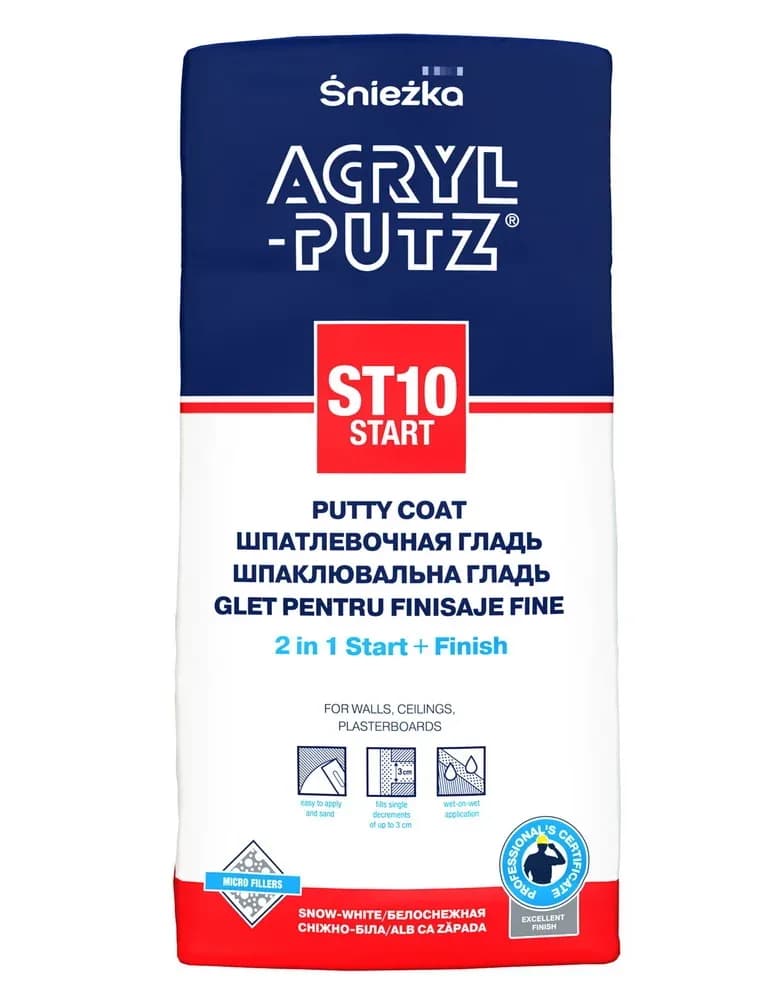
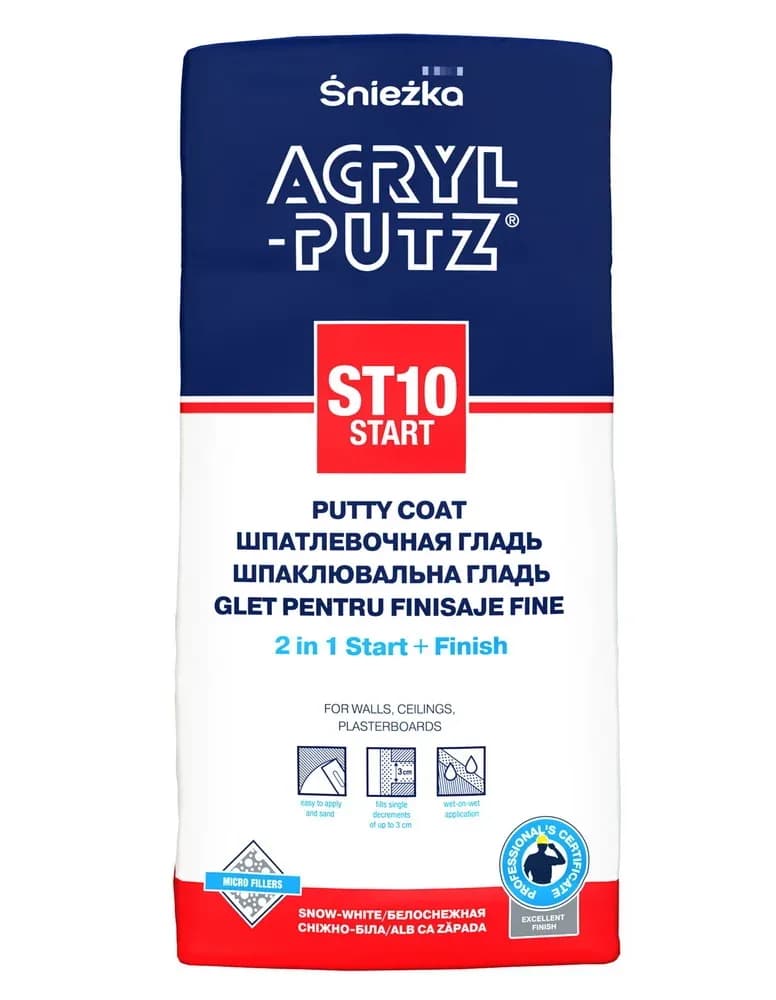
Applied in layers of 3-10 mm. Coarser grain than finishing filler - 0.5-1.5 mm - fills depressions without cracking as it dries.
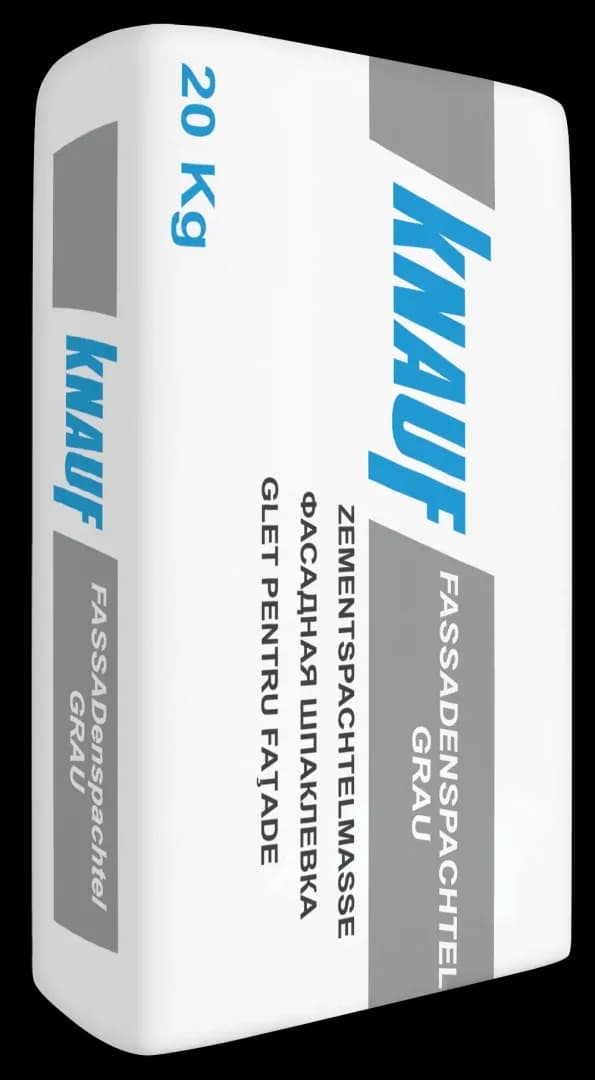
Substrate decides the type. Gypsum base coat - dry rooms: concrete, brick, plasterboard. Easy to apply, sands well, won't tolerate moisture. Cement base coat - bathroom, kitchen, basement, external walls under render. Tough, harder to work, longer drying time. Polymer compound - better adhesion, less shrinkage, good for difficult surfaces.
In older Chisinau buildings - Soviet-era construction, 38 cm brick walls - the base coat can run to 15-20 mm where old plaster has fallen off. Those areas need two applications with drying time between them.
Primer before base coat isn't optional. On old porous concrete or brick without penetrating primer, the base coat detaches after drying.
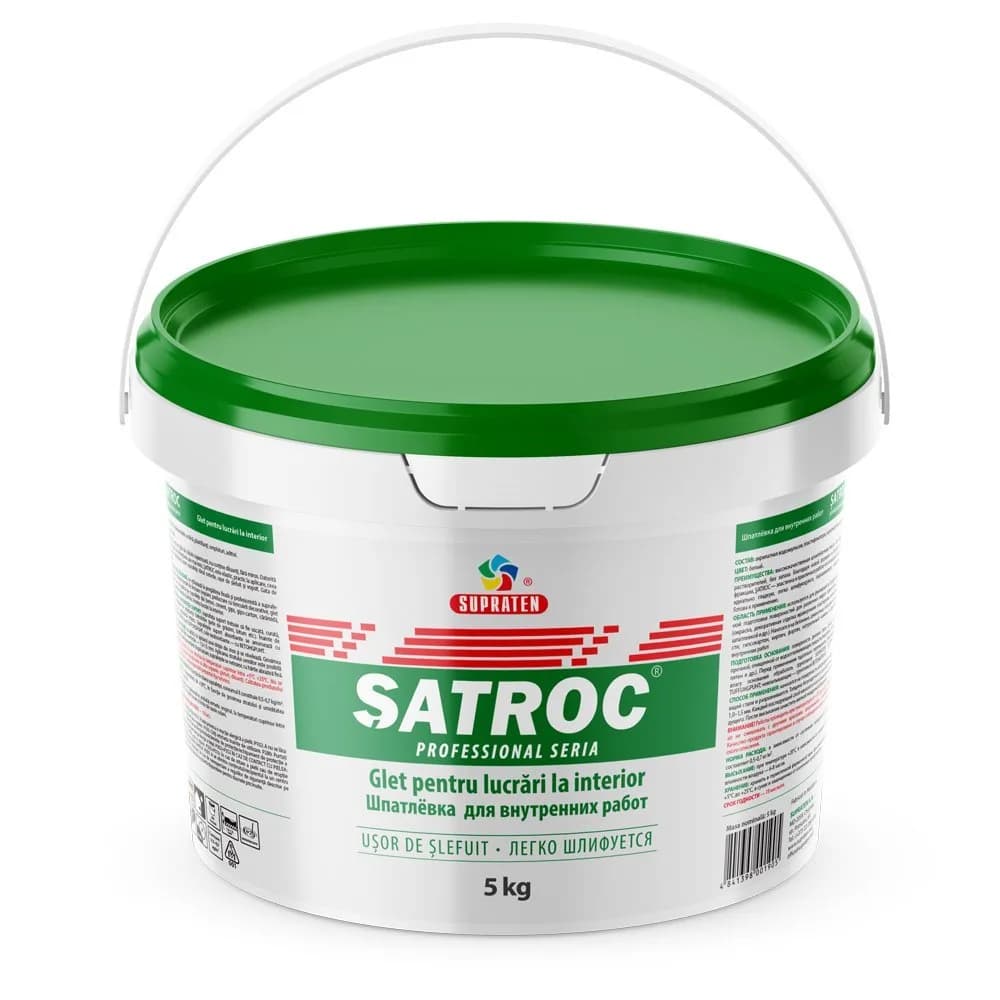
Knauf Rotband, Ceresit - each has its own specs for maximum layer thickness and substrate type. Read the bag before you mix.
Depends on the product - check the label. Gypsum base coats typically allow 5-10 mm per application. Larger irregularities need multiple passes with full drying in between. Applying maximum thickness in one go leads to cracking.
If the old paint is well bonded - sand it, apply adhesion primer, then apply base coat. If the paint is flaking or sits on chalk-based distemper - remove it completely first. Filler won't hold on an unstable surface.
Gypsum base coat needs at least 24 hours under normal conditions. Cement-based types need 48-72 hours depending on thickness and ventilation. Only apply finishing filler over a fully dried and lightly sanded base coat.
Yes. Dried base coat absorbs water from finishing filler unevenly, especially in more porous areas. A coat of acrylic primer after sanding the base coat ensures even absorption and good adhesion for the skim.
Render is for major wall shaping - 10-30 mm layers, cement or lime based. Base coat filler is a finer transition layer, 3-10 mm, with a smoother surface ready for skimming. For unevenness under 10 mm you can skip render and go straight to base coat filler.