Wall render and plaster - types for interior and exterior
You can hear failing plaster. Knock the wall with your knuckle - a hollow thud means it's detaching. In Chisinau's older apartment blocks this is common, not the exception.
Render is the base layer that shapes the wall surface - typically 10-30 mm thick, sometimes more. It goes on before filler, not instead of it.
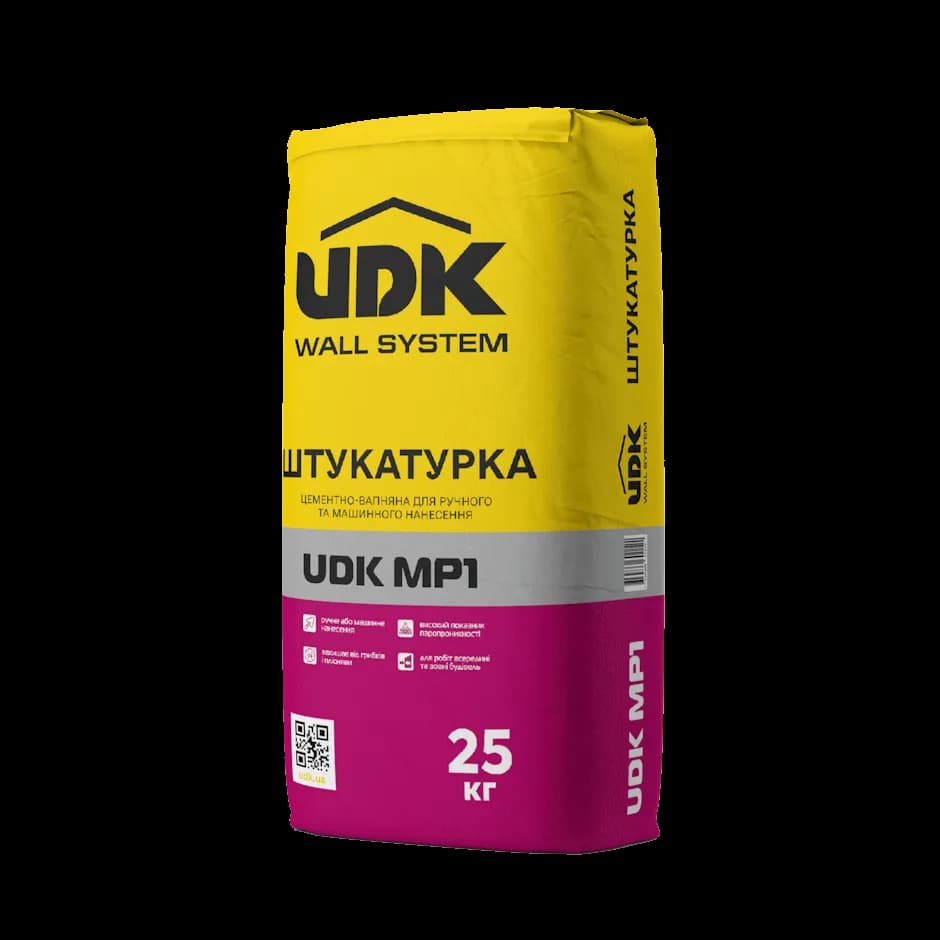
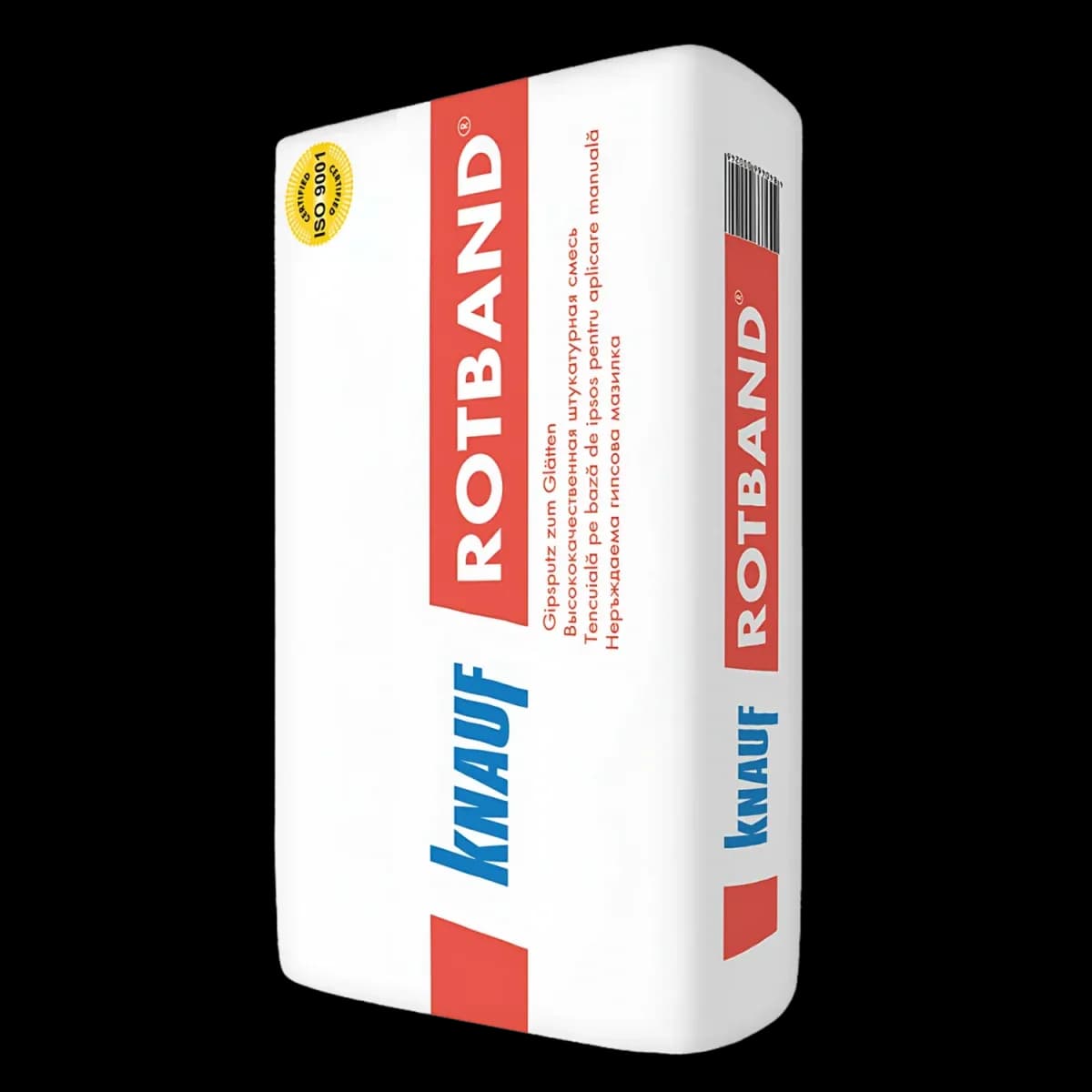
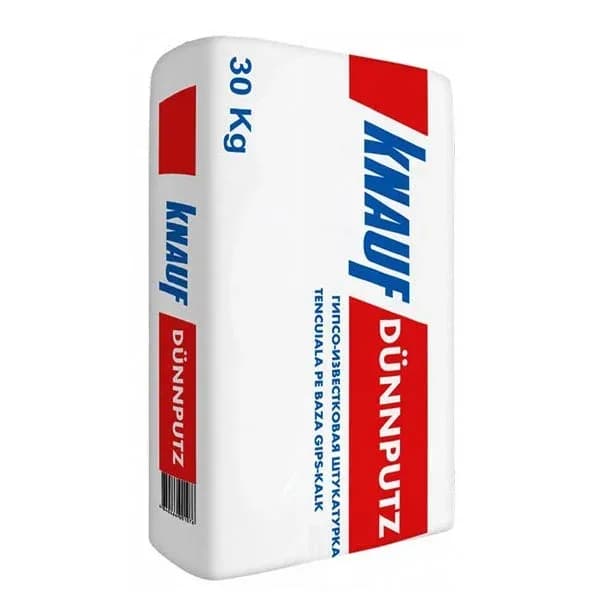
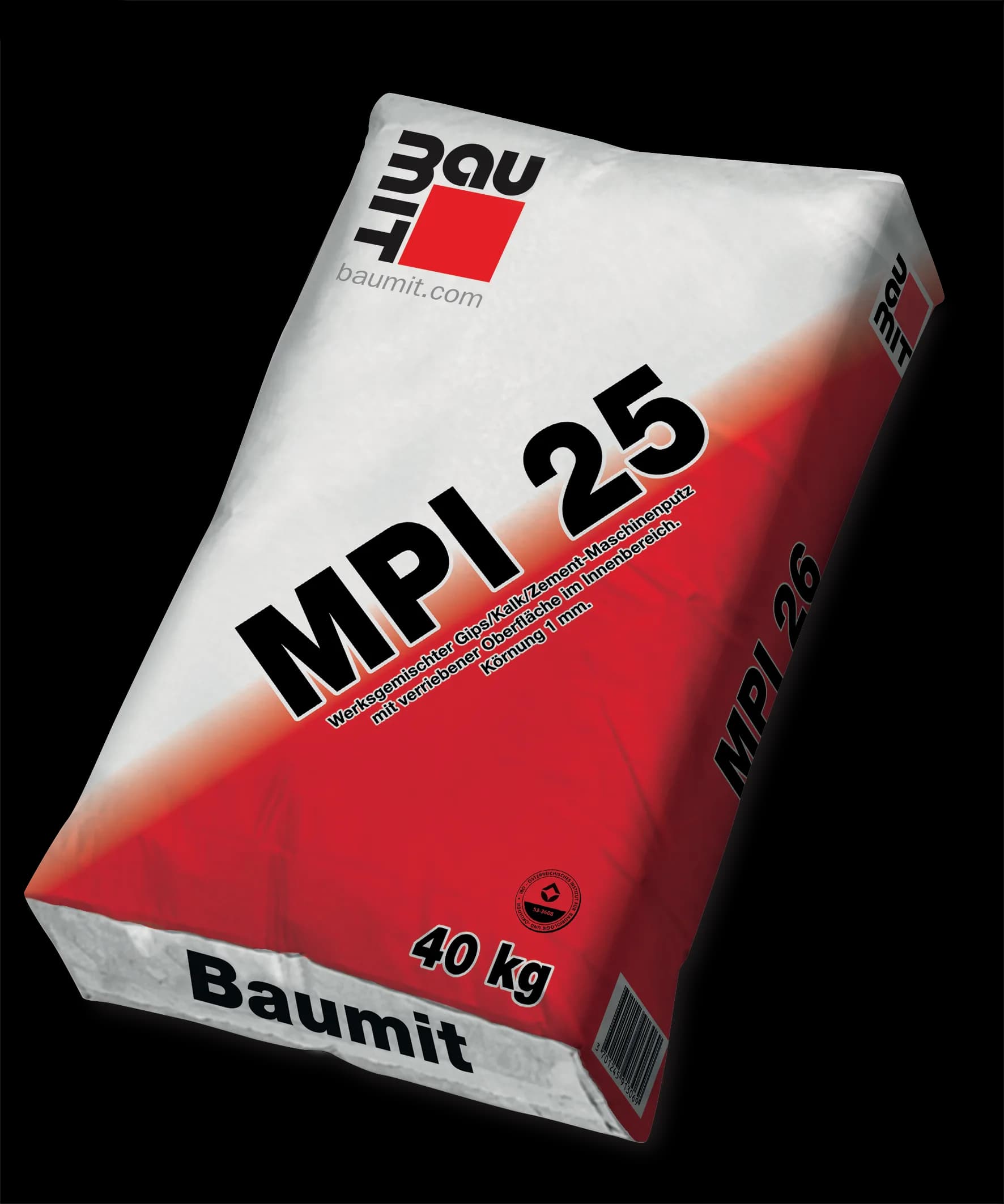
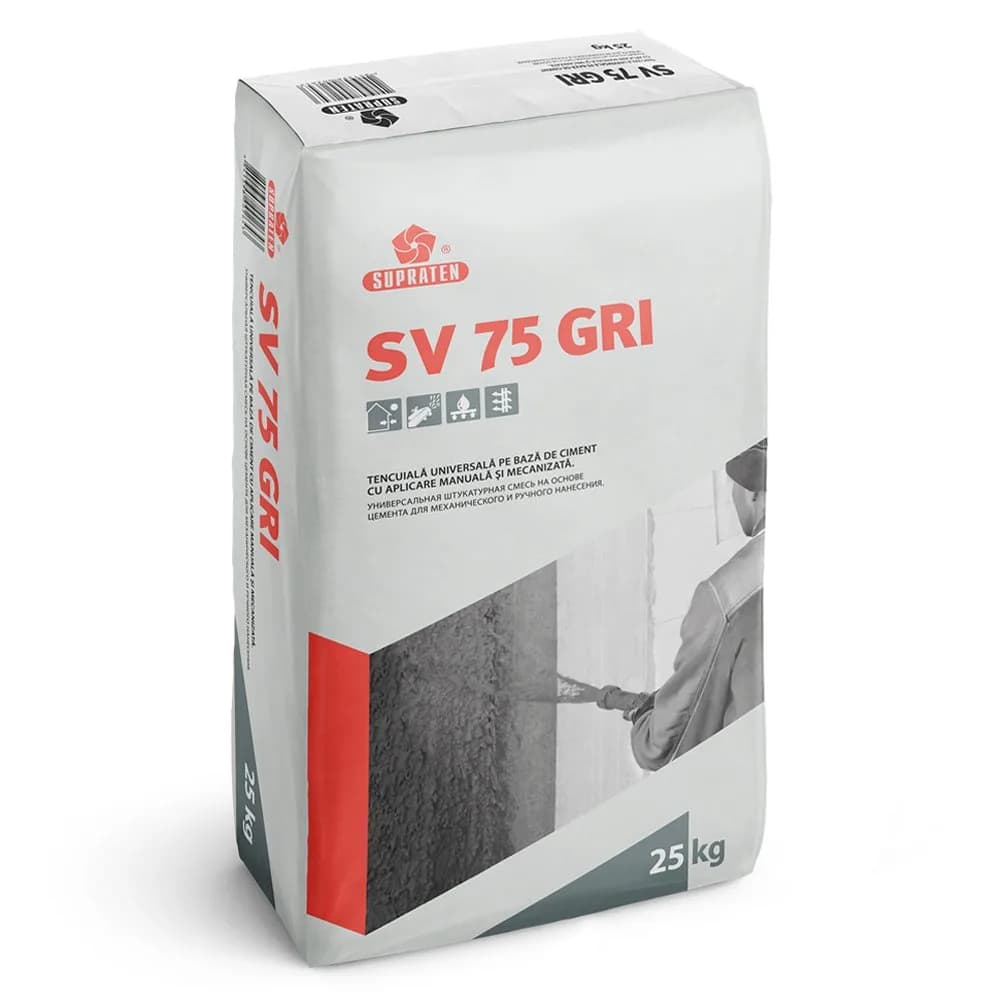
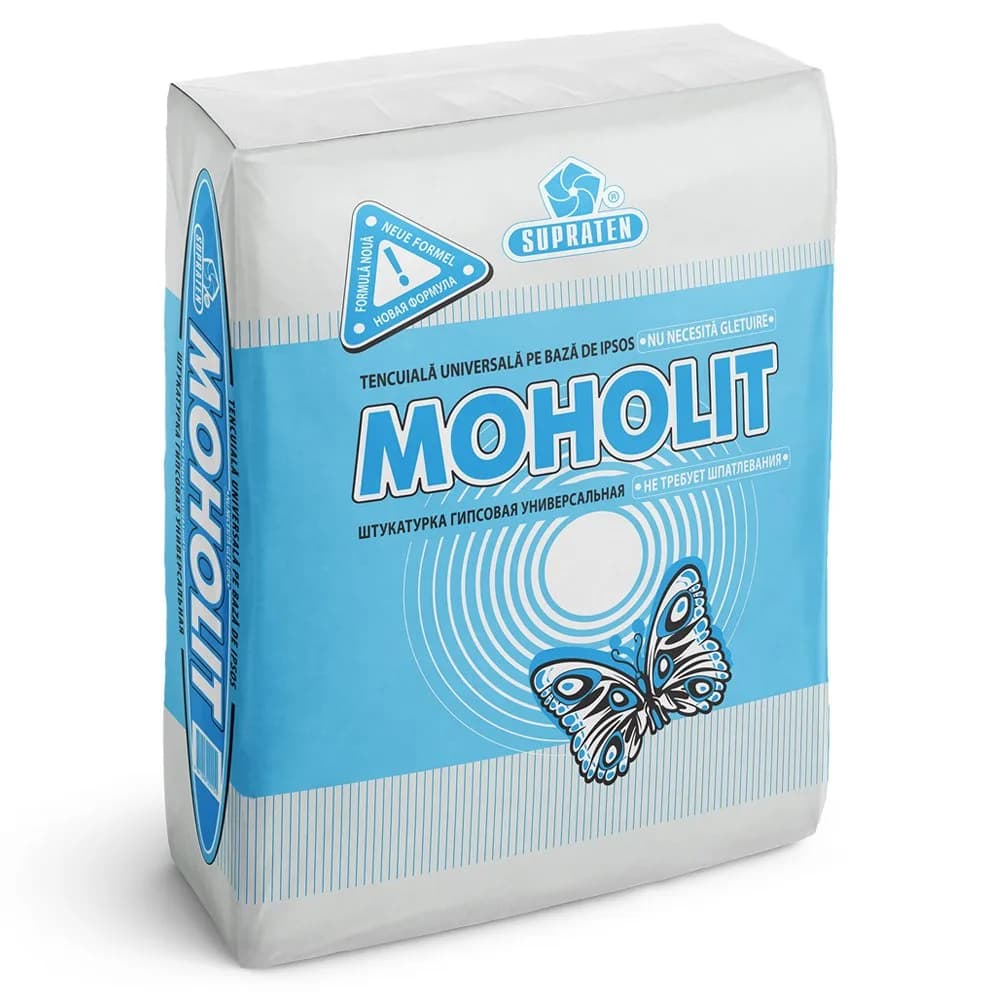
Four main types. Cement-lime render - the most versatile: facades, wet rooms, basements, high-traffic interiors. Good mechanical strength, moisture resistant. Gypsum render (Knauf Rotband) - dry rooms only, easy to apply, dries faster, good base for skim coat, but can't handle moisture. Lime render - vapour permeable, ideal for old stone or brick walls, lets the structure breathe. Cement mixes with additives - frost resistance, water repellency, special conditions.
One mistake shows up often: gypsum render on walls prone to condensation. Corner rooms, end walls of buildings - moisture comes through from inside the wall and destroys the gypsum layer. After one year it blisters and peels.
Primer before rendering is not optional. Clean surface, no dust, even absorption. On bare concrete without primer, render won't bond.
Render is the thick base layer - 10-30 mm - that levels rough walls of concrete, brick, or block. Filler is the thin finishing layer - 1-10 mm - that goes over dried render to create a smooth surface for painting. They don't replace each other.
For facades in Moldovan climate with freeze-thaw cycles, use cement-lime render or a hydrophobic mix. Gypsum render on exteriors is off the table - water destroys it fast. Check the bag for frost resistance and moisture resistance ratings.
Yes, with correct preparation. Concrete needs to be keyed (sanded or hacked), dusted clean, and primed with penetrating primer or bonding primer (beton-contact). Without prep the render won't bond and will fall off. On smooth concrete, bonding primer is essential.
Minimum recommended is 5-8 mm for proper bonding. Maximum per application varies by product, typically 20-30 mm. For large irregularities (over 30 mm) apply in multiple passes with glass fibre mesh reinforcement between layers.
Gypsum render needs at least 24-48 hours. Cement render needs a minimum of 7 days for full cure, even if the surface feels dry sooner. Don't skim over cement render that's still curing - shrinkage cracks will follow.