Anchors and Expansion Fixings for Structural and Heavy-Load Applications
Wrong anchor in the wrong substrate - a balustrade that falls, a shelf that pulls away, a structure that fails on first load. Not an exaggeration. Physics.
Anchor types in this category:
Chemical anchor (resin + hardener) - for heavy loads in concrete, solid brick, stone. Two components mix in the drilled hole, the threaded rod goes in, you wait for cure time. Pull-out loads up to several tonnes per anchor in solid concrete.
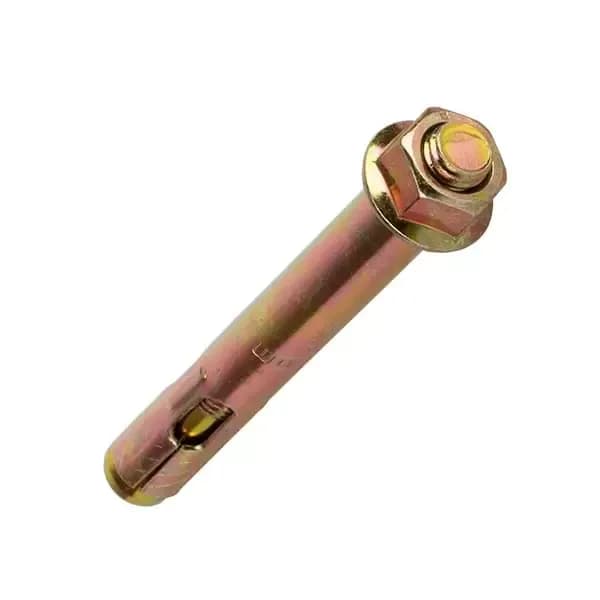
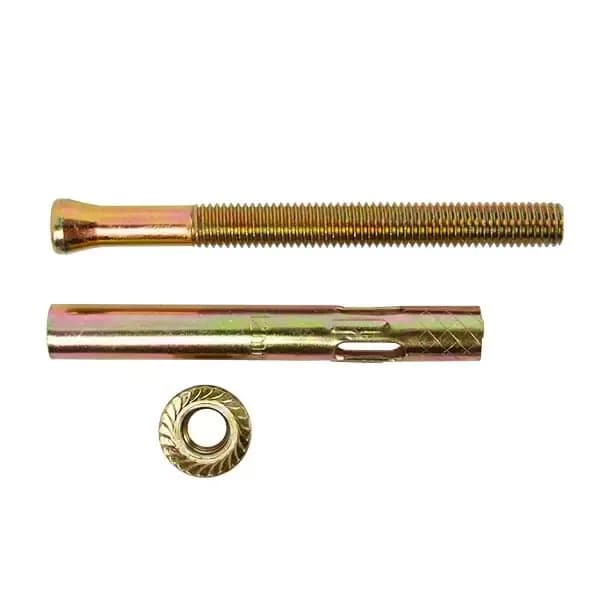
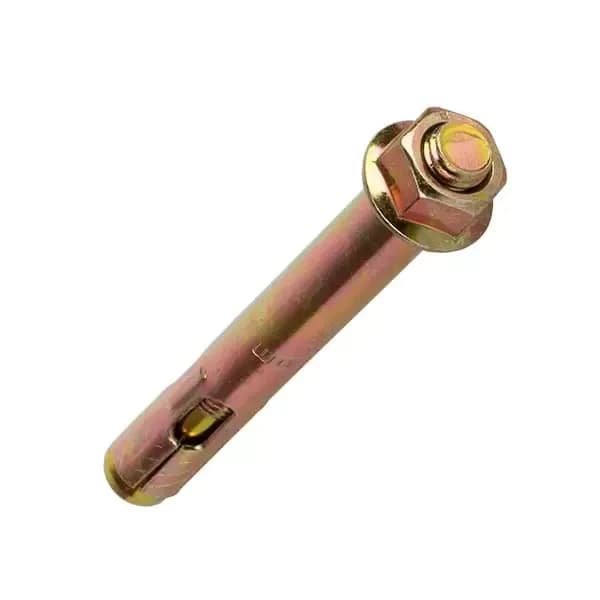
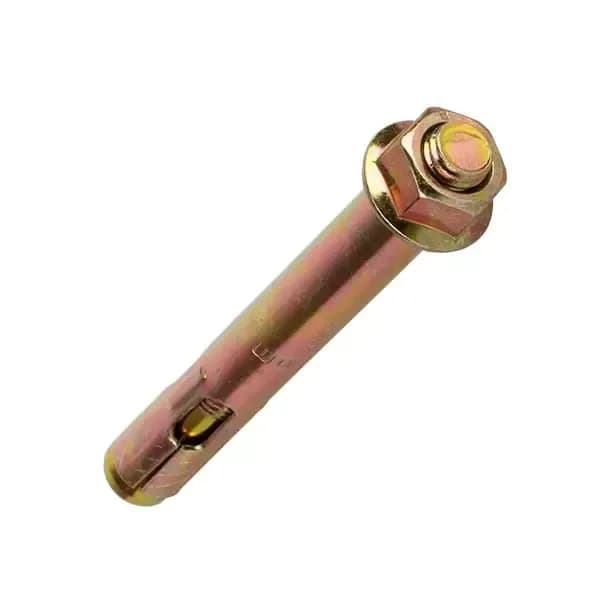
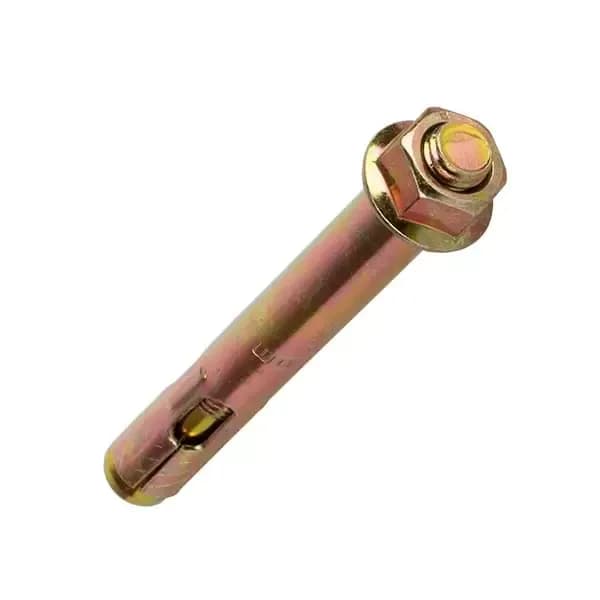
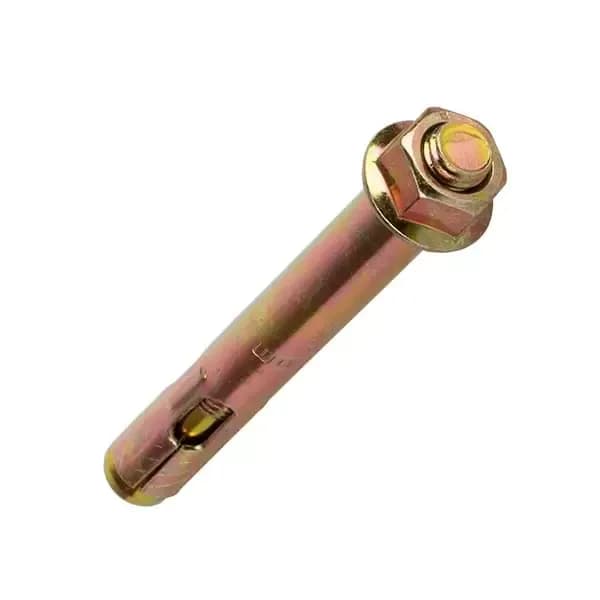
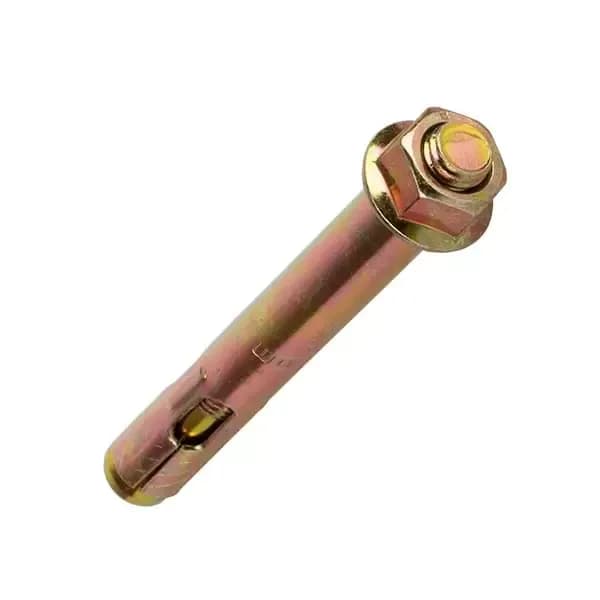
Mechanical expansion anchor - metal sleeve with expansion cone. Insert in hole, tightening the bolt expands the sleeve and locks it. Fast to fit. Limitation: not for porous brick or aerated concrete.
Aerated concrete anchor (Ytong type) - special large-pitch thread, screws directly into aerated concrete without pre-drilling. Standard plugs don't hold in aerated concrete.
Drywall anchor (KIP, Molly, toggle bolt) - for loads on 12.5-15mm drywall. Typical capacity 15-25 kg per anchor.
In stock: Klimas (Poland), Bierbach (Germany), Fischer (Germany - the global fixing standard).
Chemical anchor distributes load across the full bore surface - higher capacity, better in cracked or fragile materials. Mechanical expansion works by point clamping - faster to fit, suitable for dense concrete and solid brick. In cracked concrete or aerated blocks - chemical is more reliable.
KIP anchor with long screw or toggle bolt for loads up to 20-25 kg. A standard plug spins in drywall and doesn't hold. Molly bolt (expanding claw type) is more solid and recommended for items subject to vibration or sideways load.
No. Expansion anchors crush the porous aerated concrete when they expand - near-zero pull-out resistance. For aerated concrete use specialist large-pitch thread anchors (Fischer SX type or equivalent) that screw directly into the material.
Depends on diameter and substrate. General rule: embedment depth = minimum 10 times the rod diameter. For an M10 anchor in concrete - minimum 100mm useful depth beyond the plaster or finish layer. The manufacturer's TDS specifies the minimum for each product.
Depends on the resin type. Vinylester resins tolerate residual moisture in the hole. Standard epoxy resins require a dry hole. Check the product label - the manufacturer specifies the substrate conditions.