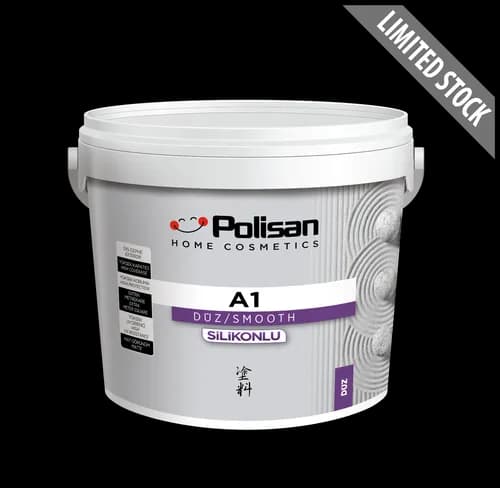
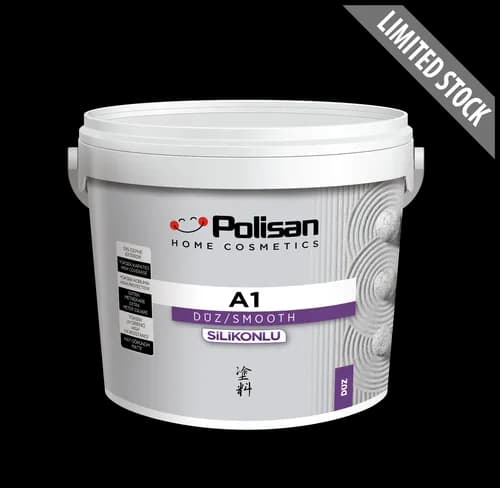
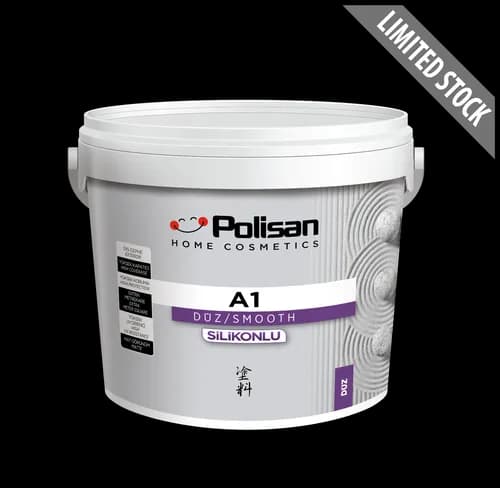
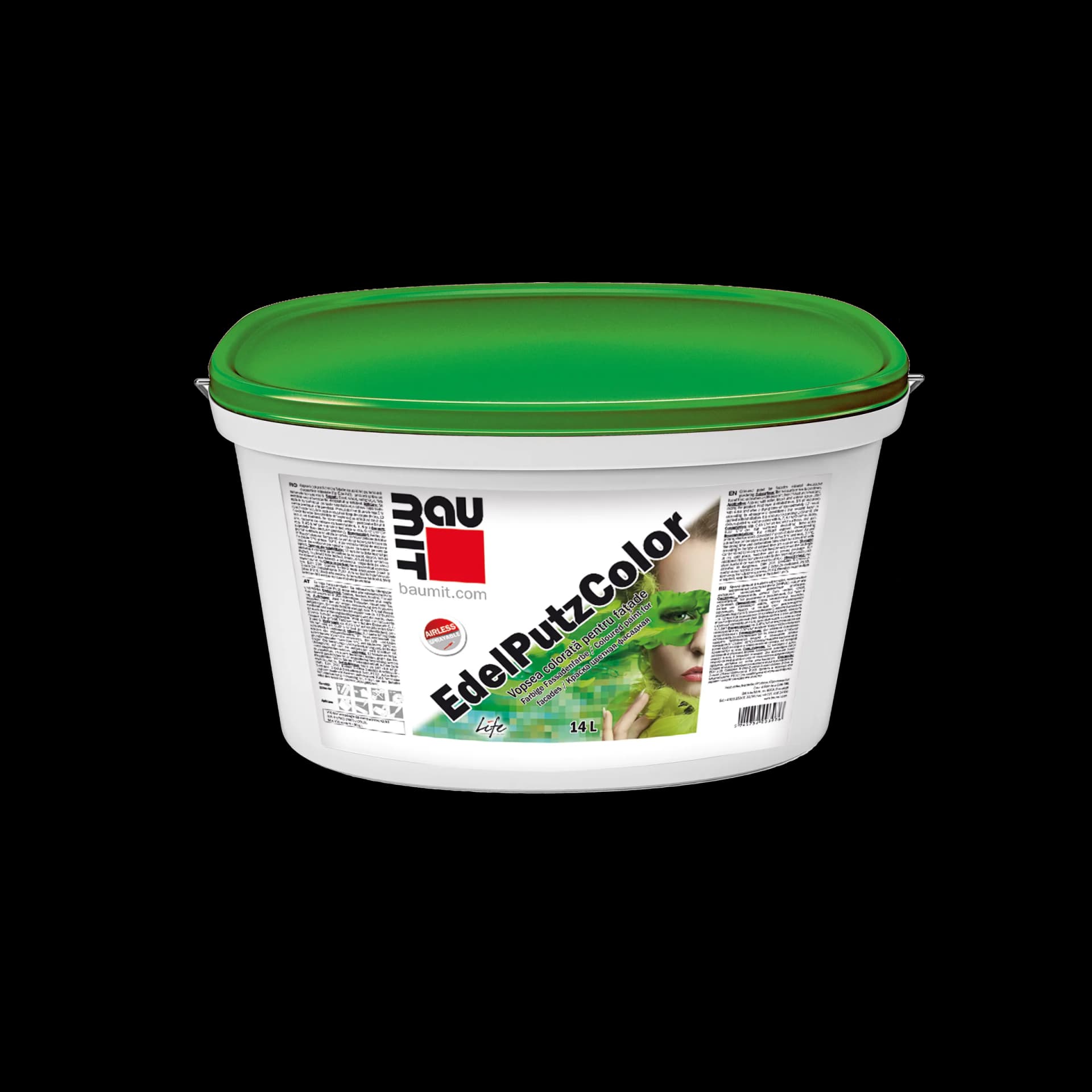
Facade paint - acrylic, silicone, frost-resistant
Did your facade crack last winter? Usually not the paint's fault. Applied on damp render or skipped the primer - that's why it peels after the first freeze-thaw cycle in Chisinau.
Two things matter for exterior walls: the paint's base and its vapour permeability class. Acrylic paints are cheaper, easy to apply, good coverage. Silicone paints cost more but let the wall breathe - essential on older buildings with thin walls where moisture has nowhere to go.
The EN 1062-1 rating W3/V3 is not marketing. W3 means good water resistance. V3 means high vapour permeability. North-facing wall or one with visible damp? Look for both marks on the tin.
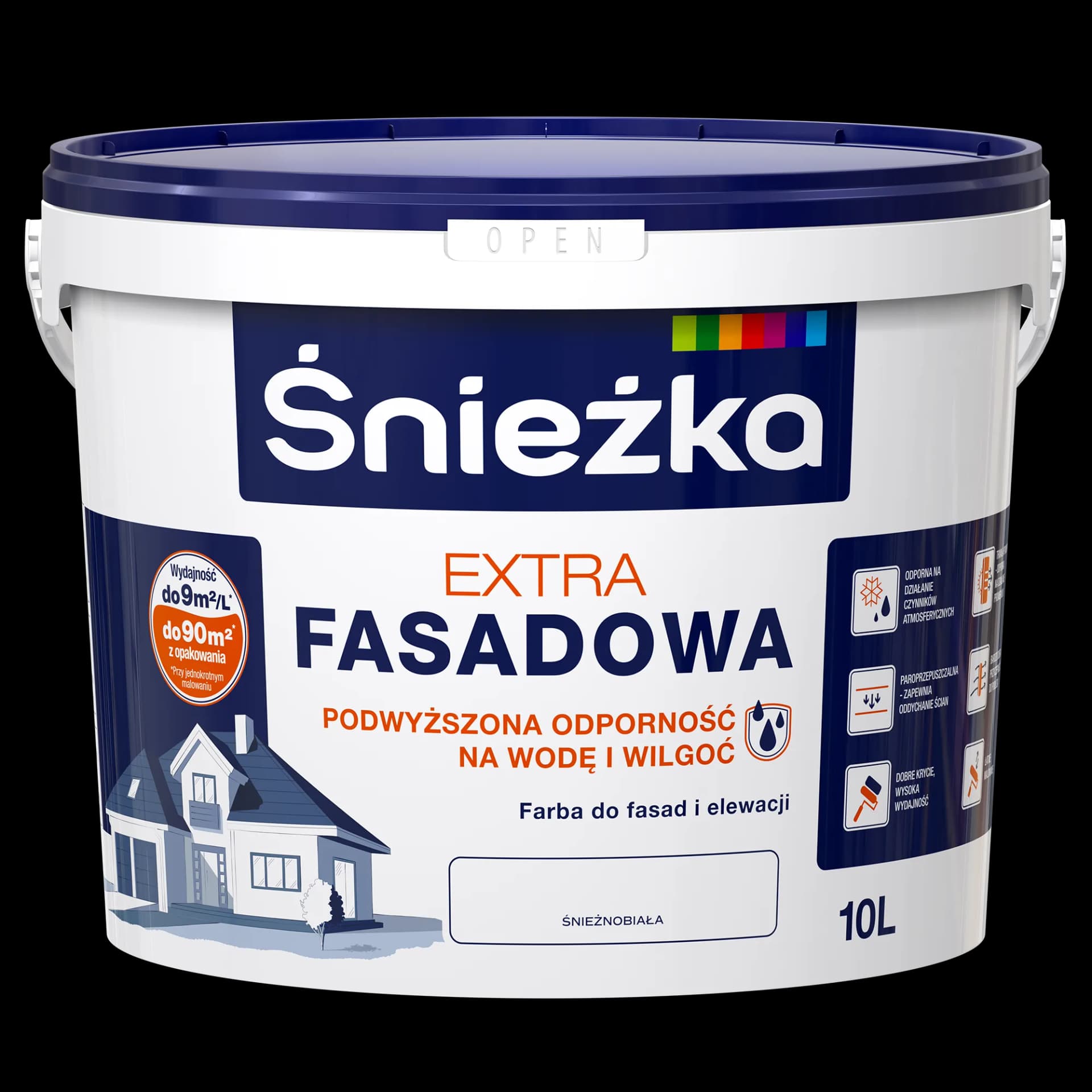
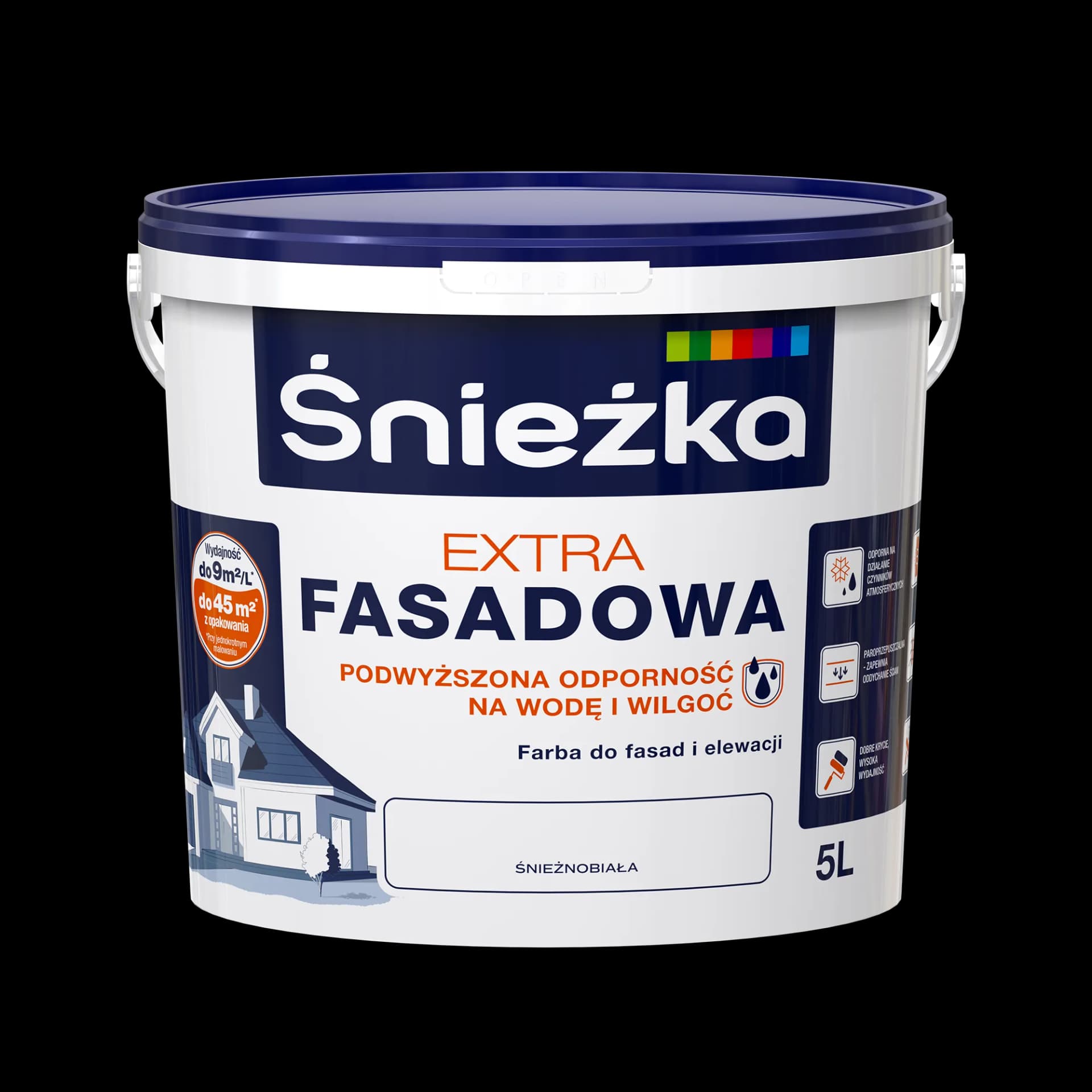
Acrylic facade paints - water-based dispersion, UV and rain resistance, applied by roller or airless spray. The standard choice for most renovation jobs. In stock: Caparol AmphiSilan (Germany), Sniezka Acrylex (Poland).
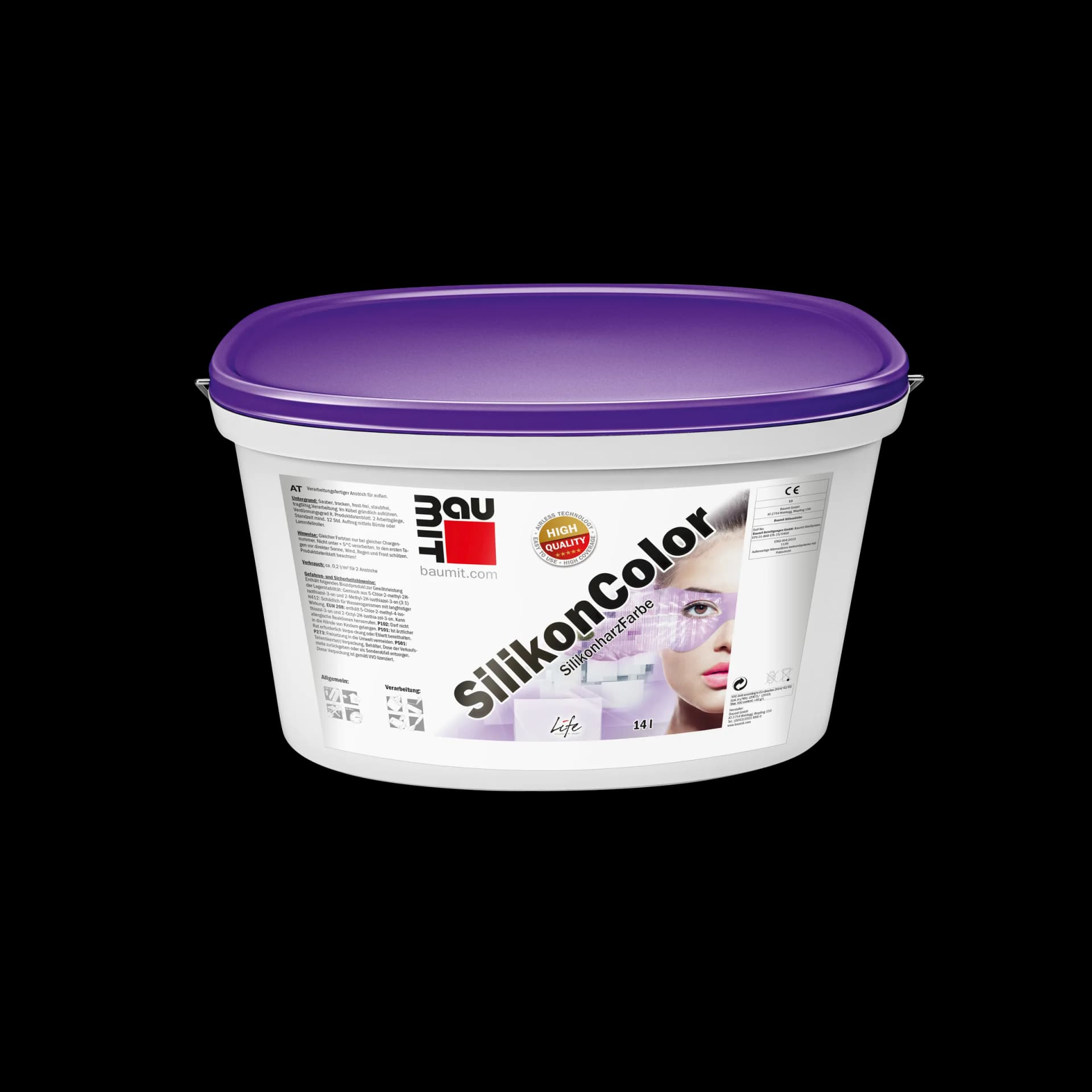
Silicone paints - better on facades with condensation or north exposure. Colour holds longer in strong sun. Less prone to algae and mould over time.
Paints with anti-mould additives - for walls in shade or high-humidity zones. You still need a biocide treatment before painting, but the maintenance interval stretches considerably.
How to calculate. Facade area minus windows and doors, multiply by 2 coats, divide by the spreading rate on the tin. Add 10% for edge losses. Primer is not optional - on old render, paint without it goes on patchy.
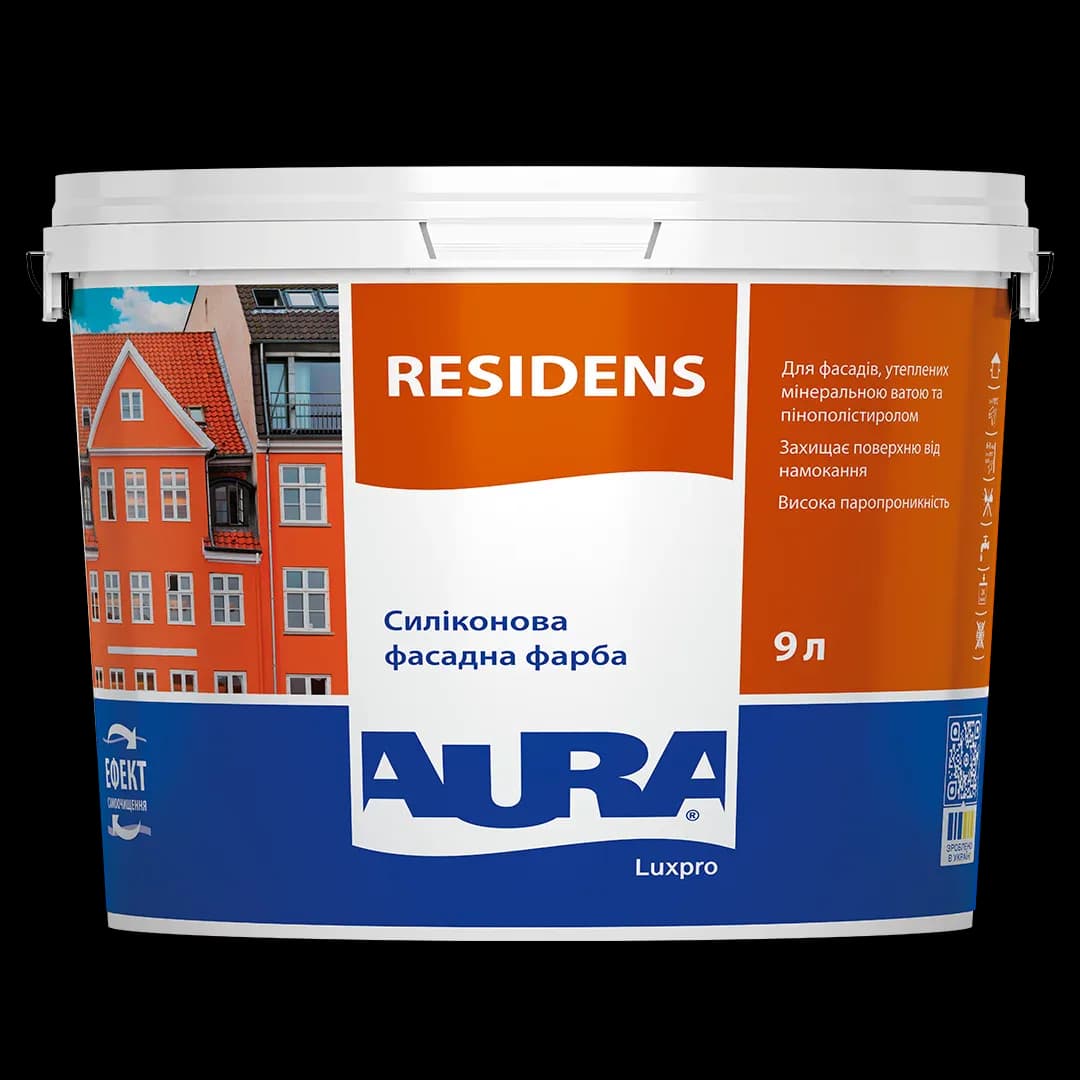
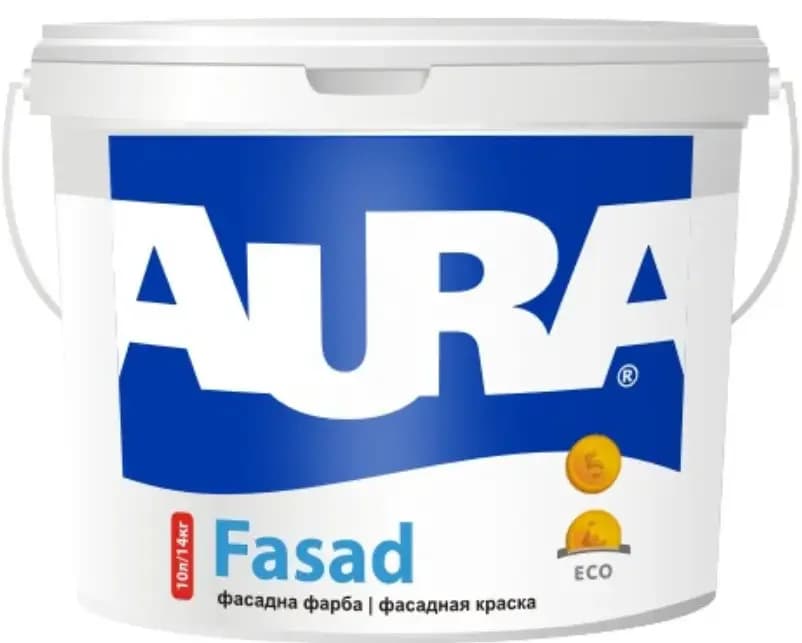
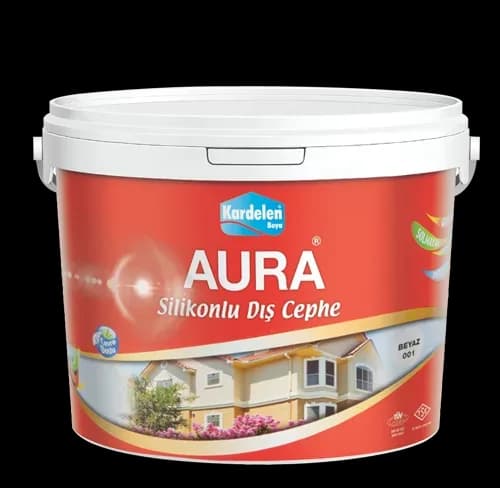
Colorista stocks ranges from Caparol, Sniezka and Aura. Pack sizes from 3 L to 15 L for larger jobs.
For facades you need acrylic or silicone paint with UV, rain and frost resistance. The EN 1062-1 label (W3/V3 or higher) confirms the product is rated for exterior use. Aura Fasad, Caparol AmphiSilan and Sniezka Acrylex are options tested in Moldova climate.
Optimal temperature is +10 to +25°C, humidity below 80%. Avoid painting if rain is forecast in the next 24 hours or when the sun hits the wall directly. Late spring and early autumn are the safest windows in Chisinau.
Acrylic paints cover 6-8 m²/L per coat. For two coats on a 100 m² facade you need 25-30 L of paint plus 8-10 L of universal or penetrating primer for prep.
Yes, always. Primer stabilizes the render, reduces uneven absorption and improves adhesion. On old or chalky walls use a deep-penetrating primer - otherwise the paint will peel within 1-2 seasons.
Choose products with anti-mould additives (look for the anti-mould label) and pre-treat problem areas with a biocide solution. For north-facing or damp facades, silicone paints are vapour-permeable and do not trap moisture.