Polyethylene film and bags - protection and moisture control in construction
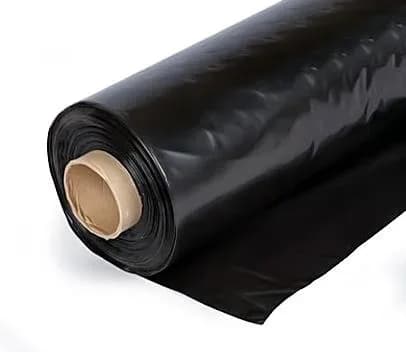
Polyethylene film - the site consumable you buy by weight and pay for in mistakes.
Thickness in microns is the only criterion that actually matters. Not colour, not brand.
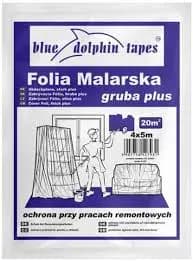
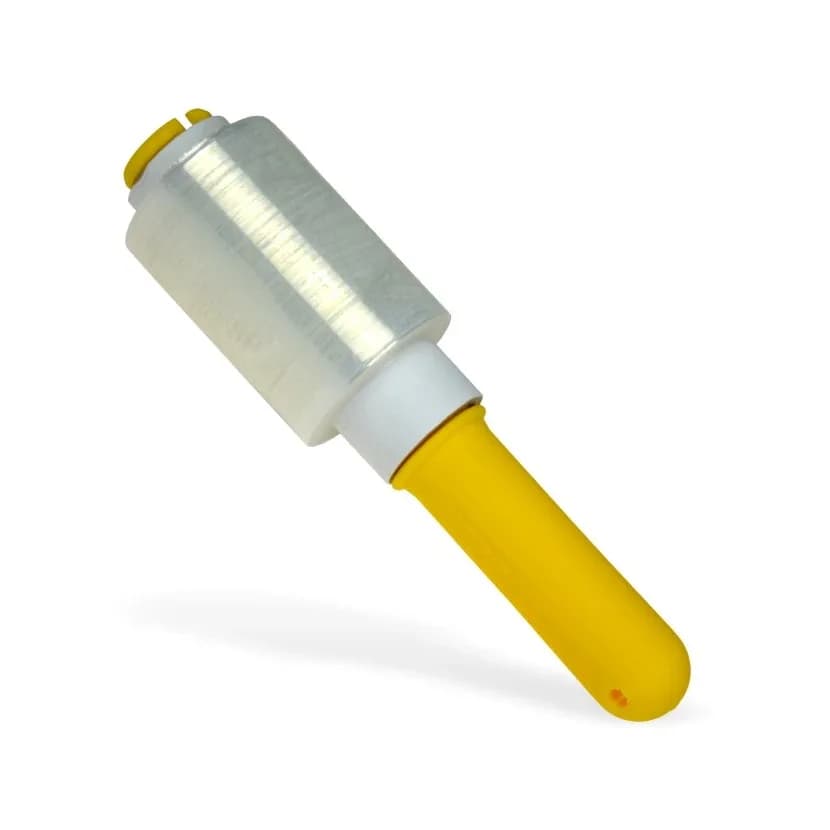
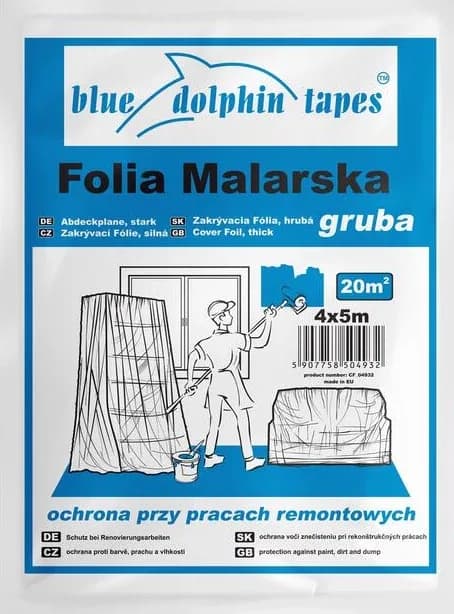
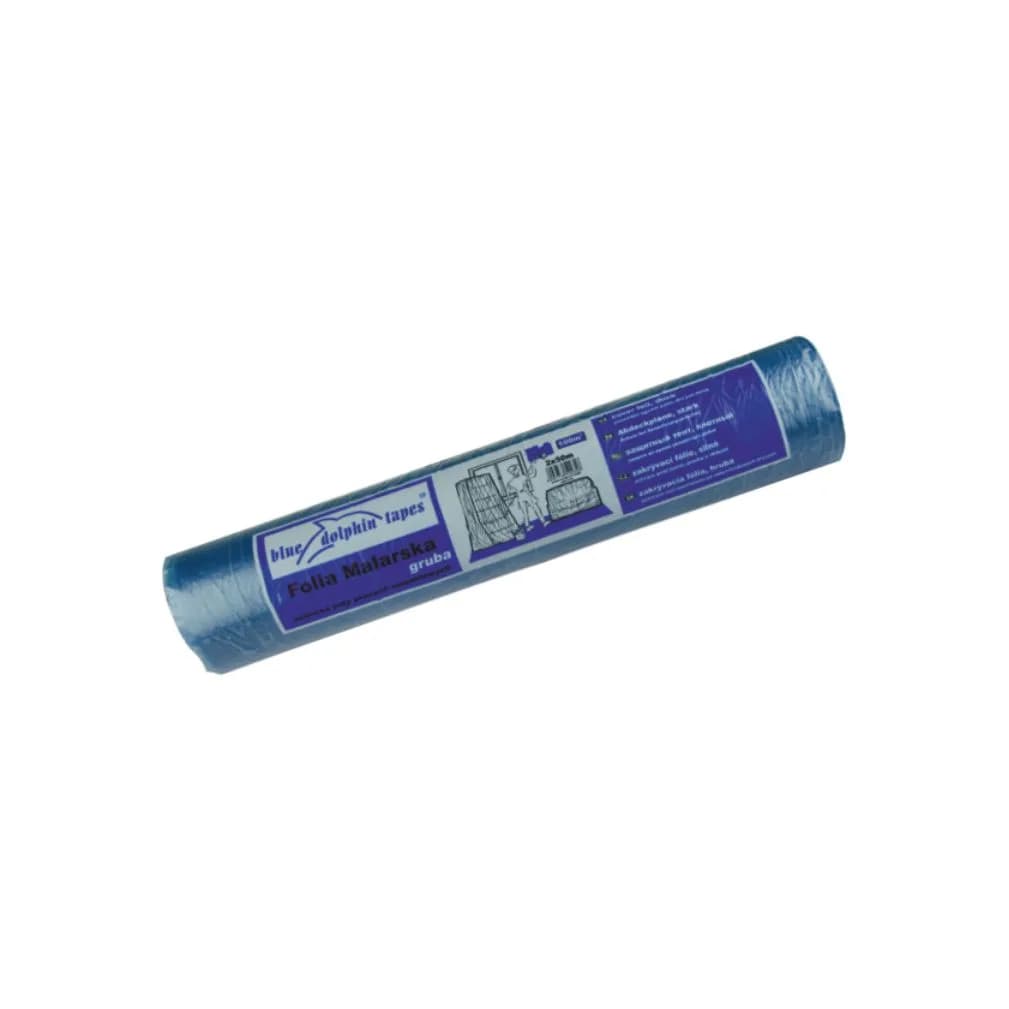
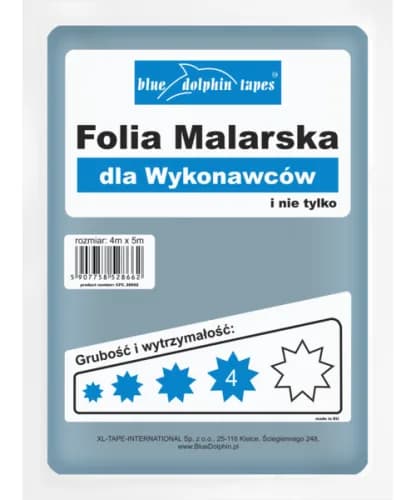
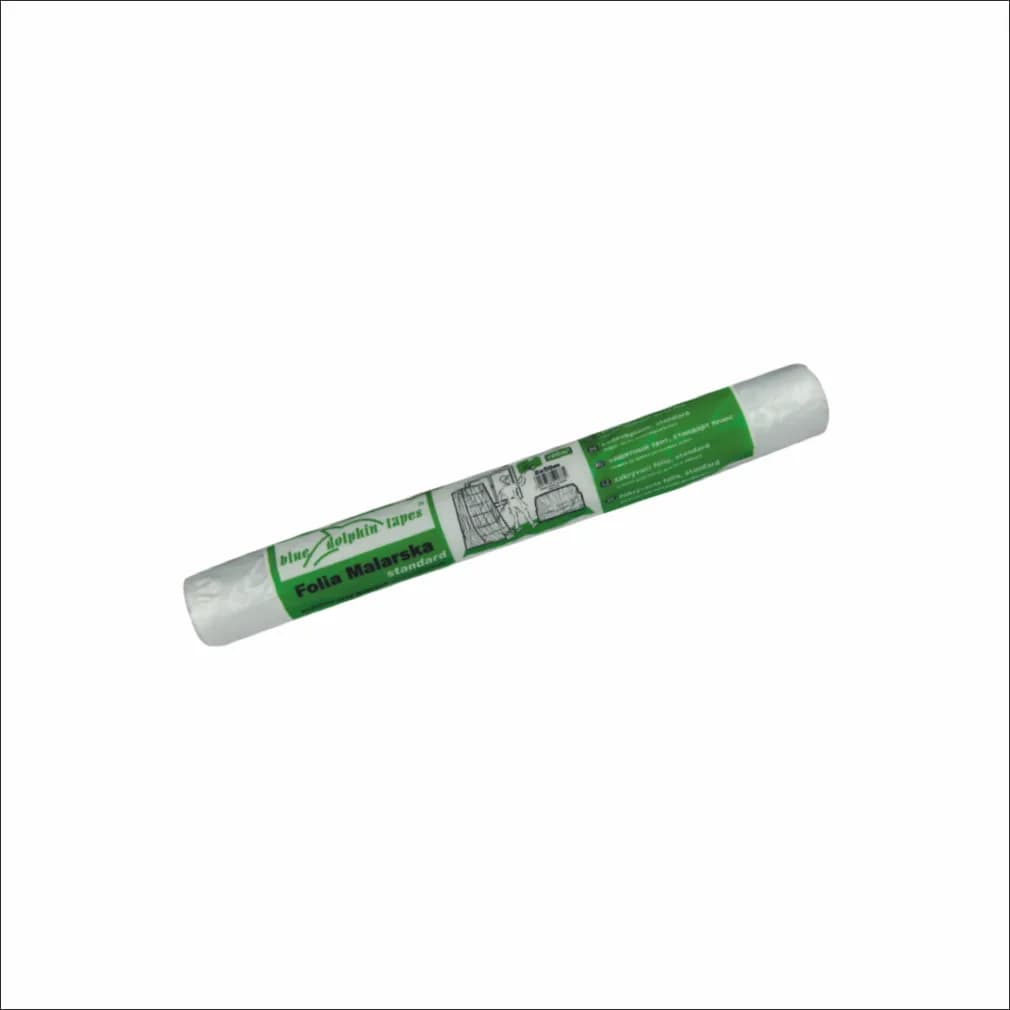
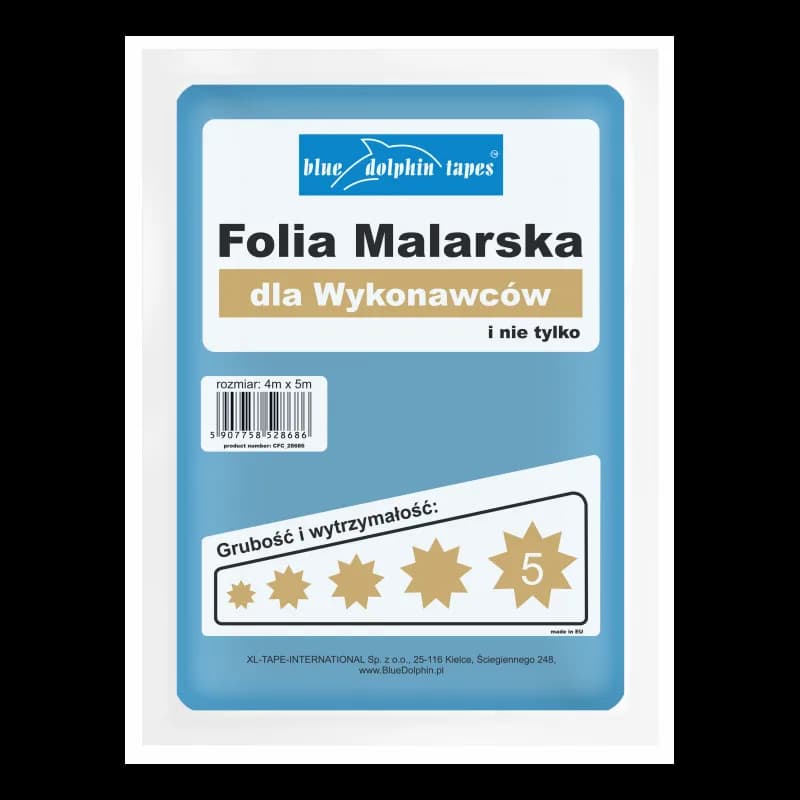
50-80 microns - single-use film, wrapping, temporary floor protection when painting. Tears under a sharp tool.
100-120 microns - medium-term site protection, covering materials outdoors, wrapping heavy items.
150-200 microns - vapour barrier under screed or floating floor. Below 150 microns - moisture passes through and you get condensation under the floor.
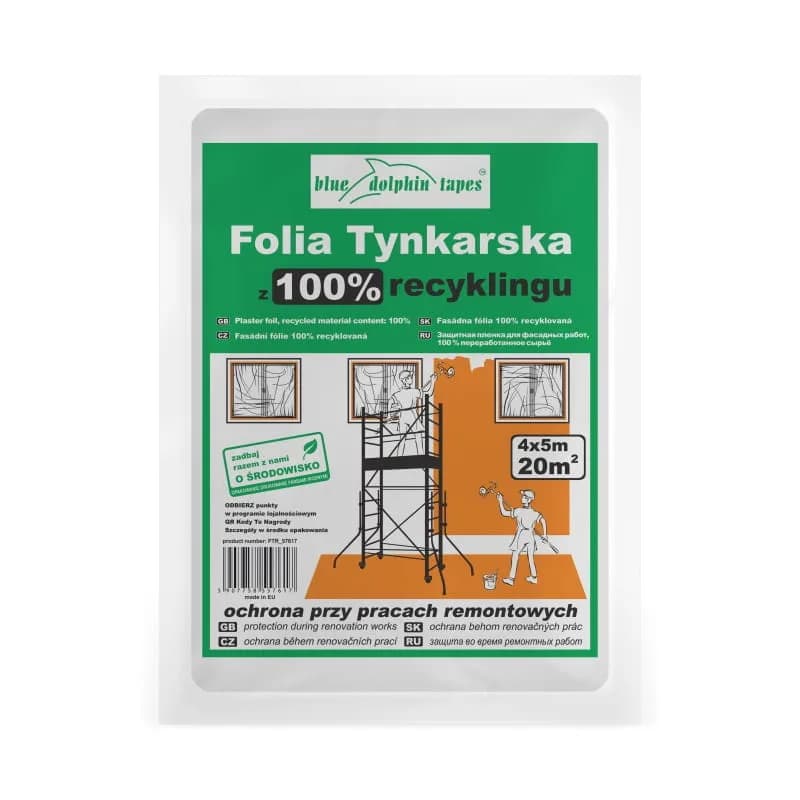
250+ microns - protective sheeting for equipment, windows and finished surfaces during construction. Can take a wheelbarrow on it.
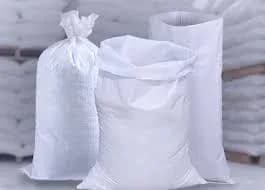
Polyethylene bags - same thickness rules, plus volume in litres. On site, 120-240 litre bags at 50+ microns for renovation waste.
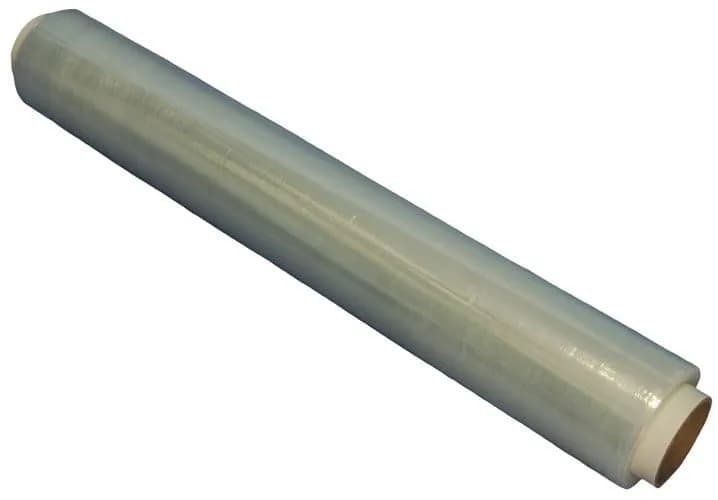
In stock - rolls and sheets, multiple thicknesses.
150 microns minimum for a vapour barrier. Some flooring manufacturers specify 200 microns - check the installation instructions for your specific floor. Below 150 microns, moisture from the screed reaches wood or HDF and causes warping.
Plain PE film doesn't insulate - no air cells. It's a vapour barrier, not an insulator. For thermal insulation - mineral wool, polystyrene, polyurethane foam. Reflective foil with air gap is different - check the product specification.
200 microns minimum. Run it up the walls by at least 20 cm and fix with tape. For high basement humidity - geomembrane at 400-500 microns or dedicated waterproofing systems.
Standard PE degrades under UV - whitening and brittleness after a few months in direct sun. If UV resistance is needed - UV-stabilised film (marked UV). Check the product label.
Heavy-duty, minimum 50-70 microns, 120-200 litre capacity. Plaster and gypsum are heavy - a thin bag tears on loading. Fill to half capacity for safe carrying.