Gloves and PPE for Painting, Plastering and Construction Work
Right glove for the right job. Latex in solvent dissolves. Knit gloves leave fibres in paint. Heavy work gloves won't let you feel a brush.
Four main types:
Nitrile disposable - good chemical resistance to organic solvents, varnishes, paints. Thin (0.1-0.2mm), good tactile feel. Standard for painters. Change every 15-30 minutes under prolonged heavy solvent contact.
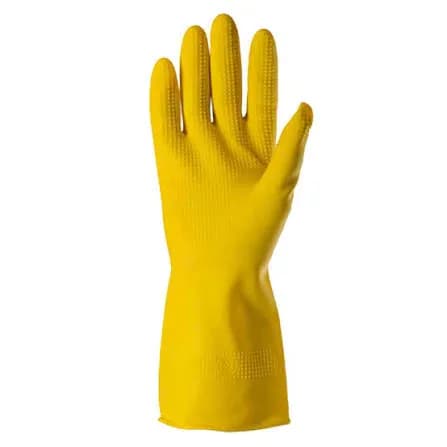
Latex disposable - flexible, cheaper than nitrile. Good for water-based work: emulsion, skim coat, plaster. Note: latex allergy can develop with repeated use over time.
Heavy-duty reusable nitrile - for solvent cleaning, degreasing, repeated chemical work. Wash and reuse.
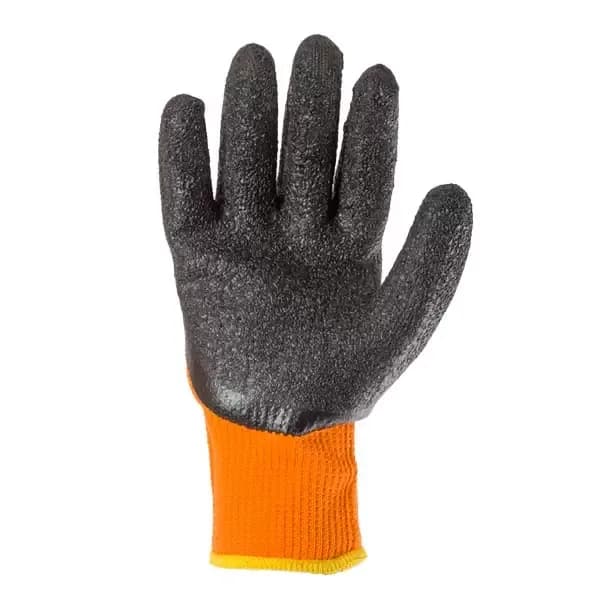
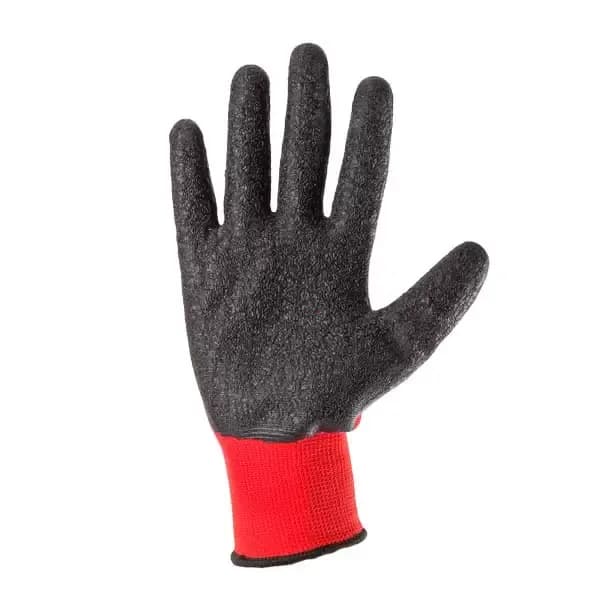
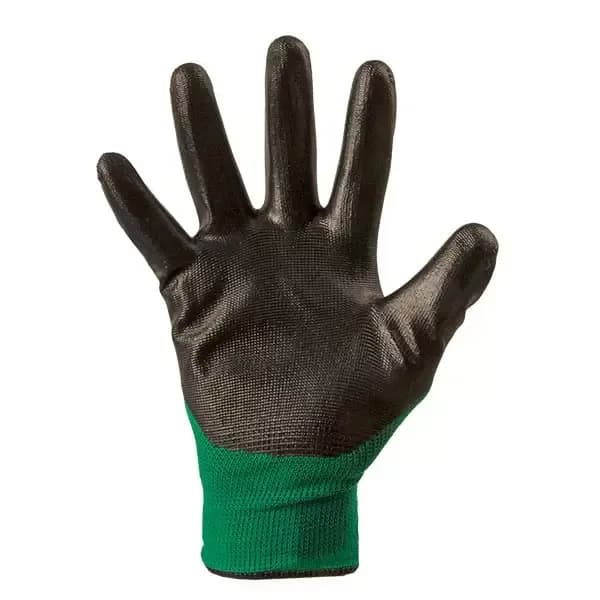
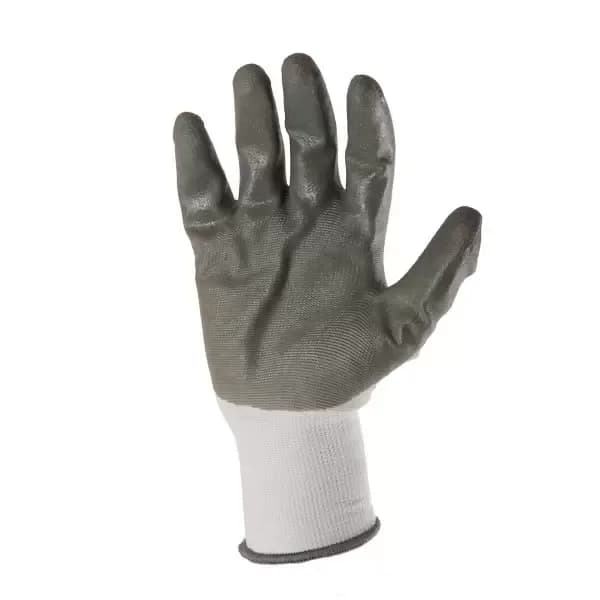
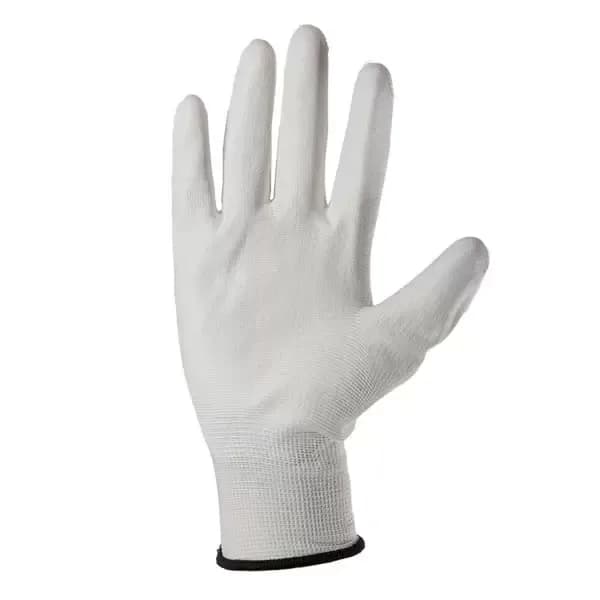
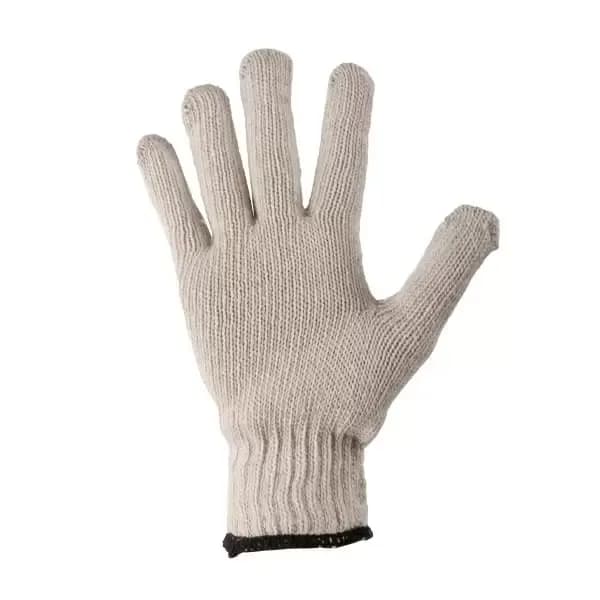
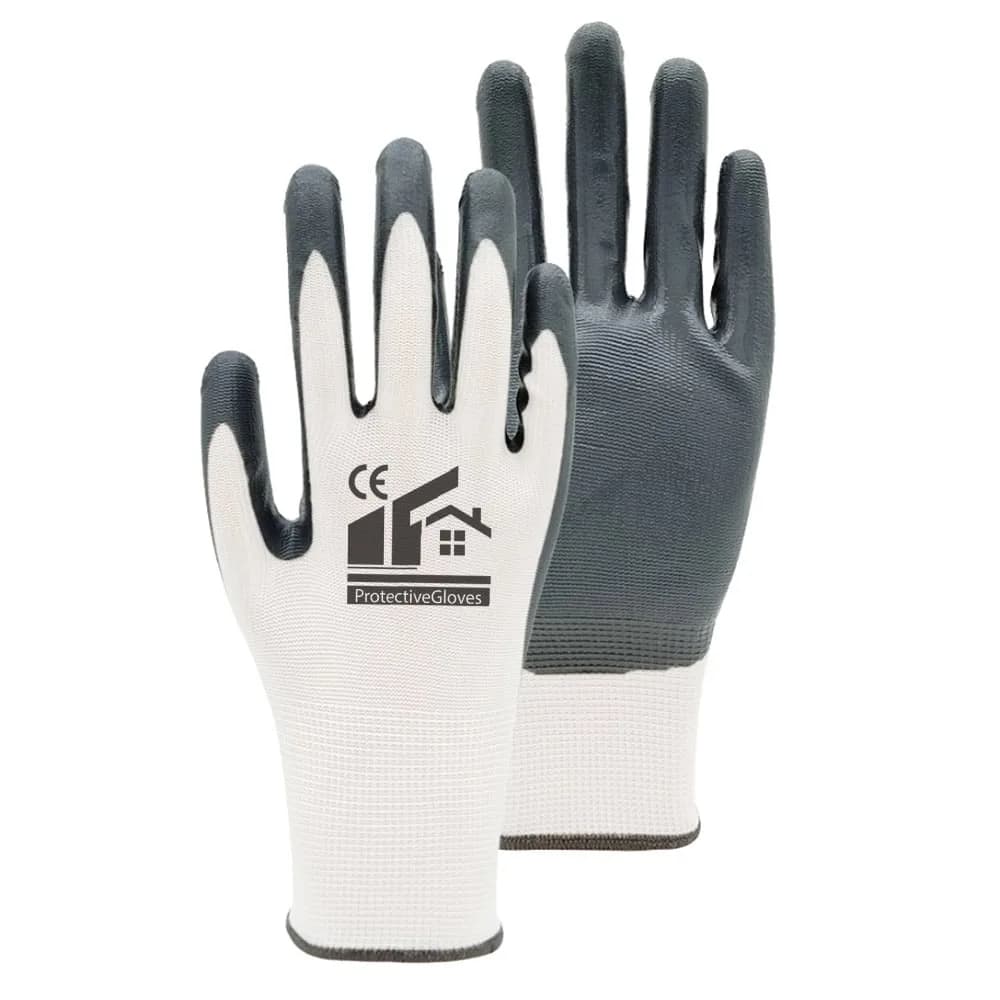
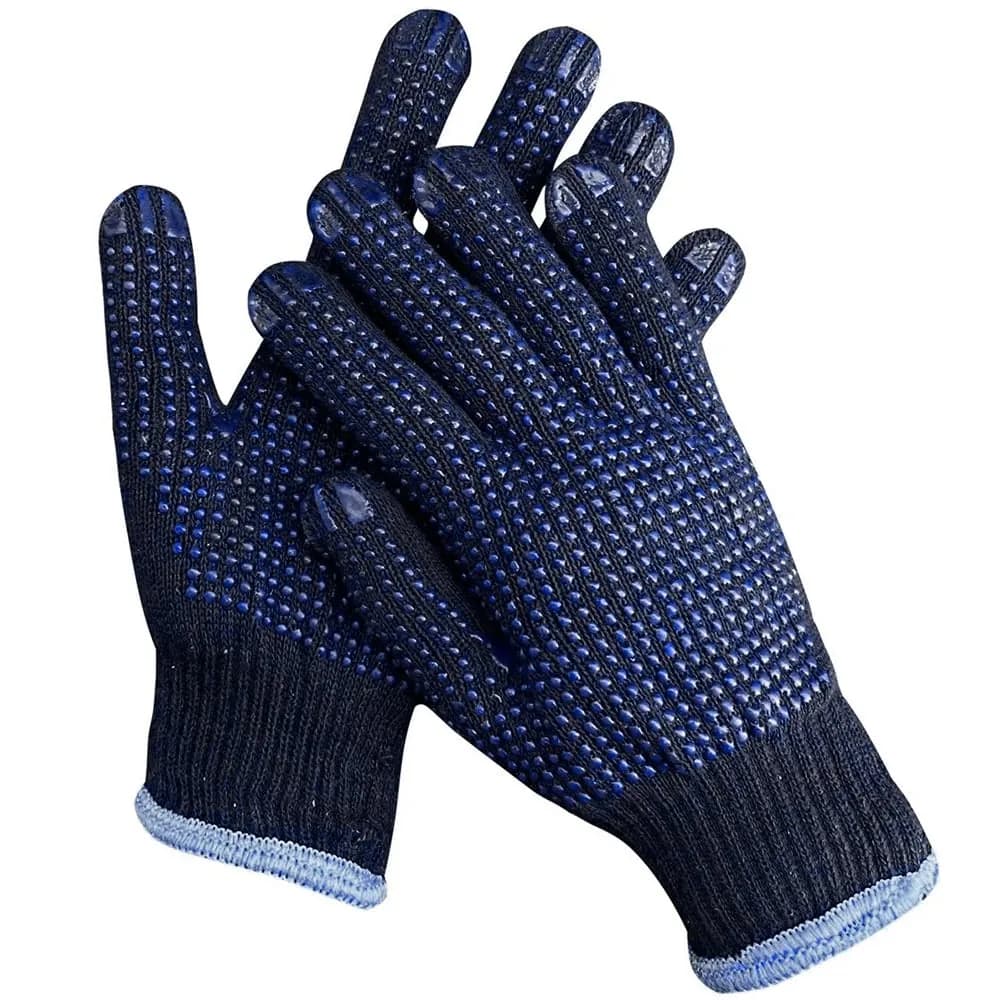
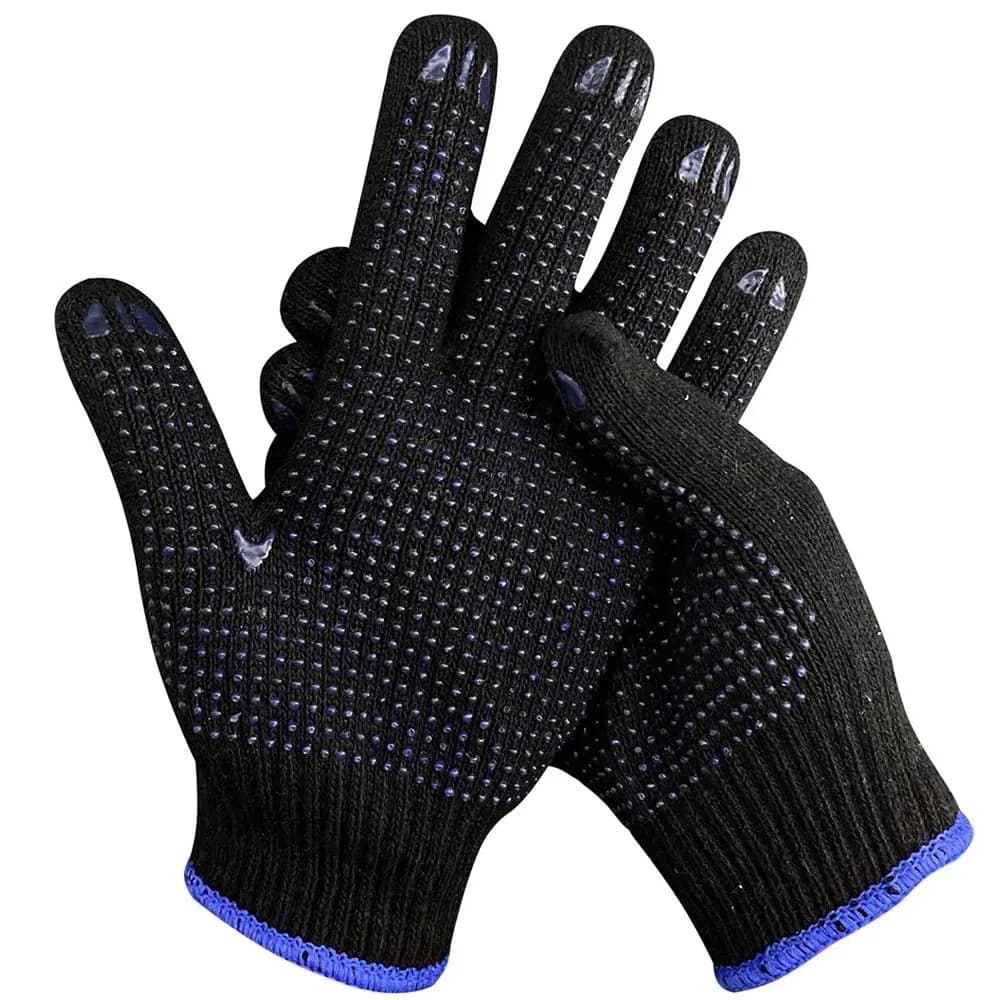
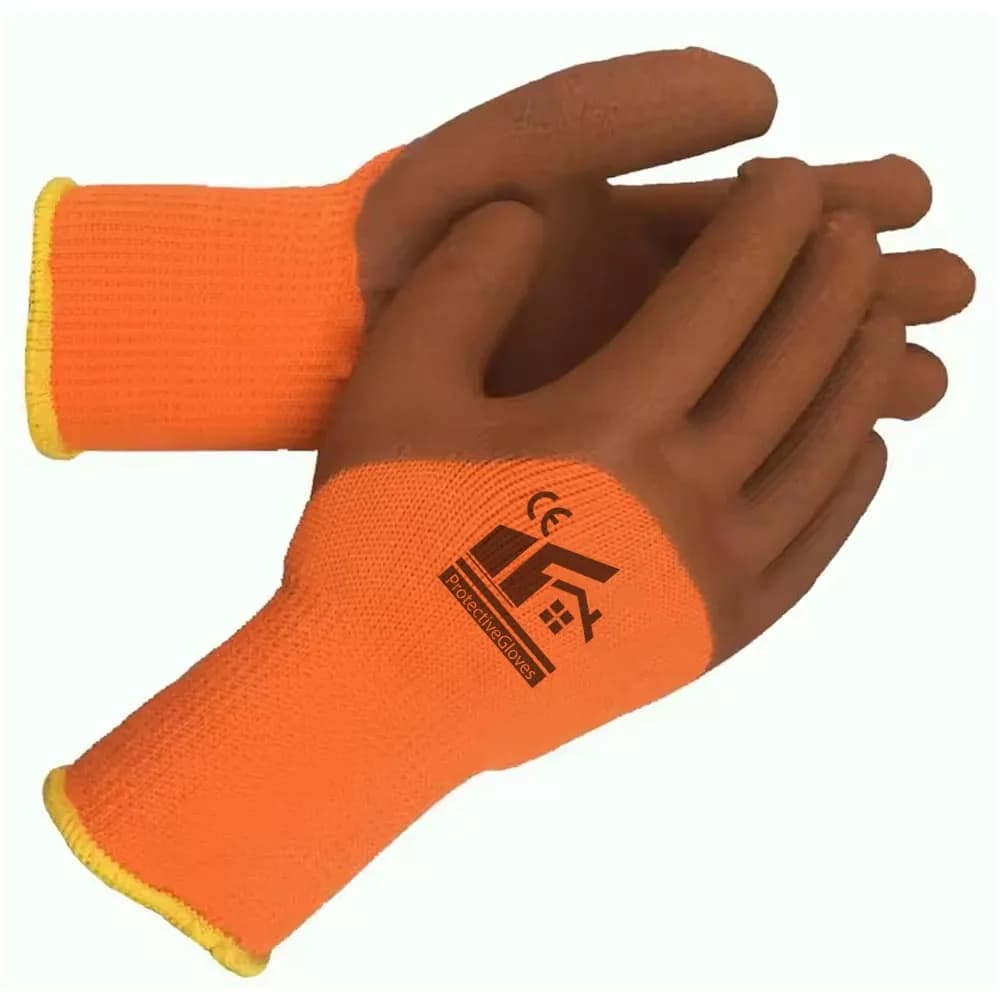
Mechanics gloves (knit with nitrile/latex palm) - for physical site work: carrying materials, cutting, fitting. Protect against cuts and abrasion, not chemicals.
Dust masks and respirators - FFP1 for coarse dust, FFP2 for gypsum and cement dust, chemical respirator for solvent vapour. FFP2 won't protect you from solvent fumes - different problem, different solution.
Nitrile or latex disposables. Water-based paint won't attack the material but stains skin badly and won't wash off easily. Nitrile is more resistant to pigment and doffs more cleanly. Latex is cheaper but can cause allergy with repeated heavy use.
Disposable nitrile handles light solvents for 15-30 minutes. For prolonged work with acetone, thinners or white spirit you need heavy-duty reusable nitrile or neoprene gloves. Standard latex fails in solvents quickly.
FFP1 filters 80% of coarse particles - general construction dust. FFP2 filters 94% - recommended for cement, gypsum and OSB cutting dust. FFP3 filters 99% - for fine hazardous dust. For solvent vapour none of these help - you need a half-face respirator with chemical cartridges.
No. Knit mechanics gloves leave fibres in paint, on brushes and on the wall. For applying any finish coating you need smooth nitrile or latex. Mechanics gloves are for carrying, cutting and mechanical fitting only.
Measure the circumference of your palm in centimetres at the thumb joint. S up to 17cm, M 17-19cm, L 19-21cm, XL above 21cm. A glove that's too loose slips on tools. Too tight and it tears on the first hard grip.