Inspection Hatches and Access Panels for Hidden Services
Water meter is behind the drywall. Isolation valve is behind the tiles. Now what?
An access hatch solves this before you finish, not after. Fitted into the wall or ceiling during construction, it gives access to hidden services without breaking through the finish every time you need to shut off water, read a meter or check a valve.
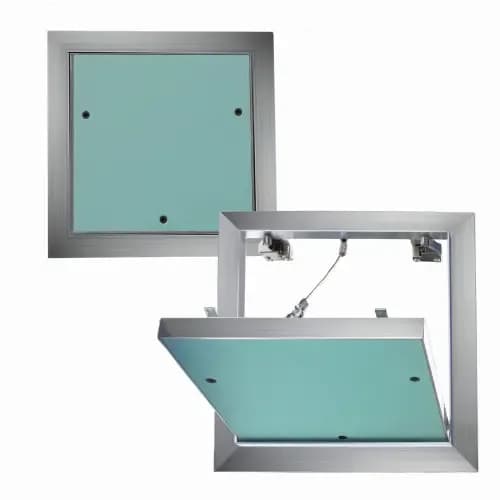
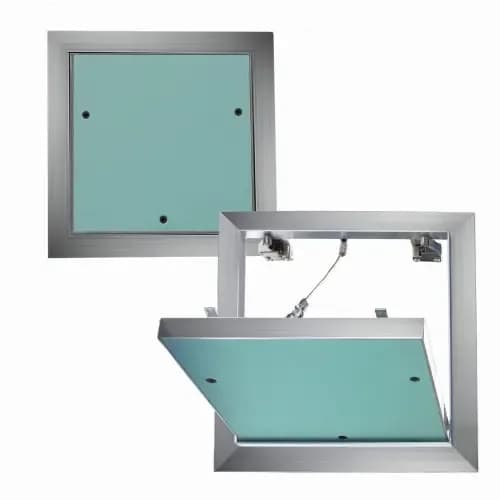
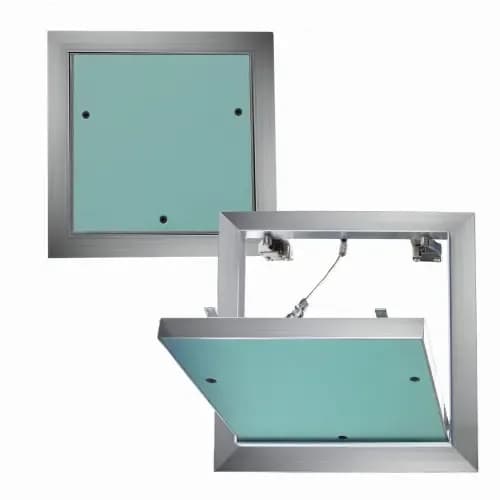
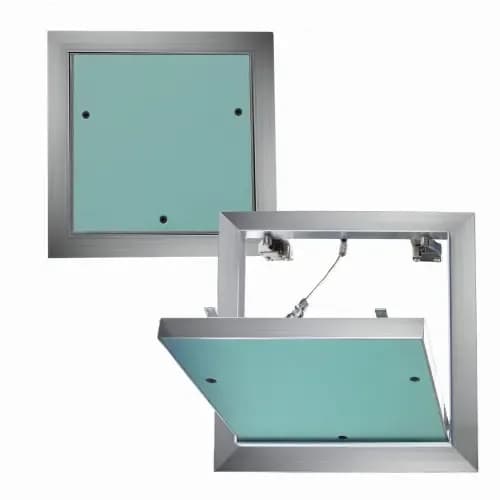
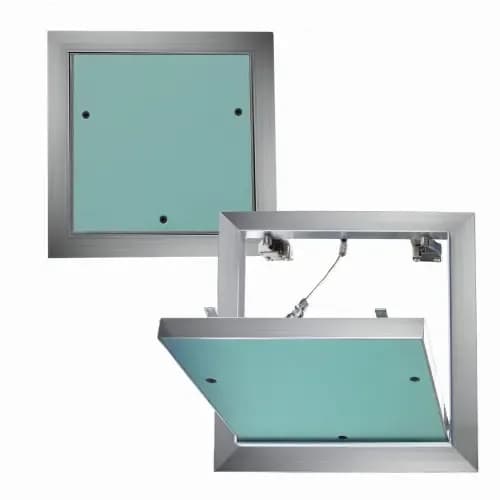
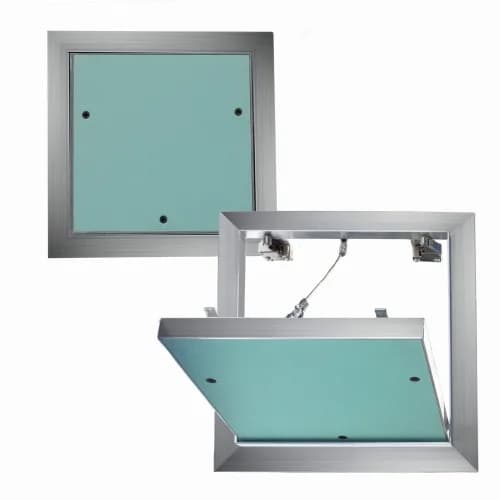
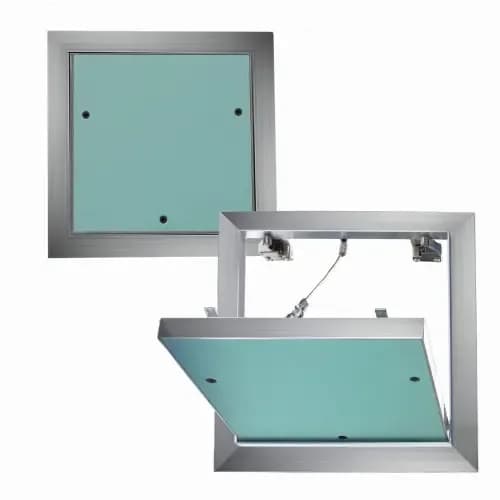
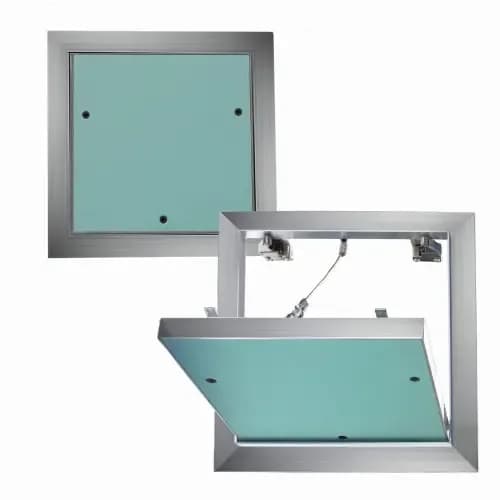
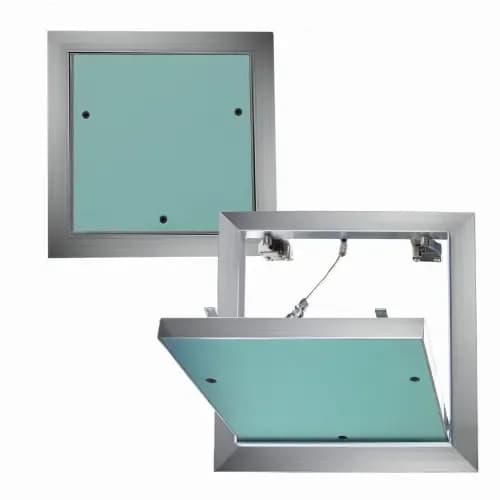
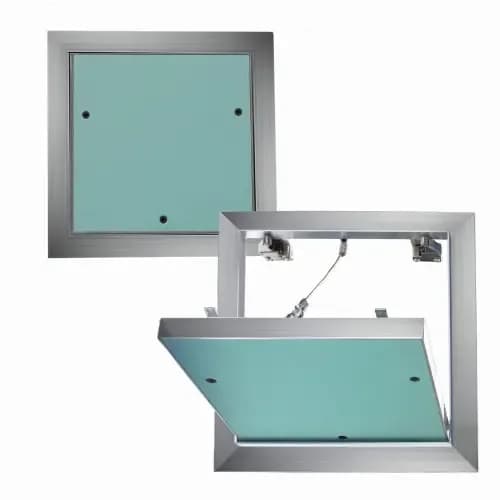
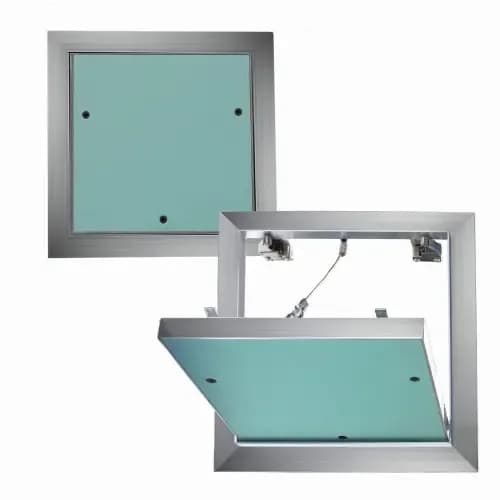
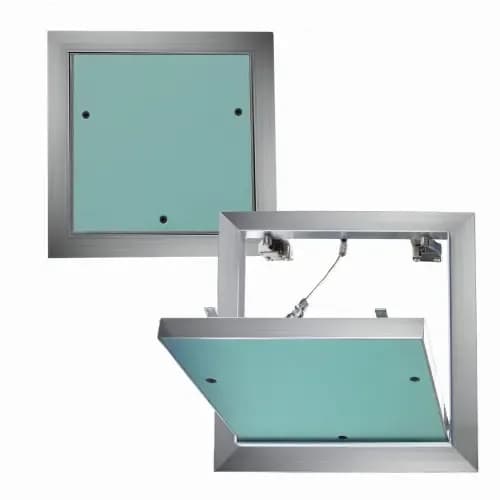
Drywall hatches - galvanised steel or aluminium frame, fixed to the drywall stud system. Standard sizes: 20x30cm for a single water meter, 30x40cm for valves and risers, 40x60cm for larger service areas. The door hides under skim coat or tiles - only the frame shows.
Masonry and plaster hatches - with flanges for fixing into solid walls. Plastered around, frame remains visible or hides under wallpaper.
Ceiling hatches - access to the void between the concrete slab and suspended ceiling. For inspecting pipes, cables, ventilation.
One thing people always underestimate: size the hatch bigger than you think. A water meter also needs wrench clearance. 20x30cm is the minimum for reading - 30x40cm gives you room to work.
20x30cm is the minimum for reading the meter visually. If you want to replace the meter without opening the wall - 30x40cm. If there are also isolation valves behind the hatch - go to 40x60cm. Rule of thumb: size up, not down.
Plaster-over models have a frame with rebates for embedding in the skim coat layer. Drywall models fix into the stud frame. Tile-finish models exist where the frame hides in the grout joint - the door is nearly invisible after tiling.
You can fit between two existing CW studs if the spacing allows the hatch size. If not, add an intermediate stud for rigidity. The hatch frame fixes with drywall screws into the surrounding profiles.
Standard models close with a screw latch or simple catch. Magnetic-close models with no visible lock look neater in living spaces. Key-lock models are used in plant rooms and offices where access needs to be restricted.
Yes - mark out, cut to hatch frame size, clean the opening, fix the frame with plugs or expanding foam, finish the surround with filler. More work than fitting during the original build, but straightforward. Watch for services behind the wall when cutting.