Electric mixers and paddle heads for mortar, filler and paint
Wrong mixer for the wrong material. You'll know it fast: air pockets in the batch, uneven mix, or a burned motor after three buckets.
Divide by wattage and material. Under 800W covers paint, primer, thin liquid filler - anything with water-like resistance. 1000-1200W handles thick skim coat, medium-density cement mortars. From 1400W up: heavy plaster mixes, aerated concrete adhesives, dense thermal mortars. The rule is simple: more resistance from the material, more watts you need.
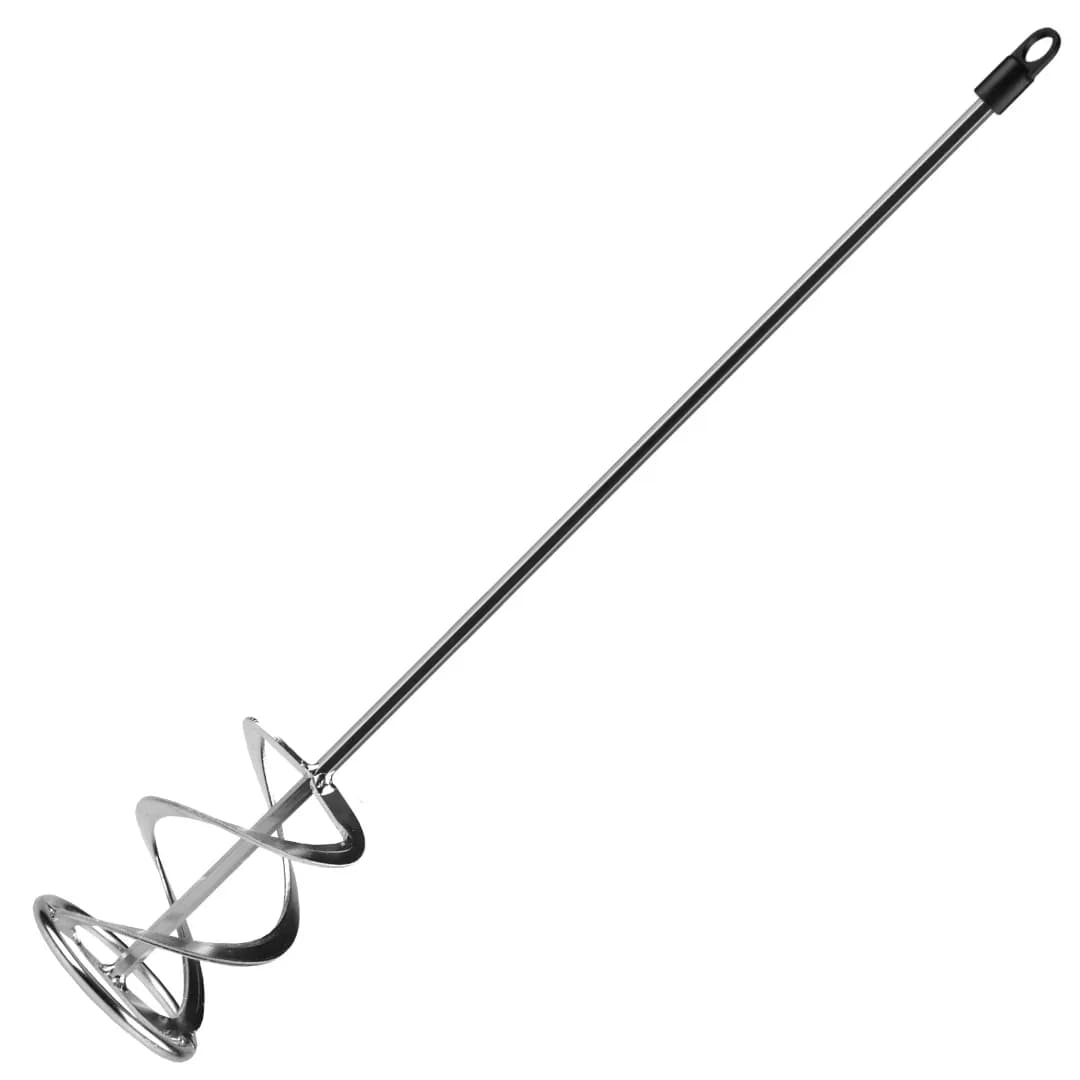
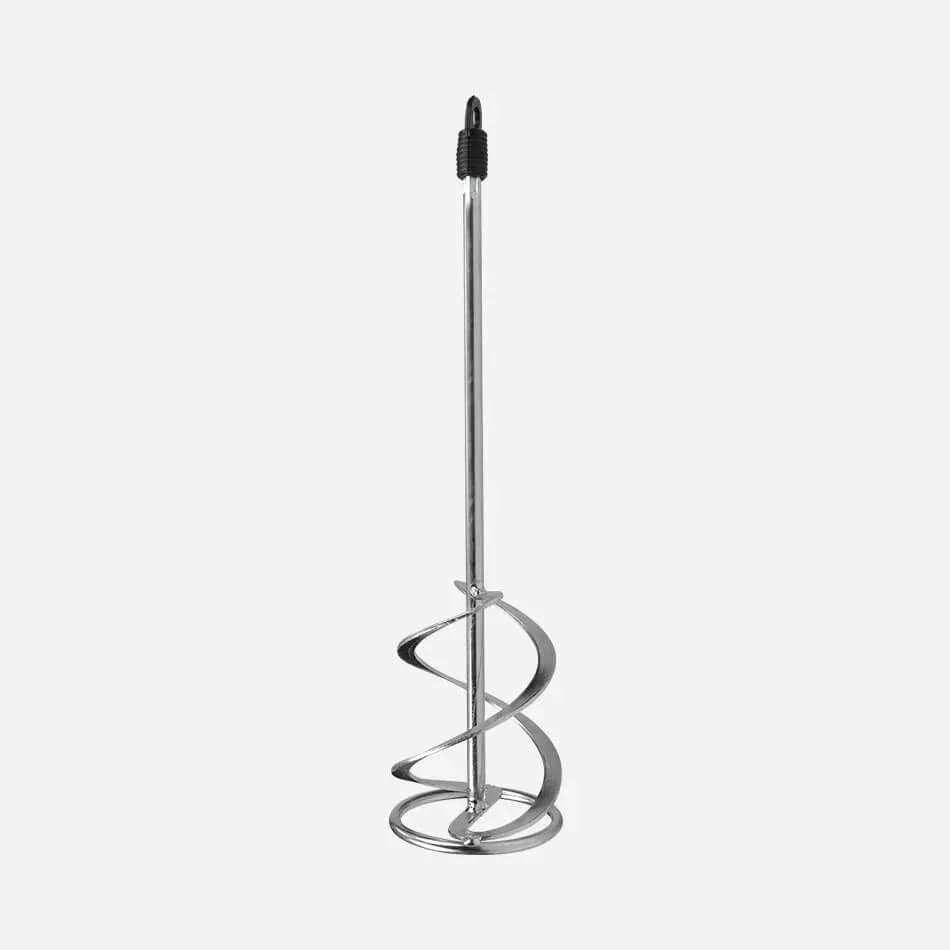
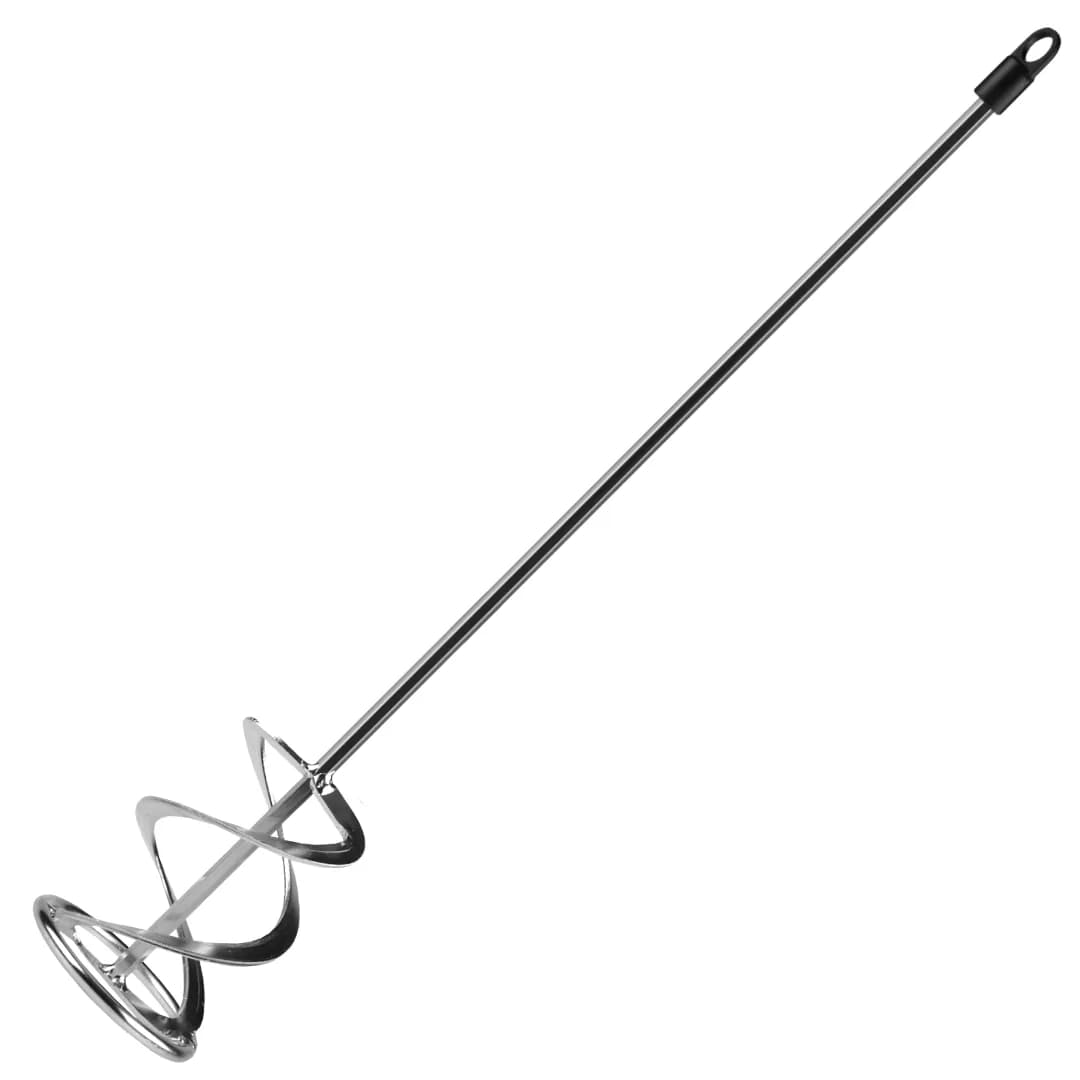
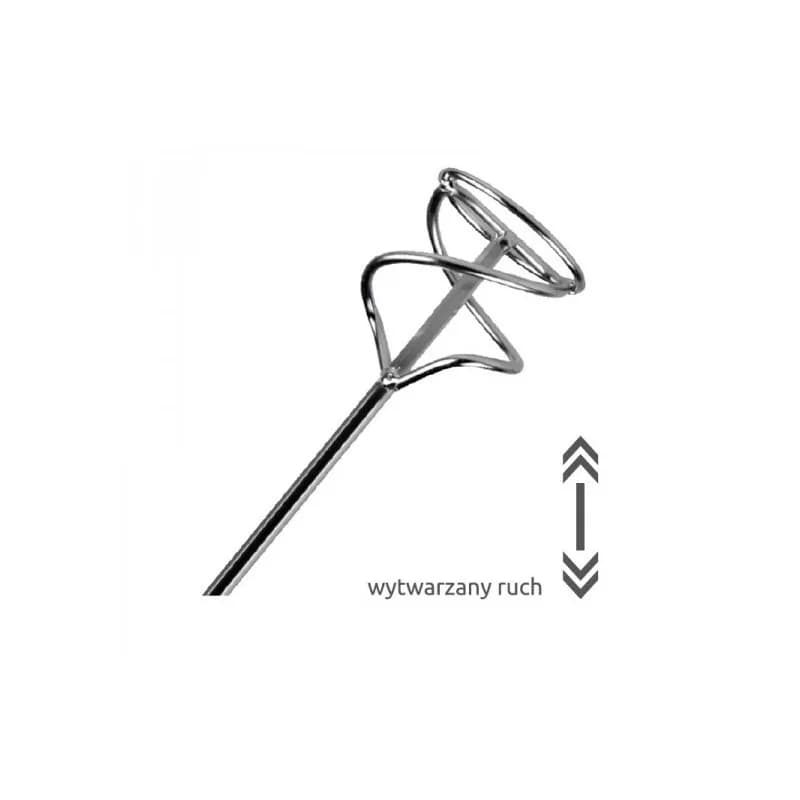
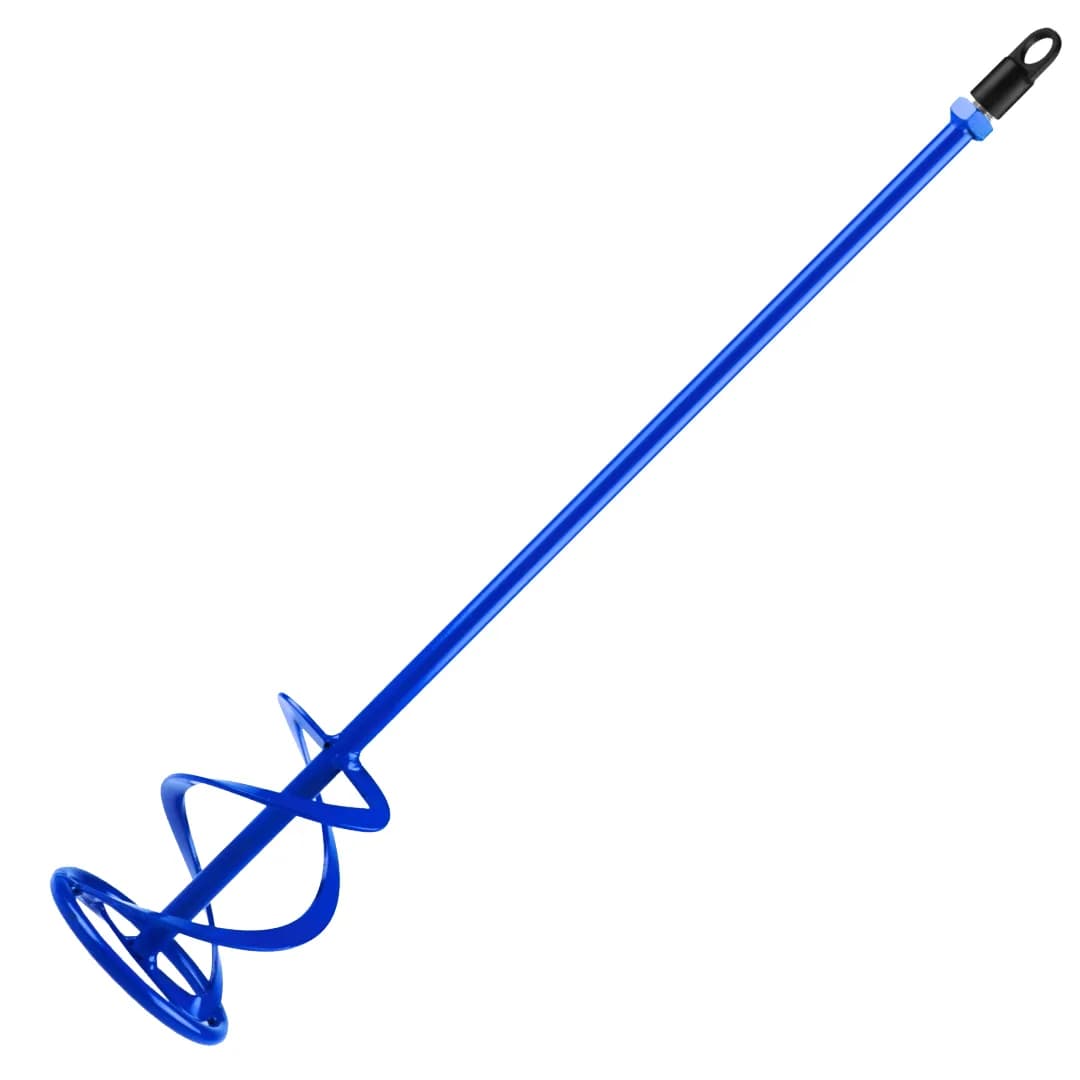
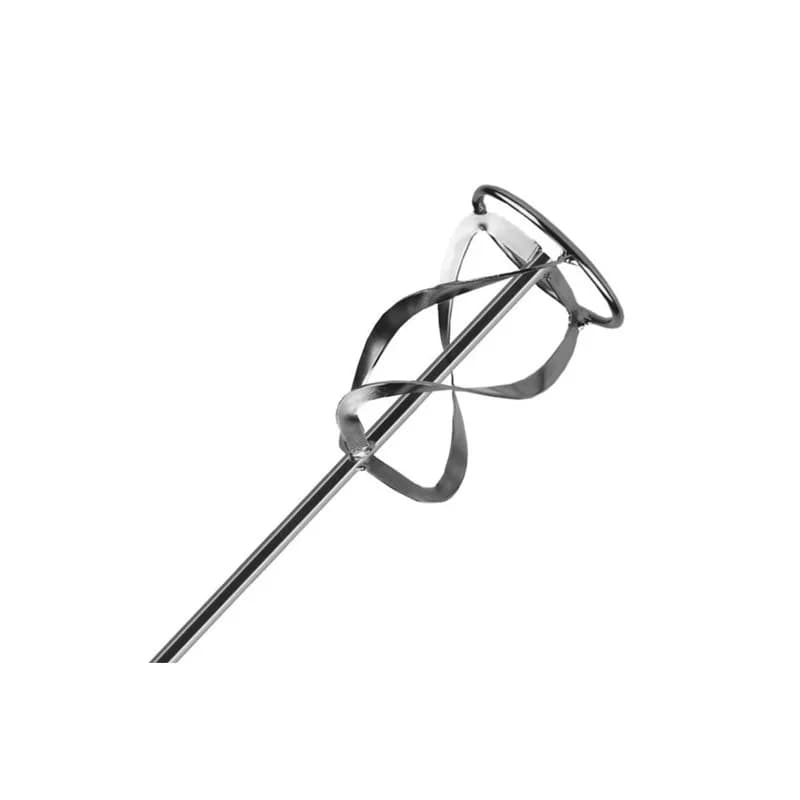
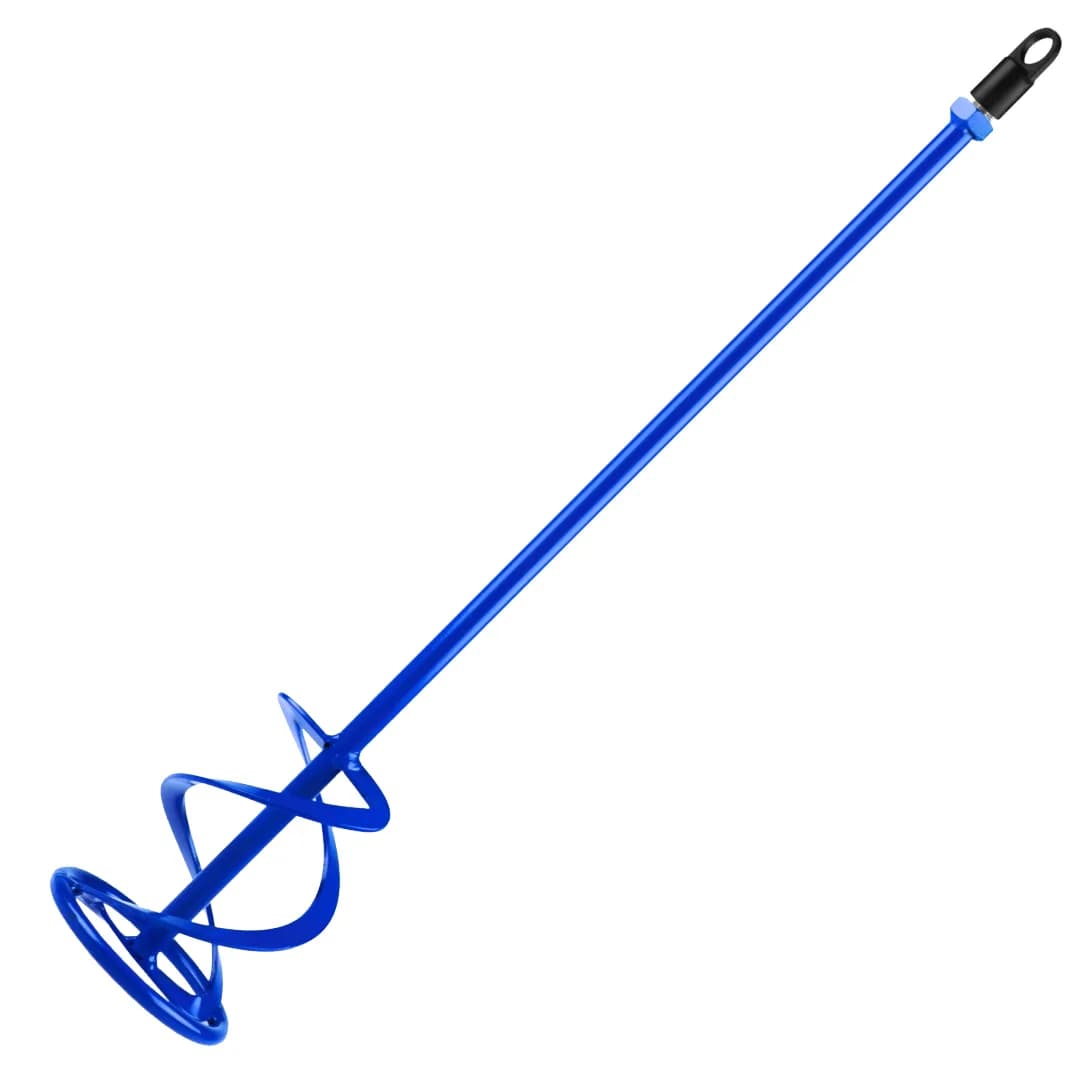
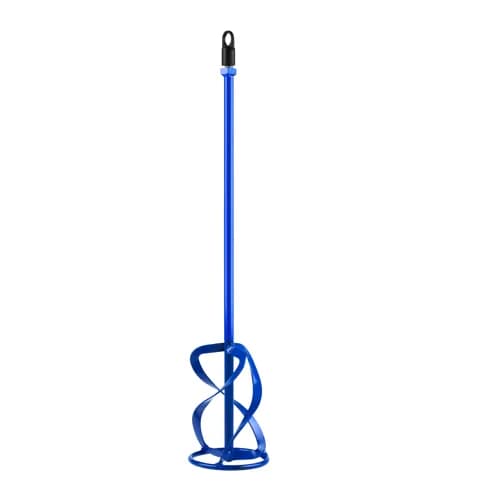
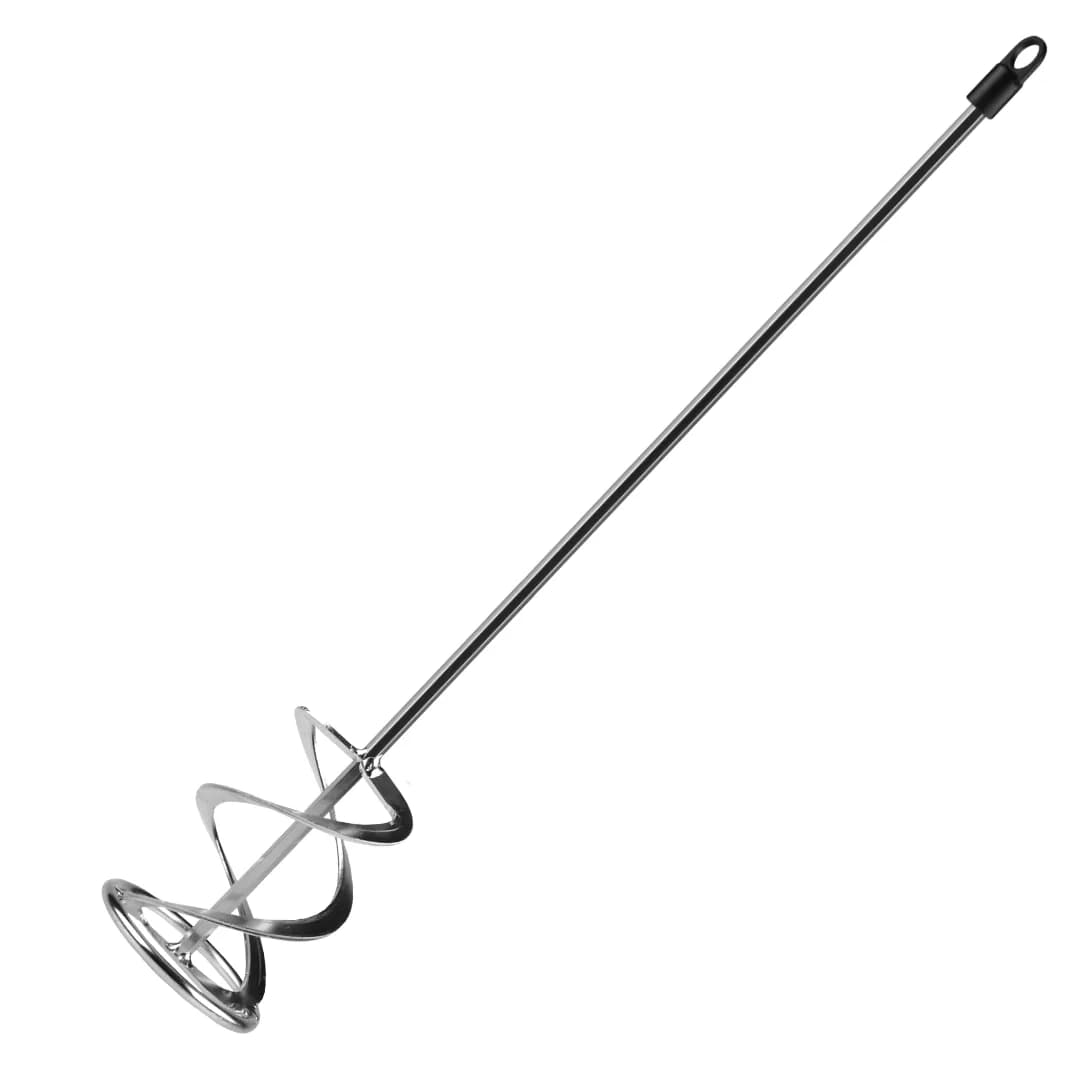
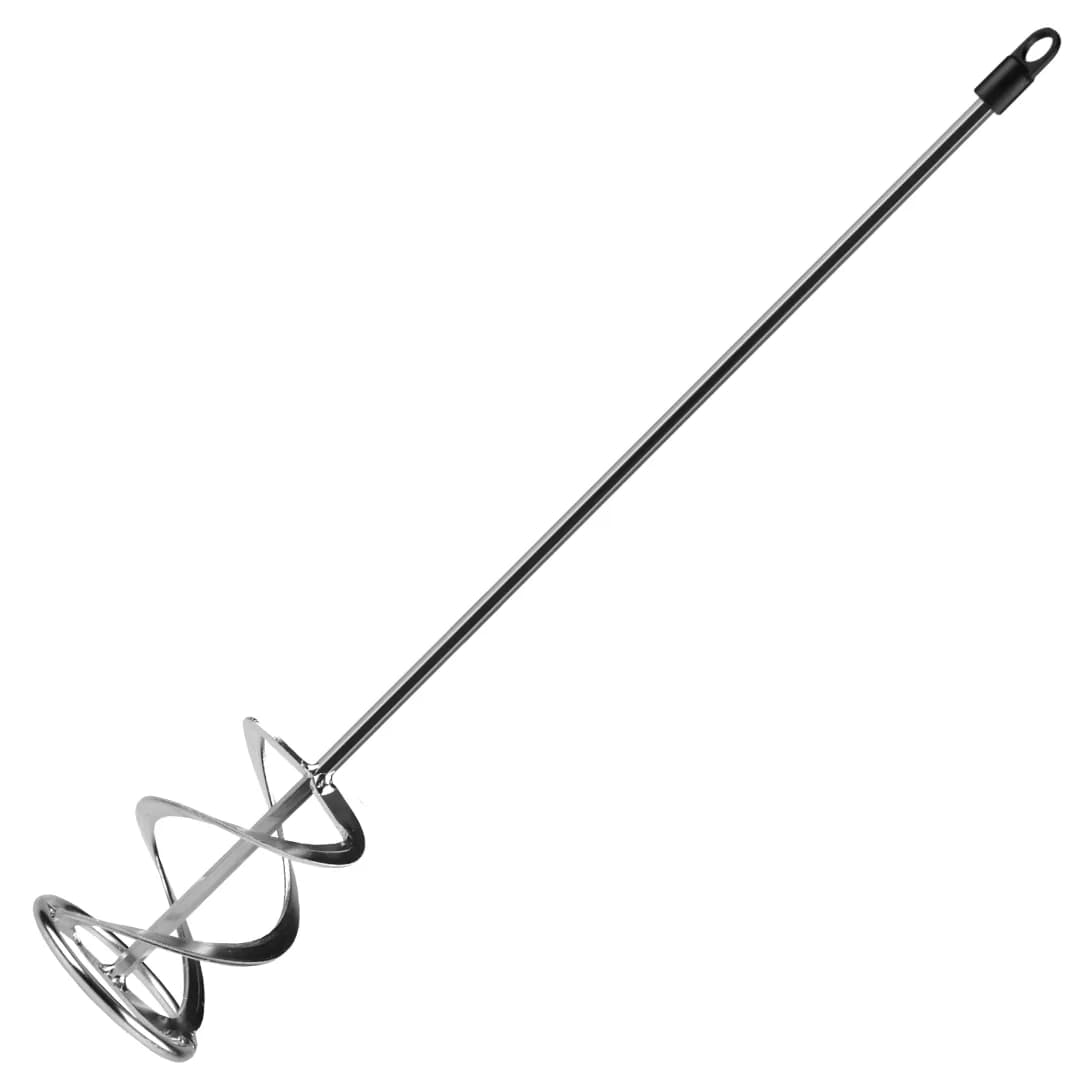
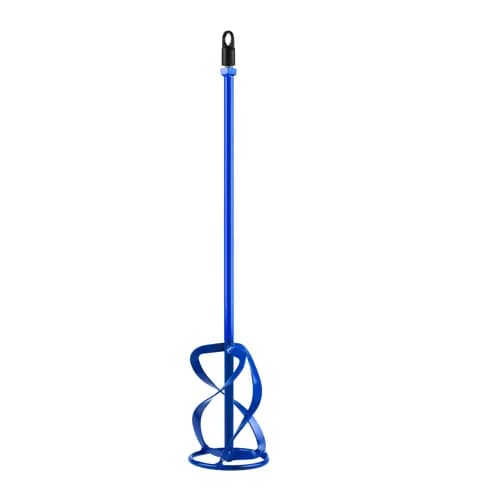
Paddle heads. Plain spiral - for fluids, low motor load. Double anchor (Wendel) - standard for filler and medium mortars. Anchor with crossbar - for dense mixes, reduces air entrainment. A 140mm head handles a 20-25L bucket; 60-80L drums need 160-180mm.
Straight or articulated (knickler) shaft? The articulated version tilts 90 degrees, reaches the bottom of narrow containers without pulling the head out. Useful on large sites. For apartment renovation, straight shaft is cheaper and fine.
Paddles wear out. A cheap one bends after 50-60 bags. Stainless steel outlasts zinc-coated steel, especially in cement-based mixes.
800-1000W with a plain spiral or double-anchor paddle at low speed. Finishing filler should be mixed at 200-350rpm - higher speed traps air and ruins consistency. Mix 2-3 minutes, rest 5 minutes, mix again.
You can, but clean it thoroughly between materials. Cement residue in acrylic paint creates lumps visible on the wall. If you switch often, keeping separate paddles is more practical.
Important. Two speeds are enough: gear 1 (200-400rpm) for dense material and initial mixing, gear 2 (600-800rpm) for finishing and fluids. Single high-speed only isn't suitable for construction materials.
When the blade starts to bend or the mix is no longer uniform after normal mixing time. In cement work, a mid-grade paddle lasts 80-120 bags. A deformed paddle entrains air - check after every job.
Articulated tilts 90 degrees, useful for narrow containers and pulling material off the bottom without removing the head. Great on large sites. For apartment renovation, straight shaft costs less and does the job.