Steel Nails for Construction, Carpentry and Roofing
Smaller nail doesn't mean weaker nail. Wrong shank diameter for the timber means a split when you drive it.
Nail selection looks simple but the logic is clear: diameter, length and surface treatment each matter depending on the job.
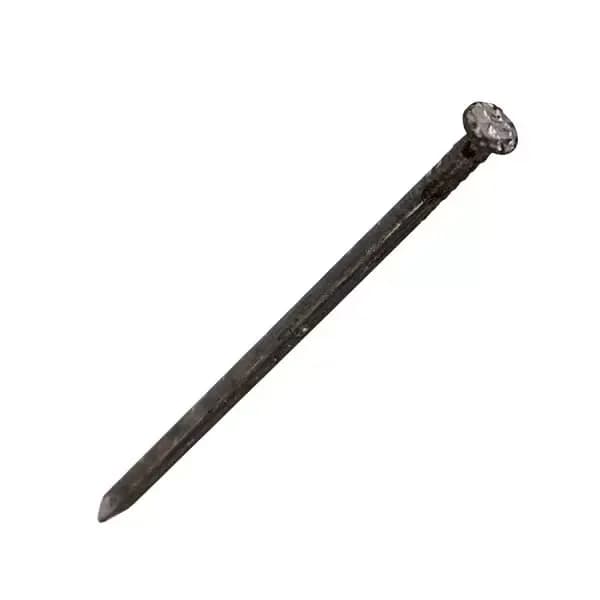
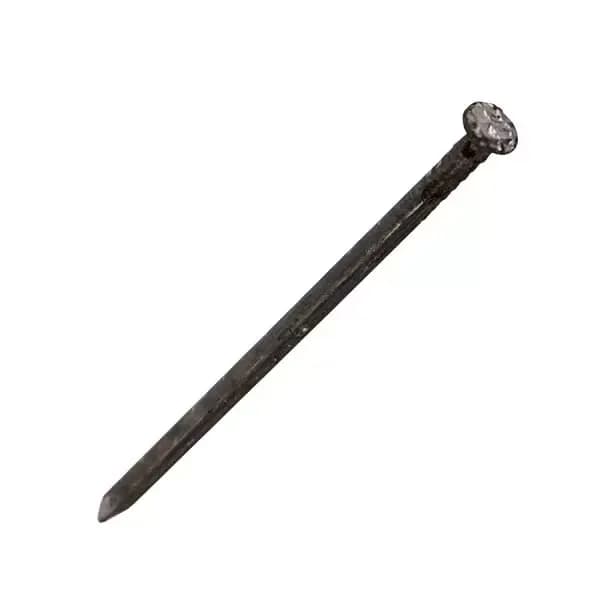
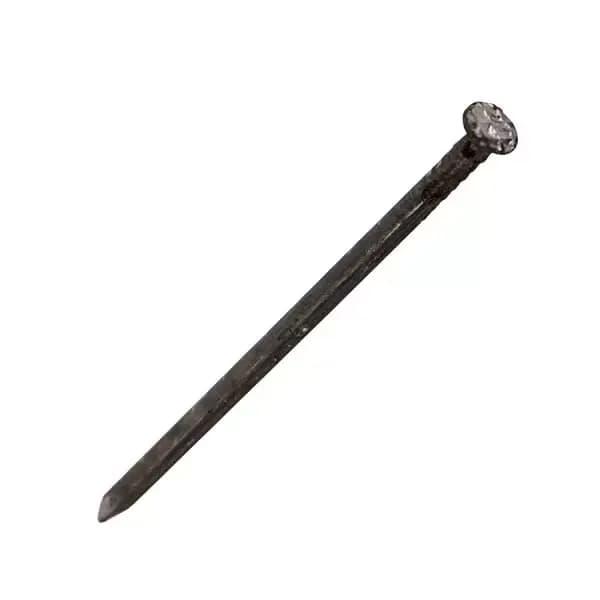
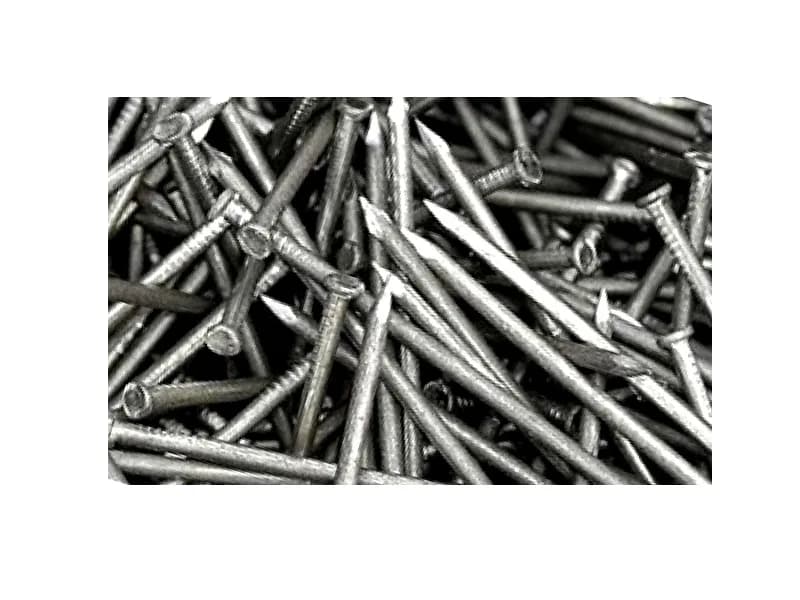
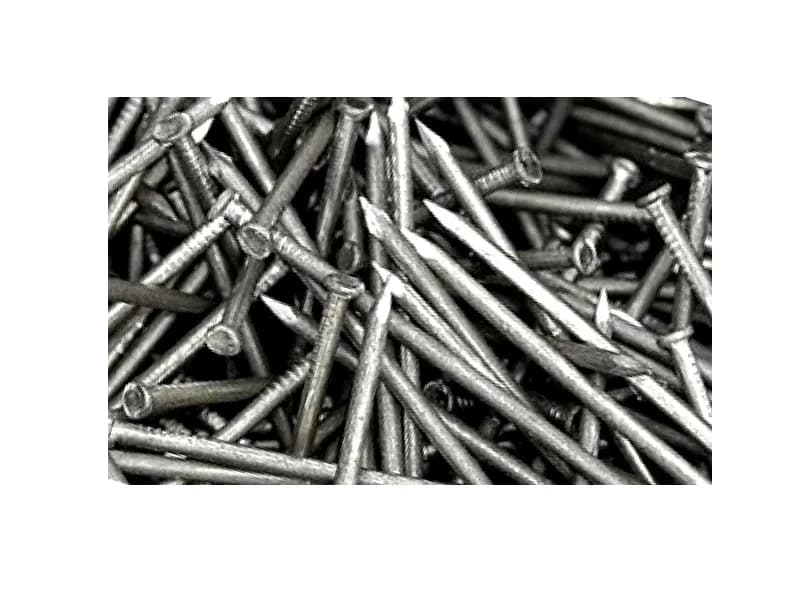
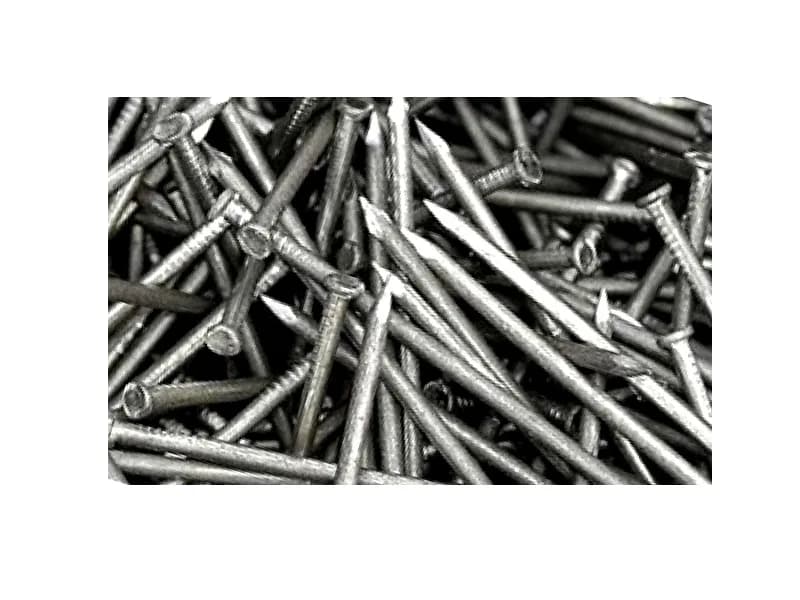
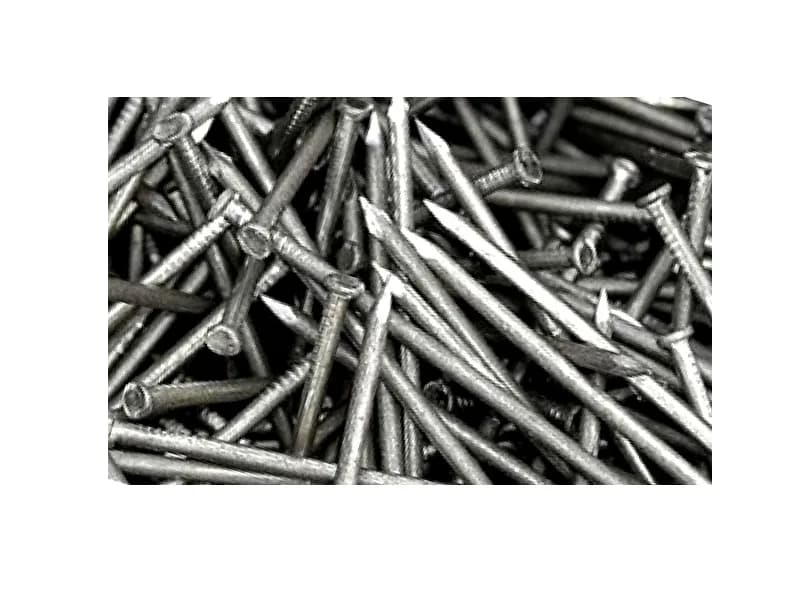
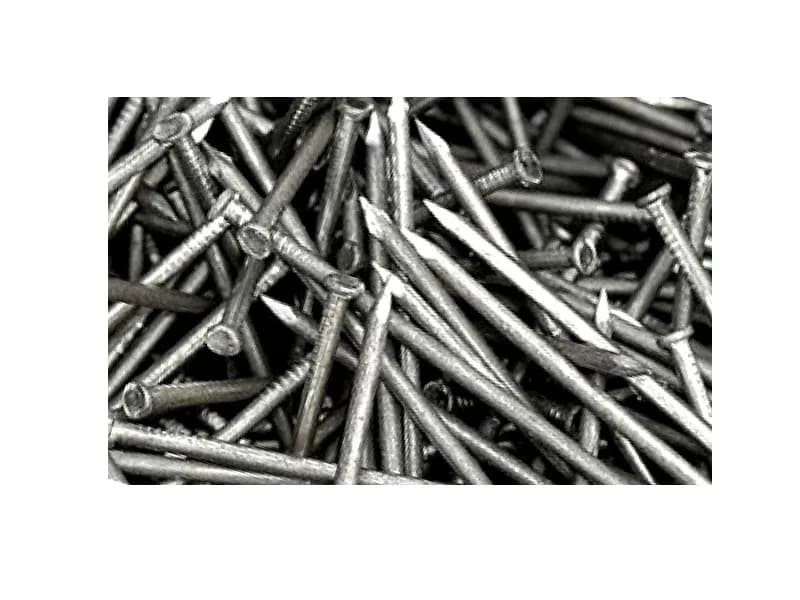
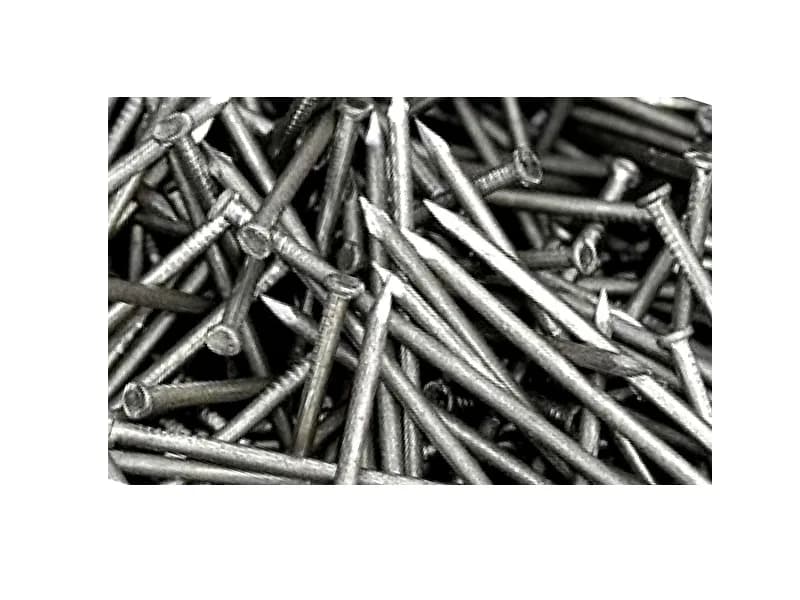
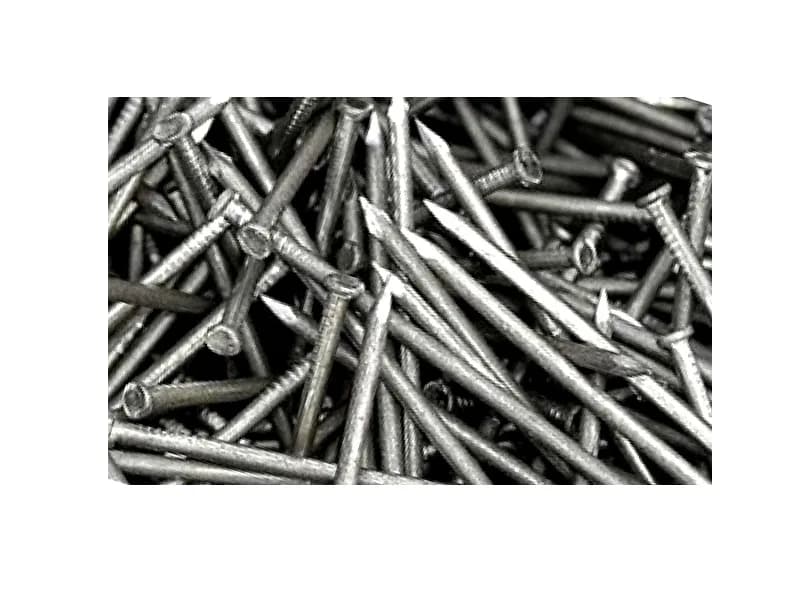
Plain shank construction nails - standard for beams, boards, formwork. Common sizes: 50/2.5, 80/3.1, 100/3.8, 125/4.2, 160/5.0mm. Ring shank or serrated for better hold in wet timber.
Galvanised nails for exterior - roofing, decking, fencing. Galvanising prevents rust and timber staining.
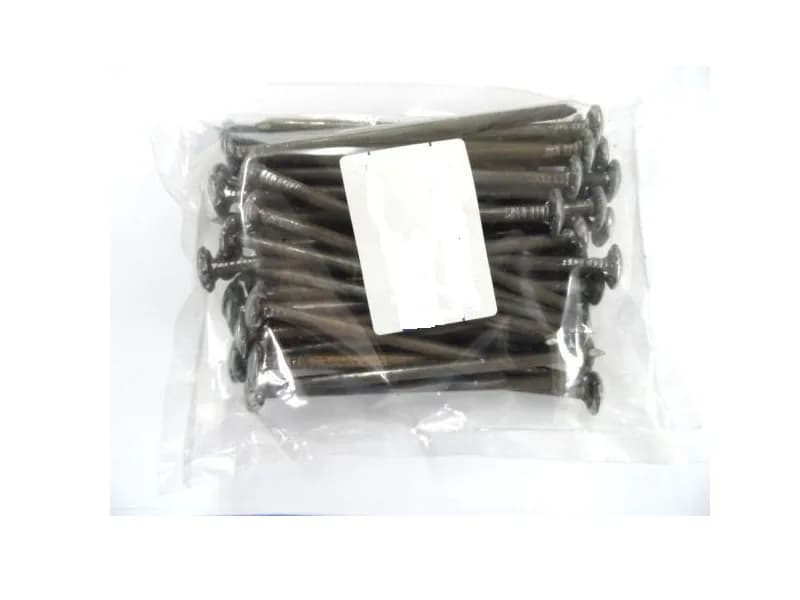
Large-head roofing nails - for fixing membranes, bitumen. 6-10mm head stops nail punching through the material.
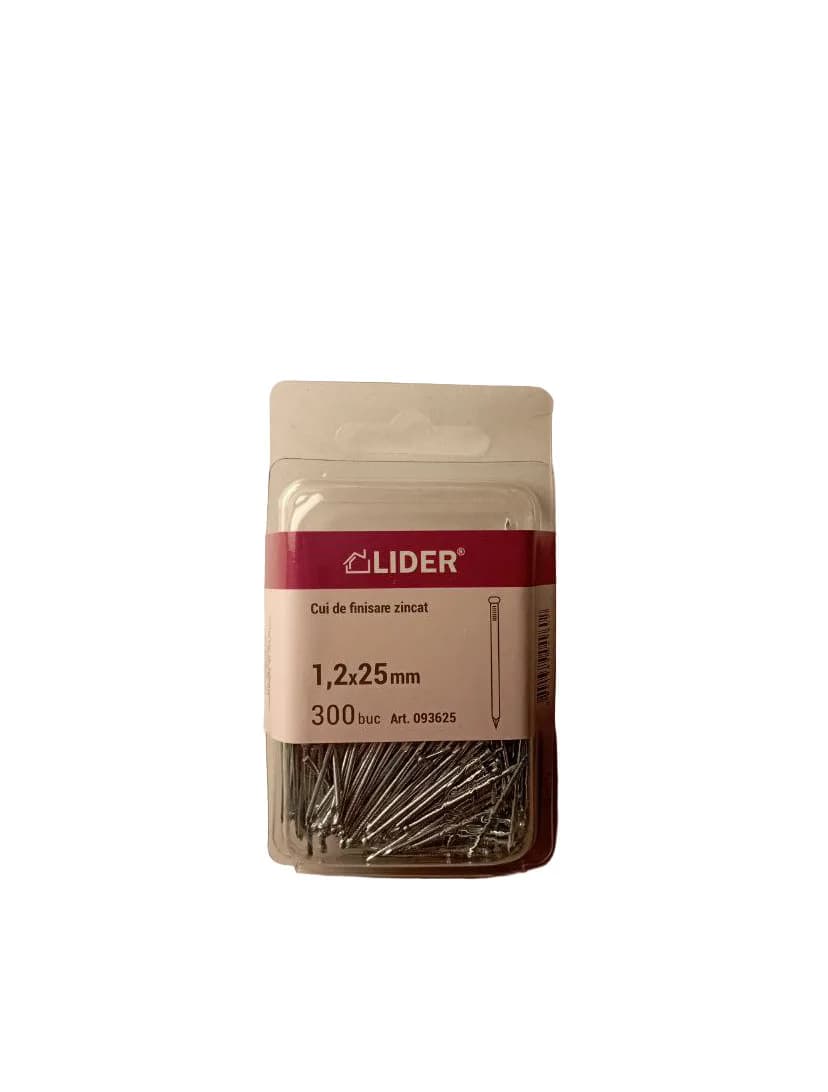
Finishing nails - small head, countersunk and filled with wood filler. For parquet, skirting, cornices.
Collated nails for nail guns - coil or strip. For pneumatic or gas nailers only.
Classic rule: nail length = 2.5-3 times the thickness of the board you're fixing.
Construction nails 100/3.8 or 125/4.2mm, hot-dip galvanised for outdoor use. For pine and spruce framing, ring shank or spiral nails hold better than plain shank as the timber moves seasonally. For structural connections consult the design code or use metal connectors with screws.
Yes, if the head is punched below the surface and filled. Use a nail punch to sink the head 1-2mm below the surface, fill with wood filler, sand and paint. On light-coloured solid timber use stainless or galvanised nails - plain steel will rust and leave brown stains.
No. On bitumen membrane and roofing underlays use large-head roofing nails with a minimum 6mm head diameter. A plain nail punches through the membrane. Roofing nails must be hot-dip galvanised.
They rust within 1-2 wet seasons and leave brown streaks down the timber. On tannin-rich oak and pine even basic zinc can stain. Solution: hot-dip galvanised nails or stainless for quality exterior and decorative applications.
2.5-3x rule: nail length 125-150mm for 50mm board. Standard diameter for that length is 4.2-5.0mm. For hardwoods (oak, beech) pre-drill a pilot hole at 0.8x nail diameter to prevent splitting.