OSB Boards and Drywall Panels for Construction and Partitioning
Two different materials, two different building logics. OSB carries load. Drywall makes surfaces.
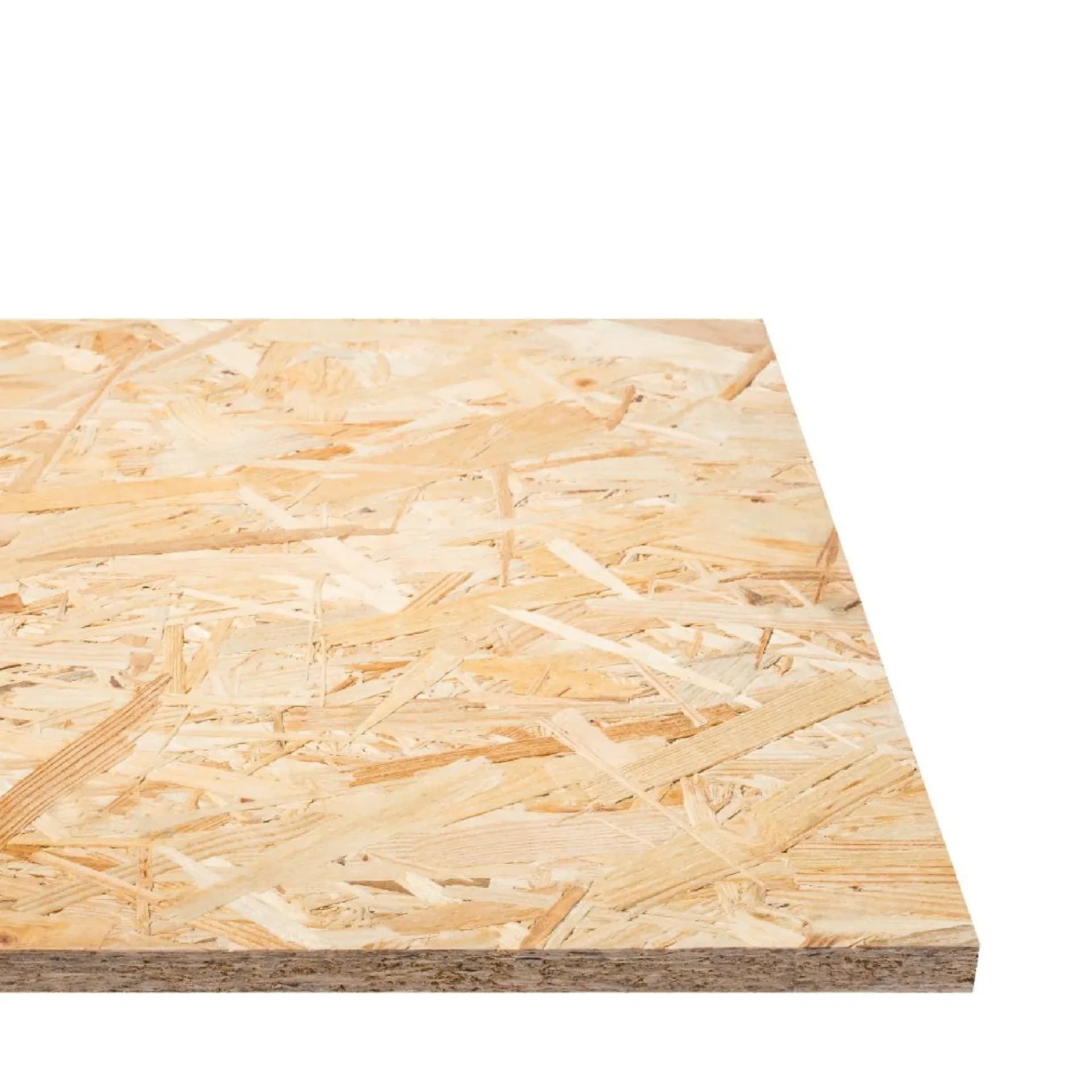
OSB (Oriented Strand Board) is for roof decking, floors, structural wall sheathing in timber-frame construction. The oriented strand layers give rigidity that plain particleboard of the same weight can't match. Thickness determines the application: 9-12mm for sheathing, 18-22mm for floors and roofs.
Moisture is the weak point. OSB/2 is for dry indoor use only. OSB/3 has partial moisture treatment - handles rain during construction, not permanent outdoor exposure without covering. OSB/4 handles heavy loads in wet conditions - rarely needed in residential renovation.
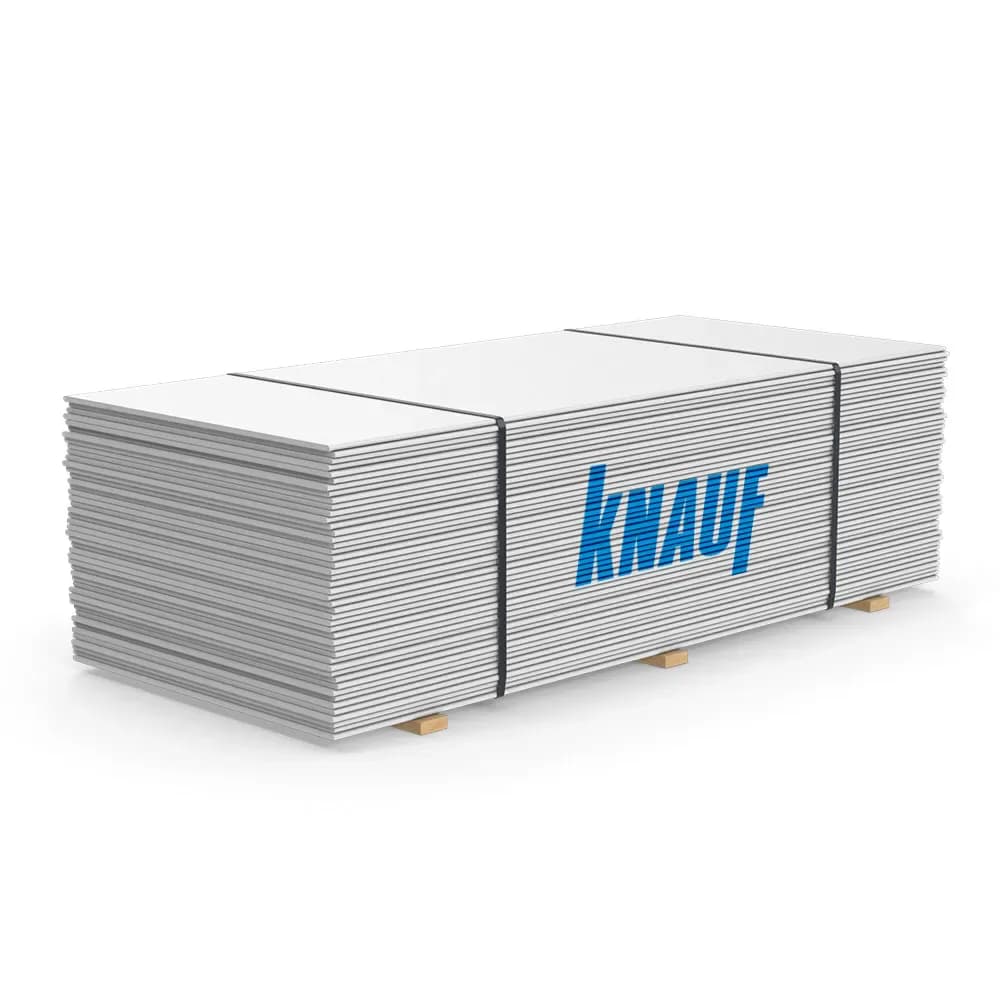
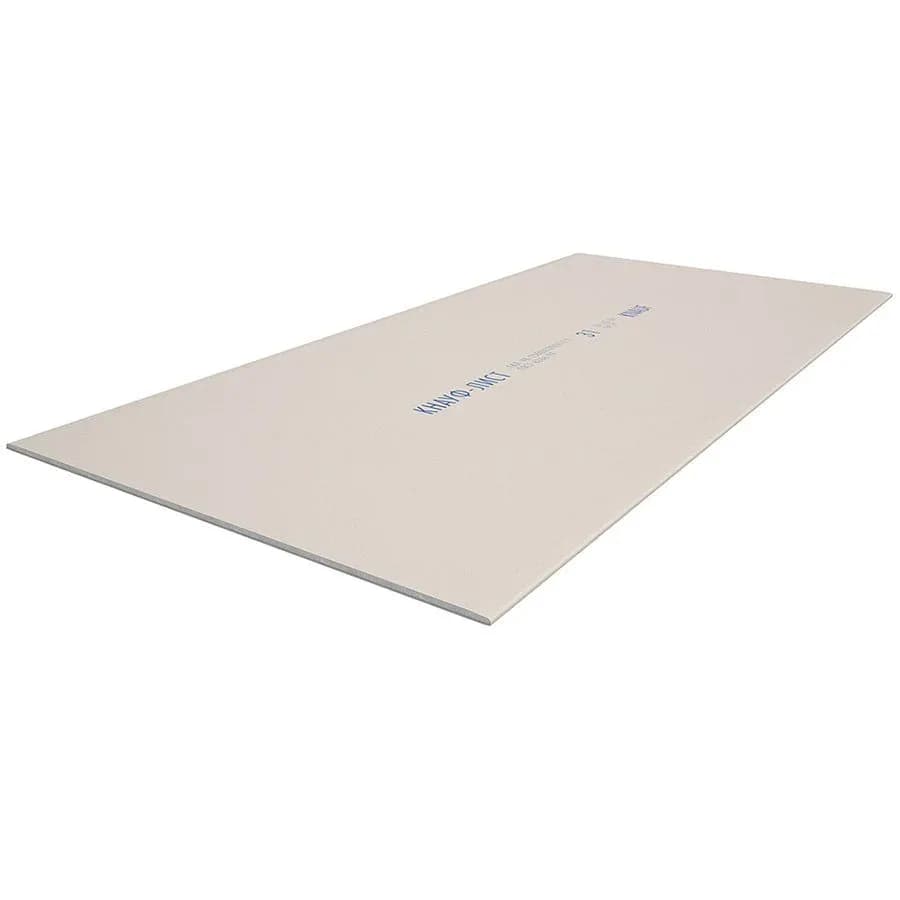
Drywall (GKL) - for partitions, suspended ceilings, wall lining. Not structural. Knauf produces several types:
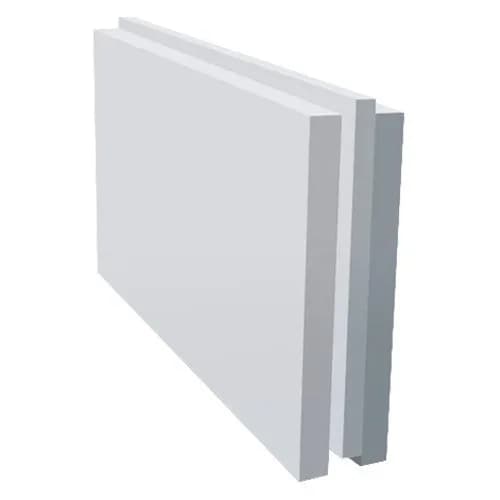
- Standard (white) - dry interior rooms
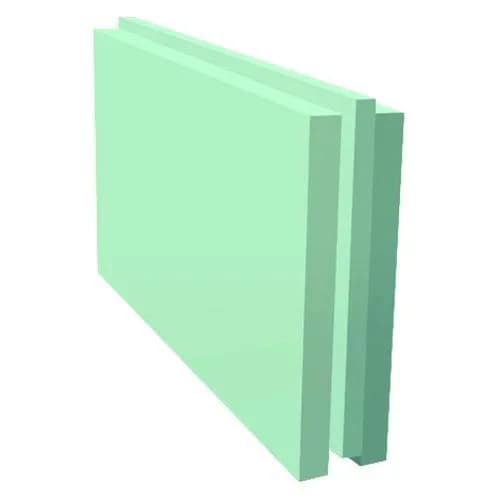
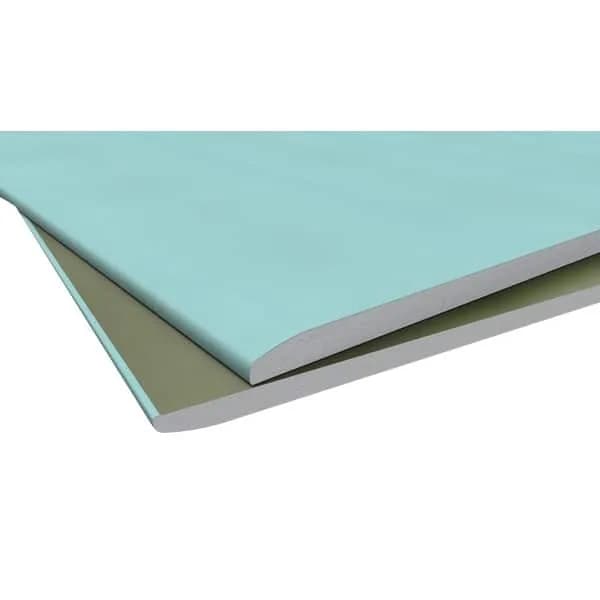
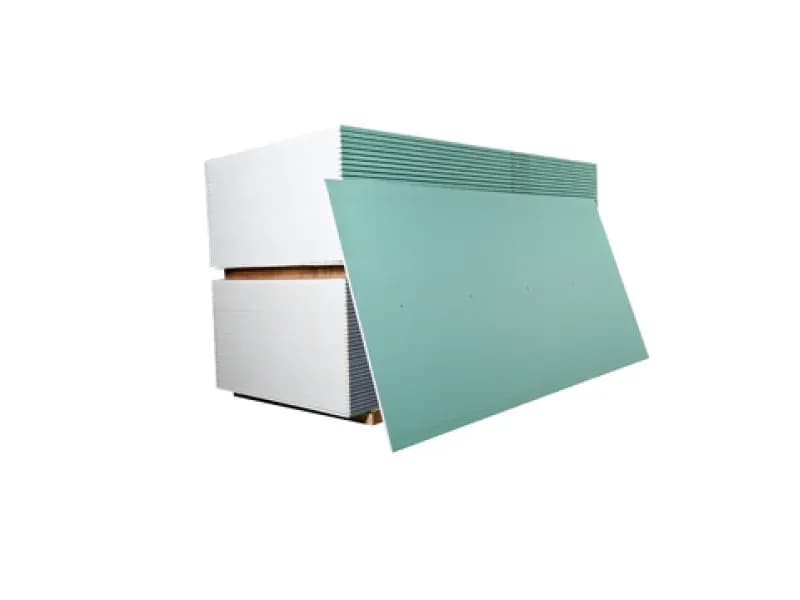
- Moisture-resistant (GKLH, green) - bathrooms, kitchens, humid areas
- Fire-rated (GKFI, pink) - corridors, stairwells, areas with fire-resistance requirements
In older Chisinau apartments with dry winter air (30-40% humidity), drywall joint cracks appear without proper taping and skim. Moisture-resistant board in bathrooms isn't optional.
In stock: Knauf (Germany) - the European standard in drywall systems.
OSB/2 is for dry structural indoor use. OSB/3 handles temporary moisture during construction - the standard type for most builds where rain exposure happens on site. OSB/4 handles heavy loads in wet conditions - rarely needed in residential renovation.
With joists at 60cm centres - minimum 18mm, 22mm is better. At 40cm centres 15mm is enough. Thinner boards flex under foot and make flooring creak - you can't fix that after the finish floor goes down.
No. Drywall needs priming first - unprimed board absorbs unevenly and the skim coat cracks on drying. Painting directly without primer is no better: the paint soaks in patchy and you use significantly more of it. A deep-penetration primer (Knauf Tiefengrund or equivalent) seals the surface before applying skim coat or paint.
GKLH moisture-resistant (green board) throughout any bathroom area that contacts humidity. Standard board in a bathroom swells, cracks at joints and grows mould. Even with green board - waterproofing the joints and using moisture-resistant filler is still required.
Two methods: metal stud frame with plugs (gives space for cables and corrects uneven walls) or adhesive direct fix with Knauf Perlfix (faster, no room for services). Stud framing is better for uneven walls and when you need to run cables or pipes.