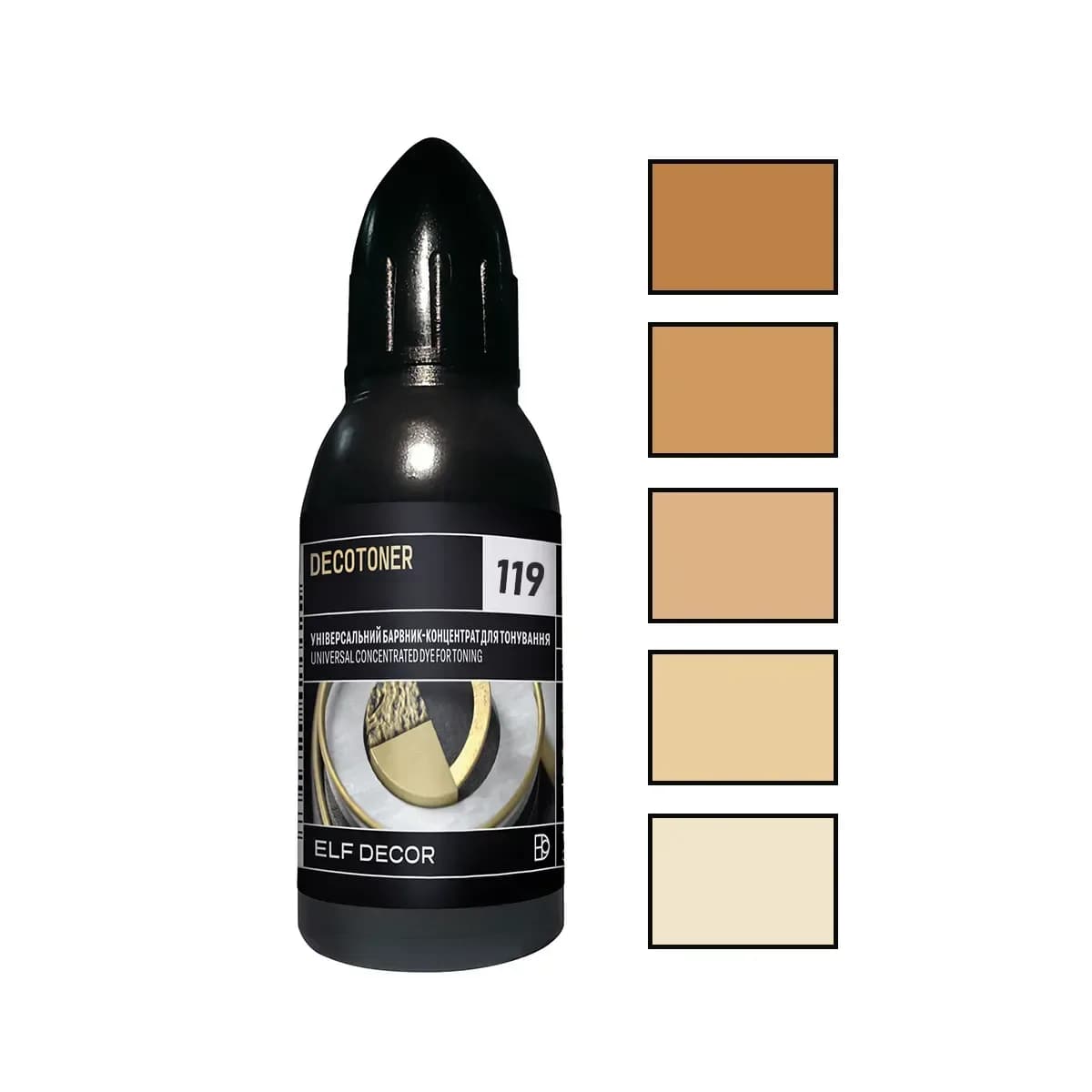
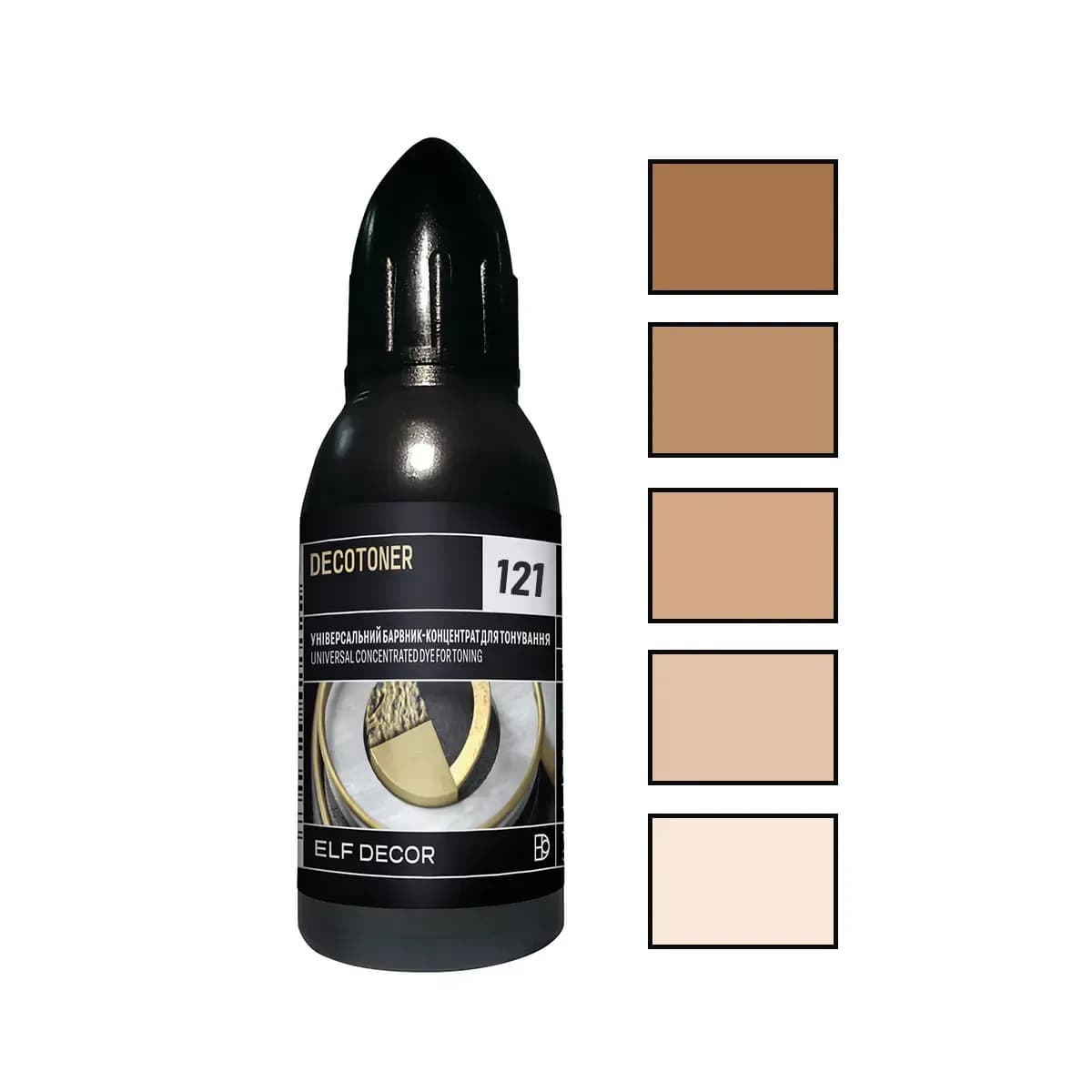
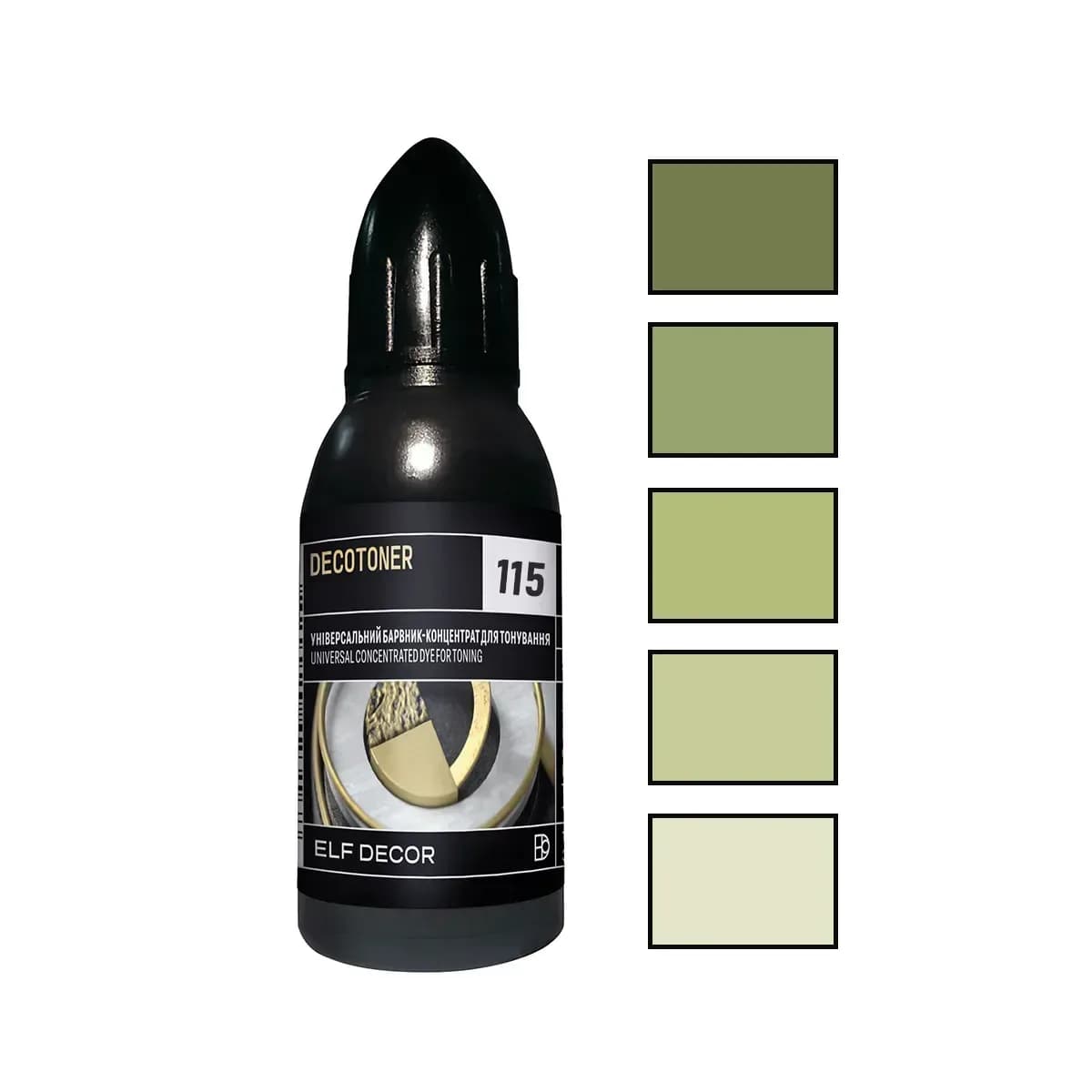
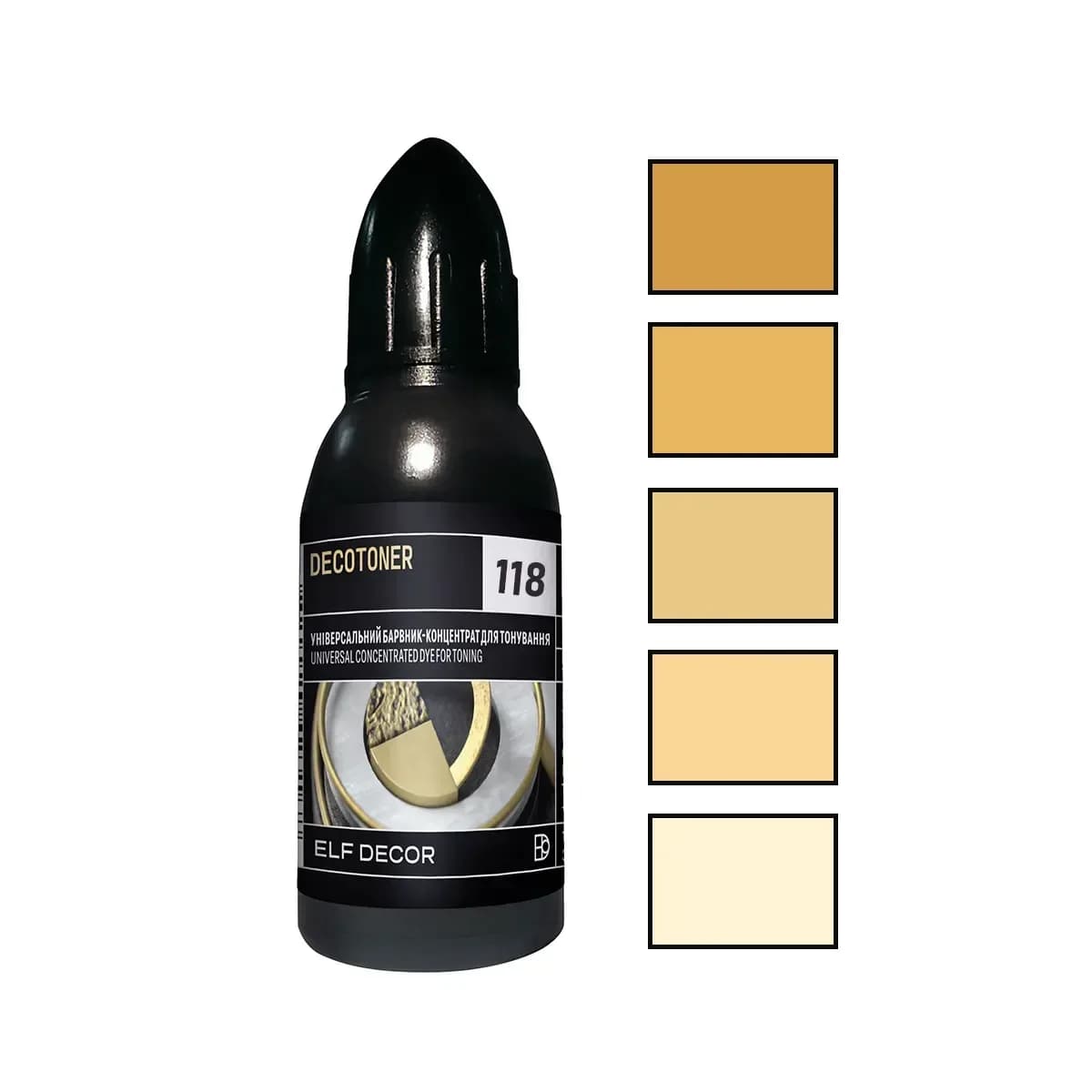
Decorative powders and pigments for plaster, concrete and paint
Colours that don't exist in ready-made tint catalogues. That's where powders and pigments come in.
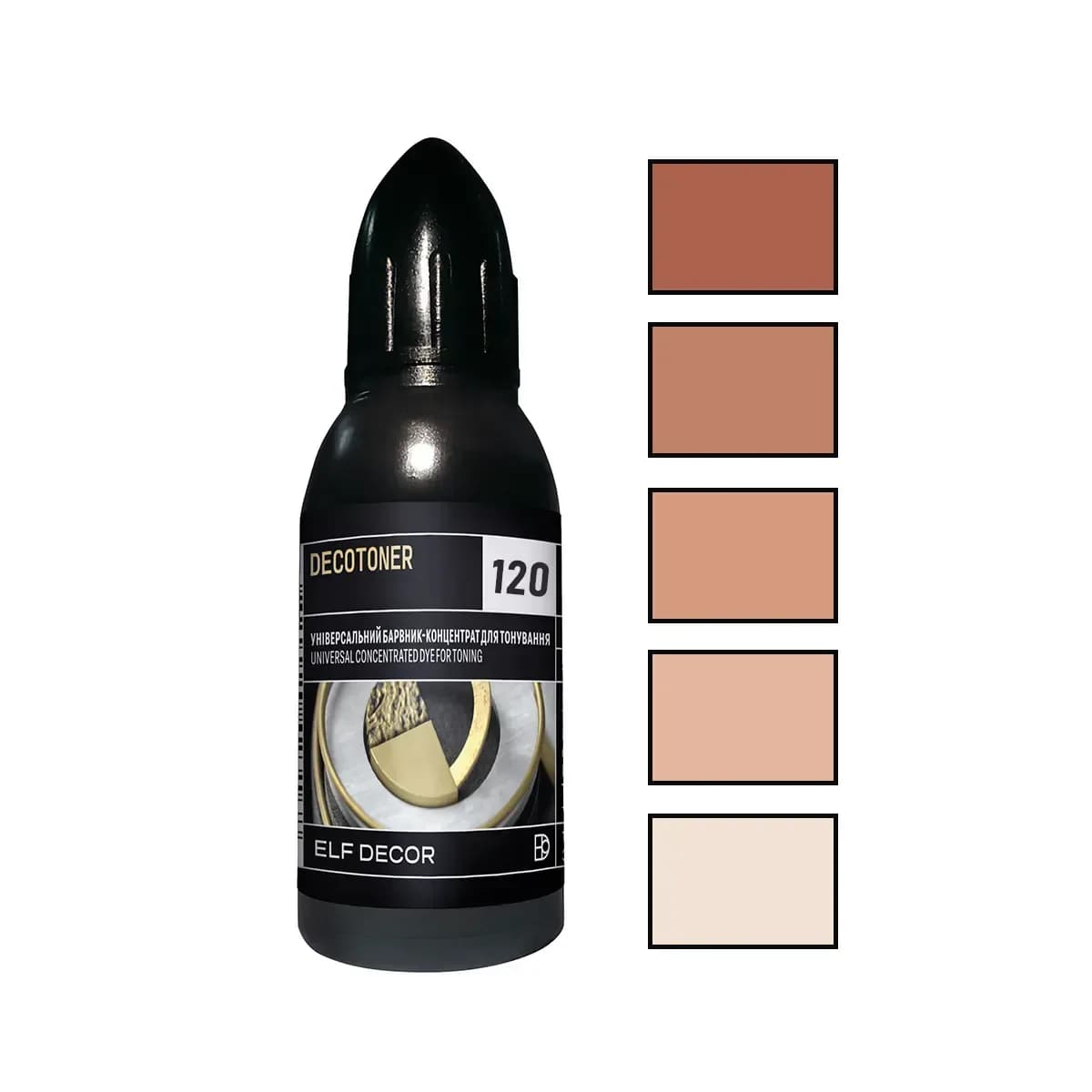
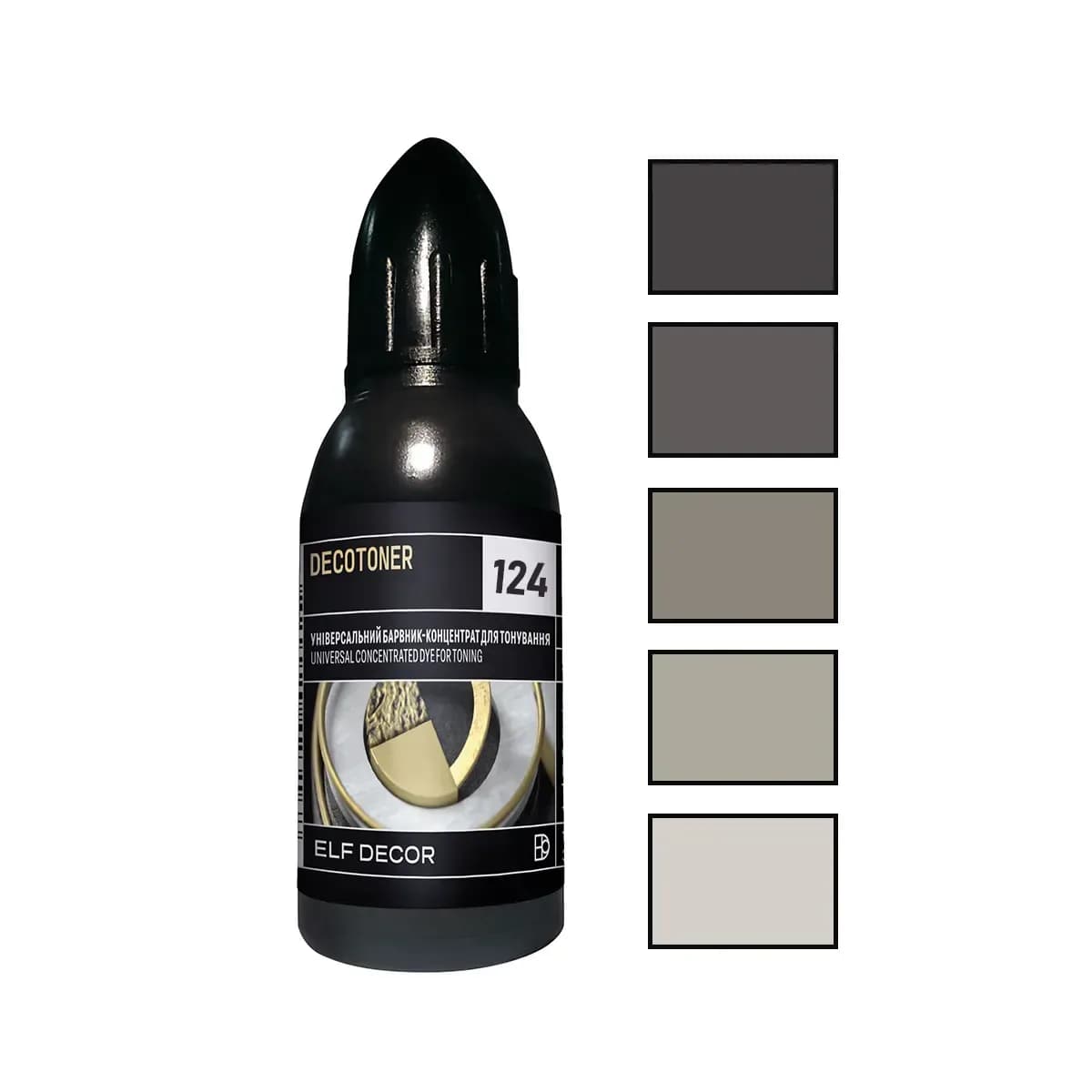
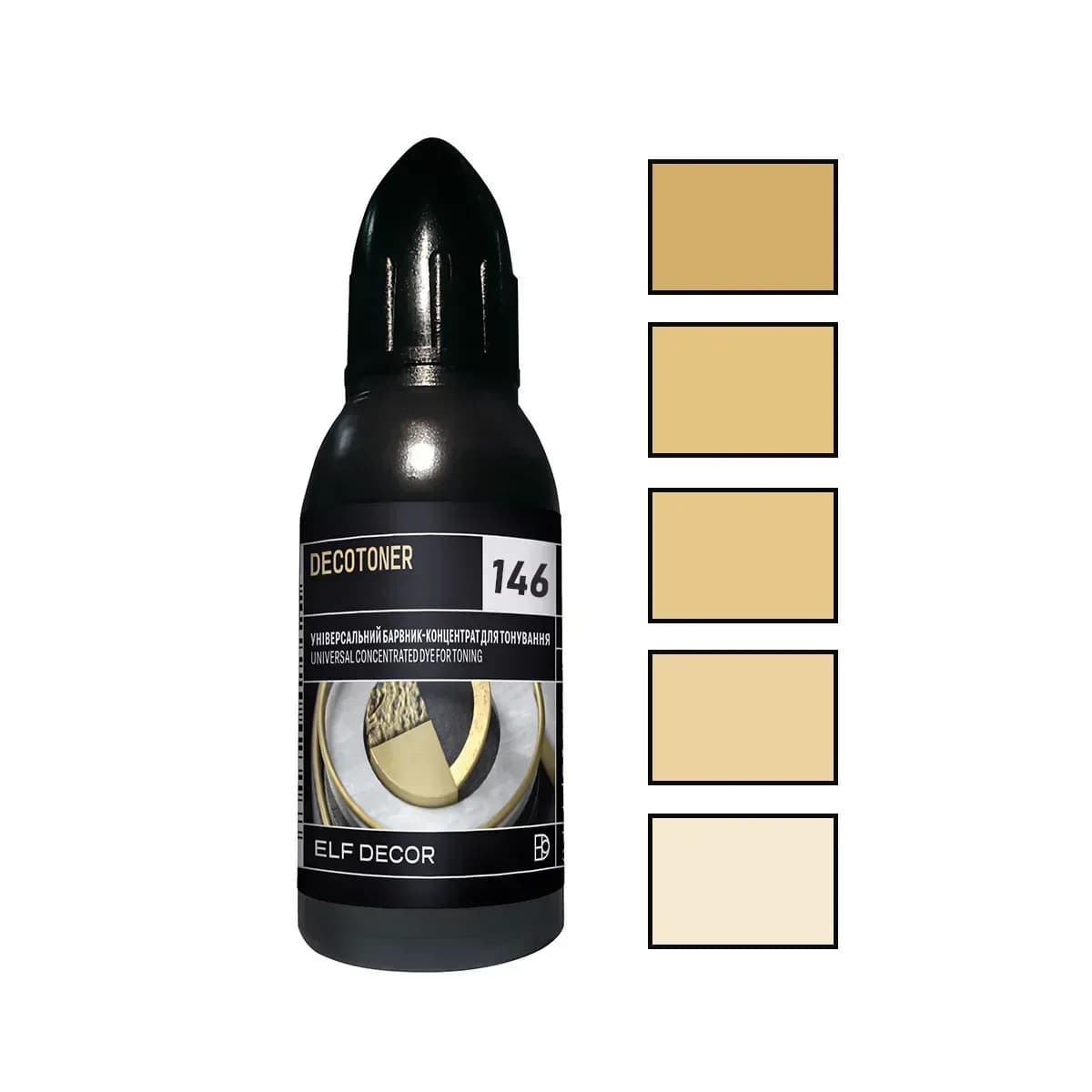
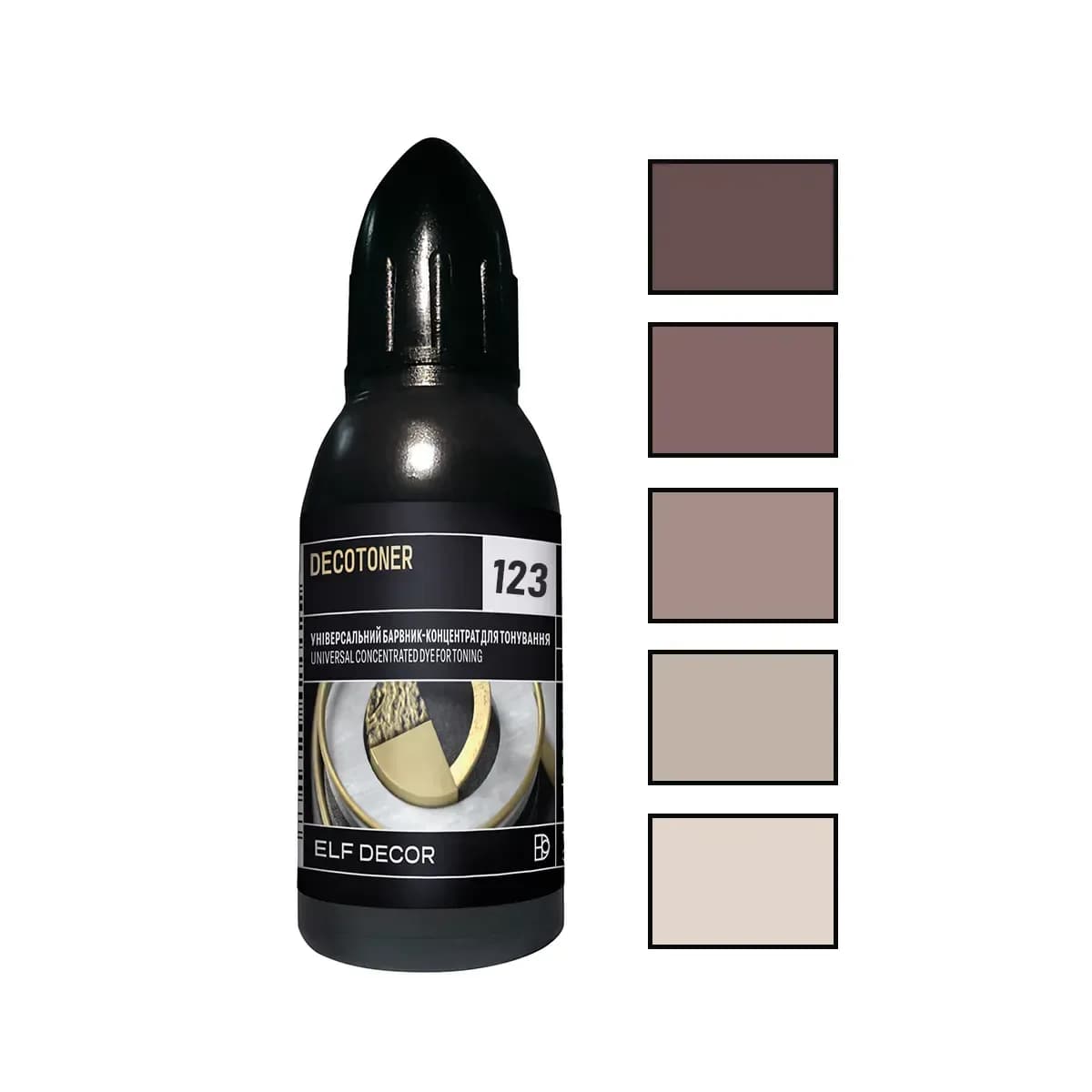
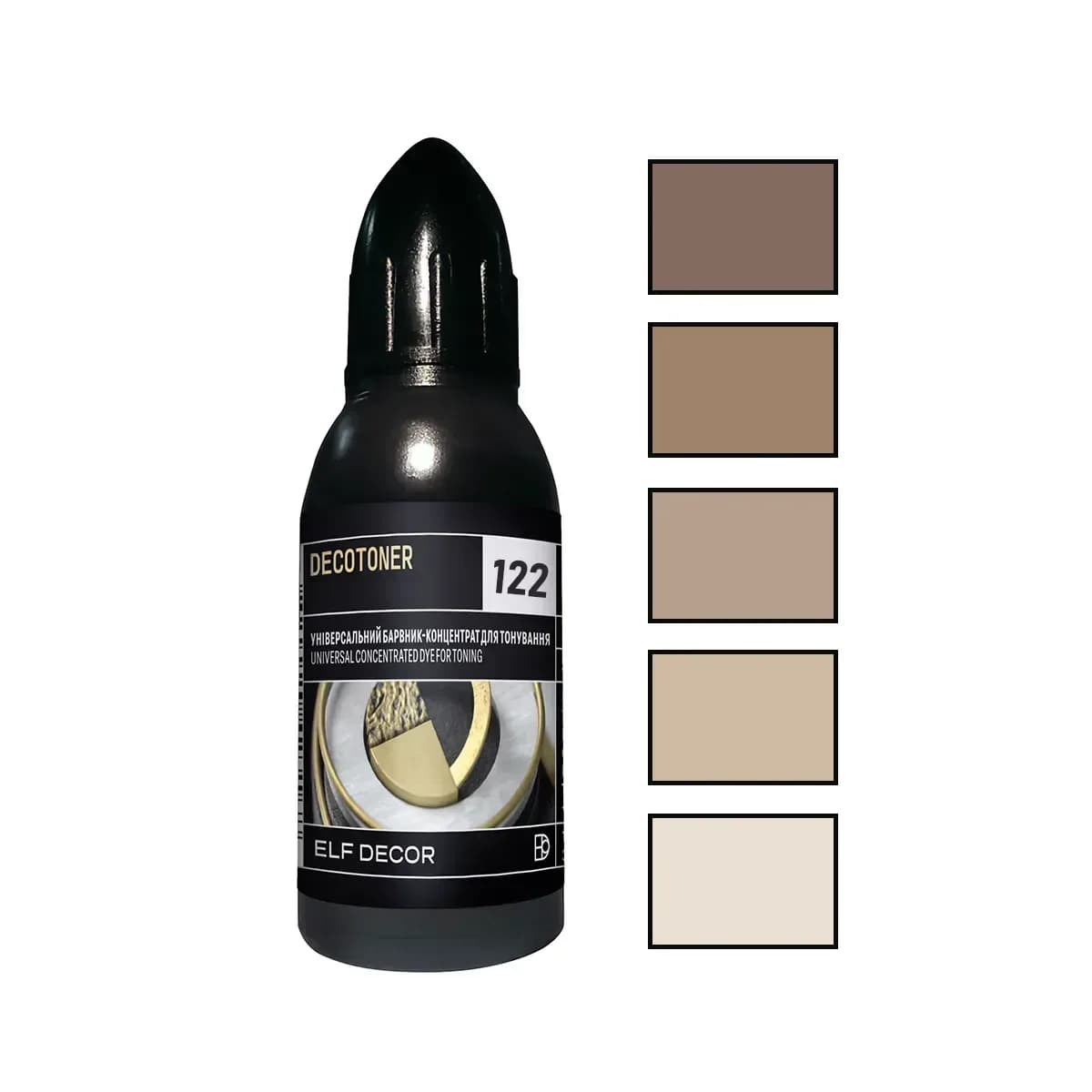
A pure pigment gives you what no off-the-shelf paint tin can: precise control over tone and effect. Add pigment to a plaster mix and you get the exact shade you need, not the nearest catalogue match. Fold metallic powder into a clear lacquer and you get a restrained metallic sheen without buying pre-mixed metallic paint.
Decorative powders cover a wide range - mineral pigments for colouring plaster and screed, granules for textured effects, pearlescent and metallic powders for special finishes. Interior designers use them to tone venetian plaster to non-standard shades. Decorative concrete workers add alkali-resistant pigments straight into the wet mix. Artists blend them with acrylic or varnish for smaller decorative work.
One thing worth knowing before you buy. For exterior plaster and decorative concrete, only inorganic (mineral) pigments work long-term - they hold up against alkali and UV. Organic pigments give richer, more saturated colours but some fade under direct sun. For interior work away from direct UV, either type performs well.
Ask in store for mix ratios for your specific application - it varies by product and base material.
Inorganic pigments (metal oxides) resist alkali and UV, making them essential for exterior plaster and decorative concrete. Organic pigments give more vivid saturated colours but some fade in direct sunlight. For facades and concrete, use only inorganic. For interiors without direct UV, either type works.
Not any. Metallic and pearlescent powders typically blend with clear lacquers or water-based primers. Plaster pigments go into the wet or dry mix before application. Check compatibility with your base product - some coatings change behaviour when pigments are added.
Usually 2-5% of dry weight, depending on the pigment type and the intensity you want. More doesn't always mean more intense - some pigments peak at 3%, and adding more actually reduces the mix's workability and strength.
Rarely. Aluminium or copper particles can react with moisture and UV outside. For exterior work, pre-formulated metallic-effect paints certified for facades are a better option. Metallic powders are best suited to interior surfaces and decorative objects.
Add the pigment to the mixing water first, not to the dry powder. Mix until fully dissolved, then add the dry material. Prepare the whole batch from the same pigment lot - different lots can vary slightly in tone, and it shows on a finished wall.