Power Tool Accessories - Drill Bits, Router Bits and Hole Saws
Drill bits, router bits, hole saws and power tool accessories - complete range of consumables for power tools. We don't sell the tools themselves - we sell what they go through: everything that wears out, dulls or breaks while you work.
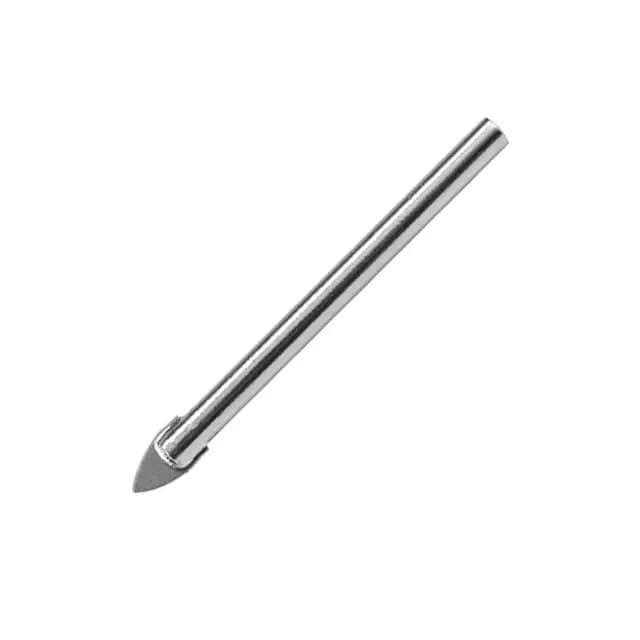
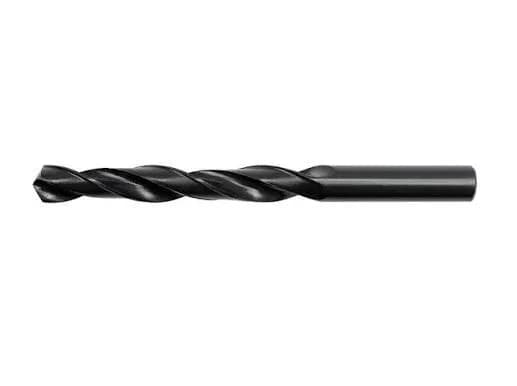
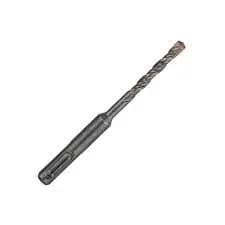
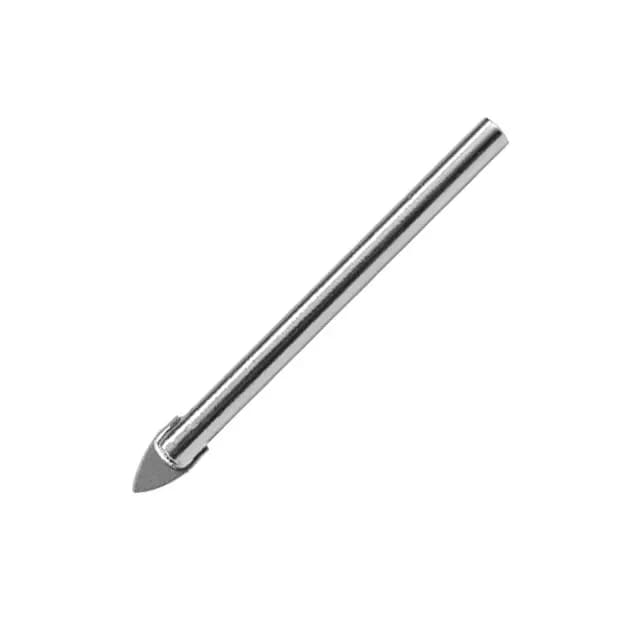
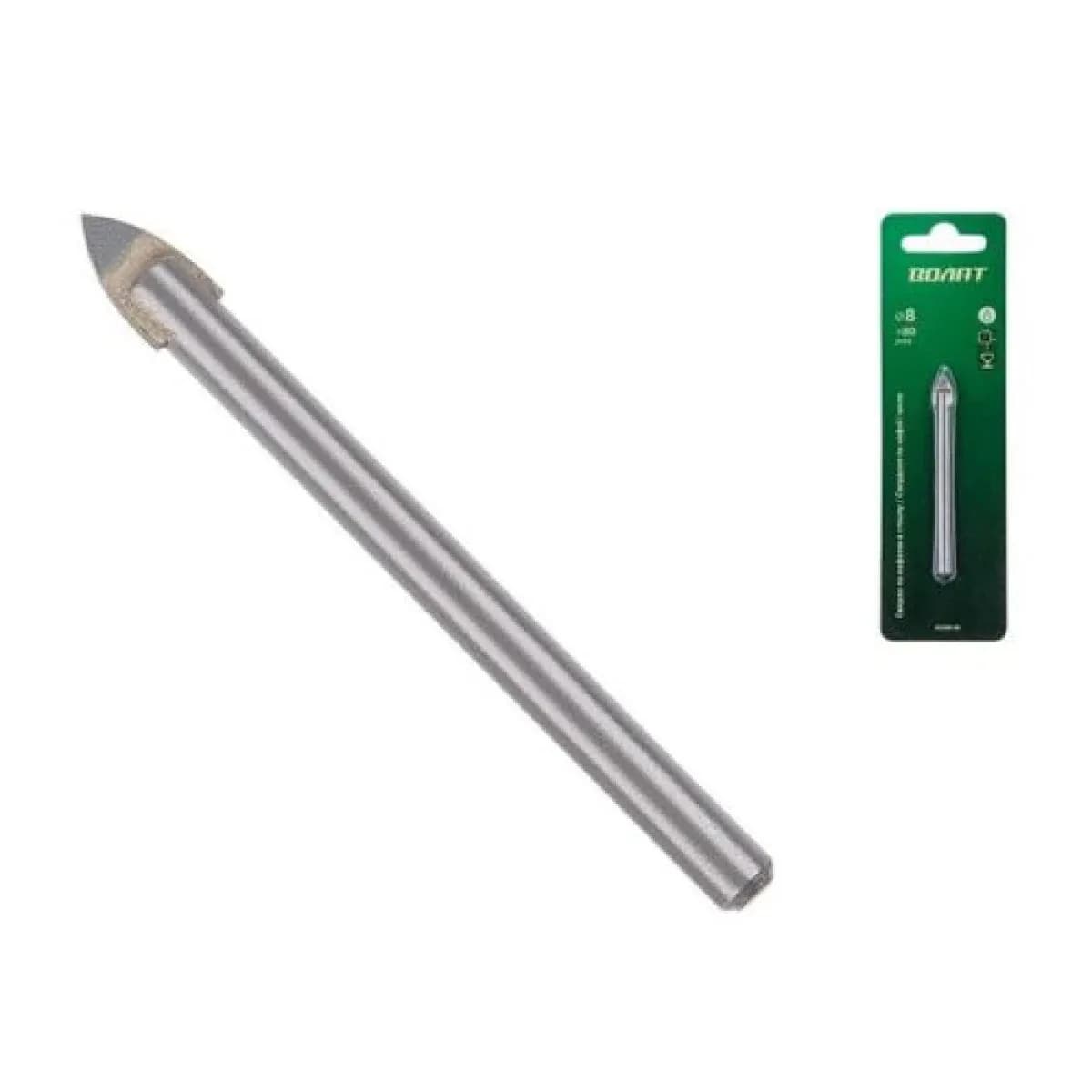
Drill bits for every material. HSS DIN 338 for metal - from 3 mm up to 10 mm, precise geometry, no wandering on steel sheet. SDS-Plus for concrete and masonry with tungsten carbide tip: 6, 8, 10, 12 mm, lengths from 110 to 400 mm. Spear-point bits for glass and tiles - 6 mm cuts a clean socket hole in a tiled wall without cracking the face. Plus sets of hole saws (coroane carotate) for large openings: 26, 32, 38, 45, 50, 56, 63 mm - for back boxes, pipe penetrations and ventilation holes.
Router bits and milling cutters. Cylindrical bits for polystyrene foam and softwood - 70 mm diameter for profiles, frames and insulation edges. HM end mills for composites and OSB. Profile cutters for gypsum board edges and grooves.
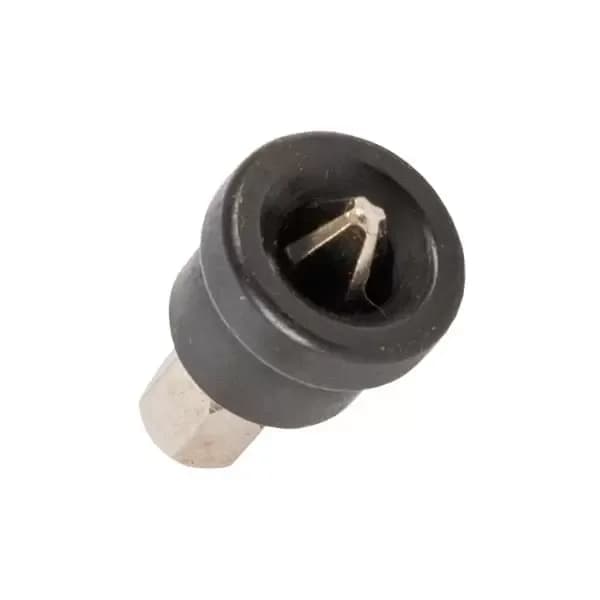
Driver bits and accessories. PH1, PH2, PH3 and PZ1, PZ2 bits for standard and Pozidriv screws. Magnetic bit holders, 150 mm and 300 mm extensions for tight spaces. Torx and Hex bits for metal profiles and hex-head fasteners.
Specialist accessories. Rebar tying tool - fits a standard driver, replaces manual hook work on site, ties wire in seconds. Diamond core bits for reinforced concrete and natural stone.
Choosing the right bit. Concrete - SDS 6-10 mm, 160-260 mm length. Metal - HSS DIN 338, diameter to match bolt or clearance. Glass and ceramic tile - spear point or diamond, low speed, hammer mode off. Polystyrene foam - router bit only, a twist drill tears the material.
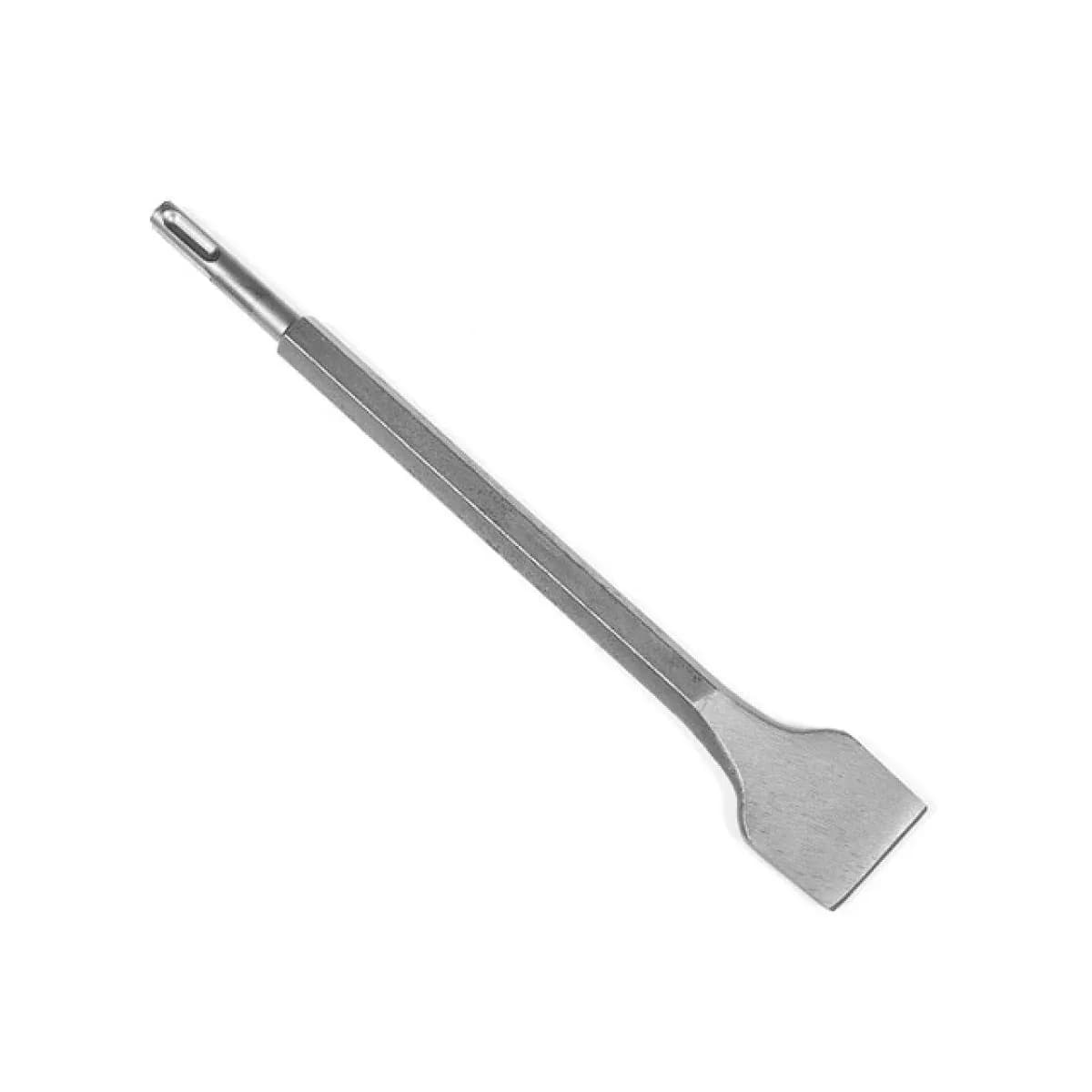
All accessories in stock are compatible with standard market chucks: SDS-Plus shank, 1/4-inch hex, or round 10-13 mm.
You need an SDS-Plus shank bit with a tungsten carbide tip. Common diameters: 6, 8, 10 mm. Length depends on depth - 160 mm covers standard wall plugs, 260 mm for through-wall runs. A plain HSS metal bit without SDS won't stay in a hammer-drill chuck under load.
Use a spear-point bit or diamond-segment bit. Low speed, hammer mode off. Keep the bit perpendicular to the surface. A practical trick: put masking tape over the spot before you start - it stops the bit skating on the glaze.
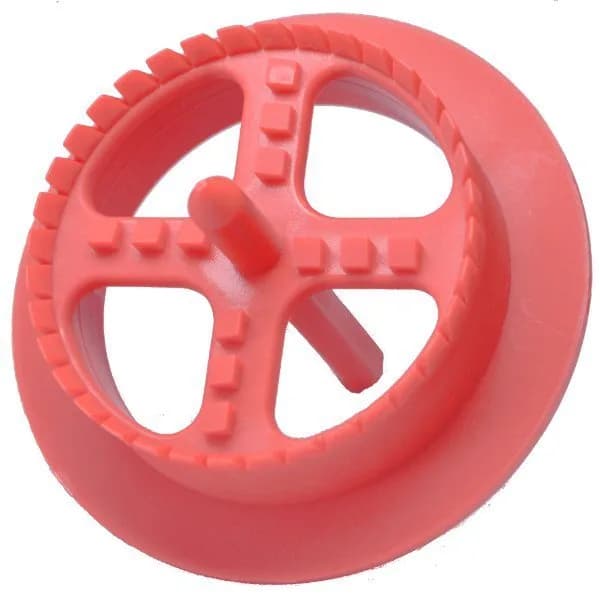
Standard back boxes in Moldova are 68 mm diameter - use a 68 or 70 mm hole saw. For concrete walls you need a tungsten carbide segment saw with SDS-Plus shank. In plasterboard, a standard bimetal hole saw works fine without hammer mode.
A 70 mm cylindrical router bit with a straight cutting edge. Don't use a twist drill - it tears the foam unevenly and generates heat. The router bit gives a clean edge and keeps the material cool. Medium speed, no heavy pressure.
PH (Phillips) has a cross profile with rounded flanks - the most common in wood screws and plasterboard fixings. PZ (Pozidriv) adds extra ribs between the arms and handles higher torque without cam-out. Modern construction screws are mostly PZ2. PH2 remains standard for furniture fittings and small-diameter screws.