Protective wood oils - parquet, furniture and exterior timber
Oiled wood breathes. Varnish seals it shut, then cracks when the wood moves.
That's the fundamental difference between oil and surface varnish or paint. Oil penetrates the grain, fills the pores, protects from inside and leaves the wood able to exchange moisture with its surroundings. Varnish forms an external film - quick to apply, glossy, but rigid. When wood expands in summer or contracts in a cold Moldovan winter, the film deforms and eventually cracks.
Parquet oil - formulated for foot traffic, resistant to scratches and stains. Gives a natural matte or satin finish with the grain visible. Oiled parquet is locally repairable - a scratched area can be touched up without sanding the whole floor. A varnished floor needs full sanding and revarnishing when it deteriorates.
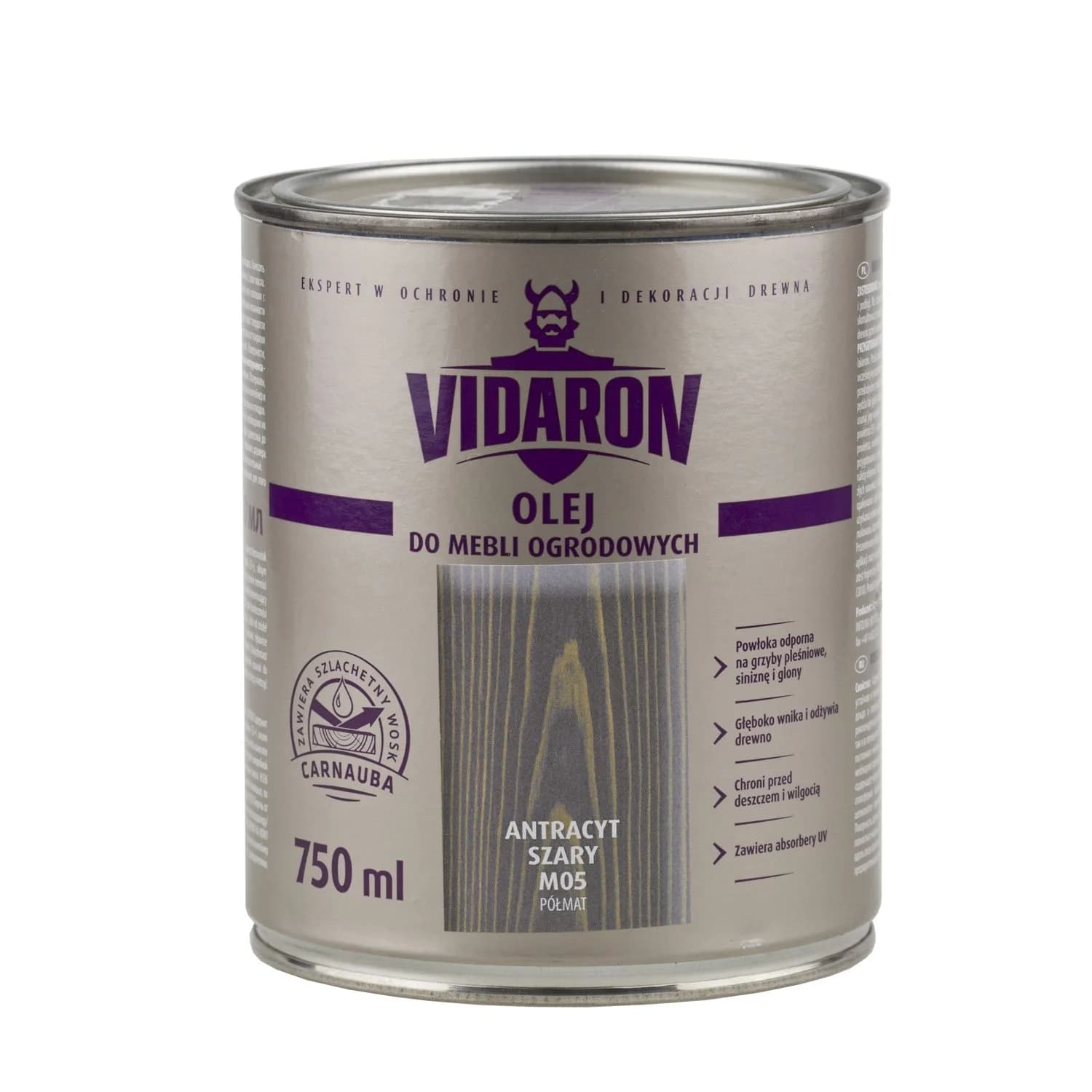
Furniture oil - lighter formulations for low-traffic surfaces. Tables, chairs, interior doors. Can be applied by non-specialists with a cloth or wide brush.
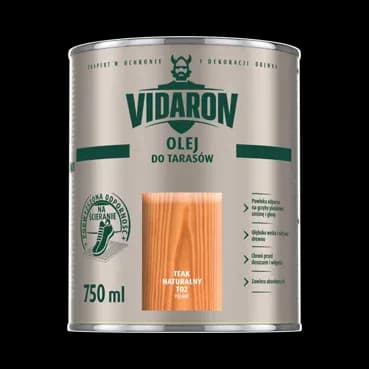
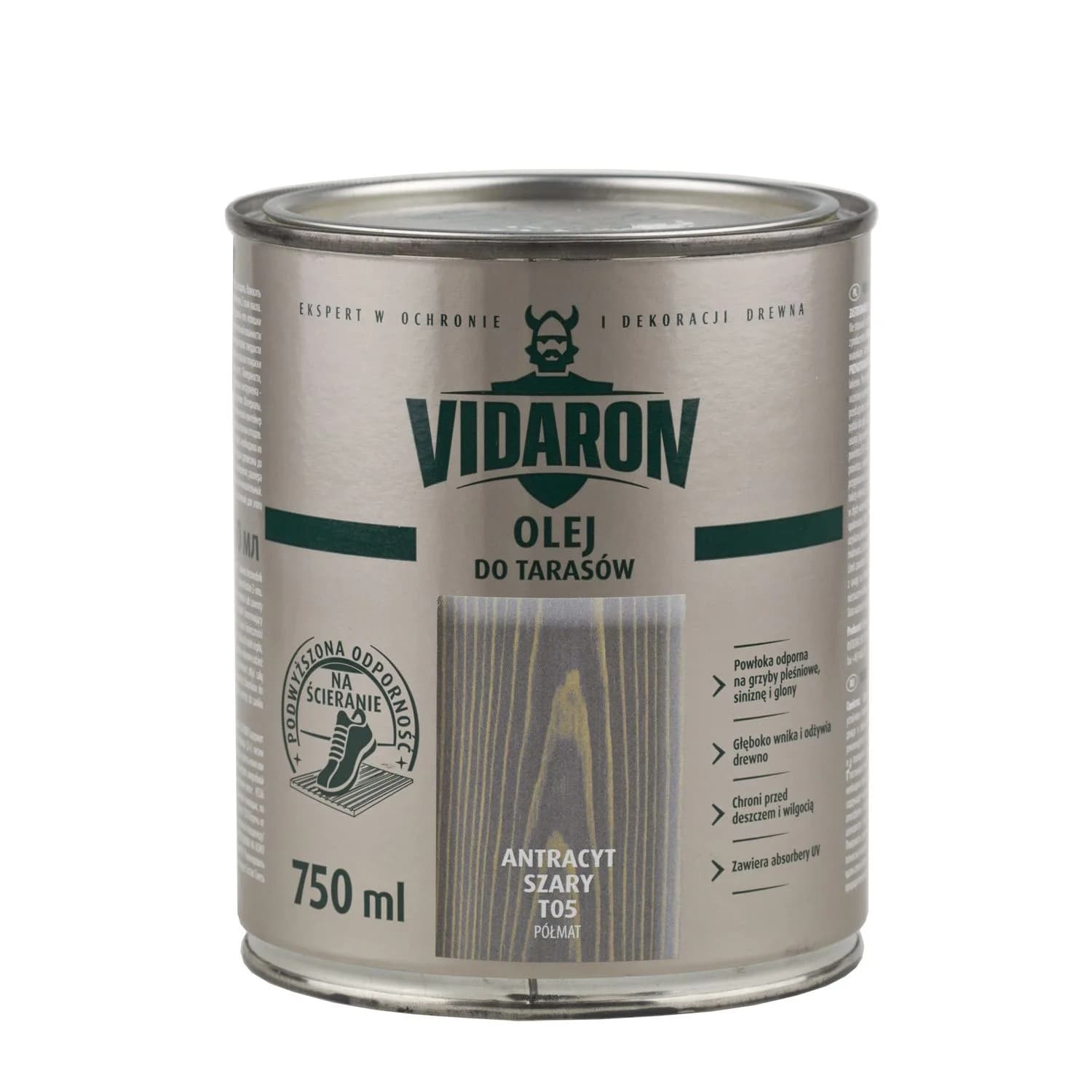
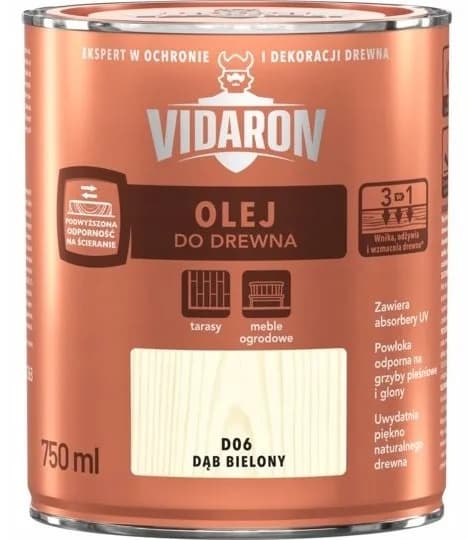
Exterior wood oil - decking, garden furniture, fences. With additional UV filters and hydrophobic components. Outdoor timber needs retreating more often - but each treatment goes onto a clean surface, no sanding required.
A technical note: oils based on linseed, tung or synthetic agents dry at different rates. Linseed dries slowly but penetrates deep. Tung oil dries faster and gives better water resistance. Commercial products typically blend several agents for balance.
In stock: Sadolin, Tikkurila (Helmi for furniture, Valtti exterior range), Caparol wood oil lines.
Oiled parquet has a natural matte look with visible grain, and damaged areas can be repaired locally without touching the rest of the floor. Varnished parquet is glossier and easier to clean daily, but deterioration means sanding and full revarnishing. Oil is more practical for long-term maintenance and closer to the natural wood look.
No. Varnish blocks oil from penetrating the grain. You need to sand off the varnish completely, get back to bare wood, and then apply oil. On partially sanded parquet, oil will absorb unevenly and the result will be patchy.
Depends on traffic. A normal living room - every 3-5 years, busier zones like hallways and stairs more often. The signal: a water drop absorbs into the wood quickly instead of beading. Retreating means 1-2 extra coats on the worn area, no need to redo the whole floor.
Fundamentally yes. Exterior oils contain UV filters and stronger water-repellent components for rain and frost. Using an interior oil on decking or garden furniture means protection breaks down quickly. Always pick by application - interior or exterior - as stated on the product.
In kitchens - yes, for solid wood worktops and tables, using food-safe certified or high water-resistance oils. In bathrooms - with caveats. Wooden surfaces in poorly ventilated bathrooms are problematic in general. Oil is more flexible than varnish but doesn't make wood waterproof.