Fibreglass Mesh and Reinforcing Mesh for Render and Concrete
Without mesh, render cracks. That's physics, not sales talk. Temperature swings between -15°C in winter and +32°C in summer put render under cyclic stress. Mesh distributes those forces.
Two families here:
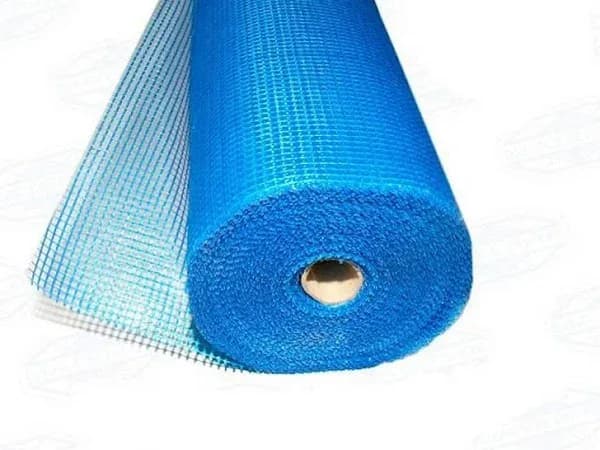
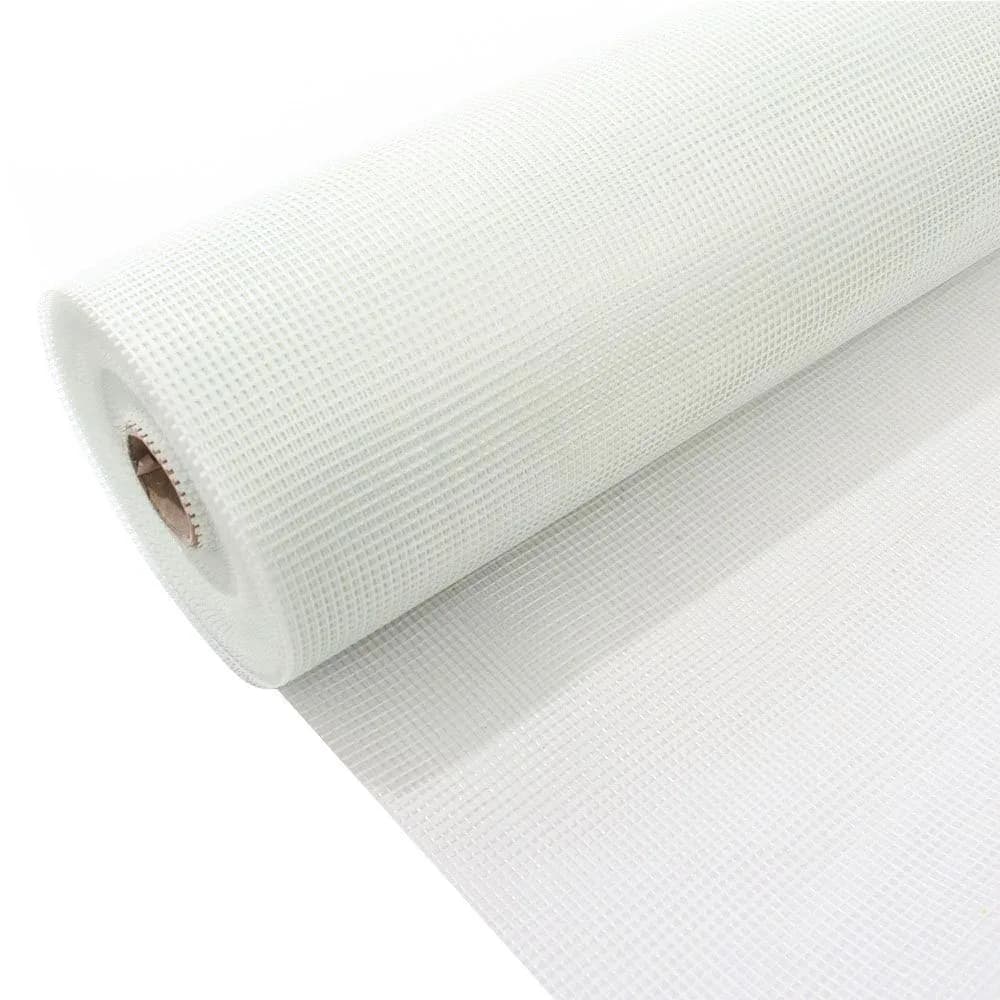
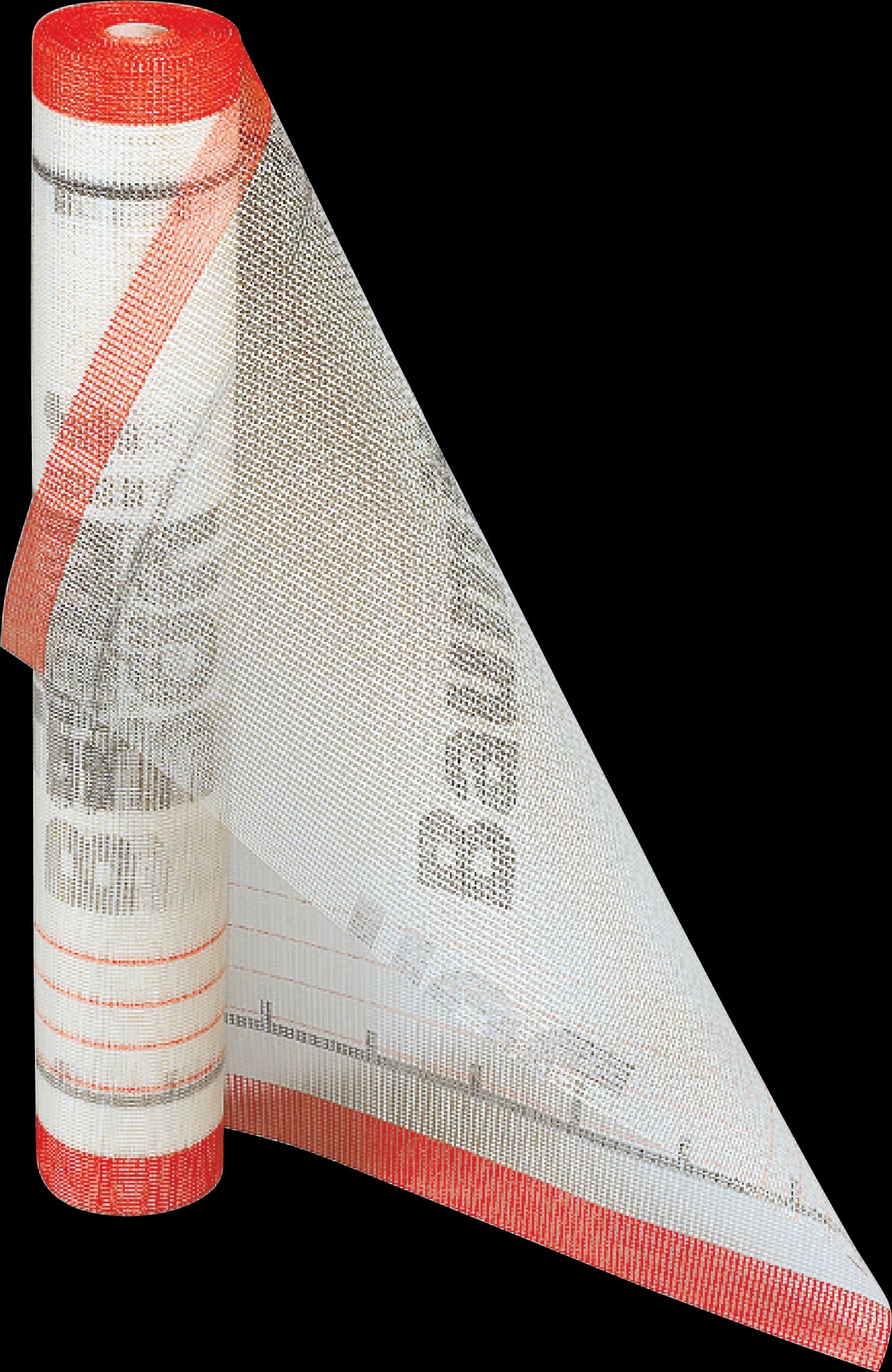
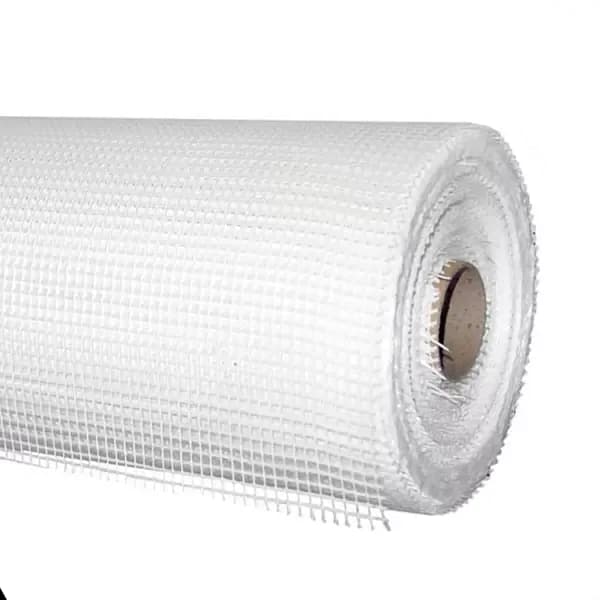
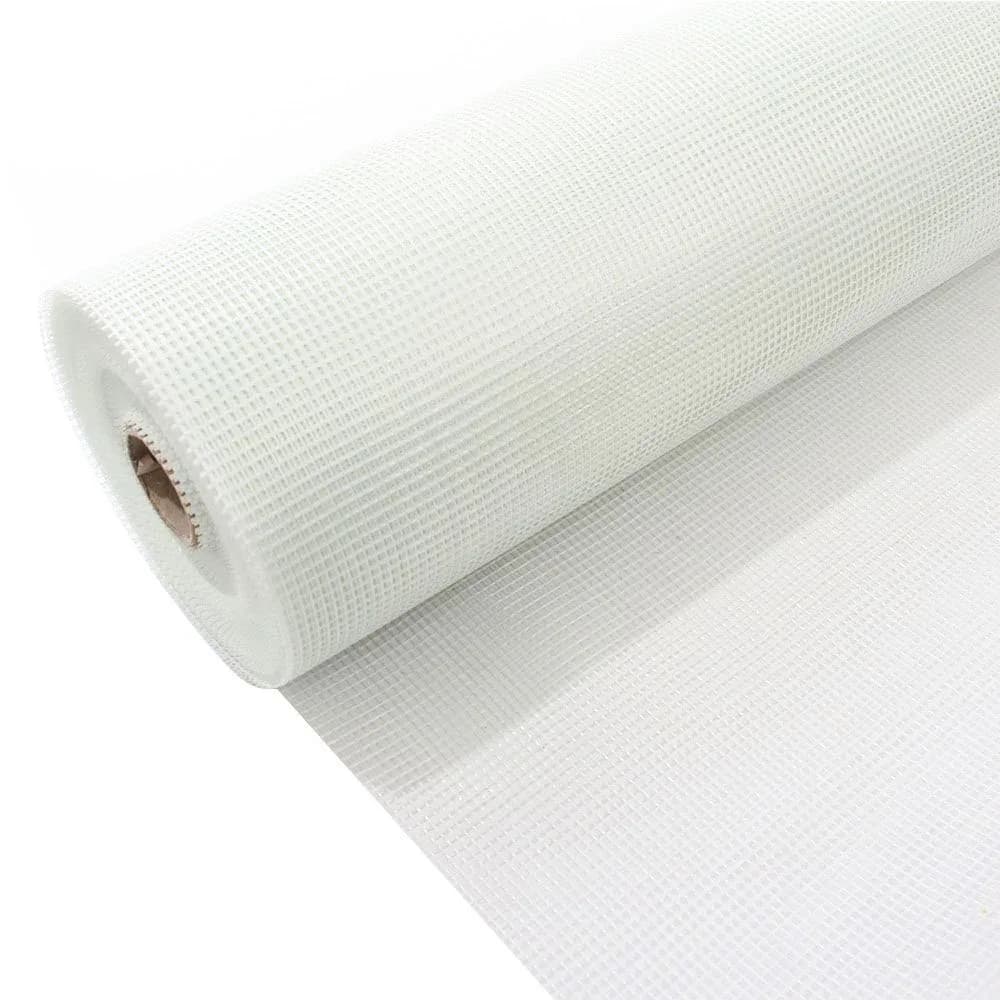
Fibreglass mesh - for reinforcing external render and ETICS facade systems. Weight in g/m2 is the strength indicator: 145 g/m2 is the standard for ETICS insulation systems; 160-165 g/m2 for corners and plinths where impact is more frequent; 55-60 g/m2 for interior render with hairline cracks.
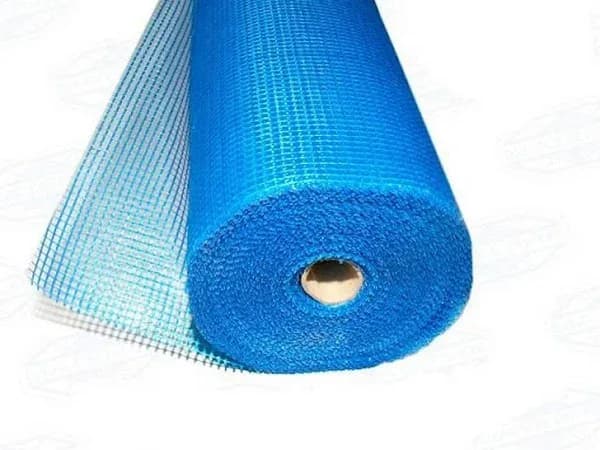
Colour means nothing. White, orange, green, blue - that's just the manufacturer's identification pigment. What matters: weight, mesh aperture size and alkali-resistant treatment.
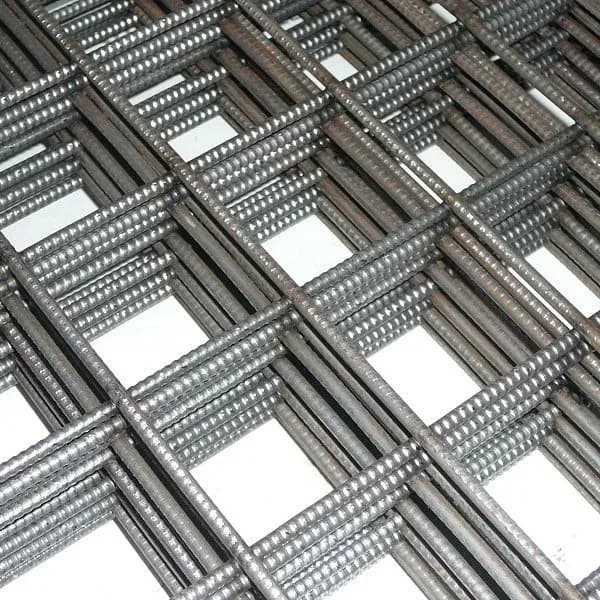
Welded steel reinforcing mesh - for concrete screeds, ring beams, structural elements. Steel bars welded in grid (6x150mm, 8x200mm). Not interchangeable: fibreglass isn't for structural concrete, steel mesh isn't for decorative render.
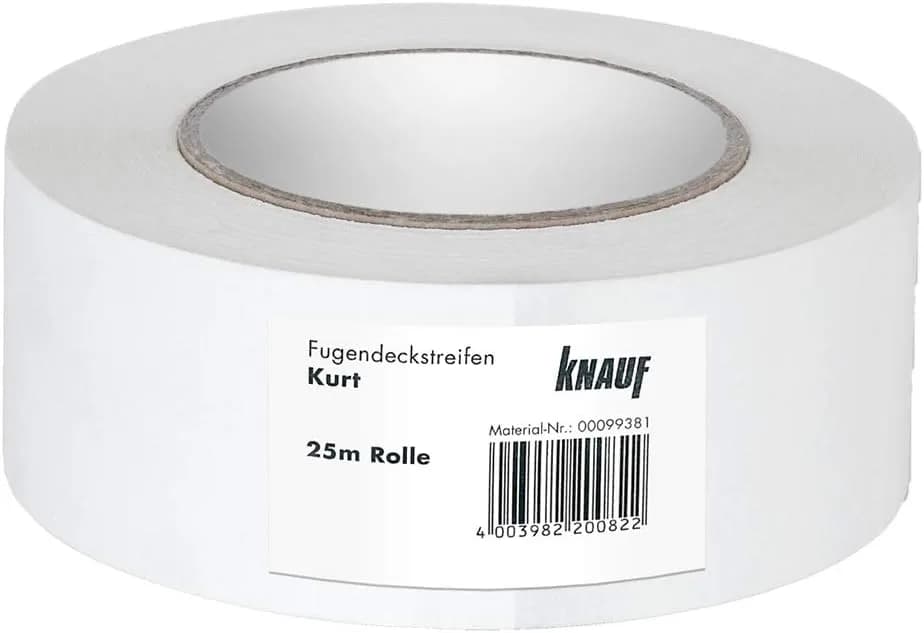
Corner tapes and beads - for reinforcing internal and external corners, window and door reveals. Embedded in the first layer of adhesive mortar.
Common mistake: 55 g/m2 mesh used in ETICS systems. After two winters the mesh pattern shows through cracks on the facade - it tore under thermal stress.
Minimum 145 g/m2 for a standard ETICS system. At the plinth, corners and pedestrian-level areas use 160-165 g/m2. Mesh below 100 g/m2 is not suitable for insulation systems - it cracks after the first severe thermal cycle.
Alkali-resistant treated mesh (labelled 'alkali-resistant' on the spec) yes. Untreated mesh degrades in contact with cement over months, losing mechanical strength. Check the label, not the colour.
Reinforcing concrete screeds, ring beams, load-bearing elements, foundations. In structural concrete applications fibreglass cannot replace steel. Bar diameter and grid spacing are selected by structural calculation or code (Eurocode 2 or local equivalent).
Surface area plus 10% for overlaps. Minimum 10cm overlap at joints - without it cracks appear exactly on the join line. For 10 m2 of wall, order about 11-12 m2 of mesh.
Yes, at high-risk zones: plinth, building corners, impact-prone areas. First layer embedded in adhesive mortar, second layer in the same coat before it sets. Stagger the overlaps between the two layers so they don't align.