Self-Tapping Screws for Timber, Metal, Drywall and Construction
A wood screw in metal seizes and snaps. A metal screw in timber strips out. Three seconds to check the head type and thread pitch before buying.
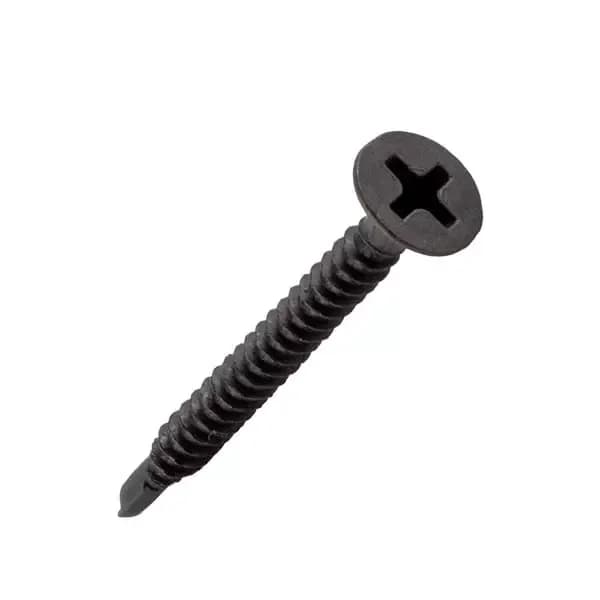
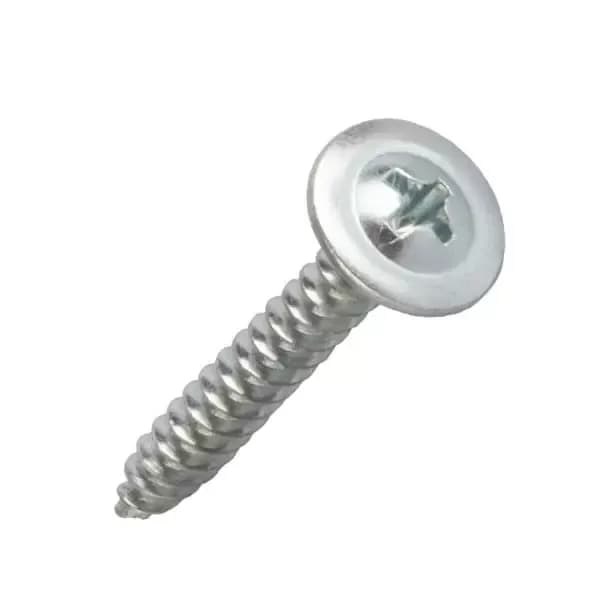
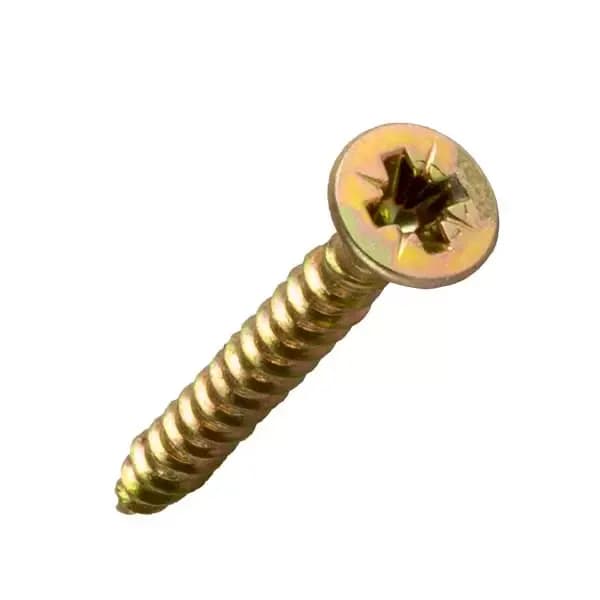
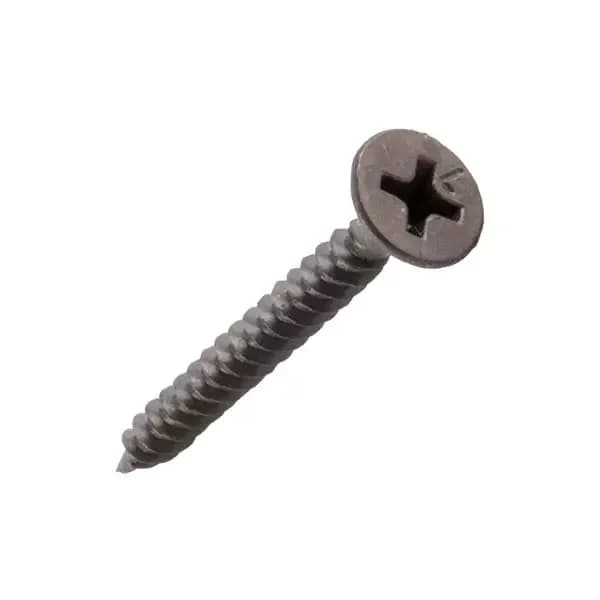
Visual difference between types:
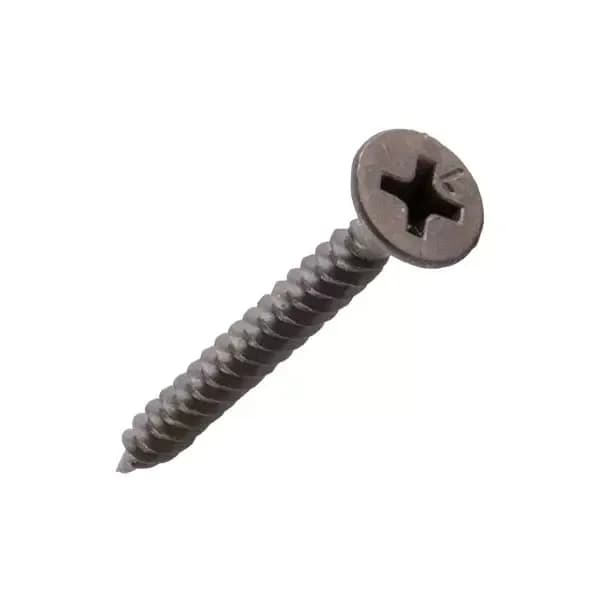
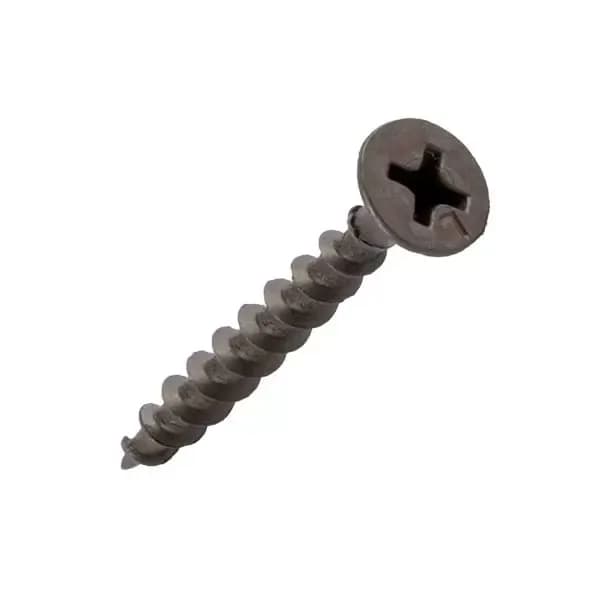
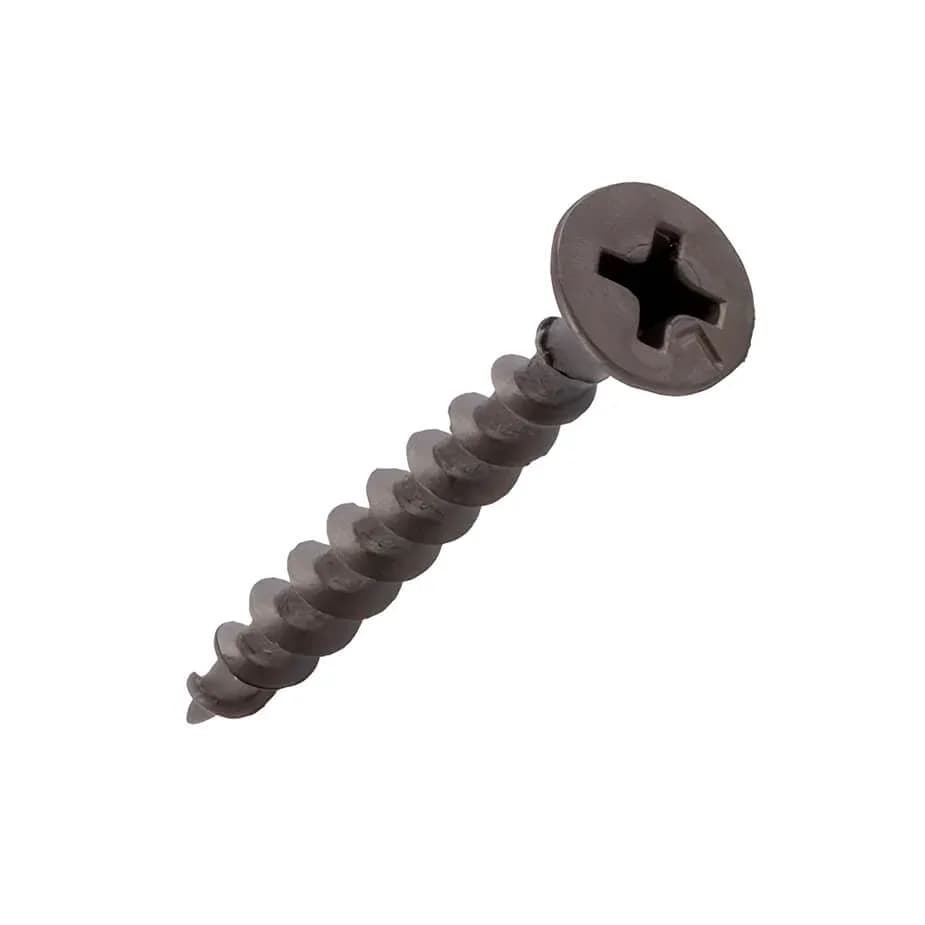
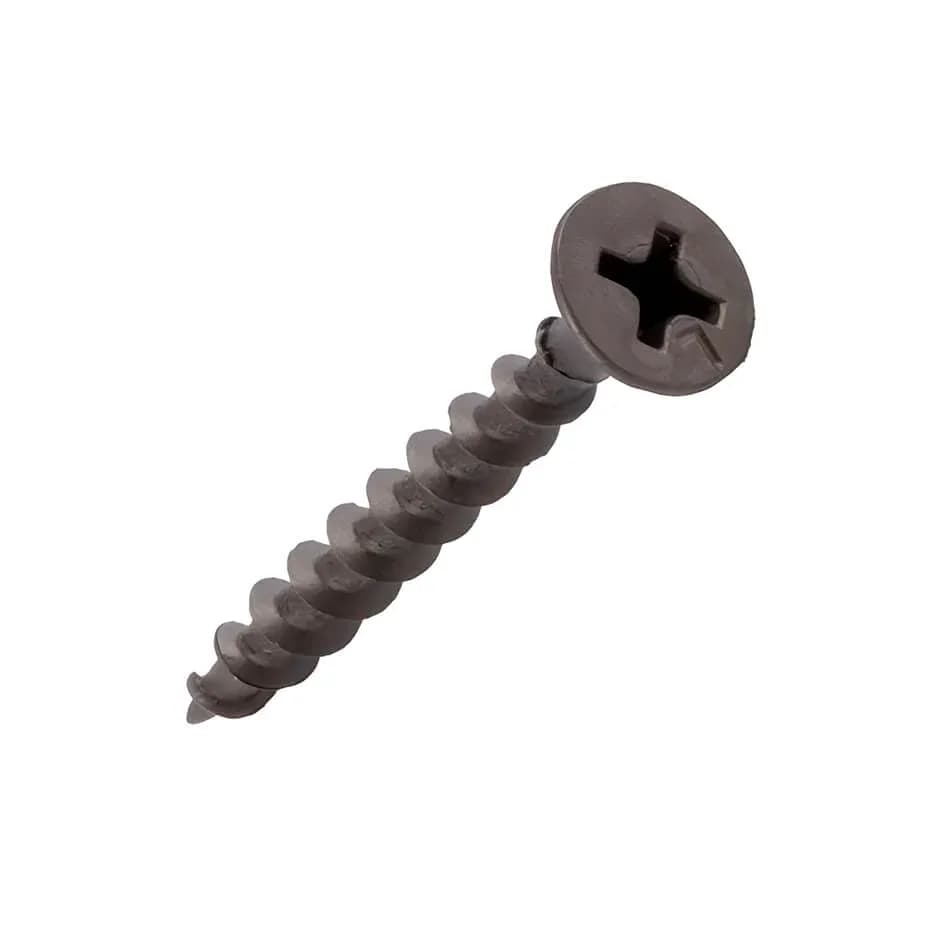
Wood screws (coarse thread) - wide-pitch thread, sharp self-drilling point. Black phosphated for dry interior, galvanised for outdoor and damp. Use: OSB, solid timber, timber-to-timber and timber-to-metal joints.
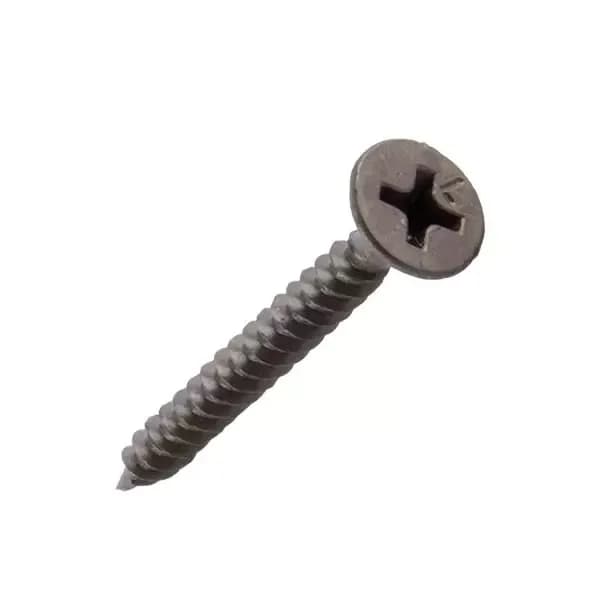
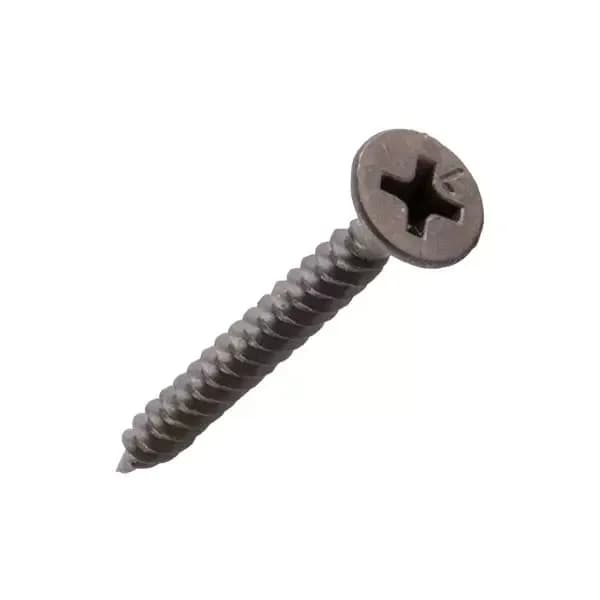
Metal and thin-sheet screws - fine close-pitch thread, point with pre-drill tip or drill-point shape. For sheet 0.7-2.5mm, steel profiles, roofing systems. With EPDM washer for sealing on roofs.
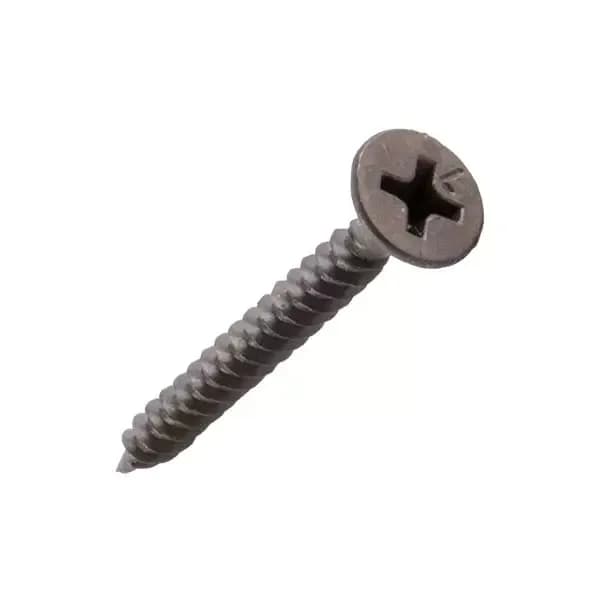
Drywall screws (fine thread, bugle head) - countersinking trumpet head, fine thread, black phosphated or galvanised. Specifically for GKL into metal stud. Don't substitute wood screws - the coarser head won't countersink properly and damages the board face.
Stainless screws A2/A4 - for exterior, facades, treated timber. Stainless won't rust and won't leave brown stains on light-coloured wood.
Screw length: minimum 2x the thickness of the piece being fixed plus 15mm grip in the base. Sheet 0.7+0.7mm: 16-19mm screw. 18mm board into a joist: 50-60mm screw.
Drywall screws, fine thread, 3.5x35mm (single layer) or 3.5x55mm (double layer), black phosphated. Not wood screws - the coarser head won't countersink cleanly and leaves a bump in the board. Maximum screw spacing: 250mm on studs and perimeter, 750mm in the field.
Not directly. A wood-thread screw in sheet steel seizes and can snap. Bi-metal screws exist (timber-metal) with a drill-point tip that pierces the sheet and grips in a timber base. For thin sheet up to 2mm - use a metal-specific screw with fine thread.
Black phosphated is anti-corrosion treatment for dry interiors only - not moisture-resistant. Galvanised (electro or hot-dip) for outdoor and damp areas. Stainless A2 for quality outdoor use and treated timber. Black phosphated in a bathroom - rust in six months.
In timber - head flush or just below the surface, not buried 5mm deep (overtorquing splits the material). In metal - head presses the sheet firmly, EPDM washer compressed (not crushed). In drywall - head sits 1mm below the board face, no deeper.
Yes, for decorative timber and facades. Galvanised screws in oak or larch outside start to oxidise within 1-2 seasons and leave yellow-brown streaks. Stainless A2 won't corrode and won't stain the wood. For covered structures without direct rain exposure - galvanised is sufficient.