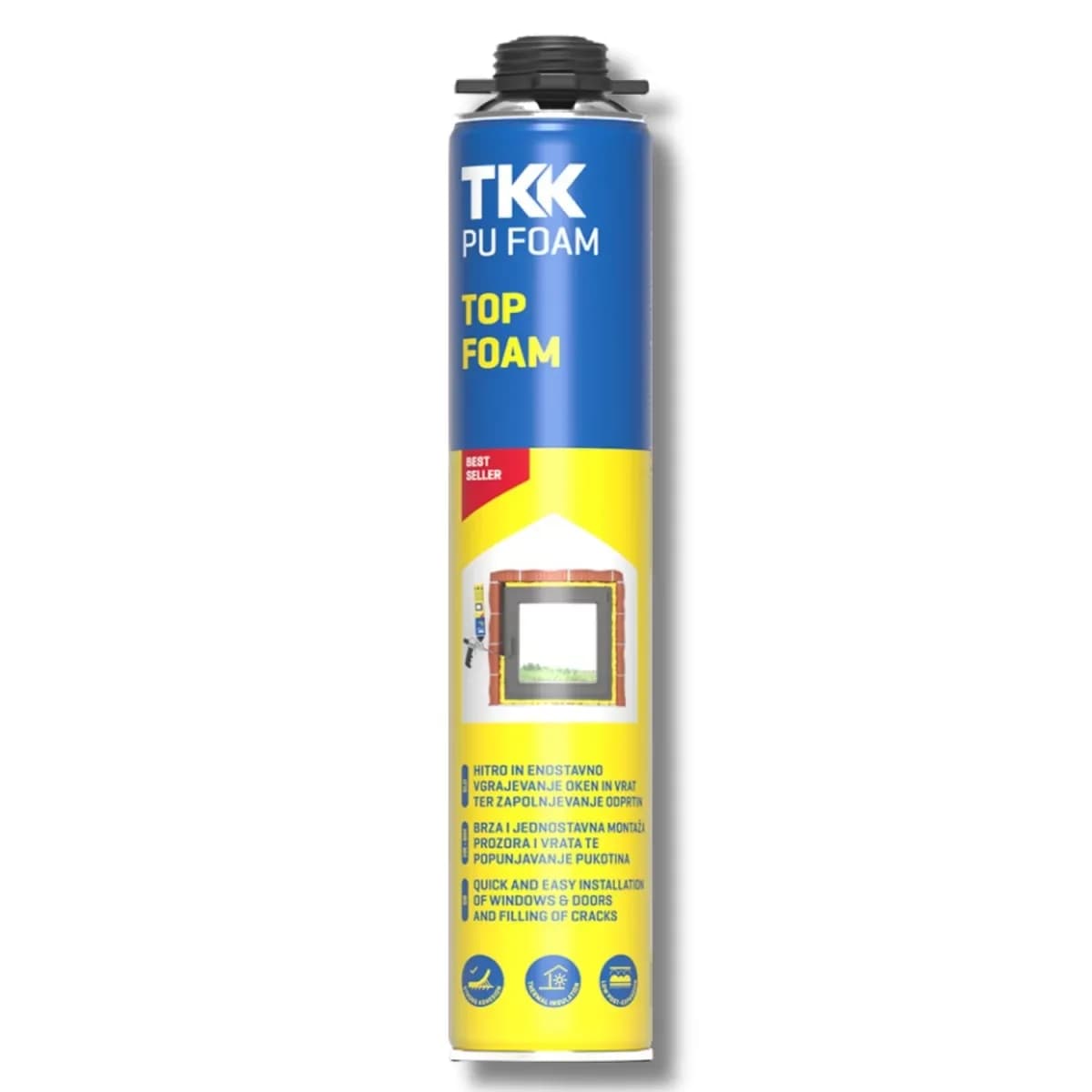
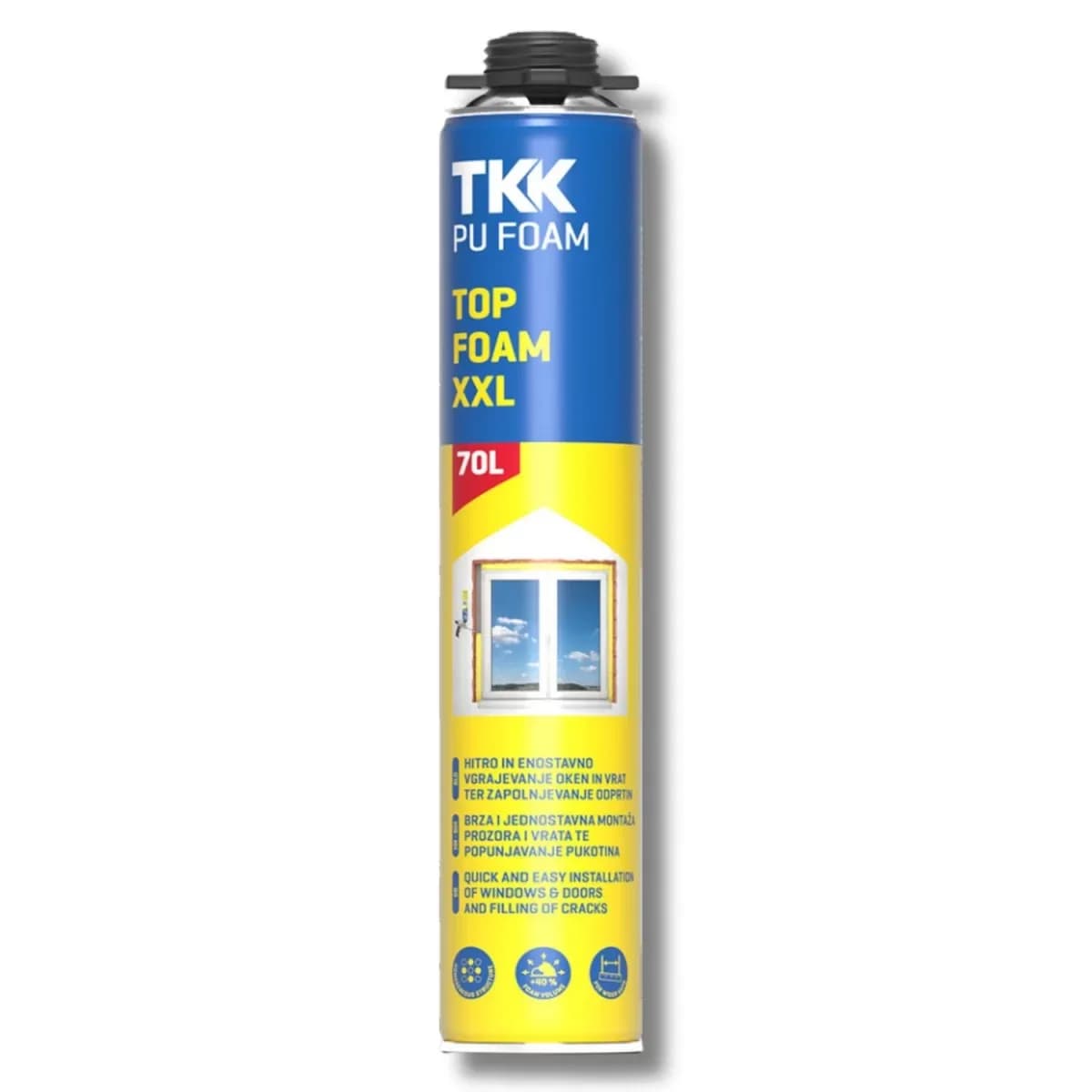
Construction Sealants - Acrylic, PU and MS-Polymer in Stock
Soudal manufactures sealants in Belgium. One of Europe's largest sealant producers. Their range - alongside other European brands - is stocked in Chisinau.
Sealant selection comes down to three criteria: elasticity (how much the joint will move), substrate compatibility, and paintability. Acrylic: cheapest, paintable, limited elasticity - for static joints and fine interior gaps. PU: high mechanical strength, good in pedestrian traffic zones, abrasion resistant. MS-polymer: the hybrid - elastic, paintable, no isocyanates, UV-stable.
New window in a Soviet-era block in Botanica? The joint between PVC frame and concrete wall works - expands in summer, contracts in winter. Without an elastic sealant (MS or neutral silicone) a crack appears by the first winter.
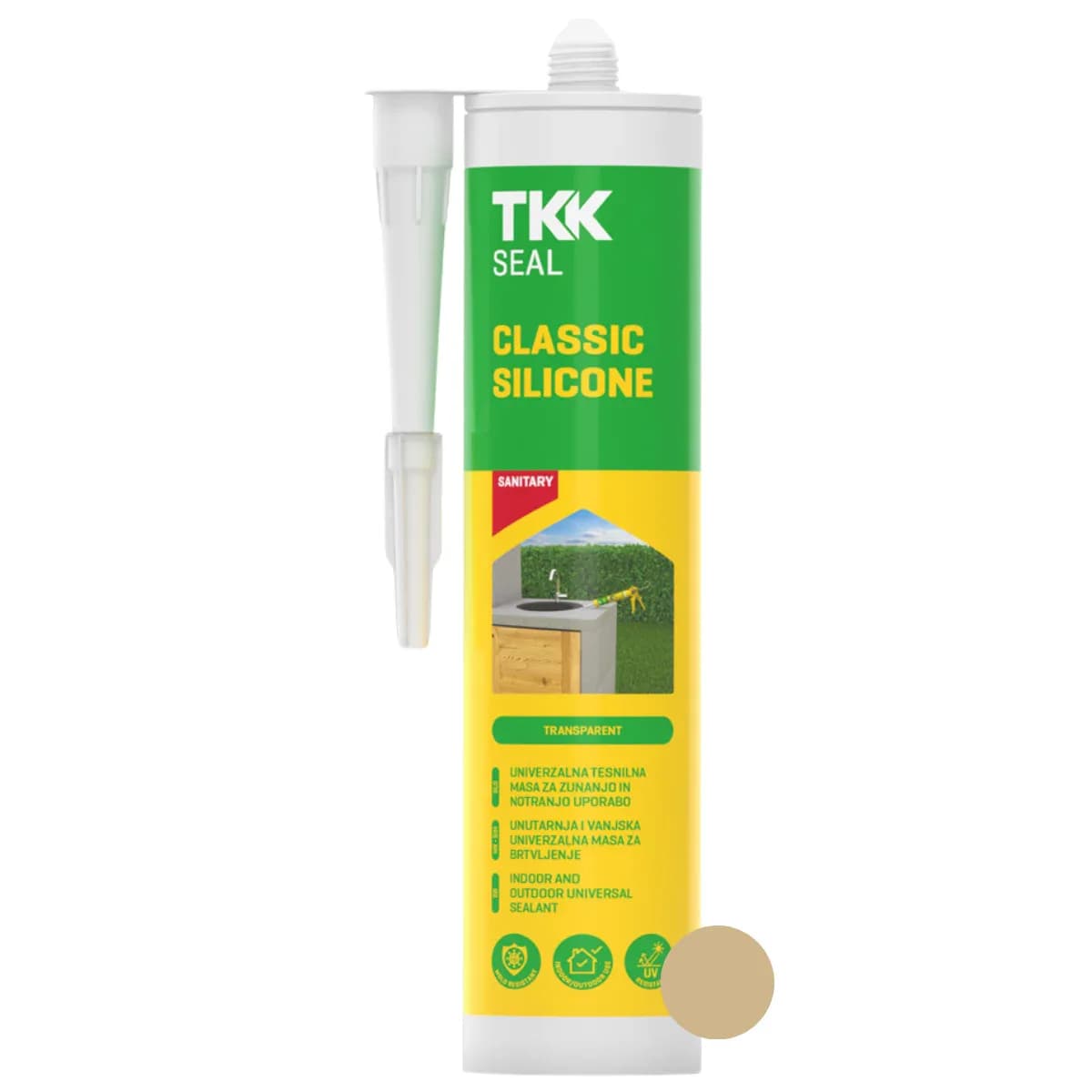
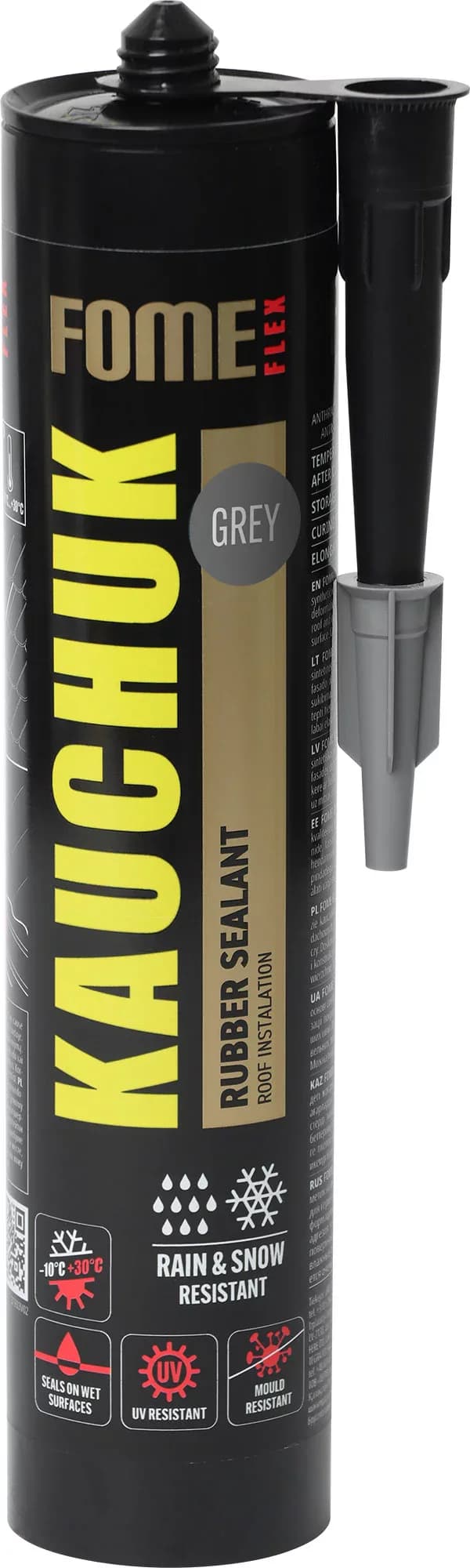
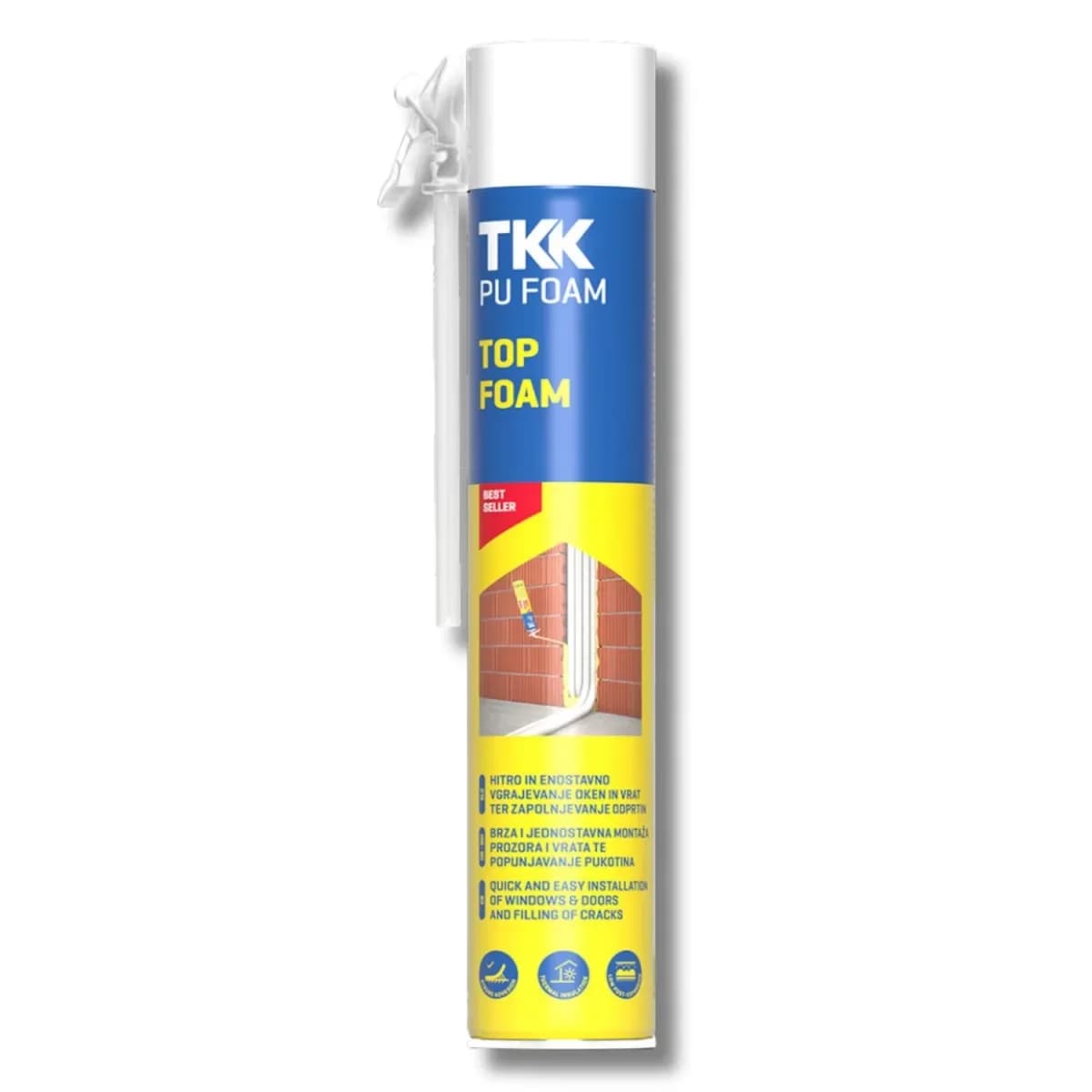
Brands stocked: Soudal, Ceresit CS, TKK - indoor and exterior grades.
Neutral silicone or MS-polymer for exterior - high elasticity, UV and rain resistance. Acrylic isn't recommended for mobile exterior joints - it hardens, cracks and loses adhesion. Interior fine joints - paintable acrylic works well.
Only for static joints in sheltered positions (under eaves, inside loggias). On surfaces exposed to direct sun and rain, acrylic hardens, cracks and loses adhesion within 2-3 years. Open facade - silicone or MS-polymer.
General rule: joint width should be double the depth. Minimum depth is 6 mm. Too narrow a joint prevents elastic compression, too deep wastes material. Control depth with a polyethylene backing rod.
Depends on type. Some PU and MS-polymer grades tolerate slight surface moisture. Acrylic and standard silicone need dry surfaces. Check the product specification for the exact moisture limit.
Quality silicone and MS-polymer typically last 10-15 years outdoors under normal conditions. UV intensity, joint movement amplitude and surface preparation quality at application all affect service life.