Silicone Sealant - Neutral, Acetic, Sanitary and Structural
Acetic silicone on marble or concrete - and within a week you've got yellow staining and a vinegar smell that lingers for months. Classic mistake.
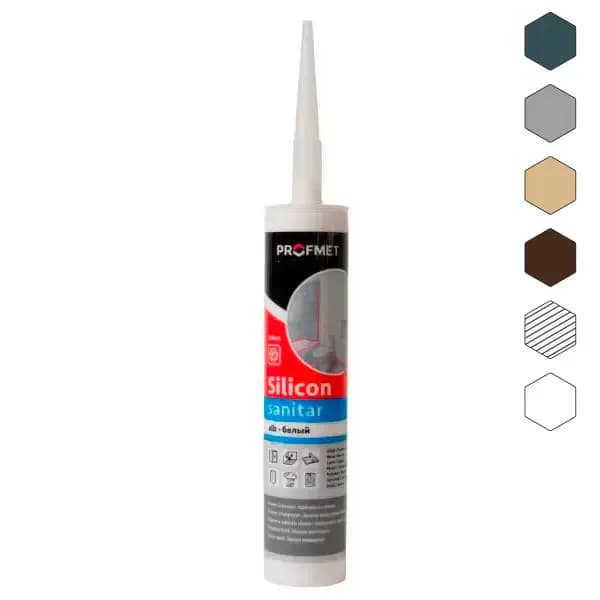
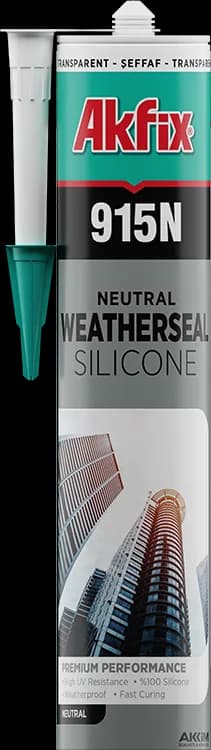
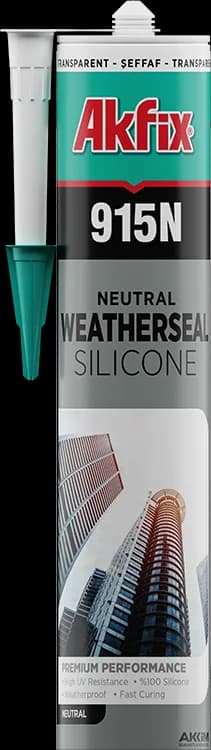
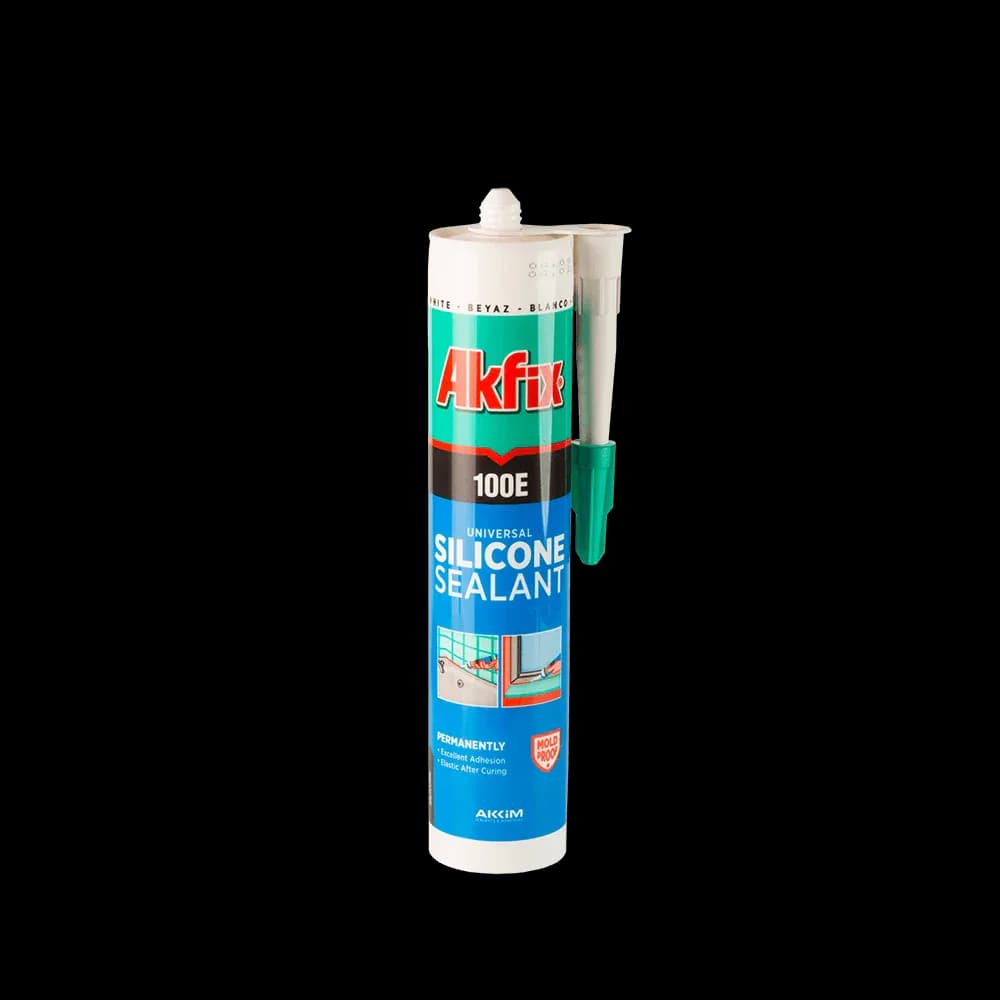
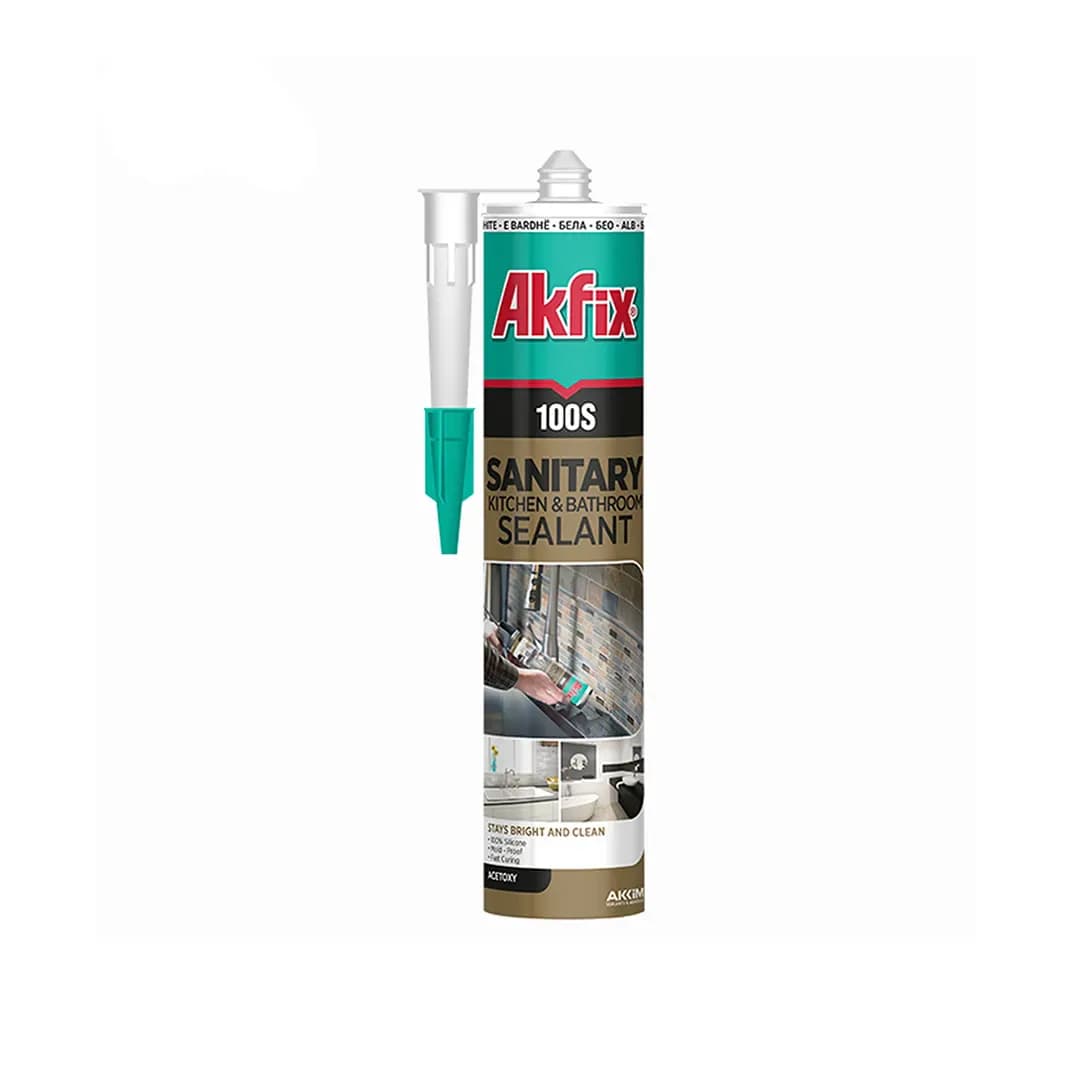
Silicones split by curing chemistry: acetic (vinegar smell) - cheaper, fast curing, works on glass and glazed ceramics only. Neutral - no acid release, safe for marble, natural stone, metal, concrete, aluminium. Sanitary - with antifungal biocide for bathrooms and kitchens. Structural - for simultaneous bonding and sealing on facade and window frames.
Movement joints: ISO 11600 class tells you the allowable movement - 12.5%, 25% or 50% of joint width. A 10 mm joint at class 25 handles 2.5 mm of movement max.
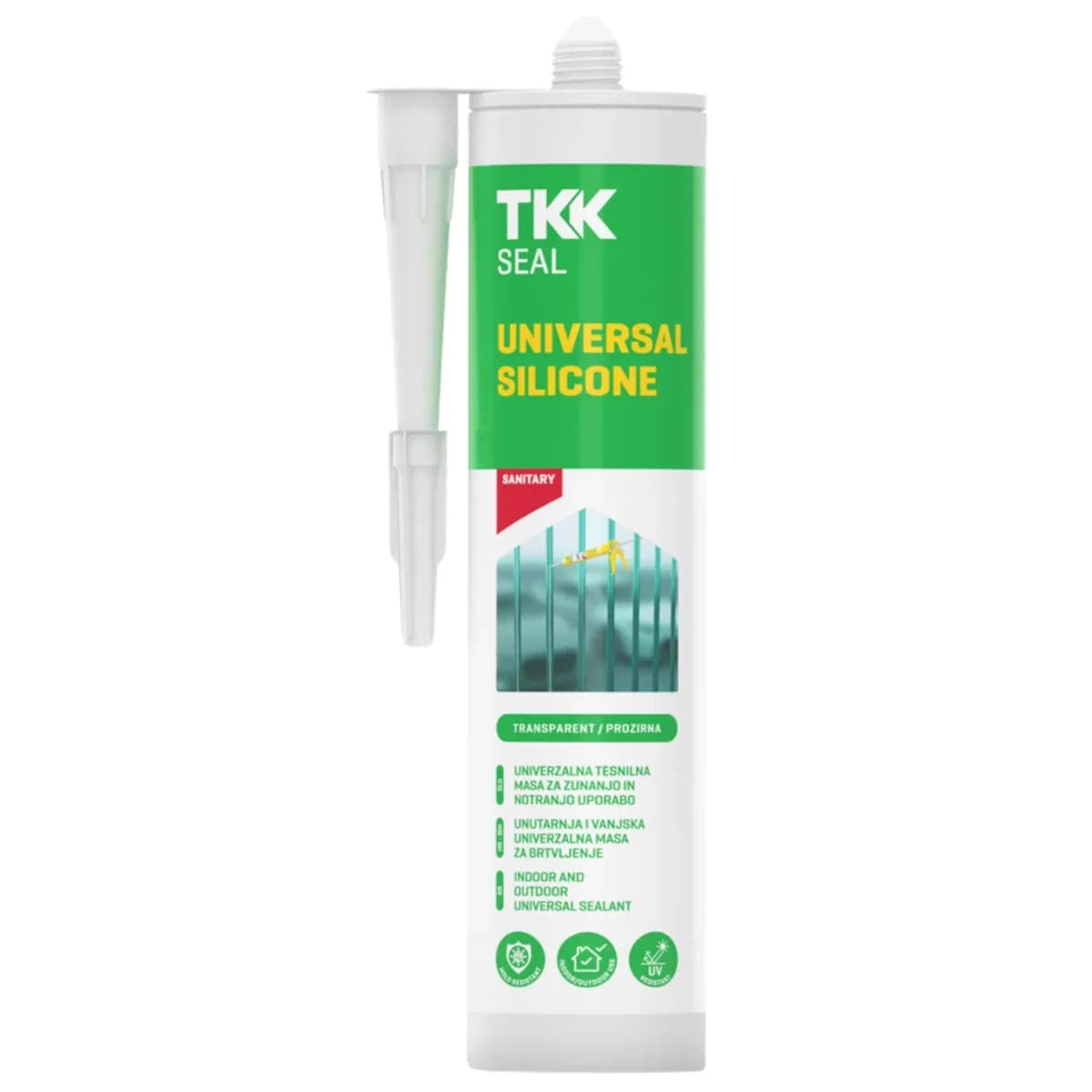
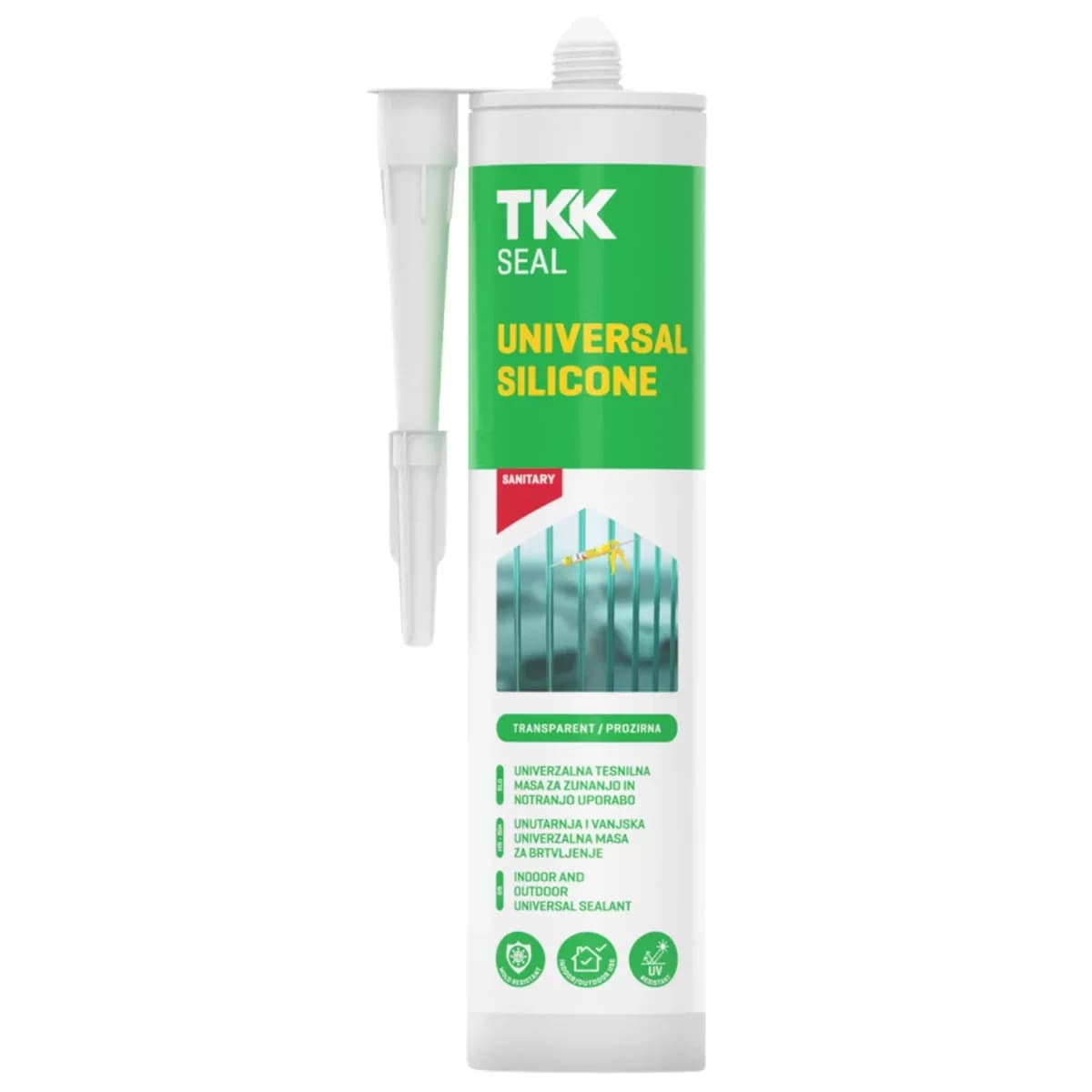
In stock: Soudal, Ceresit CS, TKK - specific series per application.
Acetic silicone releases acetic acid while curing. It smells, stains marble and natural stone, and can corrode metal and concrete surfaces. Neutral doesn't. On anything other than glass and glazed tile, use neutral.
Standard silicone can't - paint won't stick. There are hybrid acrylic-silicone sealants that are paintable but less elastic. If you need a painted joint finish, use an acrylic-silicone hybrid rather than pure silicone.
With antifungal biocide, typically 5-8 years under normal ventilation. A bathroom with no extractor fan and constant condensation accelerates mould growth significantly. Periodic cleaning with anti-mould products extends the life.
No. New silicone won't bond to old. Remove the old material completely with a knife or scraper, clean off residue with solvent, let it dry - then apply fresh sealant.
Both work. MS-polymer has the edge because it's paintable and holds colour under UV better than silicone. For painted facade joints - MS-polymer. For PVC or aluminium window frames - neutral or structural silicone.