Thermal Insulation Materials for Facades, Roofs and Floors
Insulation in Chisinau isn't optional - it's a financial decision. Winters hit -10/-15°C, summers reach +30°C. An uninsulated wall loses a significant share of heating energy. The bills make the case.
Three main insulation materials:
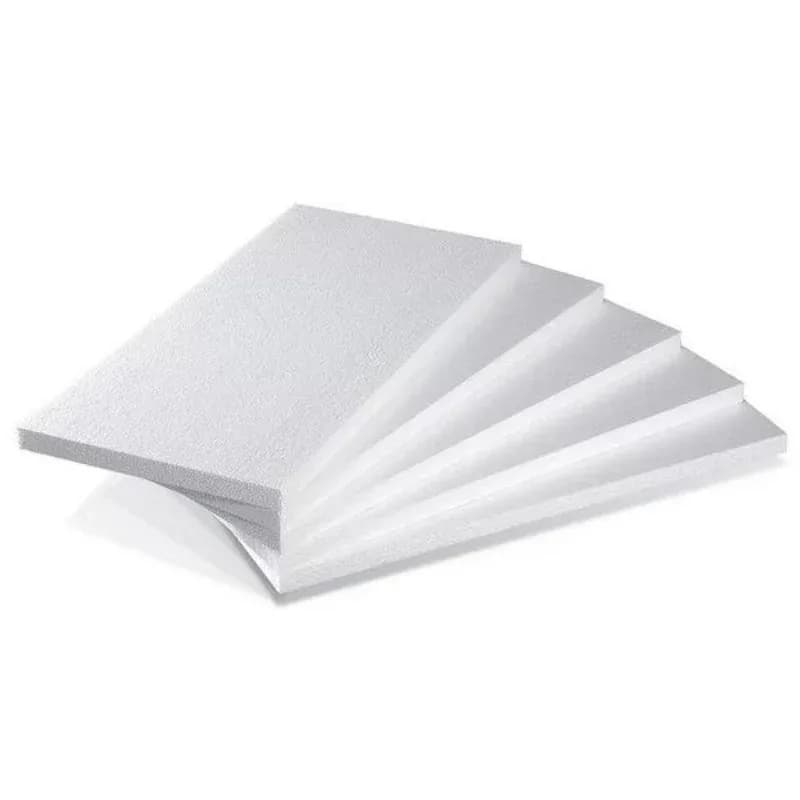
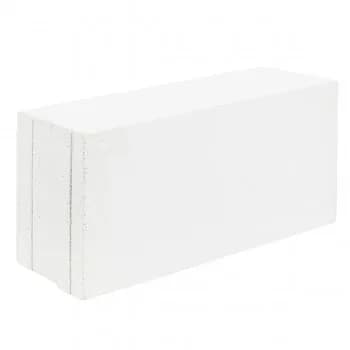
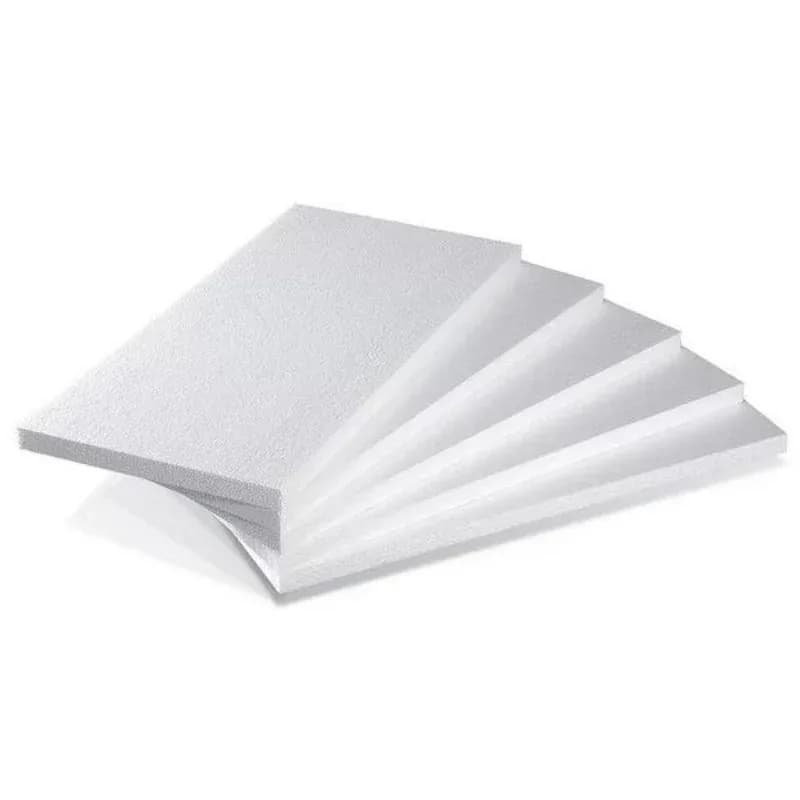
EPS - expanded polystyrene - the most widely used in Moldova for ETICS facade systems. Dry, light, easy to cut and fix. Density 15-25 kg/m³ for facades, 30-35 kg/m³ for floor insulation under screed. Not for permanent moisture or direct flame exposure.
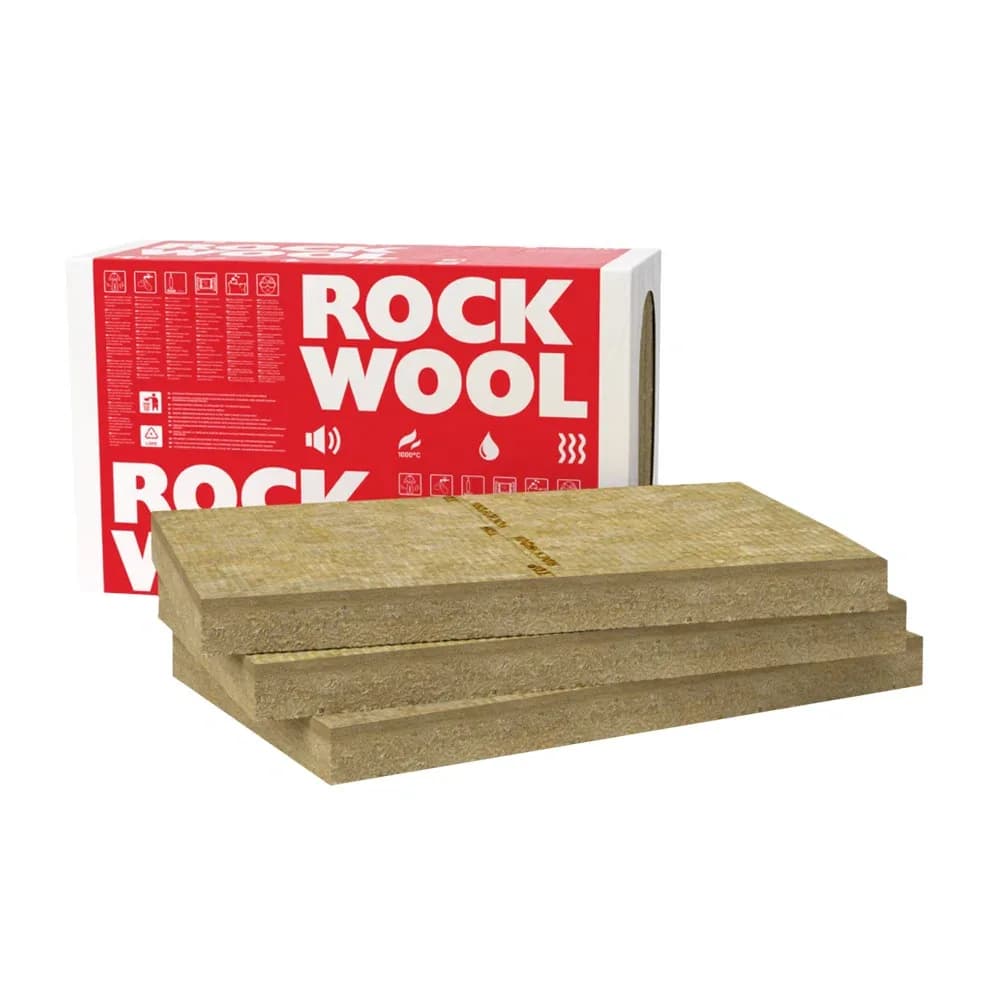
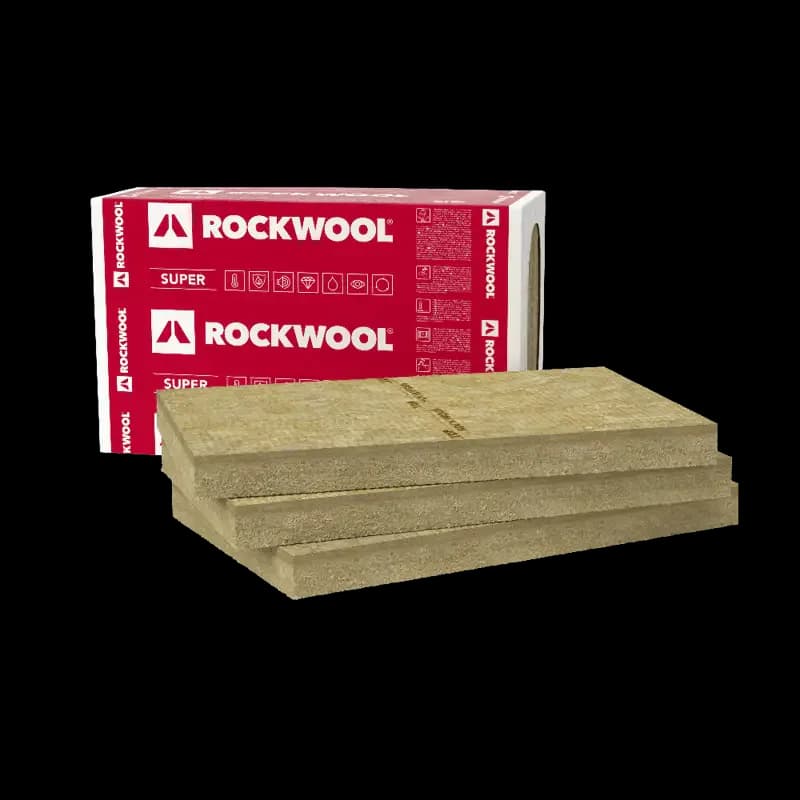
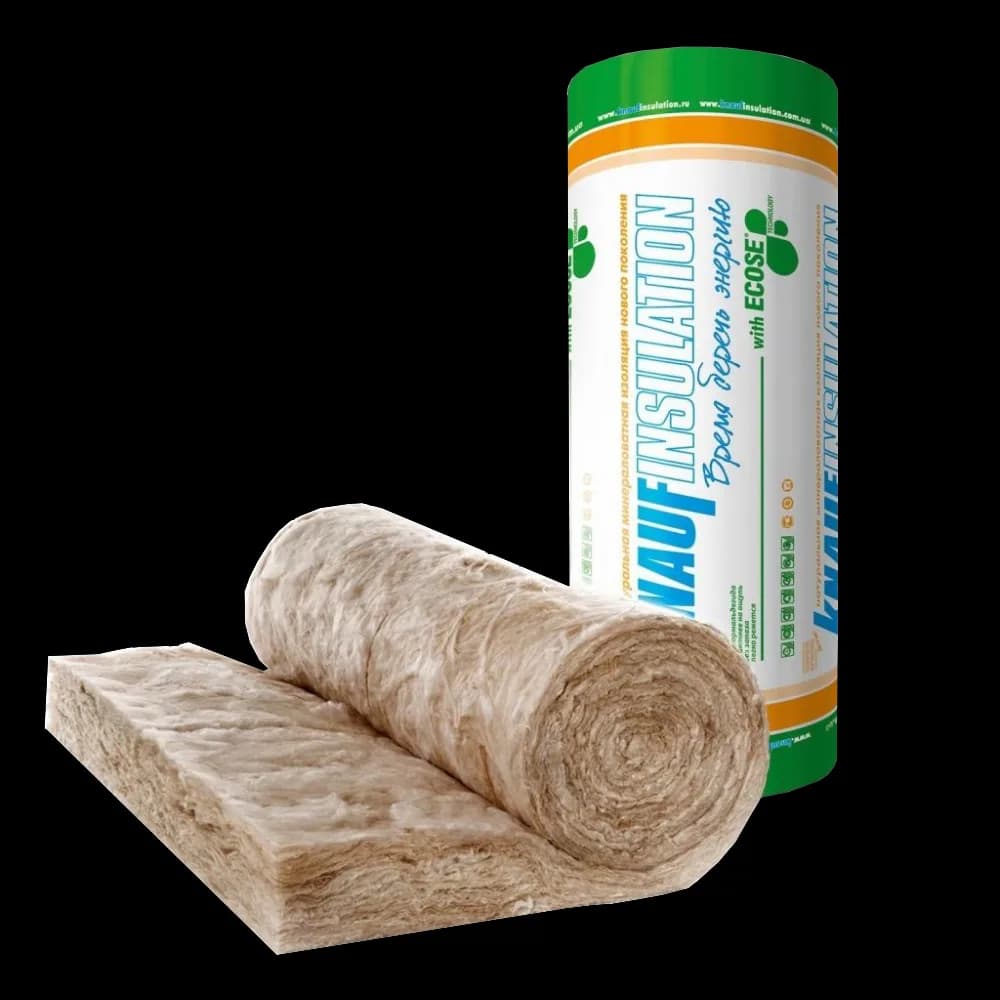
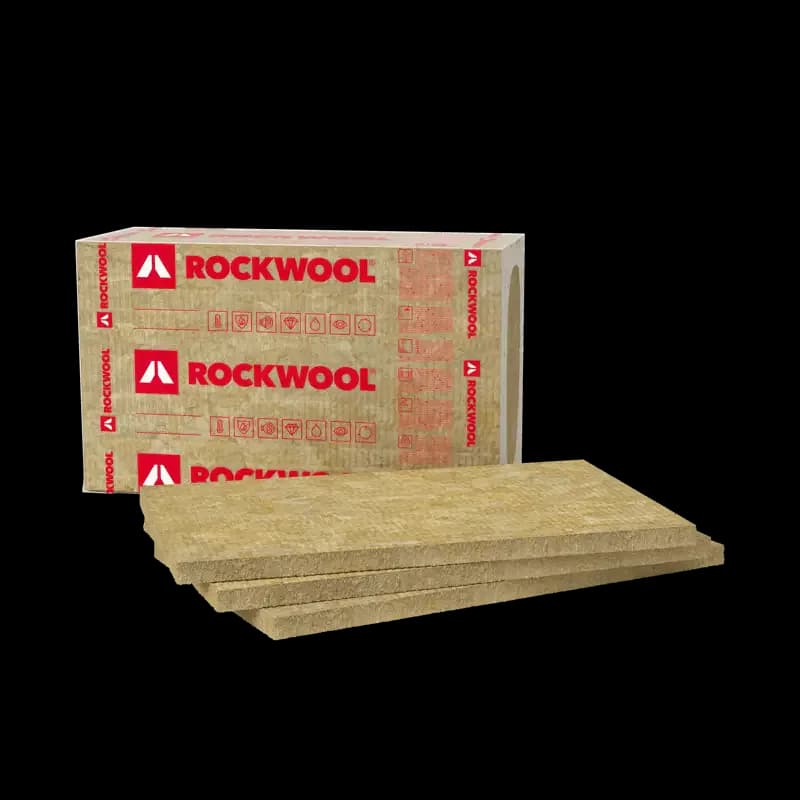
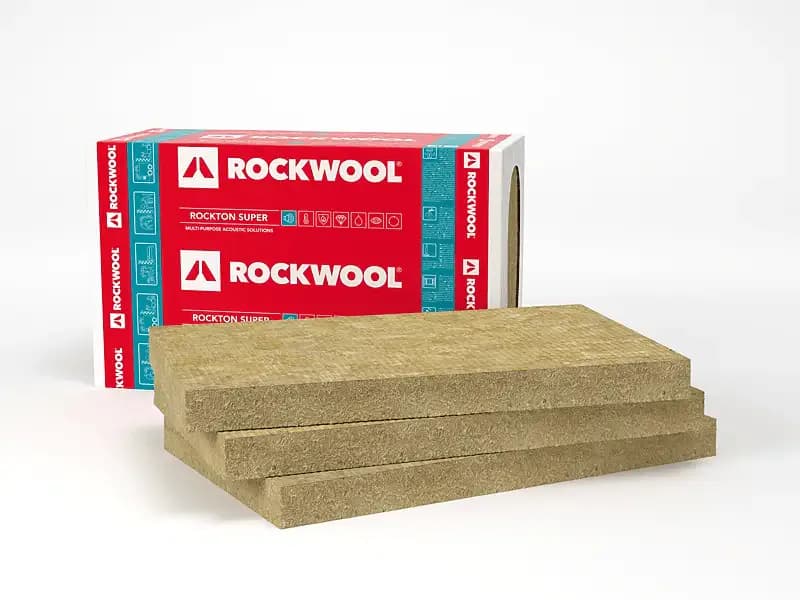
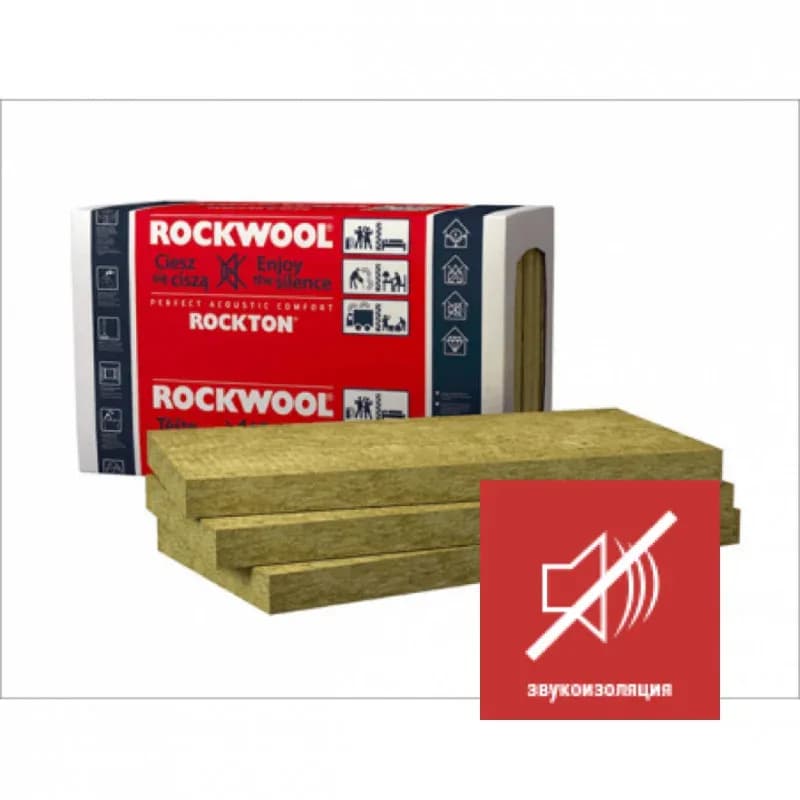
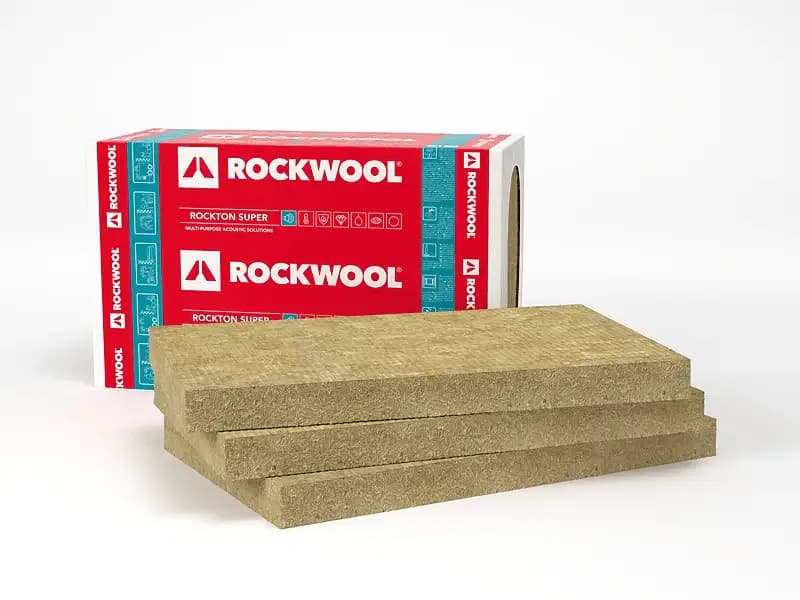
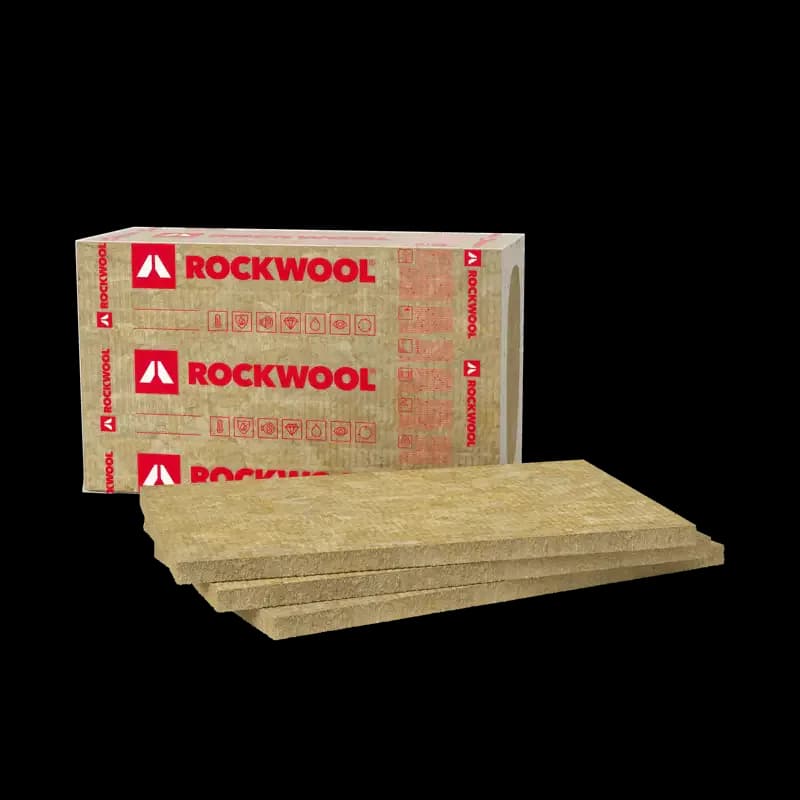
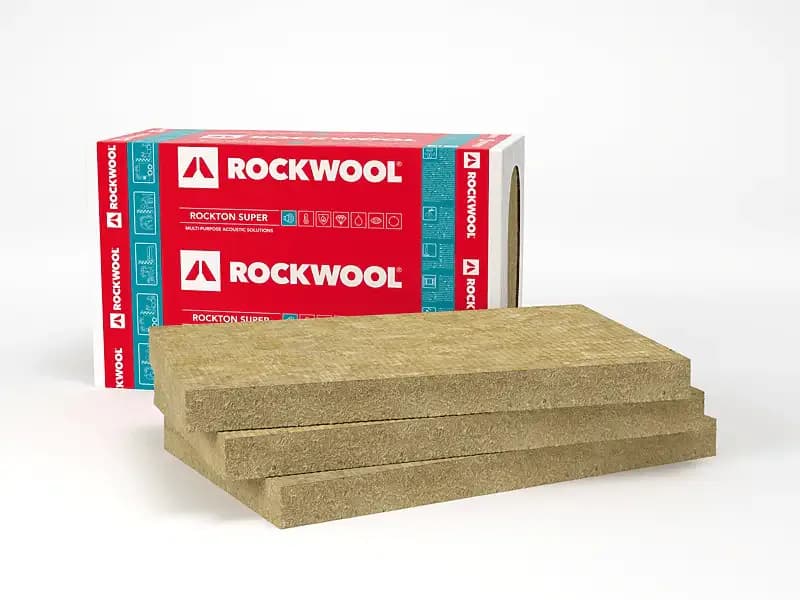
Mineral wool (basalt or glass fibre) - for facades, roofs, interior walls. Vapour-permeable - lets the wall breathe naturally, essential in Chisinau's older solid brick construction. Fire reaction class A1 or A2 (non-combustible). Downside: absorbs moisture without protection.
Polyurethane foam (PUR) - for filling gaps, window reveals, hard-to-reach roof spaces. Very low thermal conductivity. Not for large areas - fills and completes, doesn't replace a main insulation layer.
In older apartments in Botanica or Ciocana with 37cm brick walls, 10cm EPS on the facade substantially reduces heating energy consumption in the cold season. Approximate, not marketing.
EPS is cheaper and easier to install in a standard ETICS system. Mineral wool is better where vapour permeability matters (old solid brick buildings) or where fire resistance is required (multi-storey buildings). Mineral wool is heavier and more expensive.
A proper thermal calculation requires wall composition data and climate zone input. Rough guidance for 37cm brick walls in Chisinau: 10cm EPS brings the thermal resistance close to current standards. For full energy renovation - 12-15cm.
Basalt wool absorbs minimally on brief contact but loses thermal performance and compresses under sustained moisture exposure. Always protect with a breather membrane on the exterior and vapour barrier on the interior side. Without protection it degrades.
Yes, but use minimum 30-35 kg/m³ density (EPS 100 or EPS 150 per EN 13163). Lower density compresses under the screed and loses thickness. Facade-grade EPS (15-20 kg/m³) is not suitable for floor use.
Each extra centimetre gives diminishing returns. 0 to 5cm EPS gives a big improvement. 5 to 10cm - less, but still significant. 15 to 20cm - small marginal gain. For residential buildings in the Chisinau climate zone, 10-12cm EPS on the facade is a solid cost-to-performance balance.