Tile Adhesive C1, C2, C2TE - Ceramic and Stone Fixing
Tiles falling off after two years? Usually it's the wrong adhesive, not the tile.
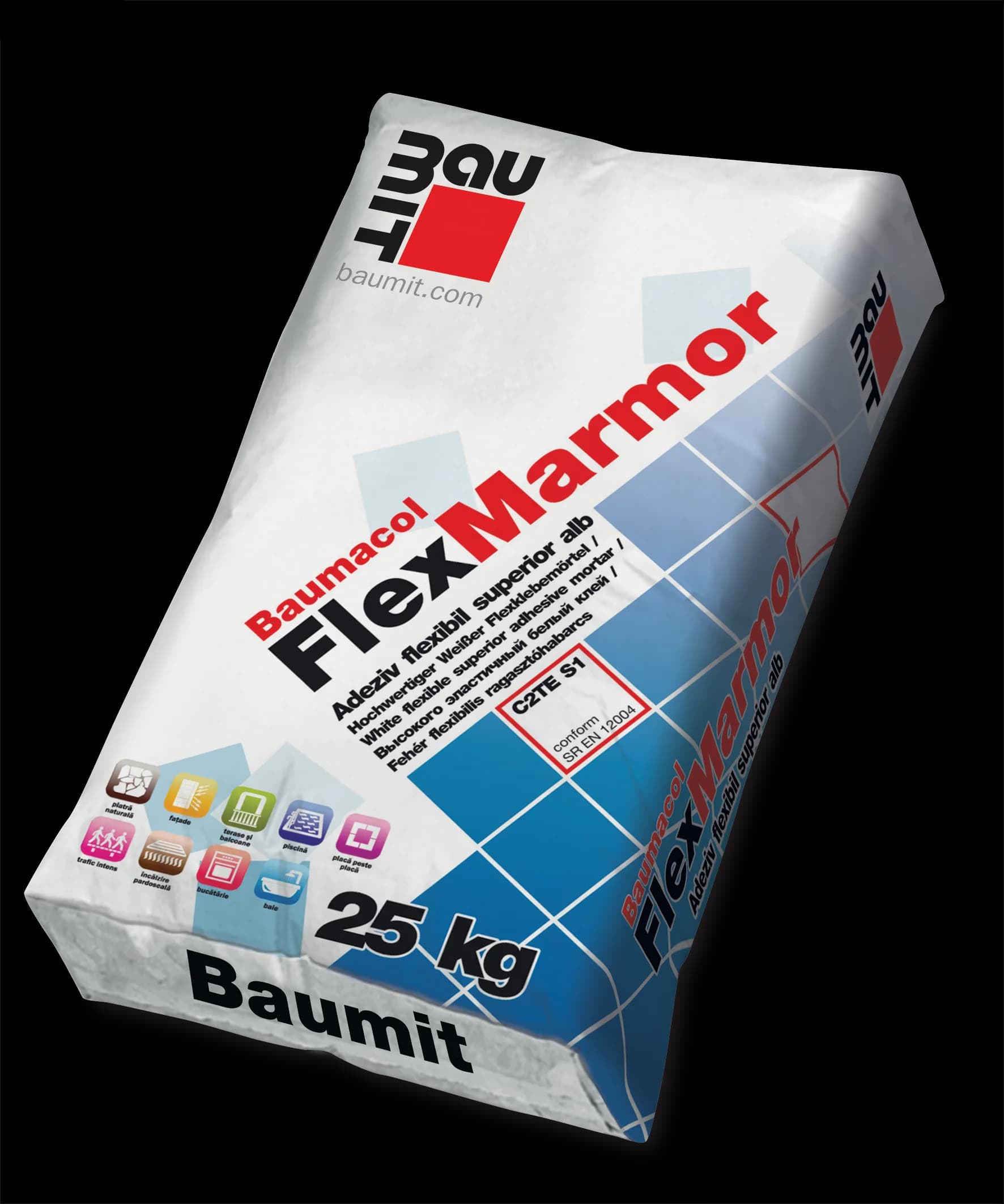
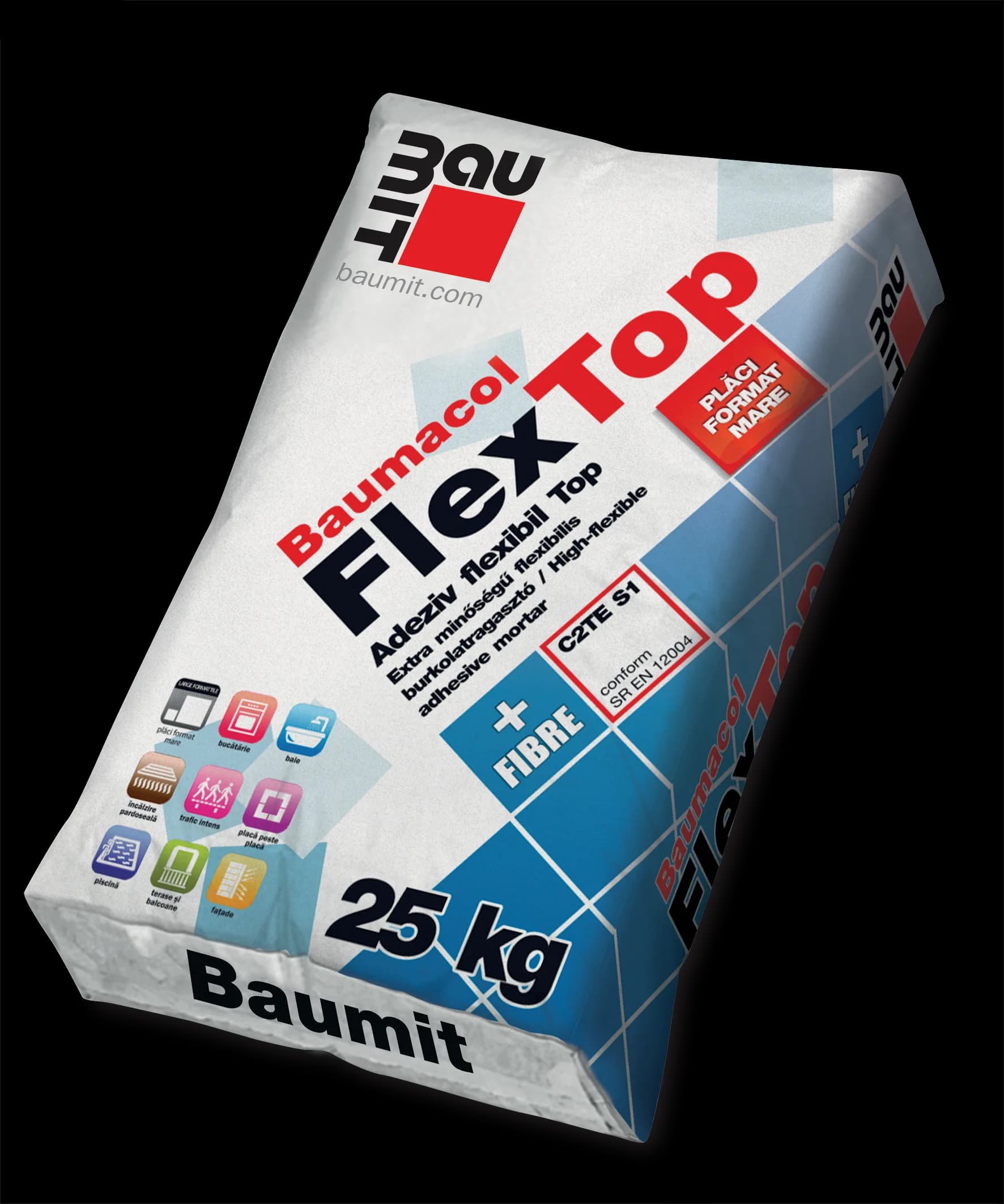
EN 12004 classifies tile adhesives by pull-off strength: C1 (standard, 0.5 MPa) and C2 (improved, 1.0 MPa). The letters after the number matter too - T means non-slip for wall tiling, E is extended open time, F is fast-setting.
Underfloor heating? You need C2TE - thermal cycling destroys standard C1 over a few seasons. Large-format 60x60 on a floor? Again C2, because coverage area is too large for standard open time. Simple kitchen splashback on a flat wall? C1 is fine.
Don't cut costs on adhesive. Tile removal and relaying costs many times the difference in adhesive price. Builders know this. Now you do too.
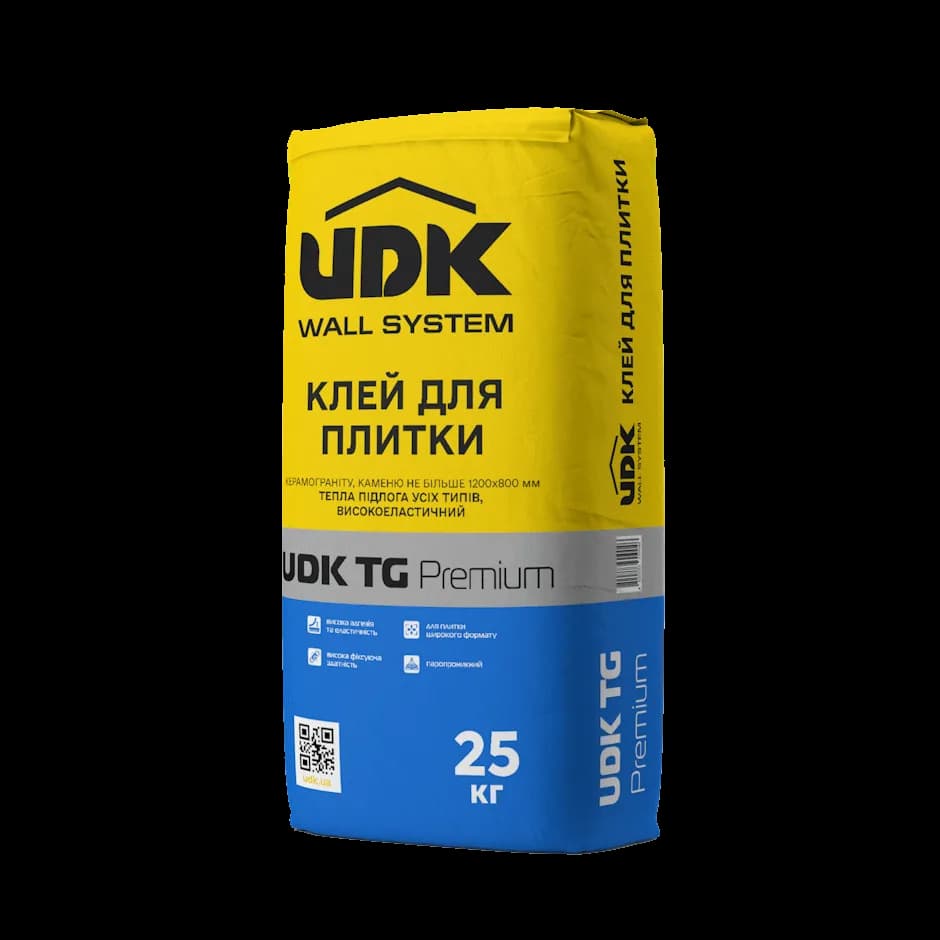
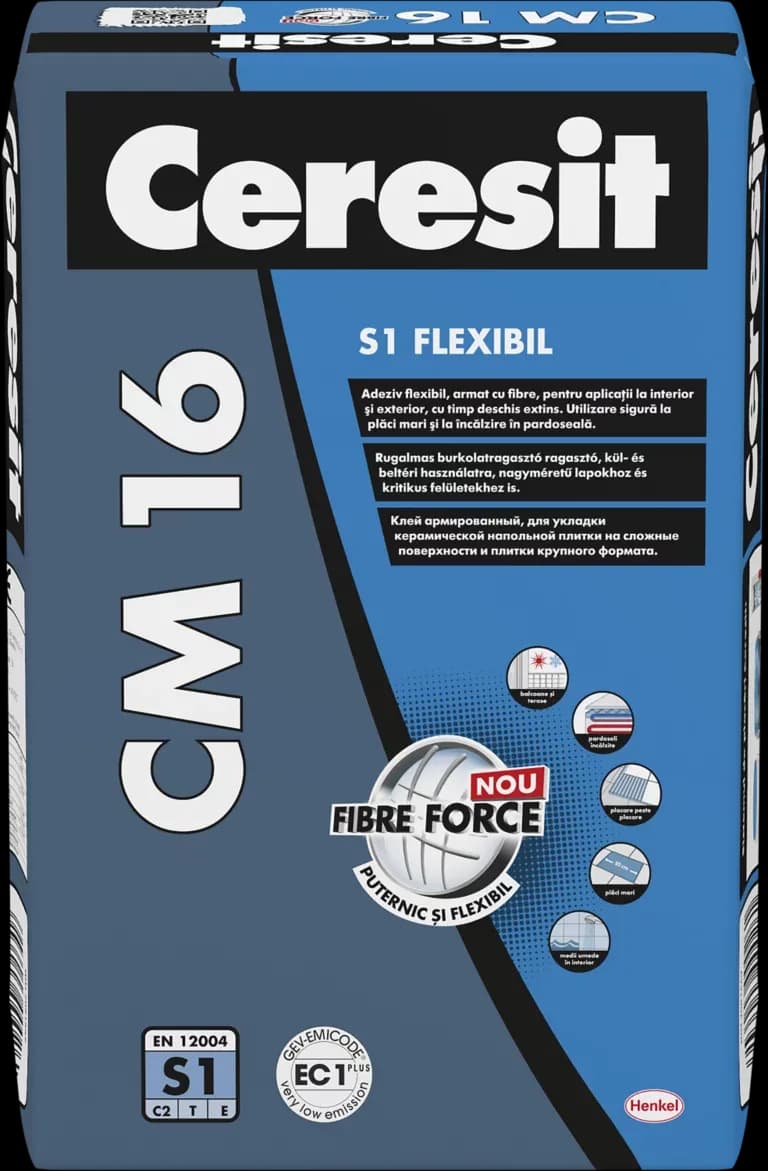
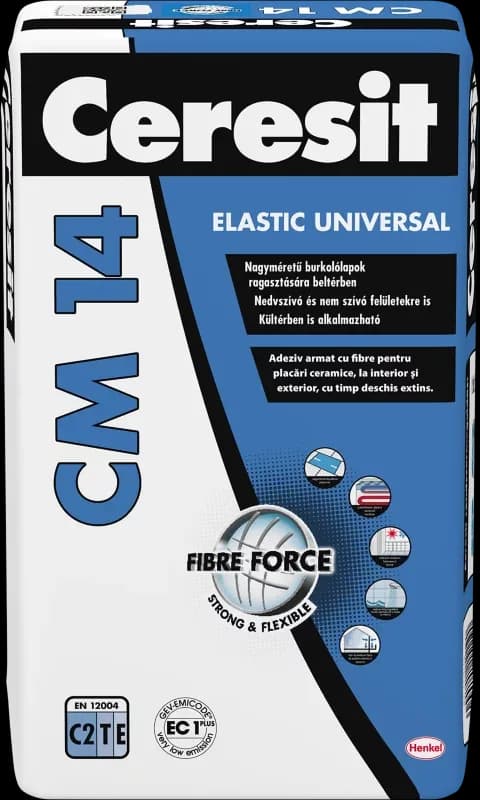
Brands stocked: Ceresit CM, Atlas, TKK - multiple grades available.
C2S1 or C2TE minimum. Heating and cooling cycles produce expansion and contraction that cracks standard C1 bonds over time. Always check the underfloor heating manufacturer's specification too.
Not recommended. Large format requires 80-85% adhesive contact coverage on the tile back. C1 open time isn't long enough to achieve that. Use C2E or C2TE.
Standard cement adhesive - 24 hours before foot traffic, 72 hours before grouting in wet areas. Fast-setting (F) grades allow earlier use. Temperature significantly affects curing - check the label.
On absorbent substrates (aerated concrete, fresh plaster) - yes. Primer reduces water absorption so the adhesive doesn't lose moisture before it bonds. On existing tiles - a quartz adhesion primer is essential.
Yes, if the existing tile surface is clean, degreased and dust-free. Apply a quartz-grain adhesion primer first to create a rough bond surface. Without primer on smooth glazed tiles, even C2 won't hold.