Tile spacers and levelling wedges - crosses, tile levelling system
A crooked grout line shows from the doorway. Not up close. From the doorway.
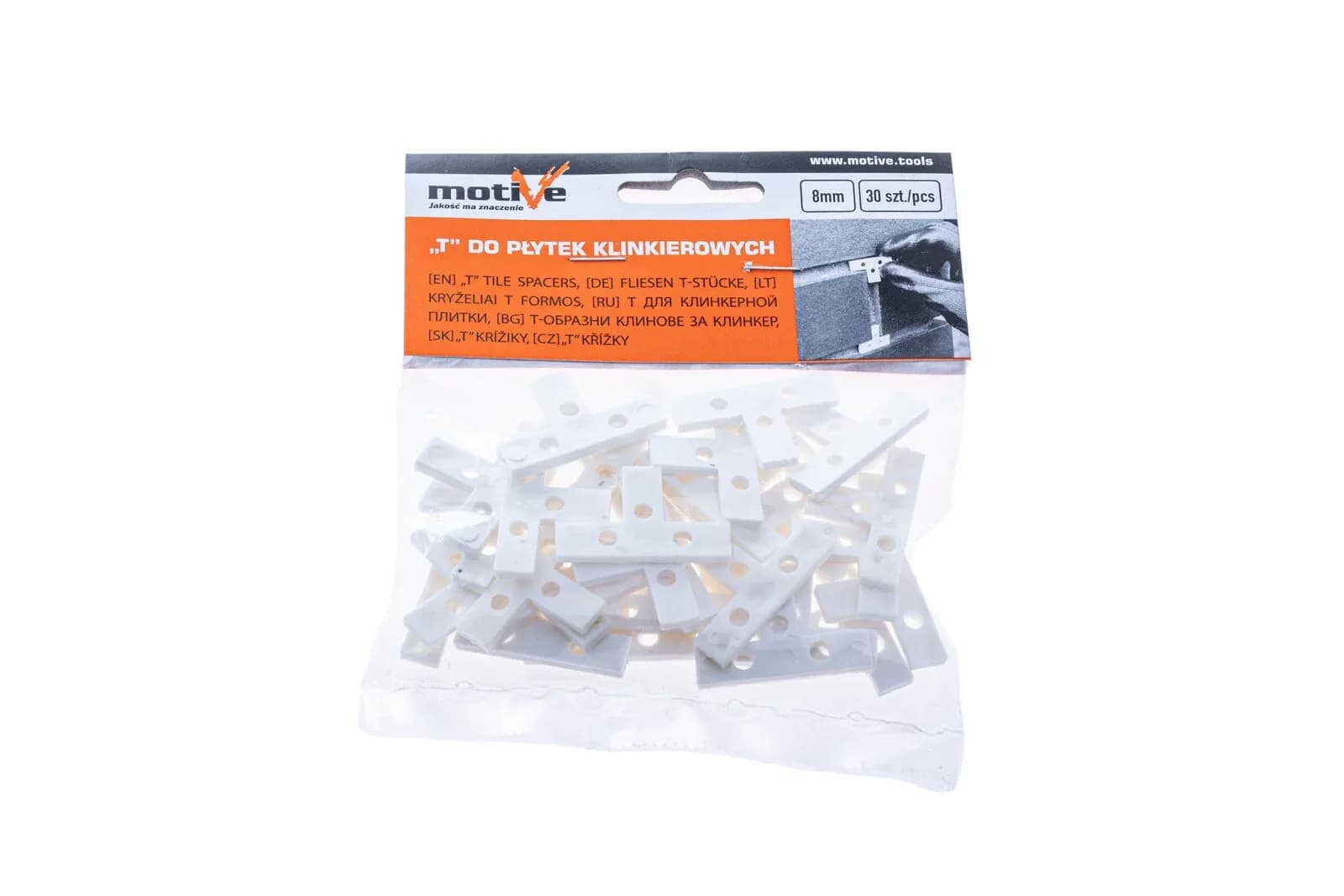
Tile spacer crosses keep every joint the same width. Without them, the line drifts - barely visible at tile one, obvious by tile five. The cheapest accessory that saves the whole job.
Which joint width? Bathroom wall tiles - usually 1.5-2 mm for a clean modern look. Floor tiles in a bathroom or kitchen - 2-3 mm, compensates for slight size variations between tiles. Exterior tiles or terrace - 4-5 mm minimum, allows for thermal expansion.
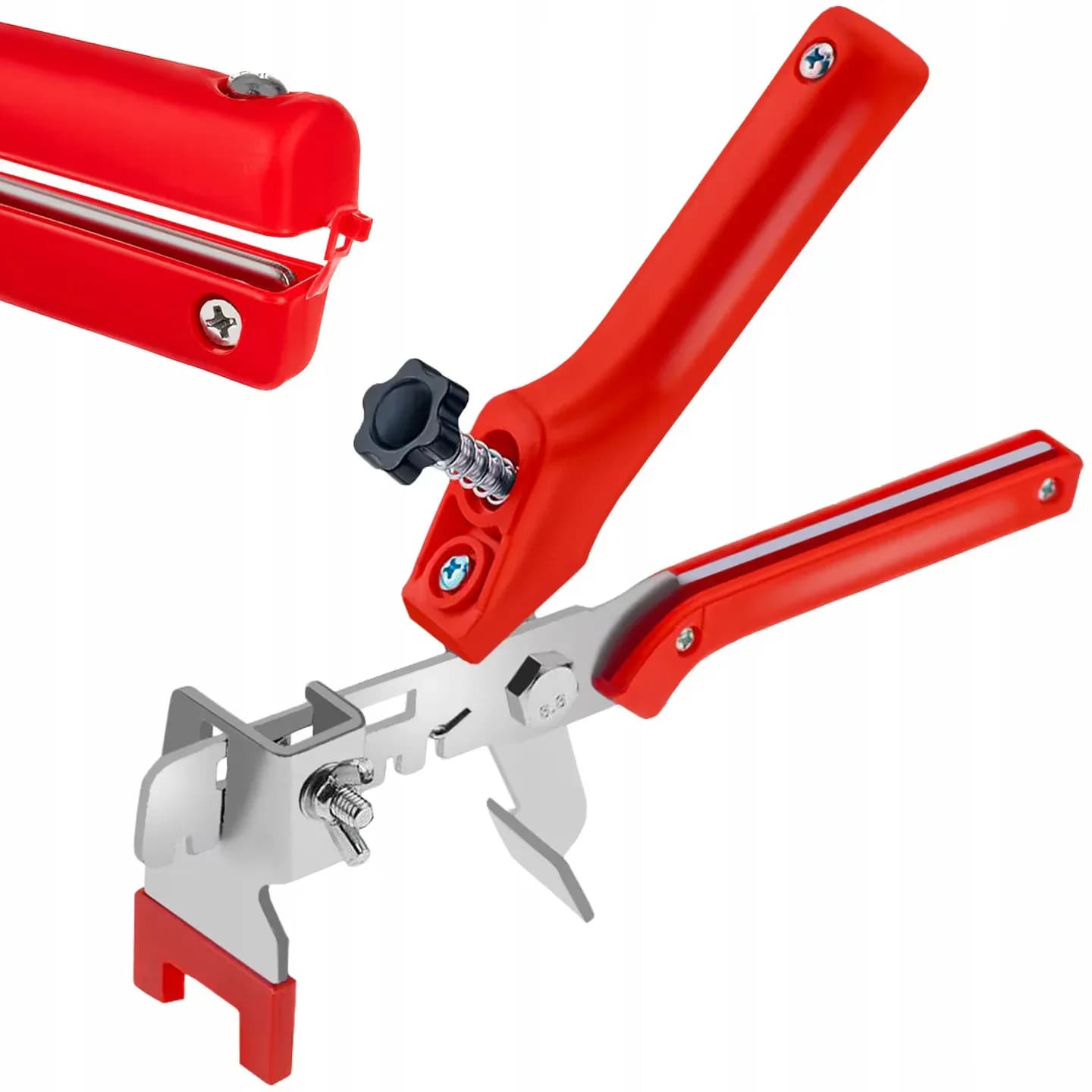
A levelling system (wedges plus clips) adds a different kind of precision: it keeps the tile faces in the same plane while the adhesive cures. Needed for large-format tiles (60x60 cm and above) where height differences show clearly.
In Chisinau flats most bathroom tiling happens in rooms of 4-6 sq m. Getting the spacing right is what separates a professional-looking result from a DIY one.
1.5-2 mm for a minimal modern look. 2.5-3 mm for tiles with slight size variations or for a more traditional joint. Under 1 mm is hard to keep consistent and isn't recommended for beginners.
Crosses control only joint width. A levelling system (wedge plus clip) also keeps adjacent tile faces at the same level - eliminates lippage between tiles. Recommended for tiles 60x60 cm and larger.
They get removed after the adhesive has partially set - typically 3-6 hours depending on the adhesive. If you wait until fully cured, the cross snaps when you pull it and leaves fragments in the joint.
About 40-45 crosses per sq m for 30x30 cm tiles (4 crosses per tile, roughly 11 tiles per sq m). Larger tiles need fewer crosses per sq m, but the cross size should match the tile format.
No. Exterior tiles need a minimum 4-5 mm joint for thermal expansion. A 2 mm interior cross is too narrow outside - the grout will crack at the first freeze-thaw cycle.