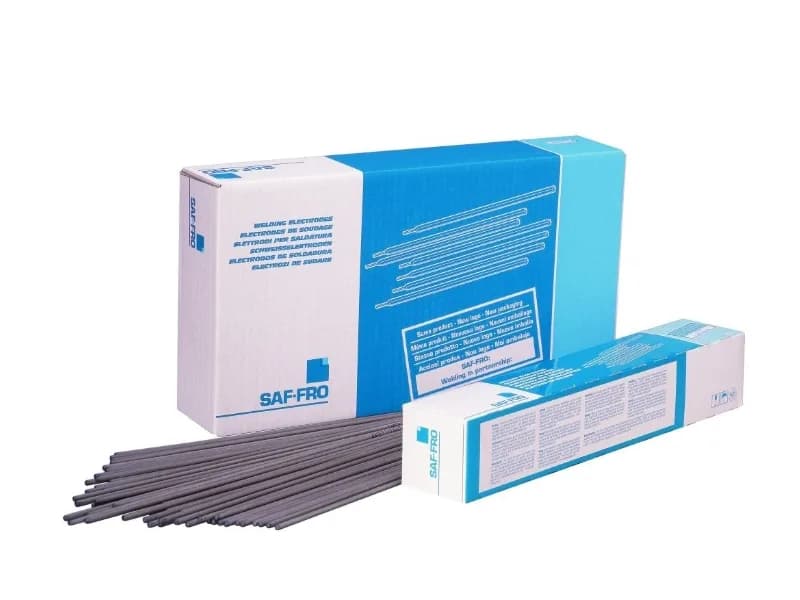
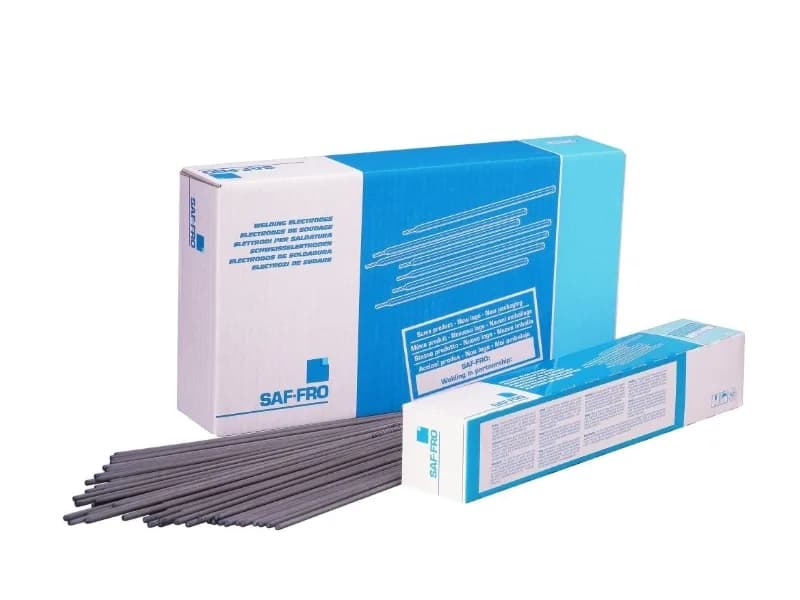
Welding electrodes - selection by metal type, position and strength requirement
Rutile electrode on high-strength steel - the weld cracks under load. Not immediately. At the first thermal shock or vibration.
The basic split every welder knows: rutile electrodes (E6013, E7024) for light work - ordinary metal structures, repairs, non-structural joints. Clean bead, easy slag removal. Basic electrodes (E7018, E7016) for alloy steel or where impact resistance is critical - industrial equipment, load-bearing structures, pressurised pipes.
Welding position matters too. Some electrodes are flat or horizontal position only, others are multi-position. Check the marking - the last digit in the standard code indicates approved positions.
Electrode diameter by material thickness: 2-3 mm plate - 2-2.5 mm electrode. 4-6 mm metal - 3.2 mm electrode. Over 8 mm - 4 mm with higher current. Too thick on thin plate burns holes.
Storage: basic electrodes absorb moisture and lose properties. Keep in sealed packs or dry in an oven before use.
Rutile 3.2 mm is fine for standard mild steel structures. Current 100-130A depending on profile thickness. Easy slag removal, visually clean weld.
No. Stainless needs dedicated stainless electrodes (E308, E316 by grade). With carbon electrodes, the weld zone will rust and weaken at the joint.
Most often - damp electrodes or too-low current. Basic electrodes need drying at 300-350C before use if they've been stored open. Also check metal cleanliness - rust and old paint cause porosity.
E6013 - rutile, easy to run, clean bead, for non-structural work. E7018 - basic with iron powder, higher mechanical strength, impact-resistant, for structural steel and alloys. Needs pre-drying before use.
Depends on the electrode type. Rutile 3.2 mm: roughly 90-130A. Basic 3.2 mm: 110-140A. Adjust by bead appearance: wide flat bead - current too high. Narrow with deep crater - too low.