Wood and metal paint - alkyd, acrylic, anti-corrosion
Alkyd varnish on the front door? Looks good the first summer. After a second winter with repeated freeze-thaw, it starts cracking at the corners and edges. Not the product's fault - wrong choice for the job.
Wood and metal need different products, sometimes in the same project. Timber fence with metal posts: the wood takes a stain or flexible acrylic, the metal takes anti-corrosion primer and a hard alkyd or acrylic topcoat. Not the other way round.
For exterior wood - fences, decks, gazebos:
Wood stain (pigmented impregnant) keeps the grain visible, breathes, does not crack. Sadolin and Vidaron have ranges tested in variable-humidity climates. Opaque alkyd paint is harder but does not breathe - makes sense on dense or previously painted wood.
For interior wood - doors, panelling, furniture:
Satin acrylic or alkyd paints. Acrylics smell less and dry fast. Alkyds give a harder finish and better knock resistance - useful on access doors or frames.
For metal - three-step rule:
Remove rust (wire brush, sanding). Apply anti-corrosion primer. Finish with 2 coats of metal paint. Skip the primer and paint blisters at the first dew.
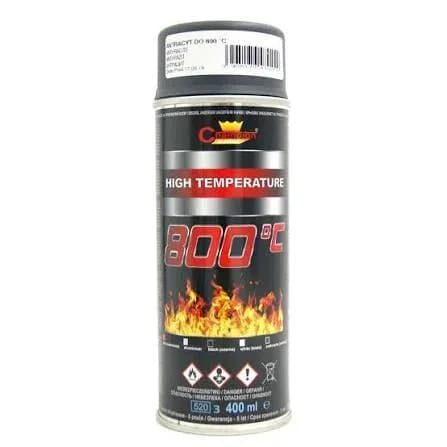
Radiators and hot surfaces - dedicated radiator paint, rated for 80-100°C. Not every alkyd holds up under sustained heat.
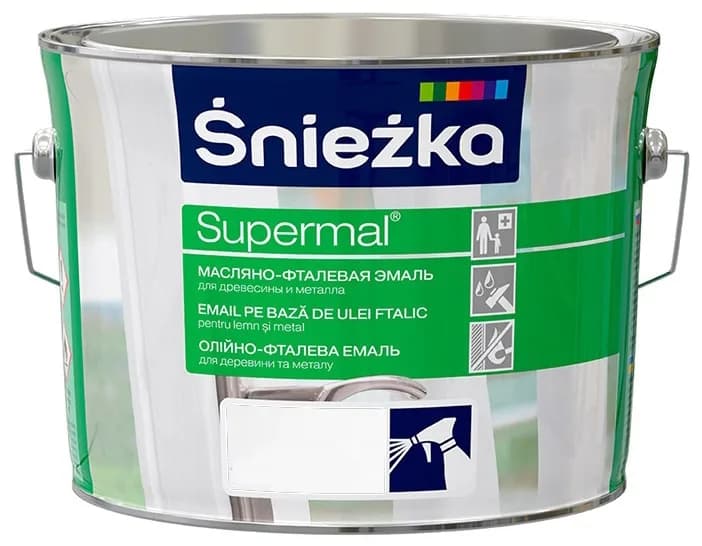
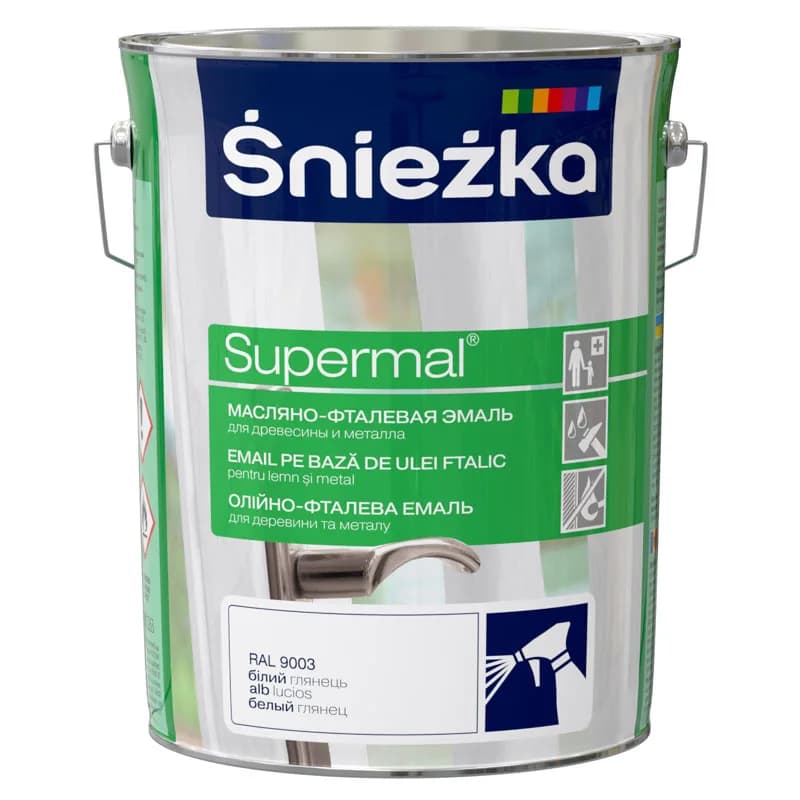
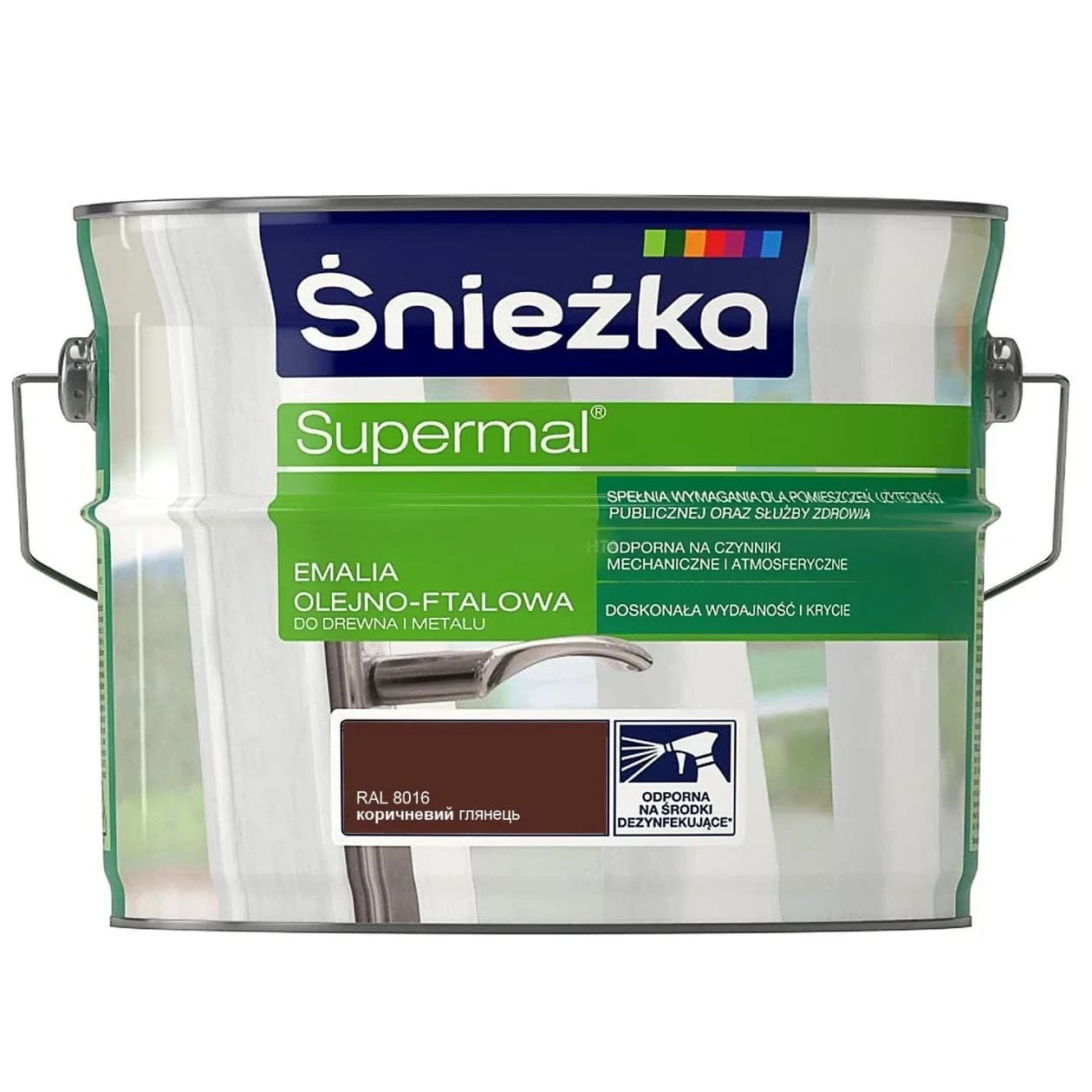
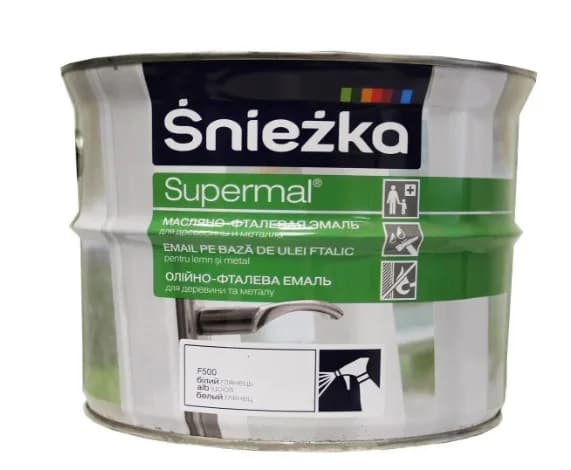
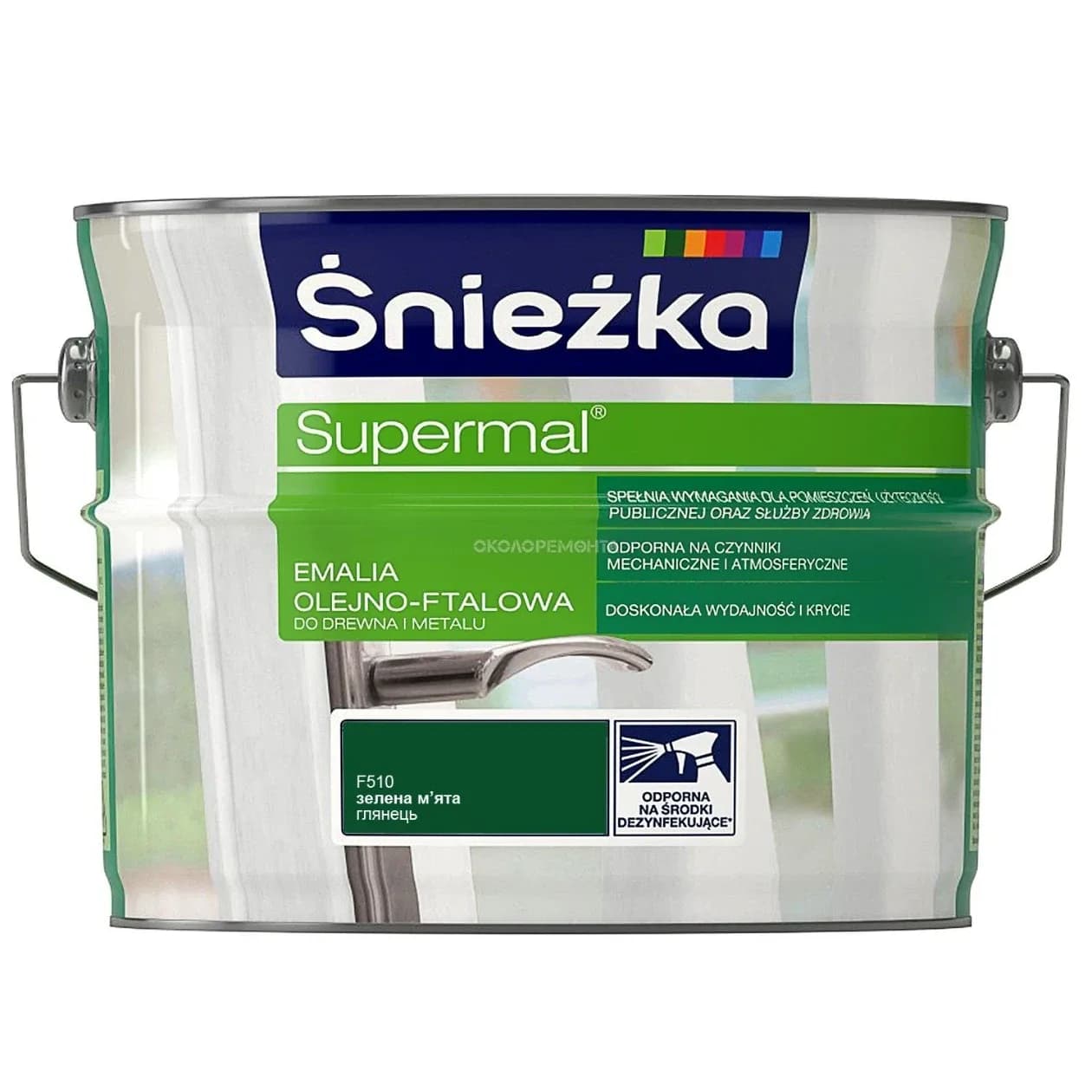
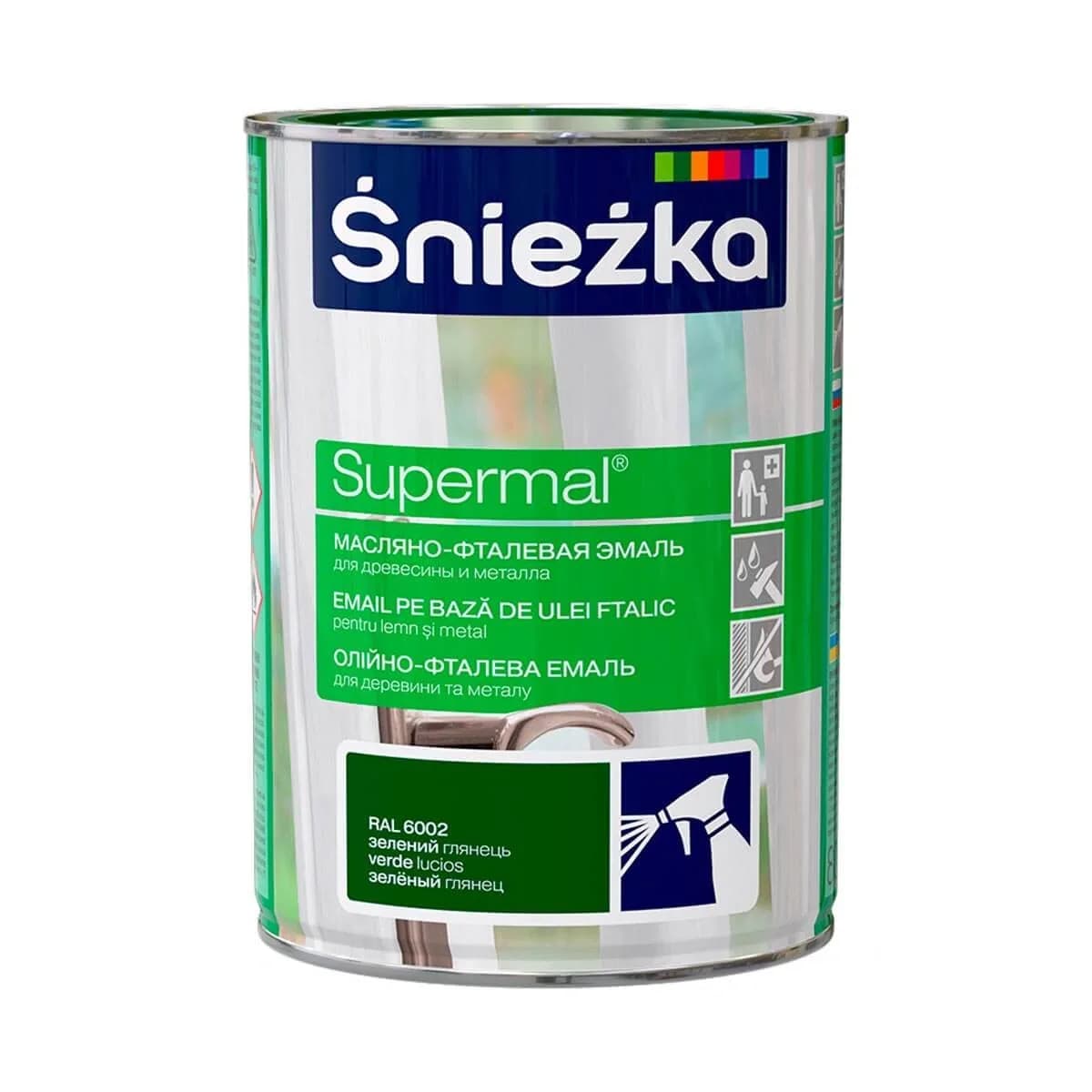
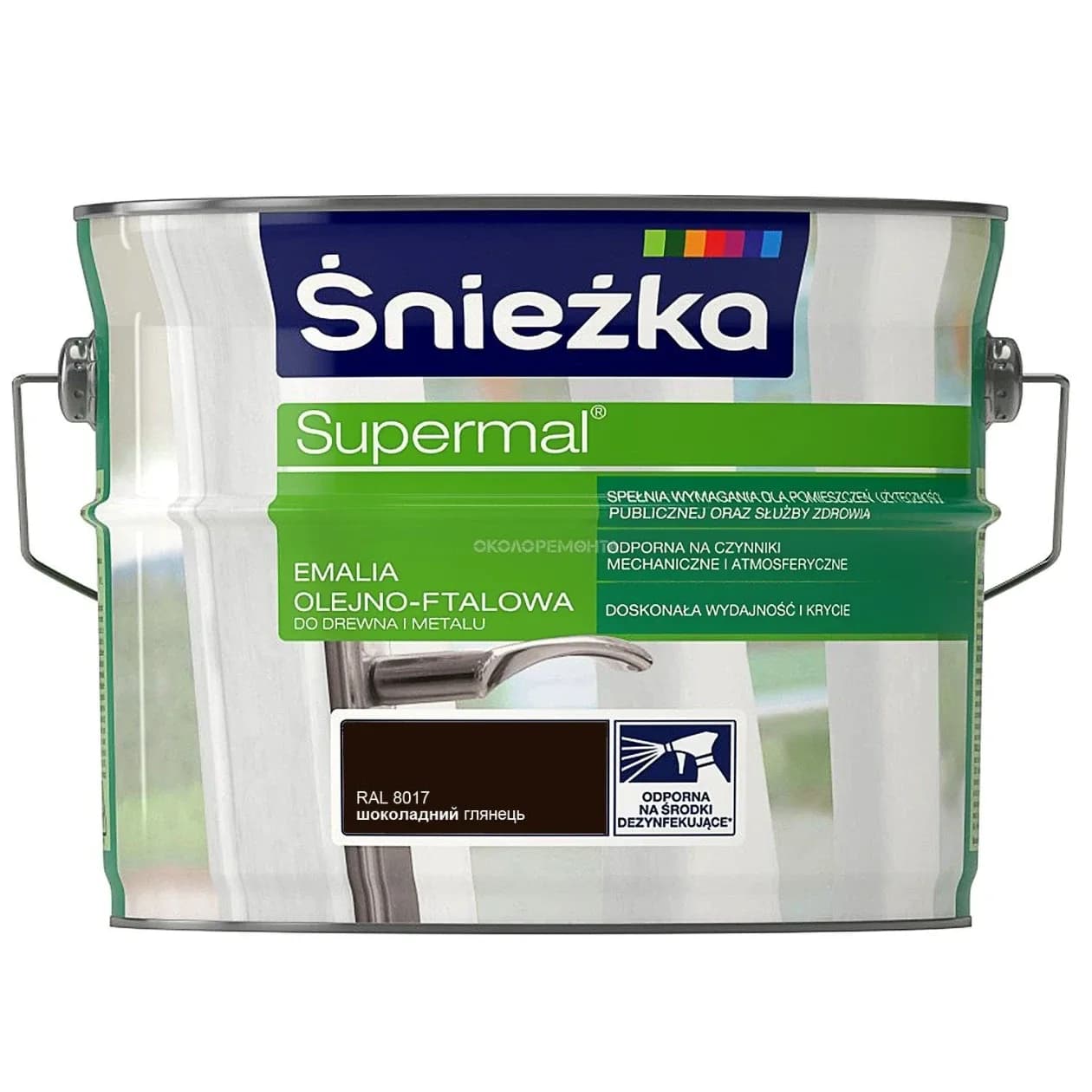
In stock: Vidaron and Sadolin for wood, Caparol and Sniezka for universal wood-metal paints.
For exterior wood look at wood stains (pigmented impregnants) or alkyd paints with UV resistance. Vidaron Lazura or Sadolin Extra protect for 4-5 years without recoat. Acrylic wood paints are a more flexible alternative but need primer with antiseptic.
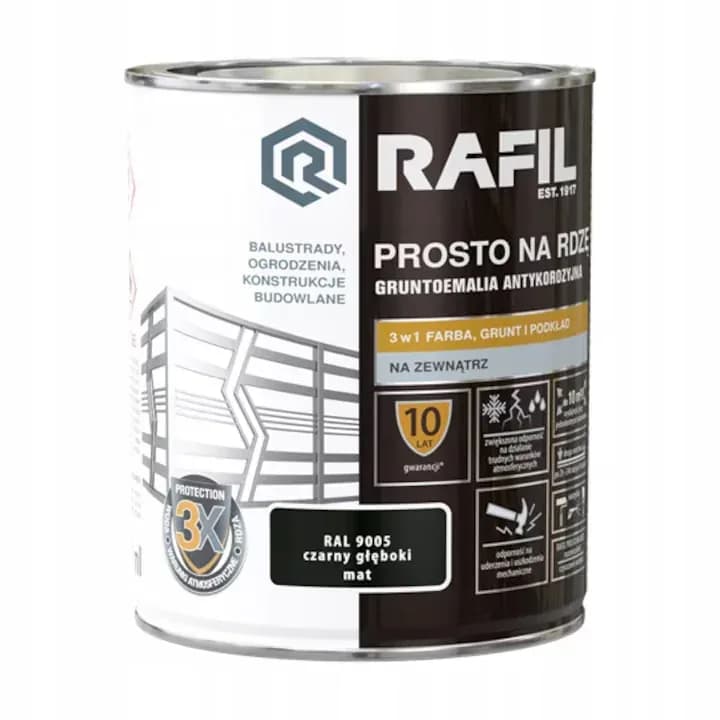
Step 1 - clean with a wire brush or sand off the rust. Step 2 - anti-corrosion primer (spray or brush). Step 3 - alkyd or acrylic metal paint in 2 coats. For outdoor items use a 3-in-1 (primer + anti-rust + topcoat).
Acrylic wood paints are touch-dry in 1-2 hours, recoat after 4-6 hours. Alkyd paints (harder, more durable) need 12-24 hours between coats. Below +10°C drying doubles, below +5°C do not apply.
Want to keep the wood grain - varnish or clear stain. Want a solid colour - alkyd or acrylic satin paint. Paint is easier to clean and stands up to touch. Varnish needs a recoat every 5-7 years.
Yes, with a dedicated radiator paint (rated 80-100°C). Toluene and other strong solvents will eat through regular paint under heat. Clean off rust, apply anti-corrosion primer, then 2 coats of heat-resistant paint.