Wood impregnants - antiseptic and UV protection for exterior timber
Wood is alive. Even after it's cut and installed.
It absorbs water, expands, contracts. In Moldova, with a big swing between hot summers and freezing winters, untreated wood works hard - it splits, warps, picks up mould and rots within 3-5 years. Not decades. Seasons.
Wood impregnants penetrate the fibre of the timber - they don't form a surface film the way paints or varnishes do, they're absorbed into the grain. That means protection stays active even when the surface gets scratched or takes heavy UV exposure. That's a fundamental difference from surface varnish.
What effective impregnants contain: fungicide - against mould and rot; insecticide (some products) - against wood-boring insects; UV stabilisers - against bleaching and UV degradation; sometimes water repellent additives to reduce absorption.
Main applications in Moldova: garden fences from boards or palisade, outdoor decking, roof structures and timber frames with partial exposure, garden furniture. A well-chosen impregnant extends service life by years compared to untreated or surface-only treated timber.
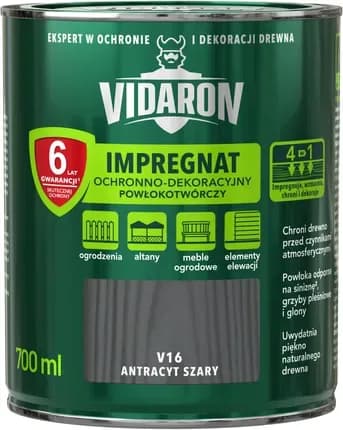
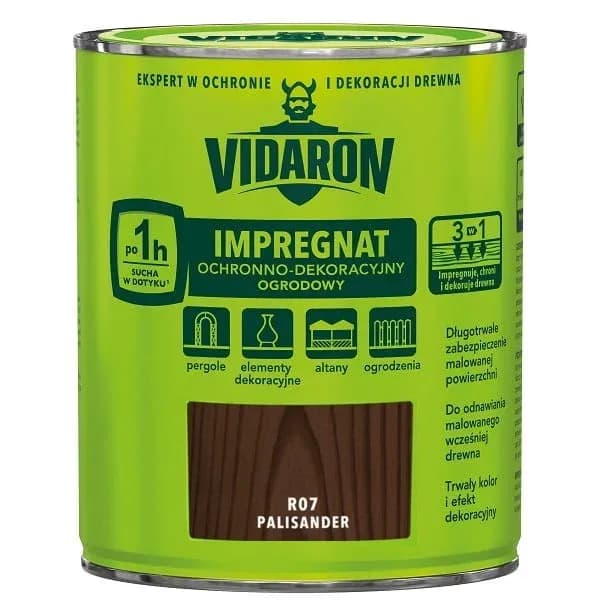
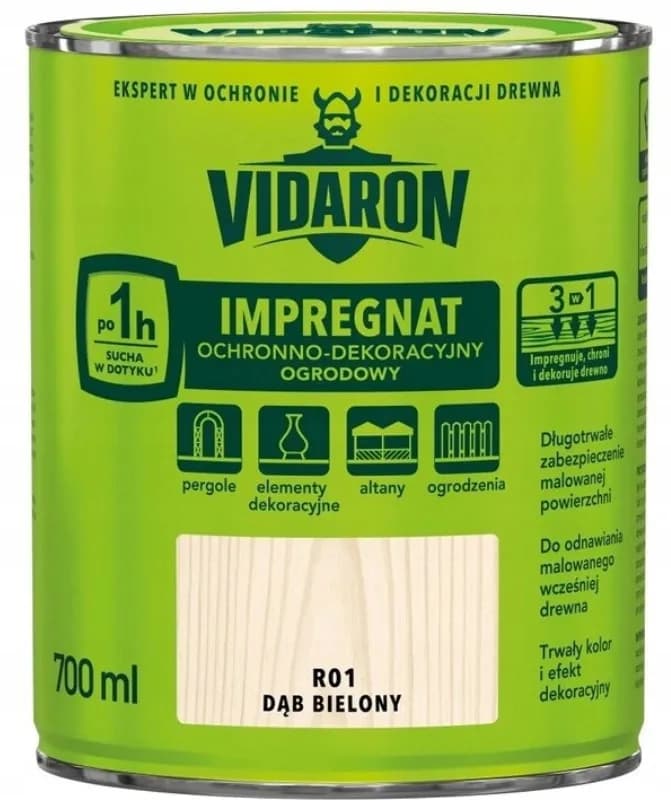
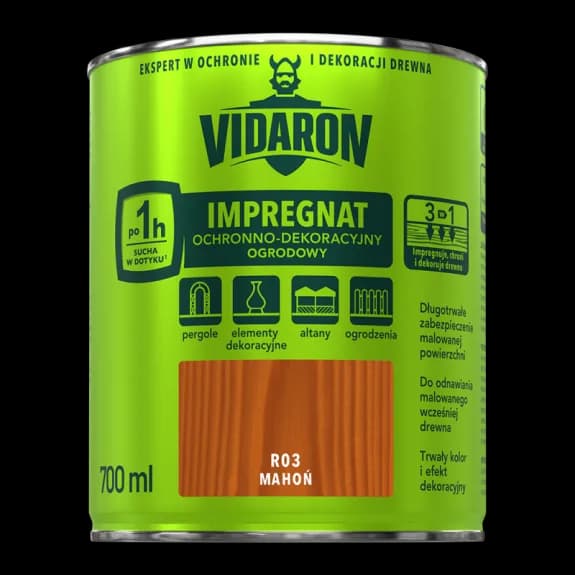
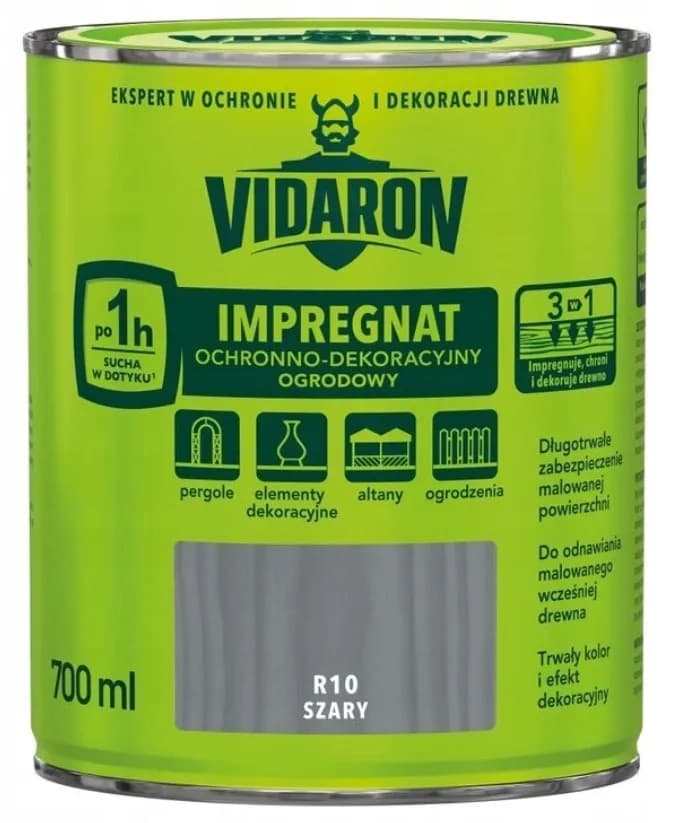
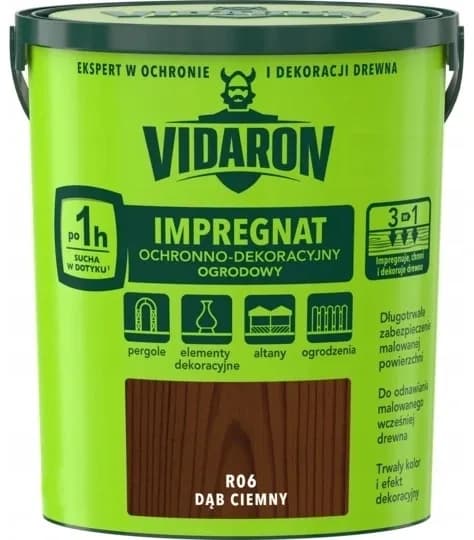
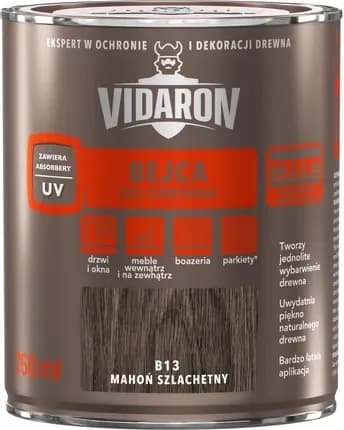
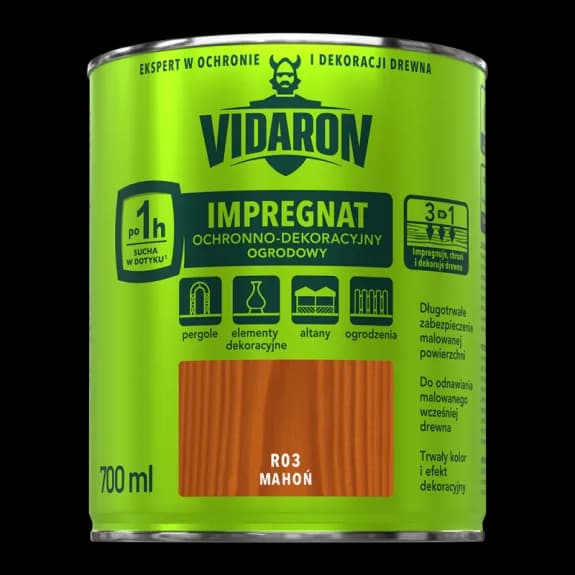
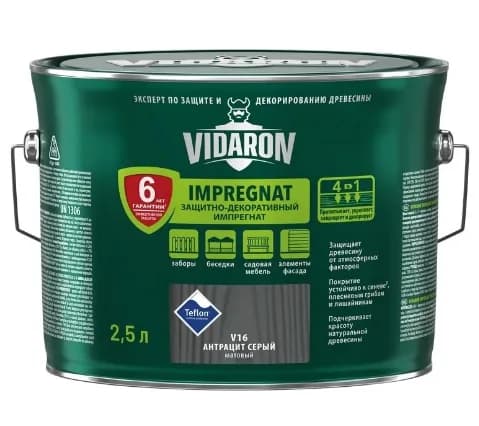
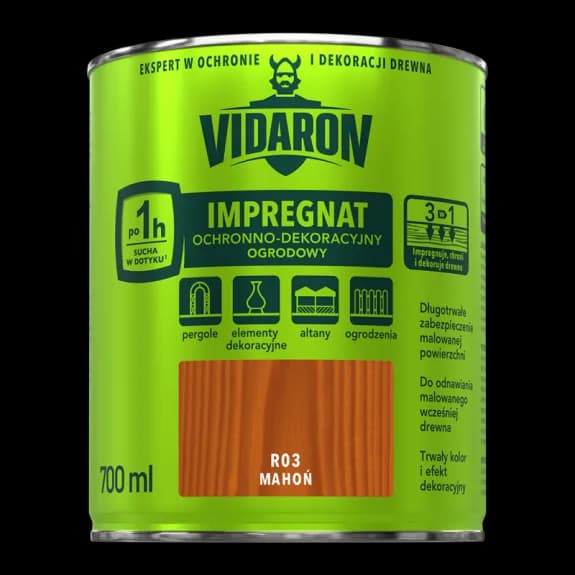
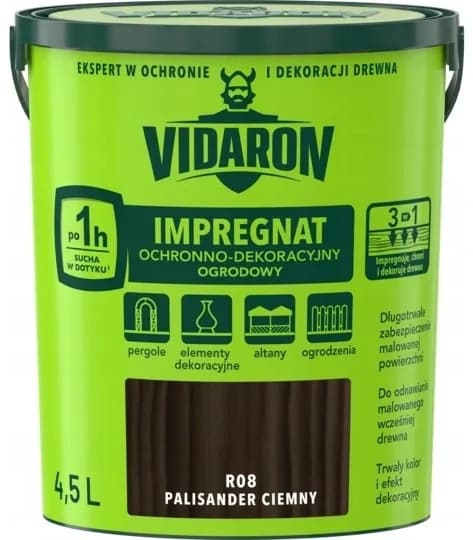
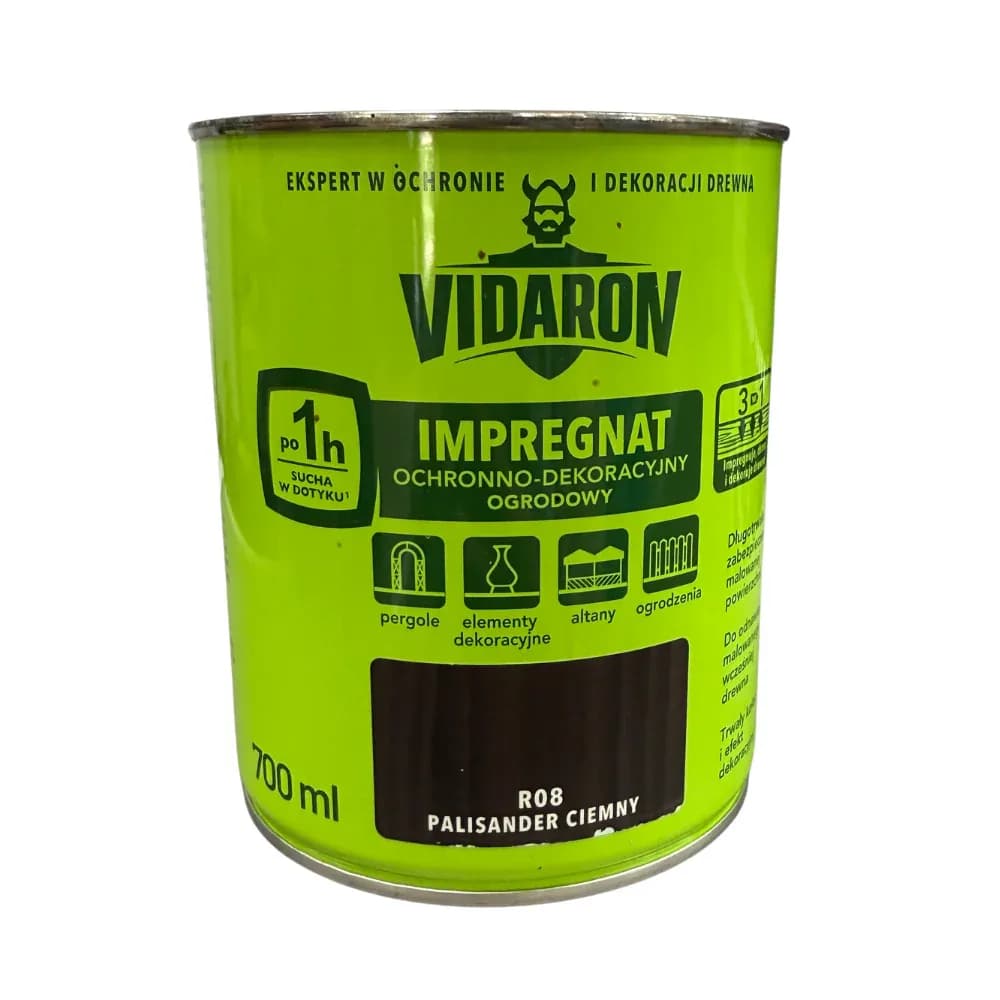
In stock at Colorista: Sadolin (Pinotex - recognised standard for wood preservatives), Tikkurila (Valtti - exterior range), Vidaron.
An impregnant penetrates the wood fibre without forming a visible surface film - it protects from inside. A stain creates a thin semi-transparent film with colour and slight sheen - it protects and colours at the same time. Impregnants suit structures under heavy mechanical stress (fences, decking), stains suit furniture and decorative elements.
Depends on the exposure. For timber in contact with soil or water, a higher protection class and sometimes industrial pressure treatment is needed. For structures exposed to rain and sun but not in-ground, a quality impregnant is sufficient, optionally combined with a stain or exterior paint for colour.
Depends on the product, timber species and UV/rain exposure. Generally every 2-5 years, with inspection and retreatment where needed on the most exposed faces. Timber treated correctly the first time needs less frequent maintenance.
Clear impregnants don't change the appearance - the wood stays natural, slightly darker after drying. Tinted impregnants shift the tone, similar to a light stain. Choose based on whether you want to keep the natural colour or add a shade.
If the old treatment has fully degraded - yes, after cleaning the surface. If there's still a layer of varnish or topcoat present, the impregnant won't penetrate properly. Strip mechanically or with a chemical remover, confirm the surface is open to bare grain, then apply.