Acrylic Adhesive - Water-Based Mounting for Indoor Use
Fitting skirting boards in a lived-in flat? Acrylic adhesive is what you want.
Water-based, no harsh solvents, no fumes that drive people out of the room. That's the practical reason tradespeople reach for acrylic when working in occupied homes. Correction window sits around 5-10 minutes, then it grabs firm.
Works well for: PVC and timber skirting, decorative cornices, polystyrene coving, lightweight interior trim pieces. Doesn't work for: permanent wet areas, exterior applications, structural load-bearing joints - those need polyurethane or MS-polymer variants.
One thing worth knowing: acrylic adhesive fails on dusty surfaces. Sanded parquet with fine dust still on it? Wipe it, let it dry, then apply. Sounds obvious but that's the call most people skip.
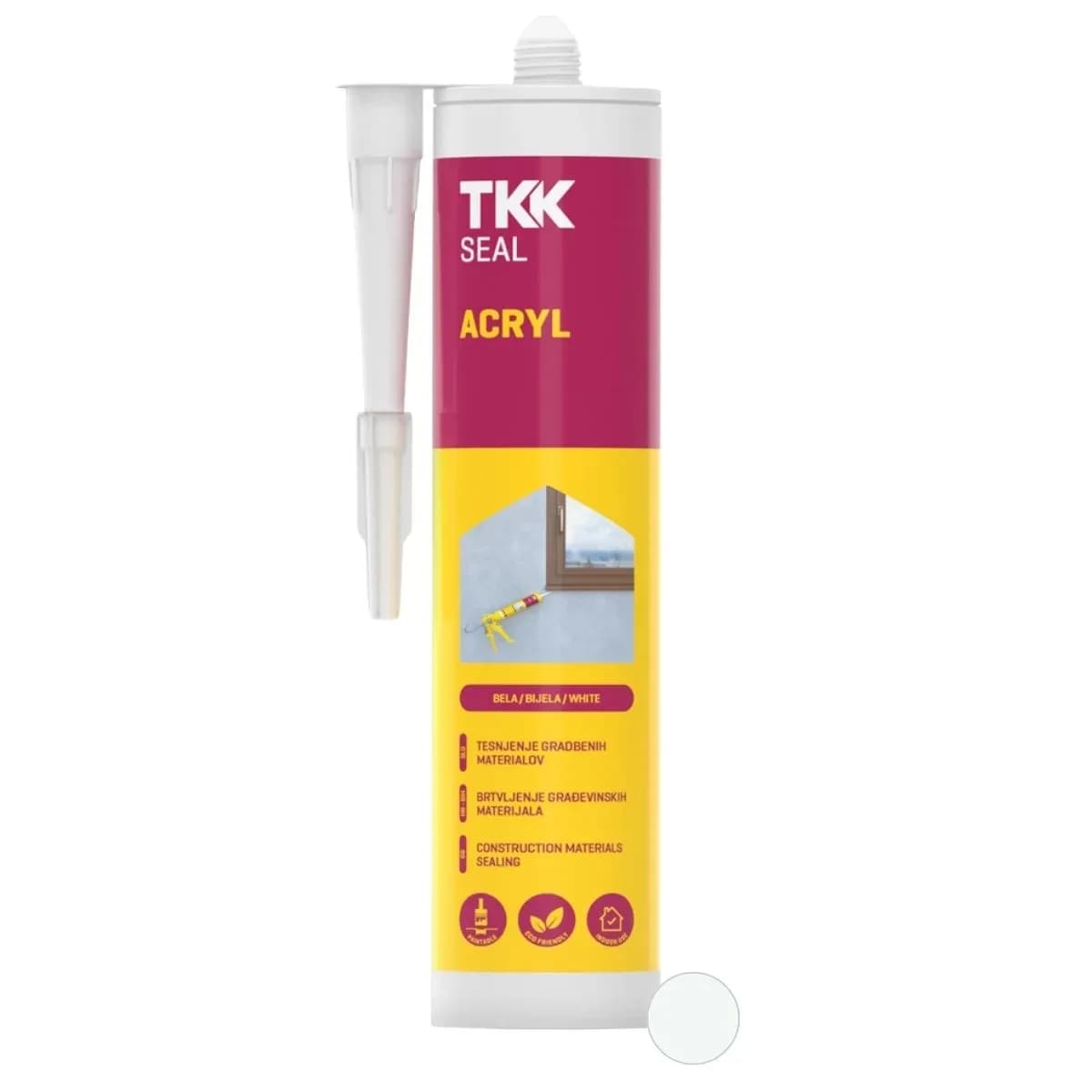
Brands stocked: Soudal, Ceresit, TKK - standard and elastic grades available.
It does, provided the tile surface is clean and degreased. Very smooth glazed surfaces sometimes need a primer coat first. For permanently wet areas like shower surrounds, use silicone or MS-polymer instead.
Typically 5-15 minutes at room temperature. Faster on warm or absorbent surfaces. Always check the label on the specific product - values vary between brands.
For solid timber, pick the flexible (elastic) grade. Timber moves with humidity - expands and contracts. Standard acrylic without flexibility will crack along the joint within a year or two.
Yes. Once fully cured (24 hours minimum) it takes water-based paint without issue. This is the key advantage over silicone sealants - painted-over acrylic adhesive disappears into the wall finish.
Adhesive is for bonding surfaces - it's stiff. Sealant is for filling and sealing joints - it stays flexible. Both are water-based and paintable, but they're not interchangeable.