Exterior varnish for wood, metal and mineral surfaces
Two winters without cracking. That's the real test for any exterior varnish.
Here's what alkyd varnish does on a facade: year one, looks fine. Year two, edges start lifting. Year three, you're scraping it off. Not a bad application job - alkyd just can't handle the freeze-thaw cycles Chisinau throws at it. Minus 10-12 in winter, plus 30 in summer, with heavy UV from May through September.
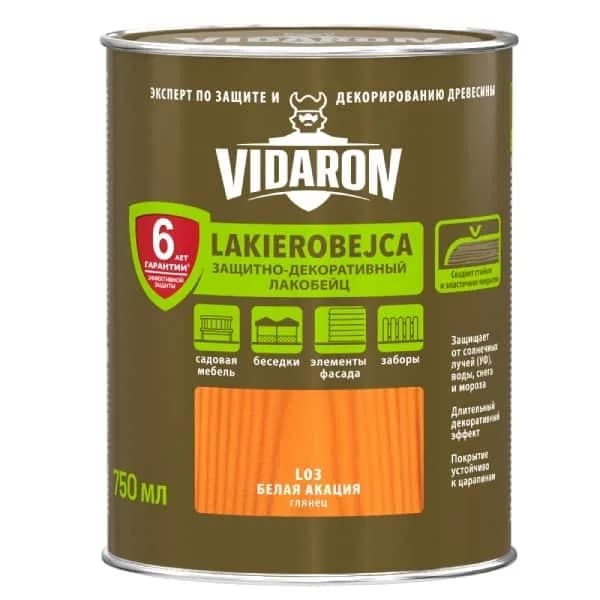
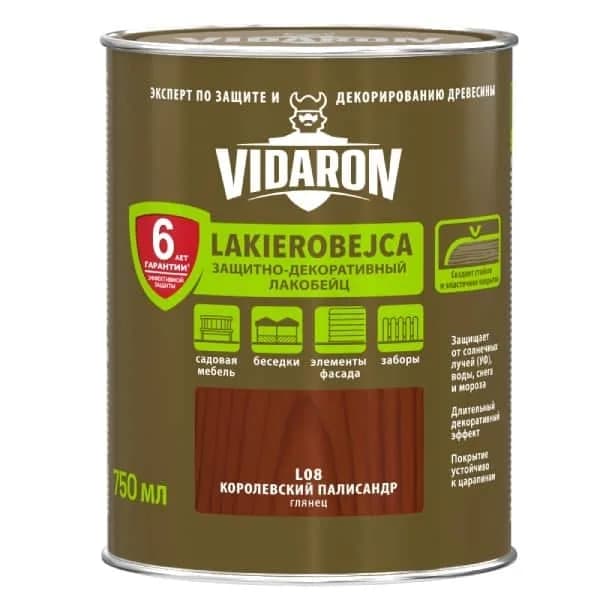
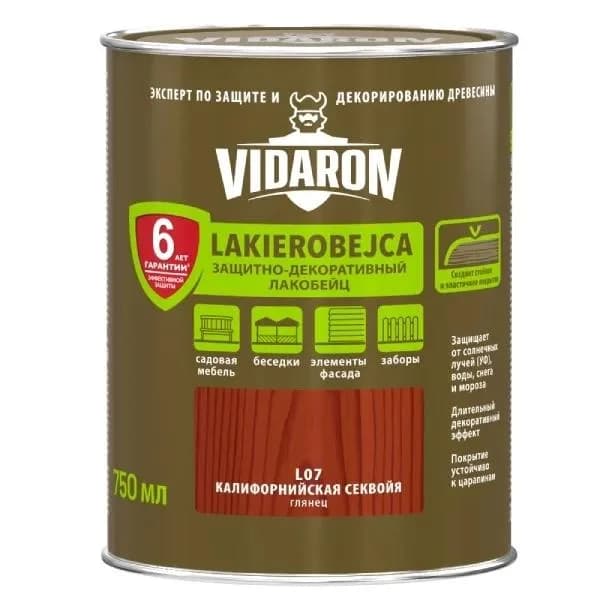
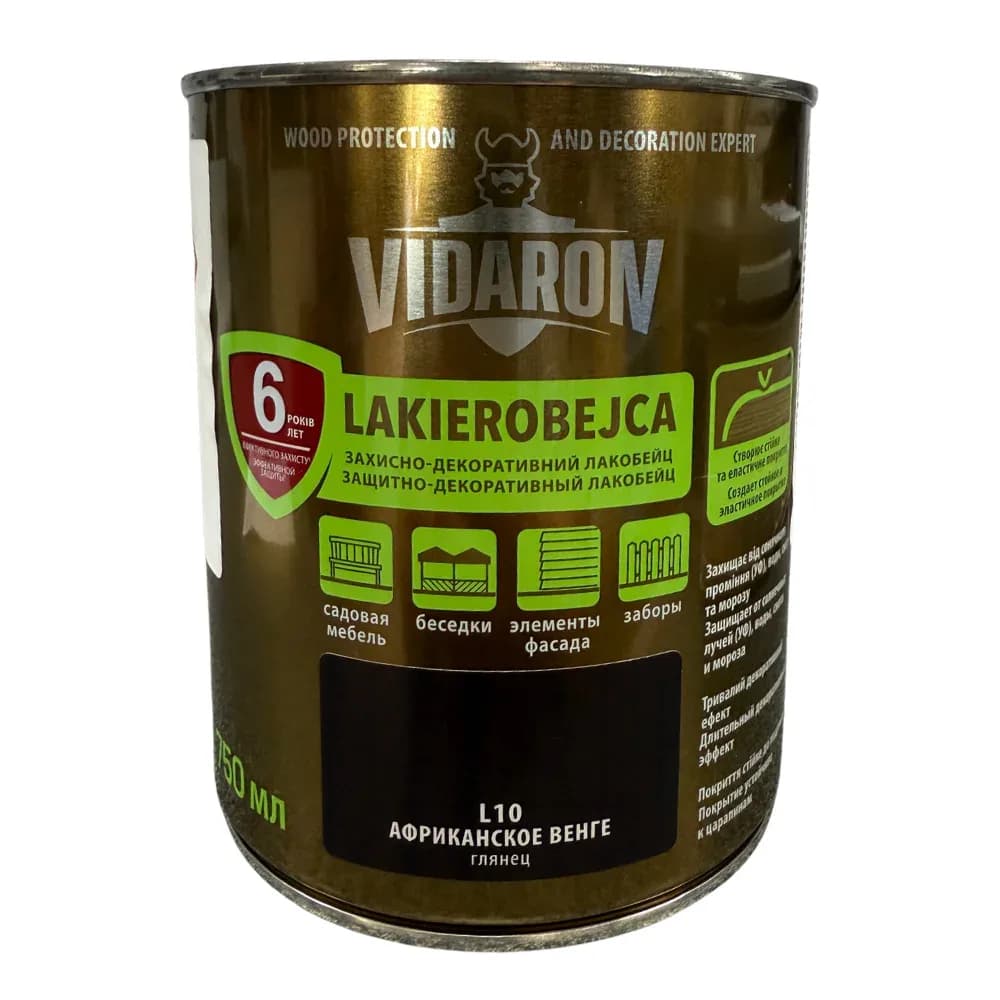
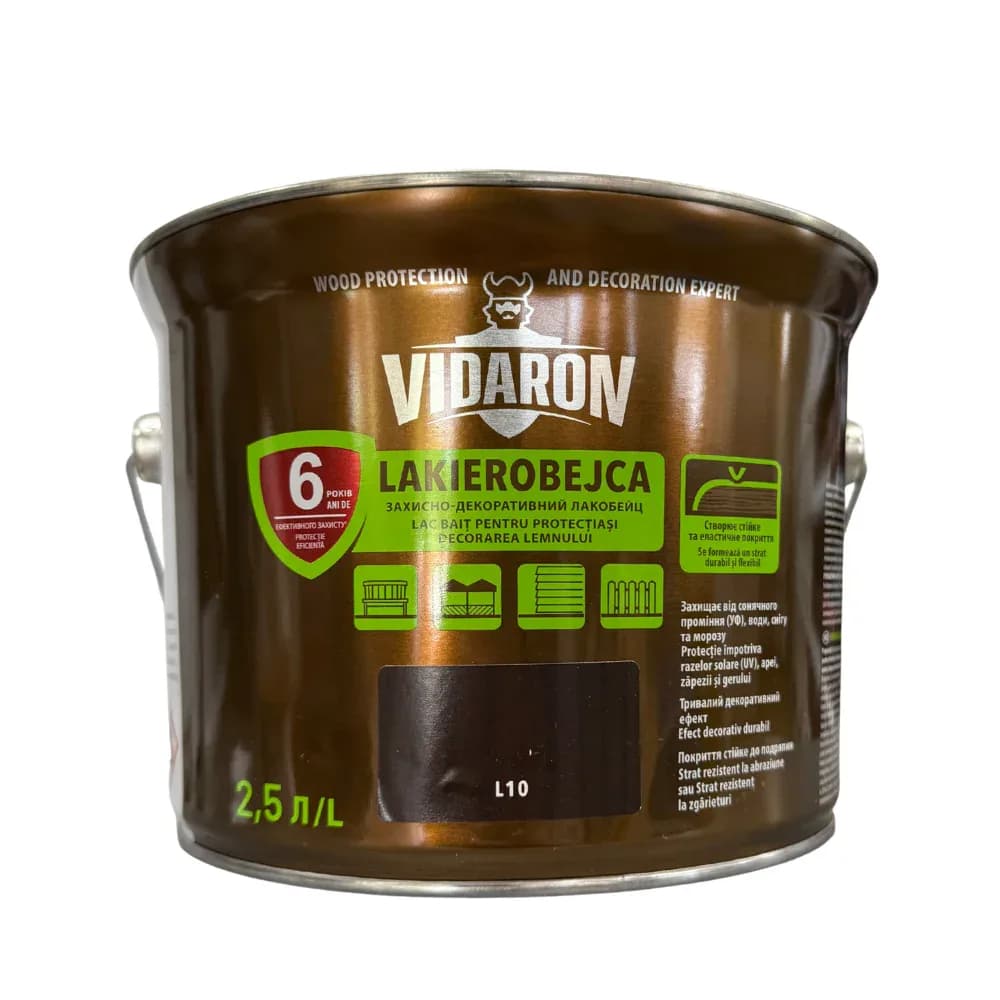
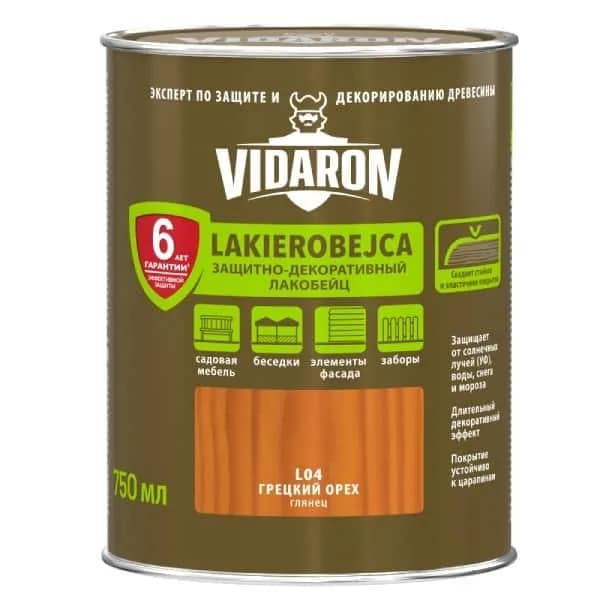
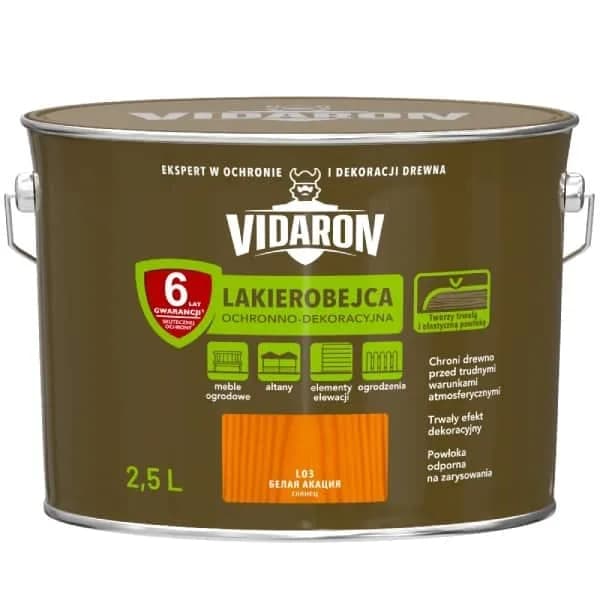
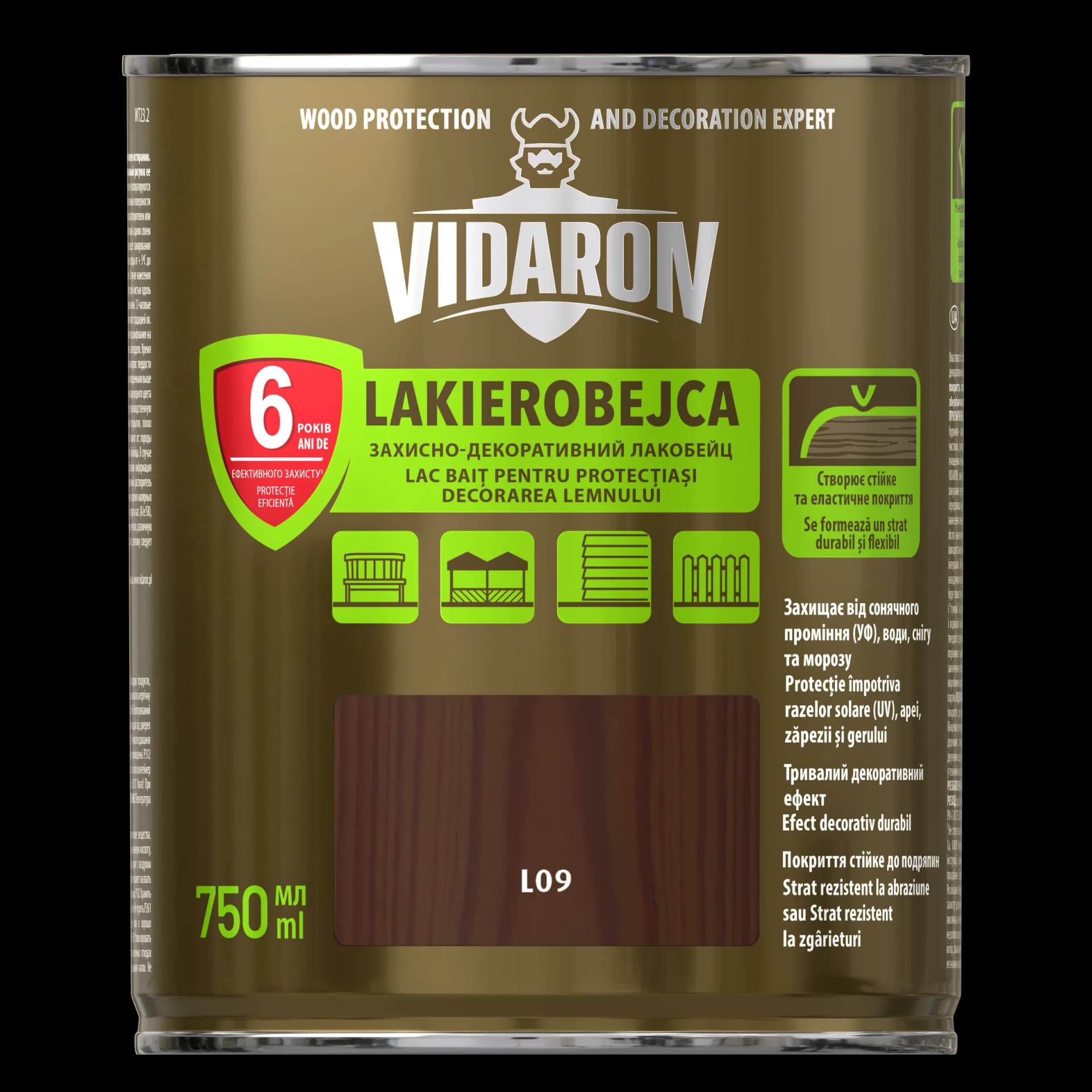
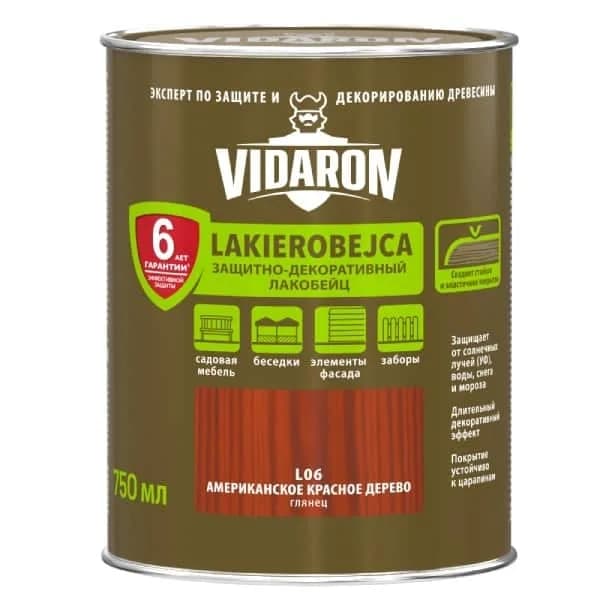
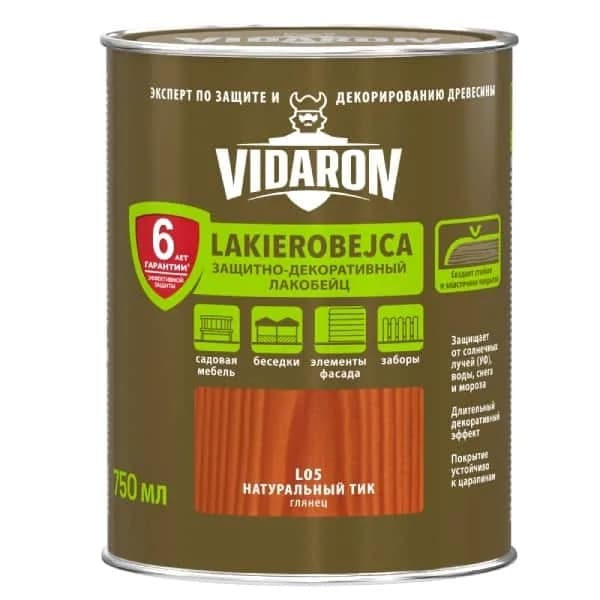
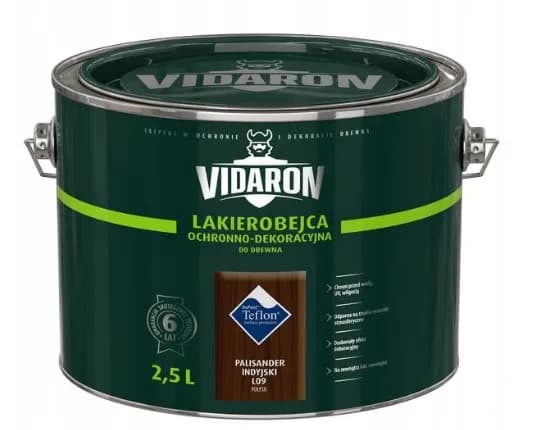
For wood, pick by the protection type you actually need. Semi-transparent wood stain (lazura) keeps the grain visible, lets the wood breathe, and can be refreshed without stripping the old layer. Good for fences, exterior doors, decking. Opaque exterior varnish covers fully, lasts longer, but demands proper surface prep. Sadolin and Vidaron both cover these scenarios well.
For metal - the varnish needs a built-in primer or you apply anti-rust primer separately. Without it, rust appears under the varnish in 6-12 months, especially where humidity fluctuates.
On mineral surfaces like concrete or stone - water-based facade varnish or polyurethane. Keeps the pores open, lets trapped moisture escape.
In stock: Sadolin (Pinotex and Cetol for wood), Vidaron (Poland), Caparol. Match to your substrate. And don't skip surface prep - varnish doesn't fix rotten wood or rusty metal.
Water-based polyurethane or alkyd with UV filter. Before that - wood preservative primer, then two varnish coats with light sanding between. Skip the preservative and moisture inside the wood leads to mould under the film.
No. Wood needs to be dry - moisture content below 18%. Apply on wet wood and the varnish lifts in 2-3 months, regardless of product quality.
Acrylic or polyurethane for outdoors. Alkyd is fine indoors but yellows and goes brittle under UV. On a Chisinau facade with real winter freezing - alkyd cracks after one or two winters.
Depends on its condition. If it's still well-bonded, no cracking, and not too thick - sand, degrease, recoat. If it's brittle or multi-layered and peeling - strip completely, otherwise the new coat leaves with the old one.
Varies by product and how porous the surface is. Porous timber absorbs more than a previously treated one. Always check the technical data sheet for the specific product you're using.