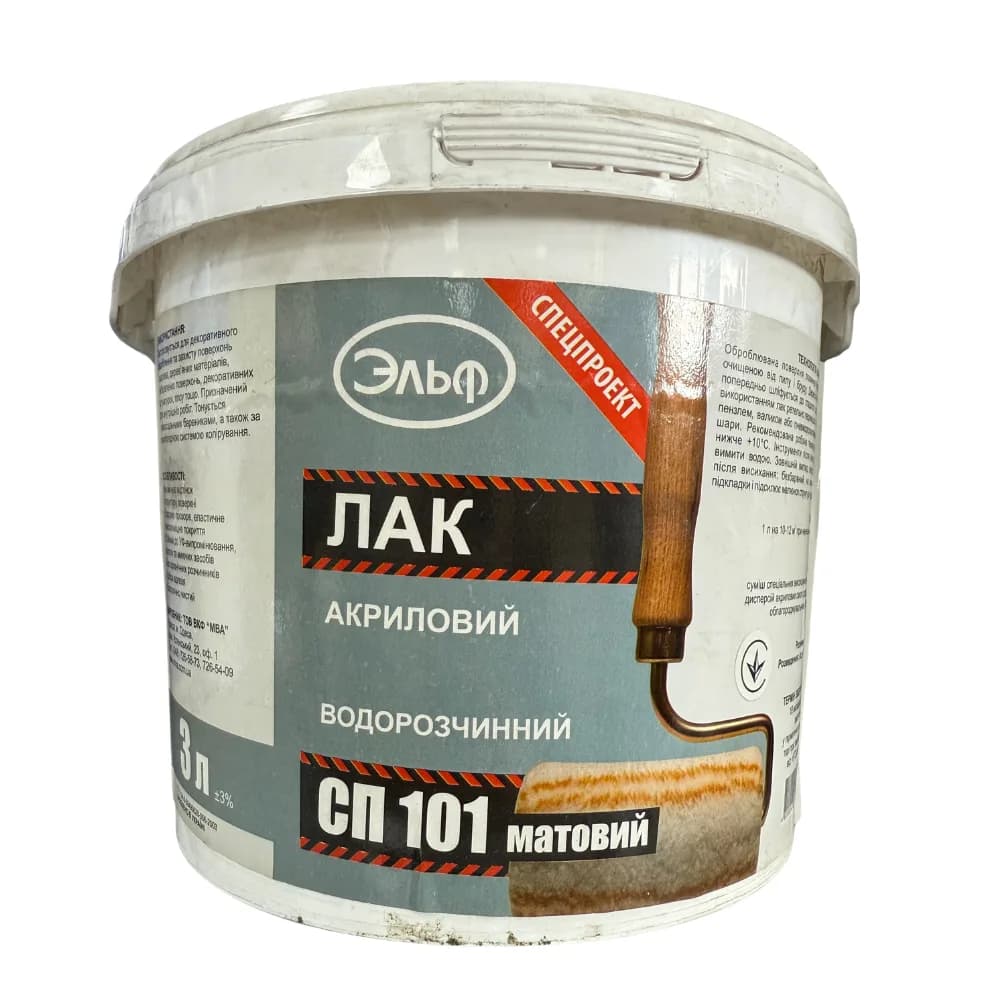
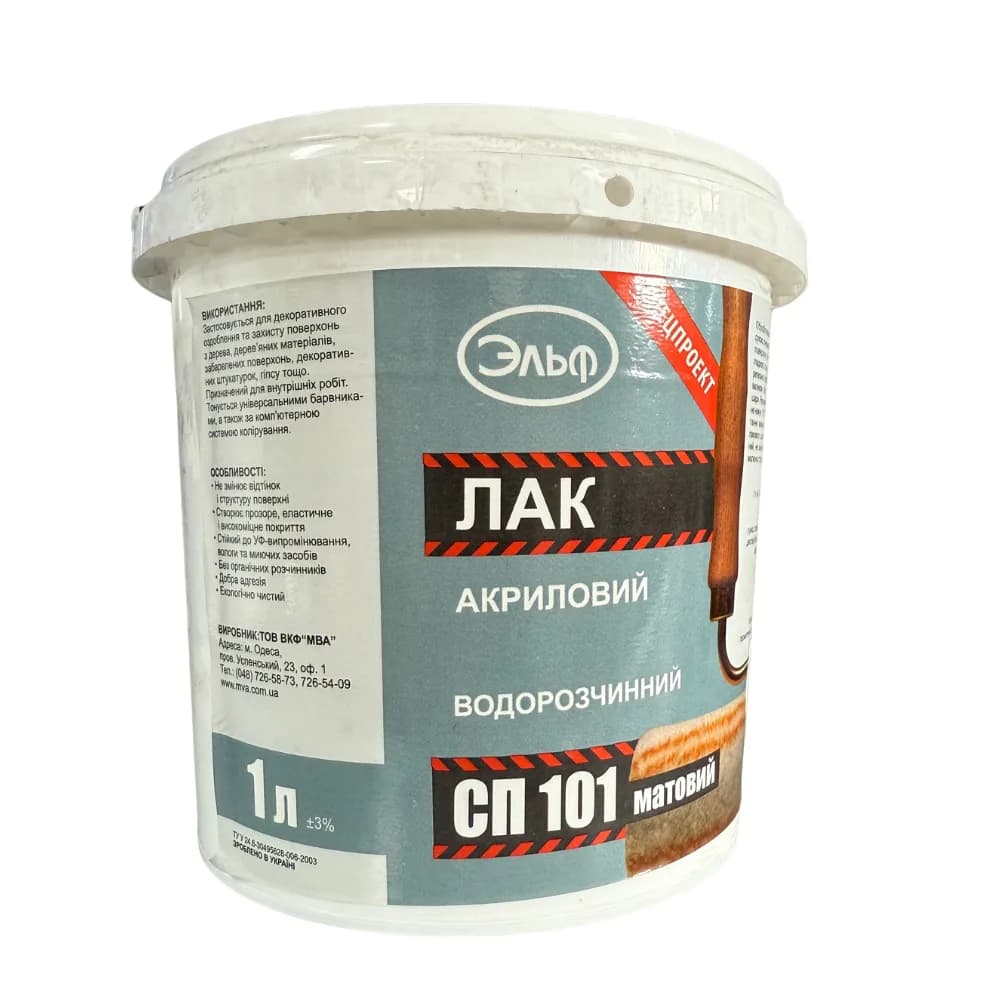
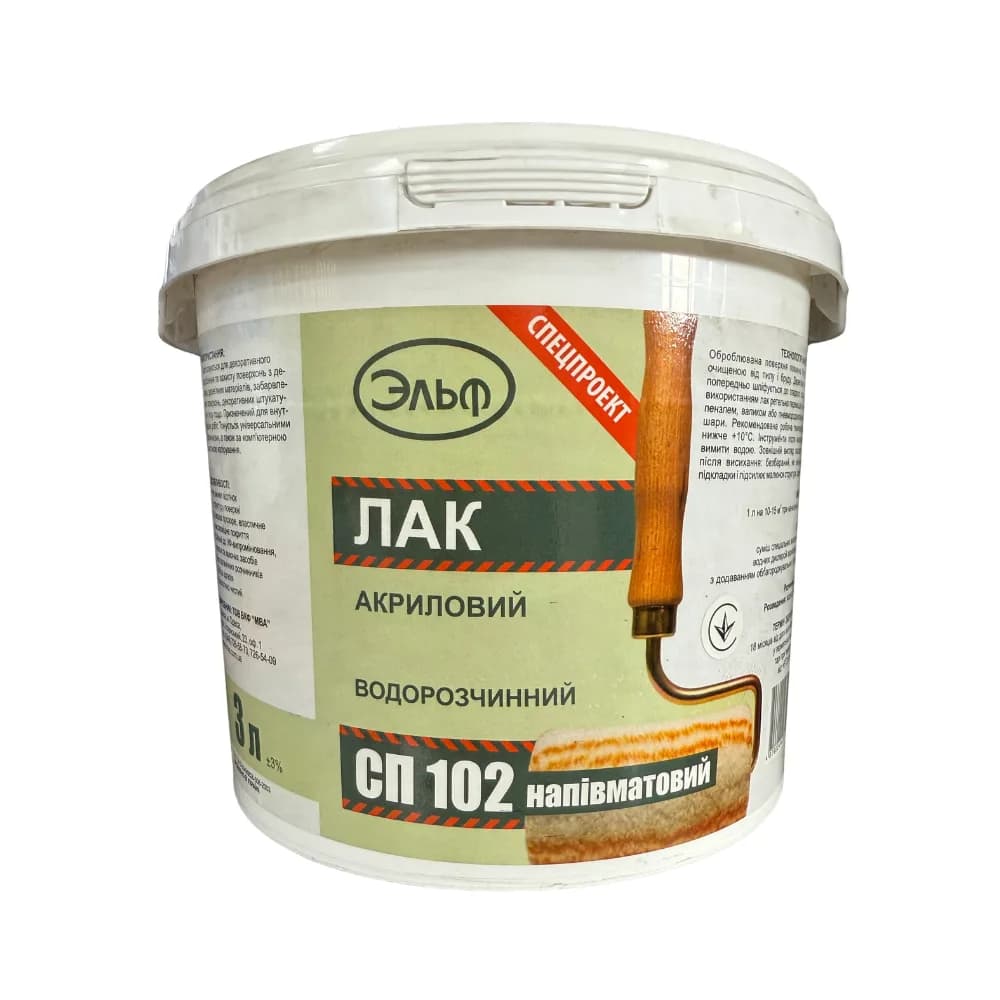
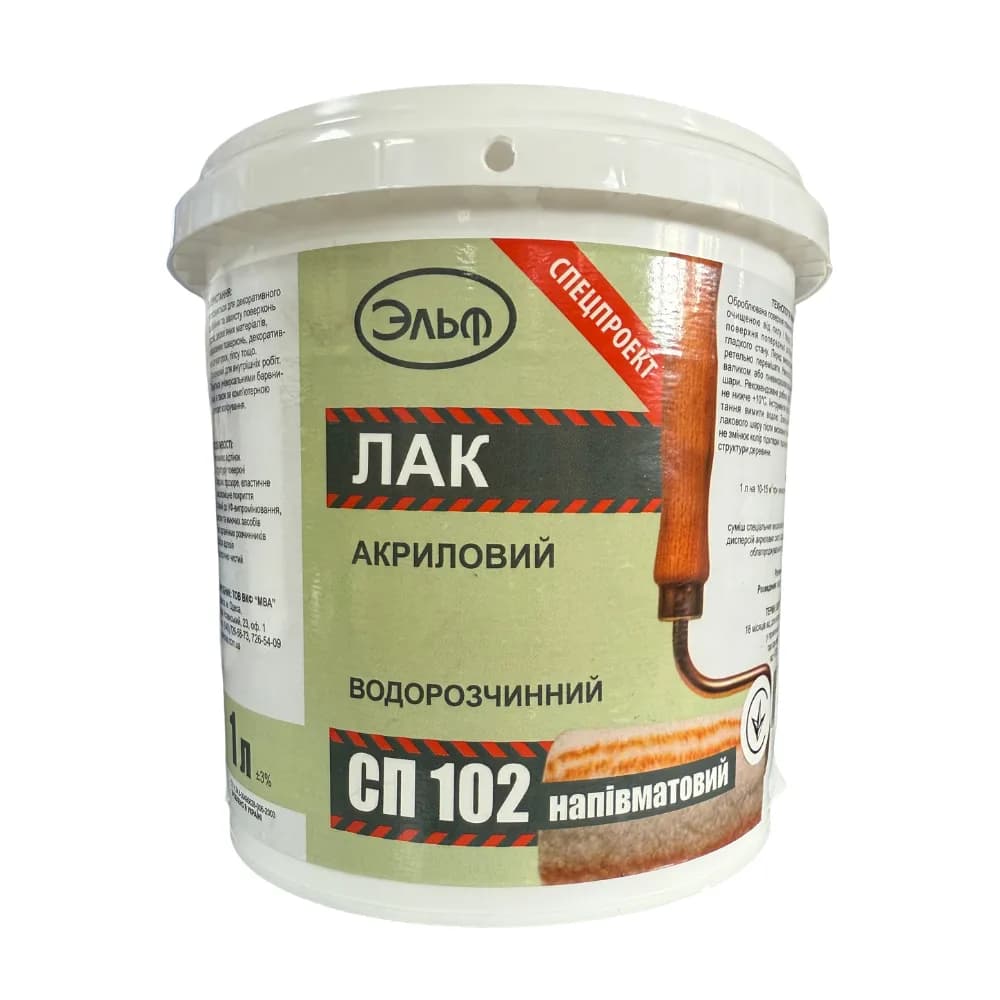
Interior varnish for doors, furniture and wooden surfaces
Renovating while someone's sleeping in the next room? Classic alkyd varnish smells for 2-3 days. Acrylic - a few hours.
That's the first decision for interior work: how much odour you can handle. Occupied room - water-based acrylic, no argument. Empty space, good ventilation, time to wait - alkyd gives a smoother, harder film and self-levels better.
On interior wood - doors, skirting, frames, furniture - film hardness matters just as much. A hallway windowsill takes ten hits a day. Doors - handle zone, hinges, edges. The varnish has to handle mechanical wear, not just look nice. Polyurethane varnish is the hardest finish, scratch-resistant, right for furniture and floors. Acrylic with hardener - good hardness, low odour, fast drying. Alkyd - superior levelling, slower dry, more smell.
Gloss or matte? On walls, matte hides surface imperfections better. On furniture and doors, satin or gloss cleans easier.
In stock: Caparol, Tikkurila (Helmi for furniture), Sadolin. Pick by what the surface actually has to do, not by price point.
Polyurethane or acrylic with hardener - good impact and scratch resistance. Two coats after fine sanding. Alkyd gives a better sheen but dries slower and smells longer.
Not recommended. Floor varnish is formulated for foot traffic loads - it's too rigid for furniture. Furniture needs some flexibility with micro-movement. Use furniture varnish or polyurethane with medium flexibility.
Two minimum, three on absorbent timber. First coat diluted 10-15% per instructions - penetrates the grain. Following coats at full consistency. Light sanding between coats at 240-320 grit.
Matte where there's no direct contact and the surface isn't perfectly flat - it hides more. Satin or gloss for high-touch areas with regular cleaning - much easier to wipe down.
Usually alkyd varnish in a room without direct light. Alkyd yellows without UV exposure. For ceilings in hallways or bathrooms, go acrylic - it doesn't yellow over time.