Construction Adhesive - Mounting Grades for Every Substrate
Mounting adhesive and sealant are not the same thing. Worth clearing that up first.
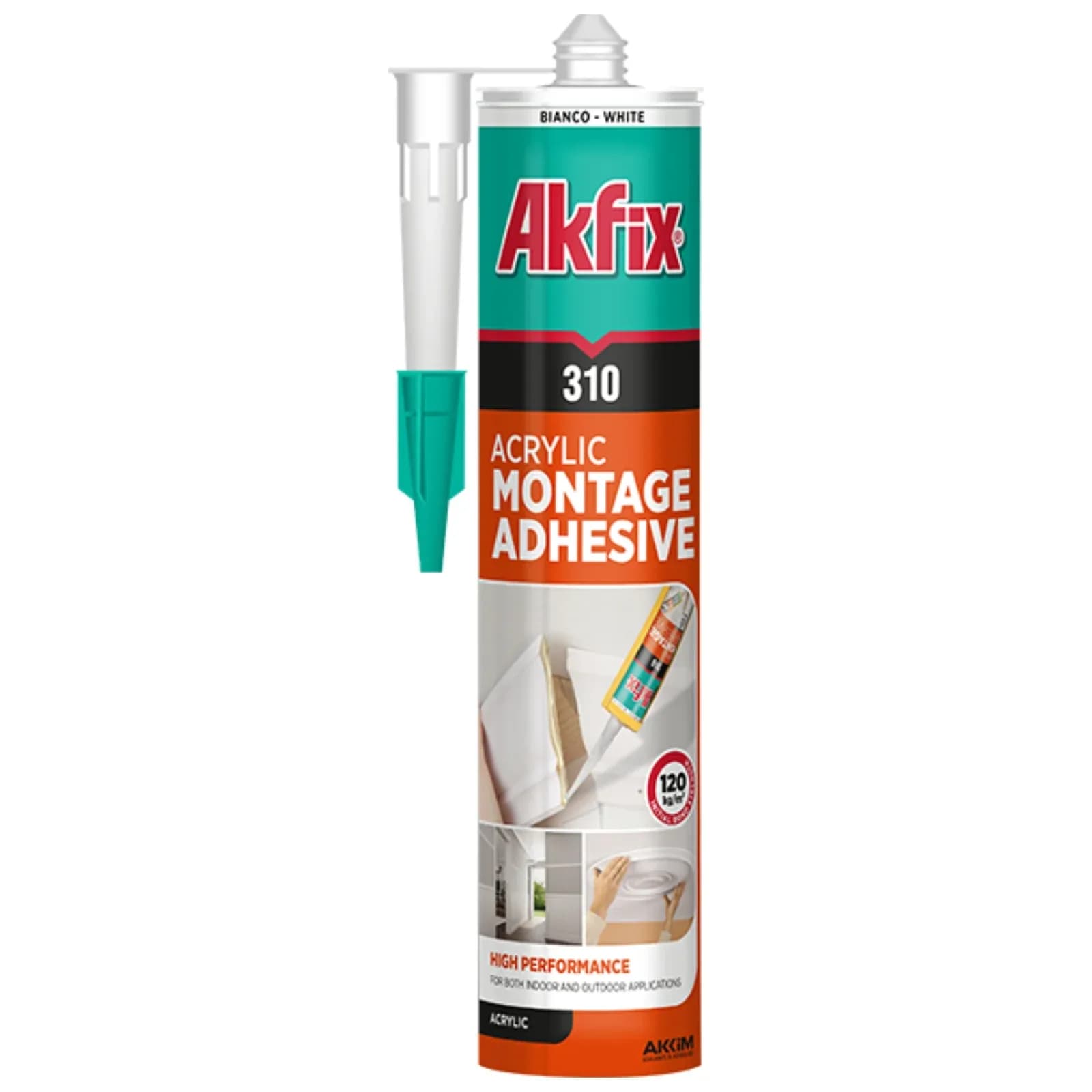
Mounting adhesive creates a structural bond - it holds pull-off loads, handles vibration, won't creep. Type matters: acrylic for light work, low fume, paintable. Polyurethane (PU) for high-strength bonds, moisture-resistant, suitable outside. MS-polymer is the hybrid - silicone flexibility plus PU adhesion, paintable, no isocyanates.
Drywall to concrete without fixings? MS-polymer or PU with temporary bracing for 15-20 minutes. Timber batten to stonework on a facade? Exterior PU. PVC skirting to laminate floor? Acrylic.
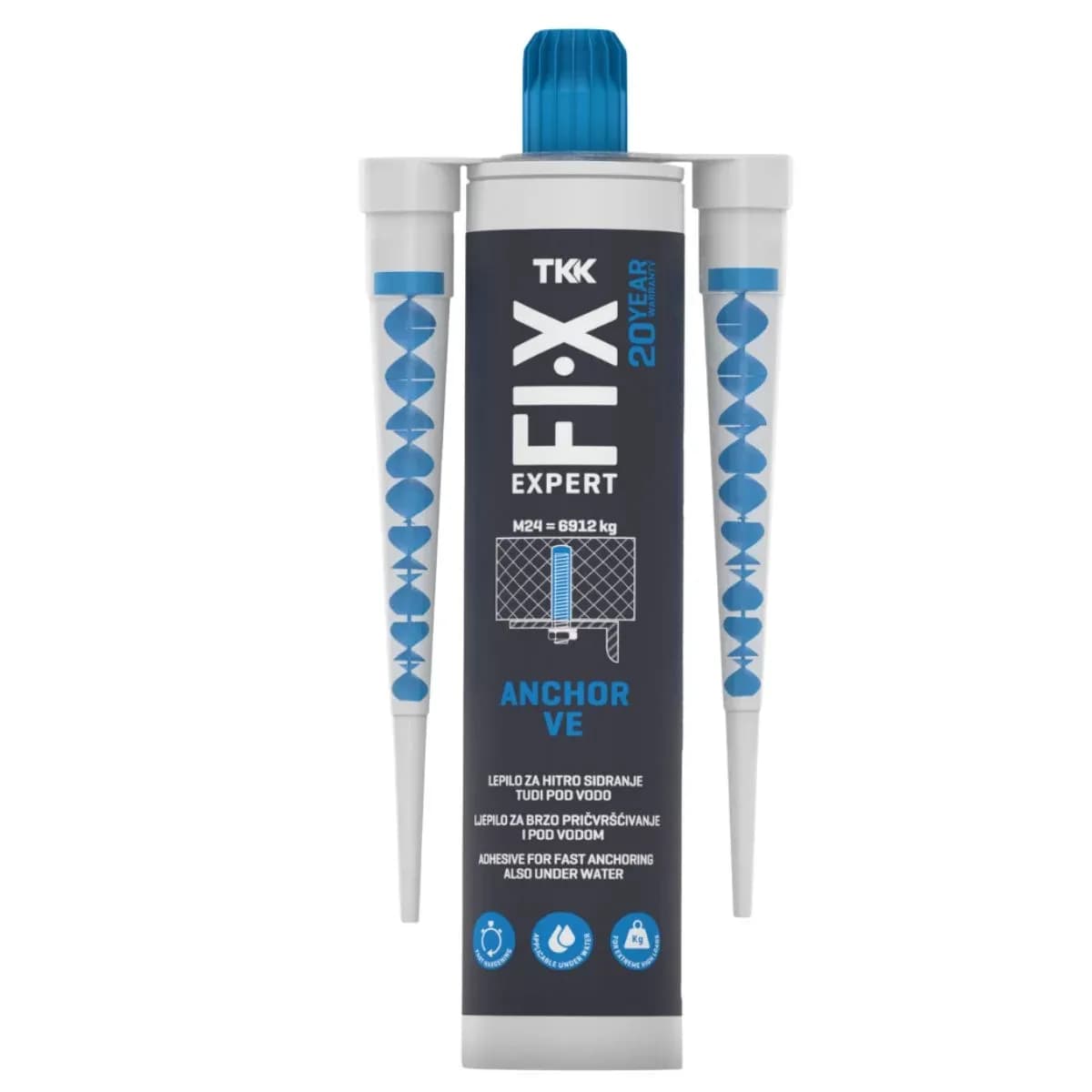
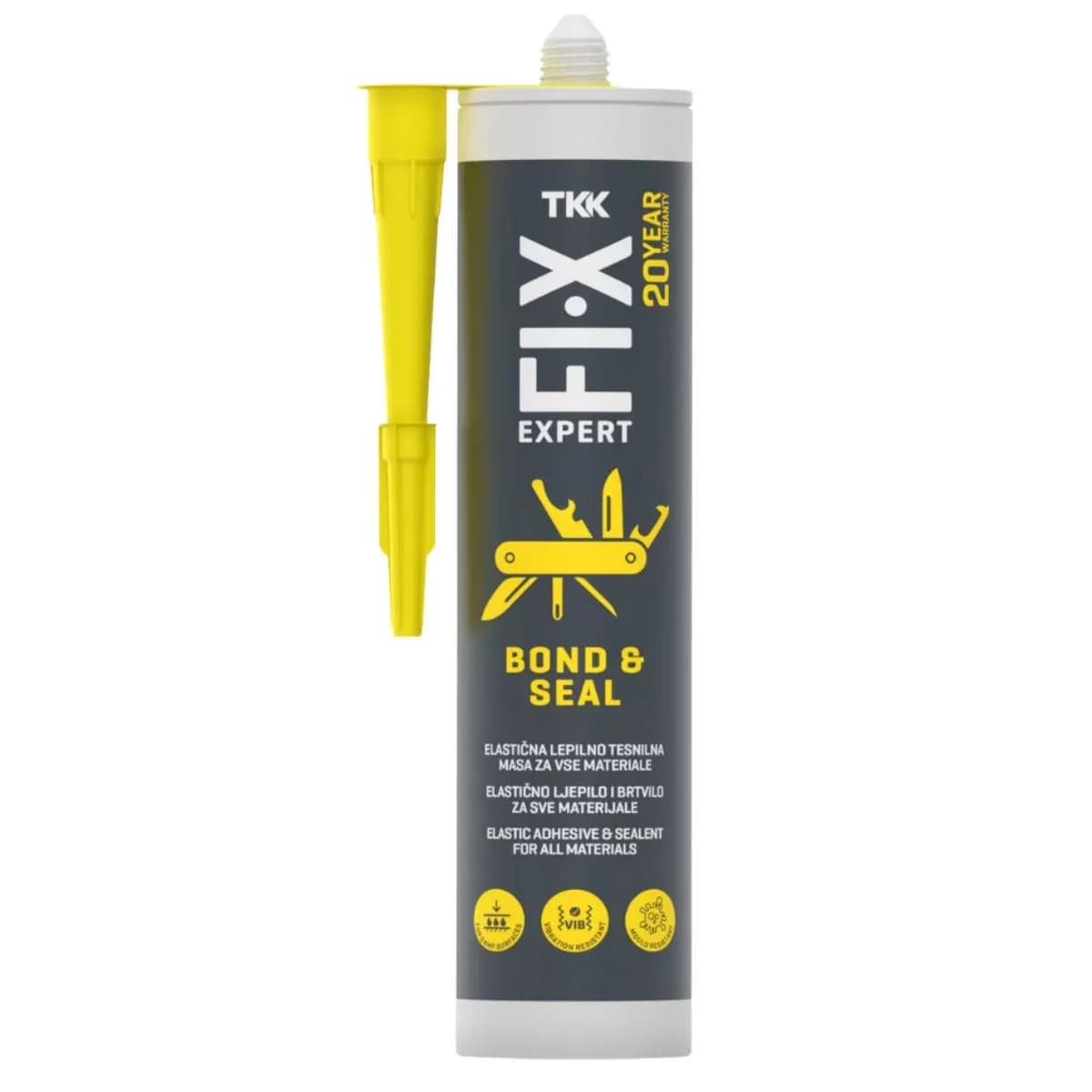
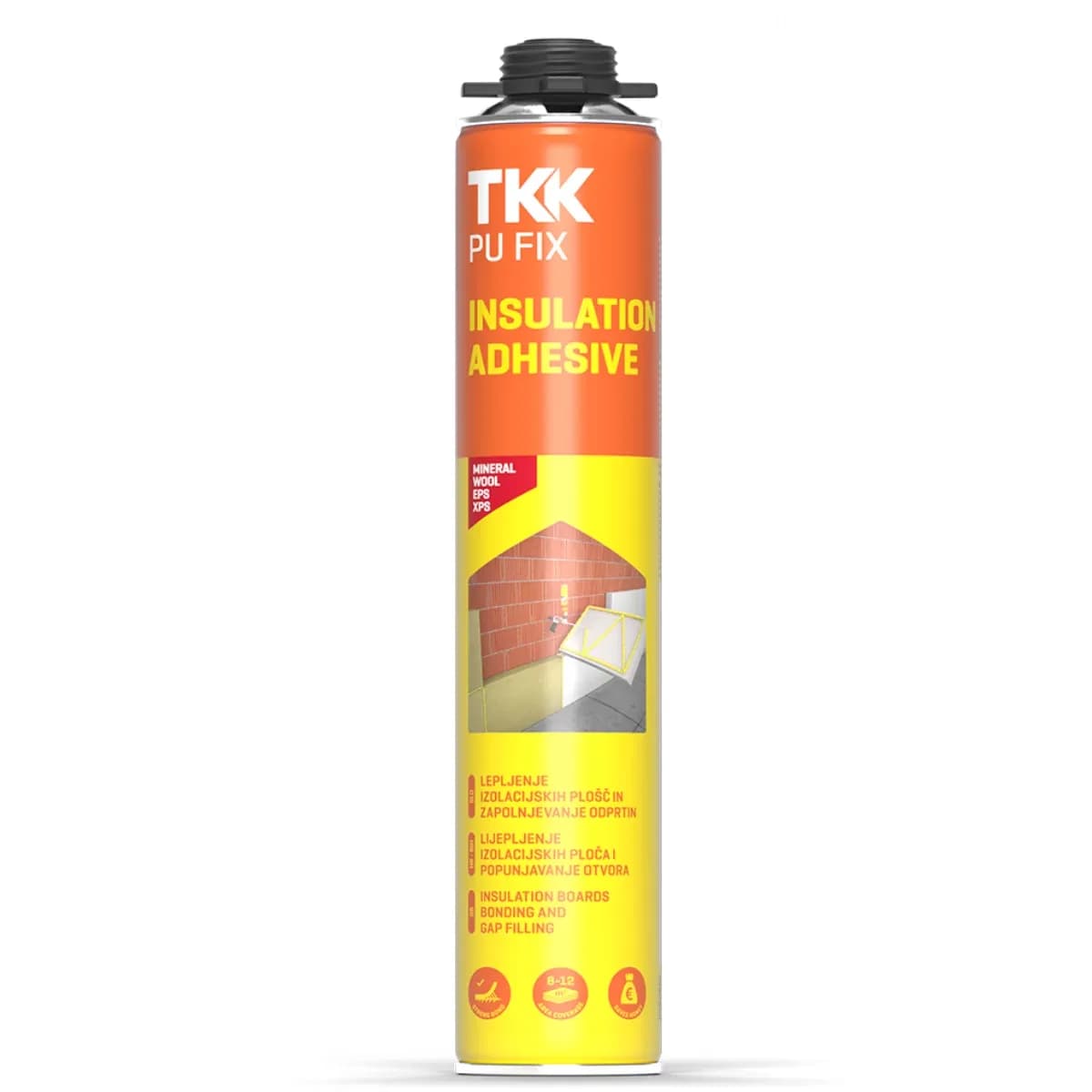
Soudal, Ceresit, TKK - different series for different applications. There's no single "works on everything" mounting adhesive. Pick by substrate and conditions.
For light to medium loads - yes, when surfaces are properly prepared. For heavy-duty applications (loaded shelving, structural elements) mechanical fixings remain necessary. Mounting adhesive replaces fixings in decorative and light structural work.
MS-polymer is more flexible, contains no isocyanates, is paintable and UV-stable. PU typically has higher pull-off strength but is more rigid. MS-polymer is the safer all-round choice, especially for indoor or mixed-material applications.
Depends on type. PU and some MS-polymer grades will bond to slightly damp surfaces. Acrylic mounting adhesive requires dry substrates. Check the product label - manufacturers specify the moisture limits.
Most mounting adhesives need 10-20 minutes of mechanical support until initial grab. Full strength at 24-48 hours. Below 10 degrees C curing slows significantly.
Not all grades. Exterior PU and MS-polymer are formulated for UV, rain and thermal cycling. Standard acrylic mounting adhesive won't last outdoors in Moldova's freeze-thaw conditions.