Ropes and cords - polypropylene, nylon and sisal for construction and general use
Breaking strength on the label is for new rope, straight, no knots. With a knot - loses 40-50% strength.
That's what nobody writes on the pack. Which is why ropes fail below nominal load.
Polypropylene (PP) - most common on site. Light, moisture-resistant, good price. Doesn't hold UV over time - after 1-2 years in direct sun it goes brittle. For scaffolding, lifting materials, temporary lashing.
Polyamide (nylon) - more elastic than PP, high shock and abrasion resistance. More expensive. Right where impact is the issue.
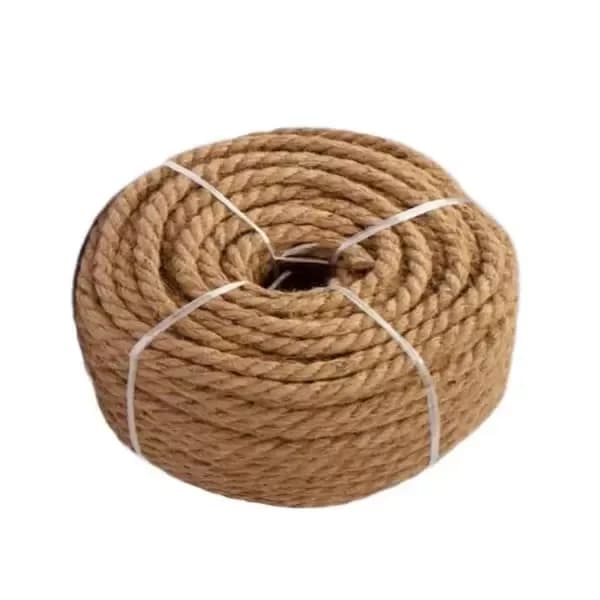
Sisal (natural fibre) - traditional in construction lashing, doesn't slip on timber. Can't handle moisture - rots. Avoid outdoors.
Diameter is the practical selector. 4-6 mm - tying packages, light lashing. 8-10 mm - medium site loads. 12-16 mm - material lifting, scaffold anchoring.
Knot factor: in any load calculation, apply a 0.5 factor to nominal breaking strength when knots are involved. That's the safe margin.
Polypropylene minimum 12 mm diameter, or nylon for shock loads. Check the Working Load Limit (WLL) on the packaging - not the breaking strength. WLL is usually 1/5 of breaking strength for safe use.
Not long-term. PP degrades under UV after 12-24 months in direct sun - goes brittle. For permanent outdoor installation - UV-stabilised nylon or metal alternatives.
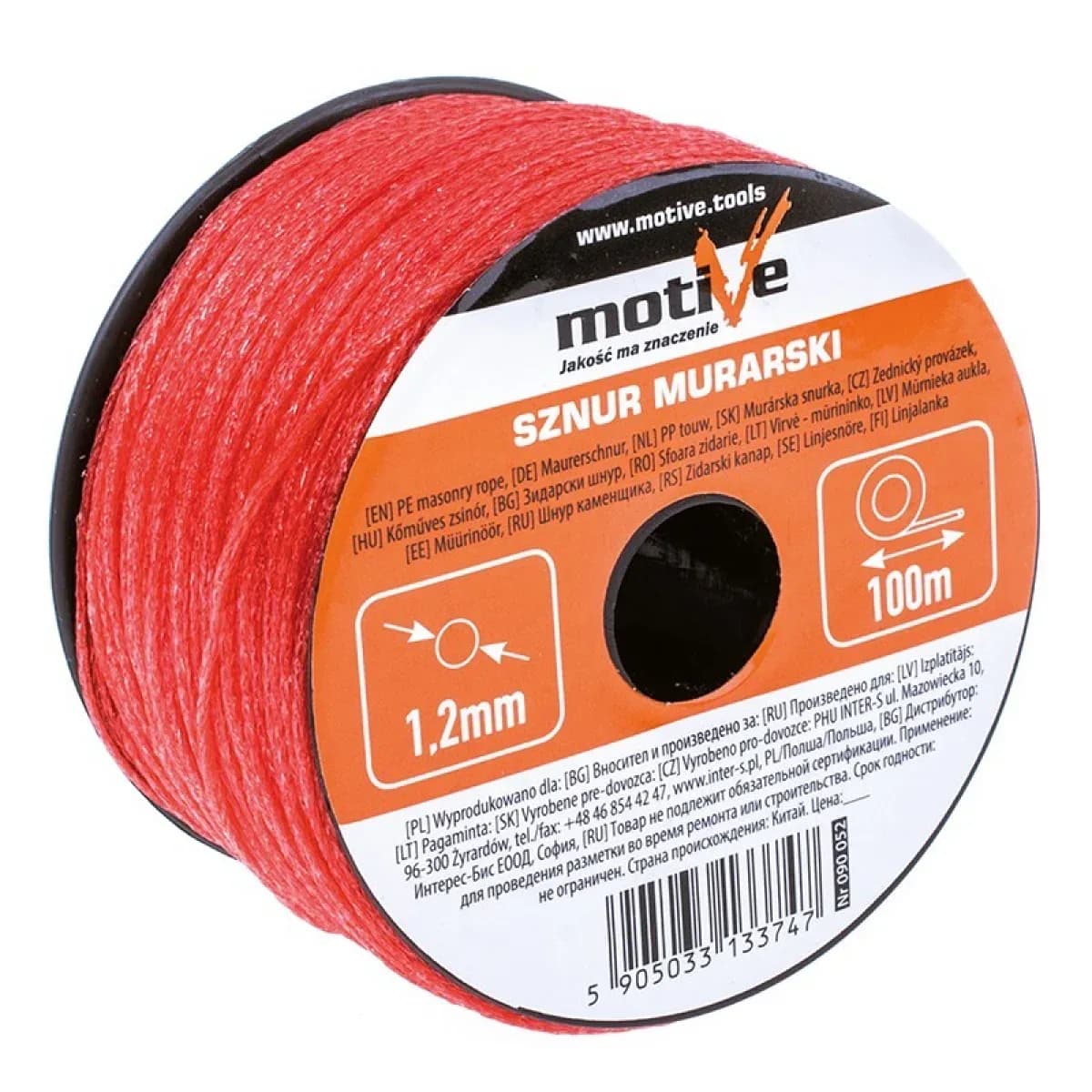
Mason line nylon or PP, 1.5-2 mm, pulled tight and visible. Thick twine sags and introduces level error. For long runs, a laser level is more reliable.
Take the maximum load, multiply by safety factor 5 - that's the minimum breaking strength you need. If you have knots, multiply again by 2 (knot factor). Look for 'breaking strength' on the packaging.
Technically yes - PP is recyclable. In practice, few collection points in Chisinau accept ropes contaminated with site mud and debris. Check local collection points before putting in general waste.