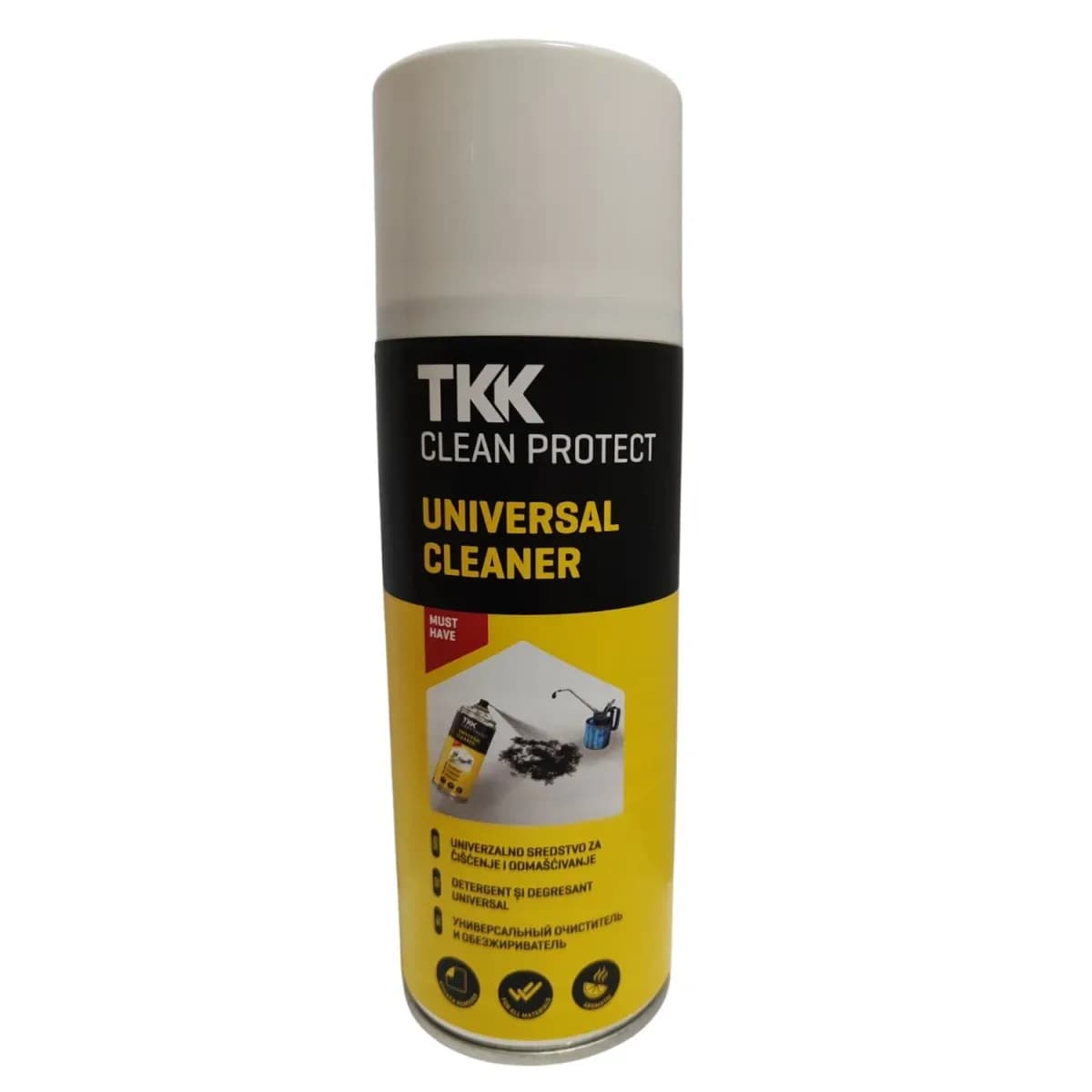
Thinners and solvents for alkyd paint, varnish and tool cleaning
Wrong solvent ruins the paint. Not a figure of speech.
Every paint base has its own chemistry. Water-based paints take clean water - white spirit destroys the emulsion. Alkyd enamel, nitro, epoxy - each has a specific thinner. Mix wrongly and the paint either coagulates, won't bond or dries to a flat finish when you expected gloss.
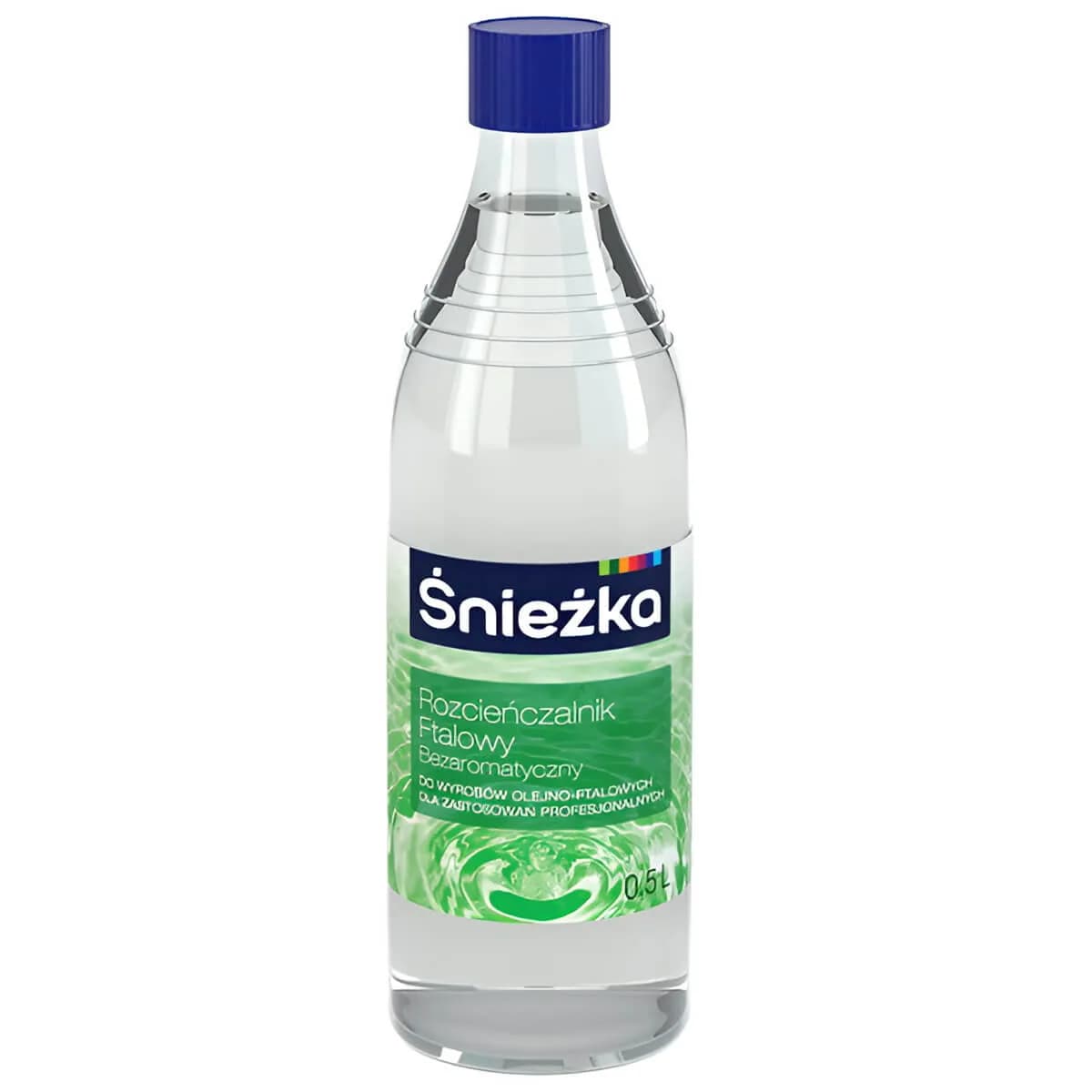
What matters: read the product label, don't guess. White spirit is fine for cleaning brushes after alkyd work. For thinning, use only what the manufacturer specifies.
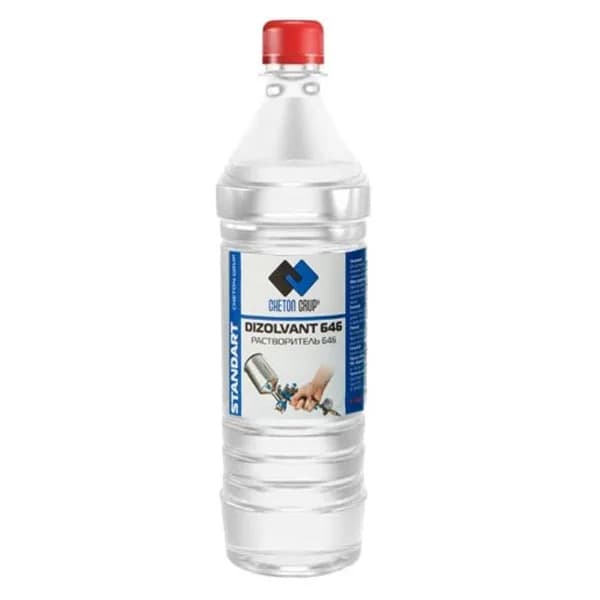
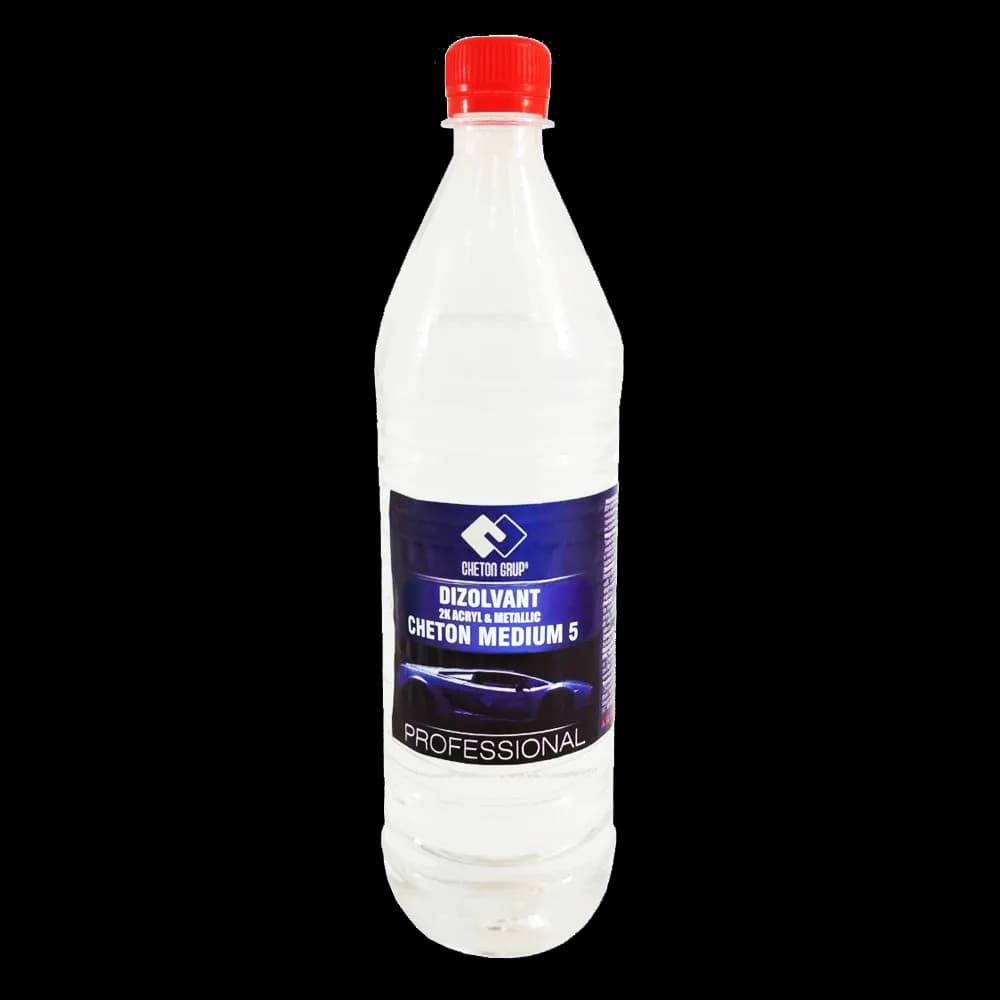
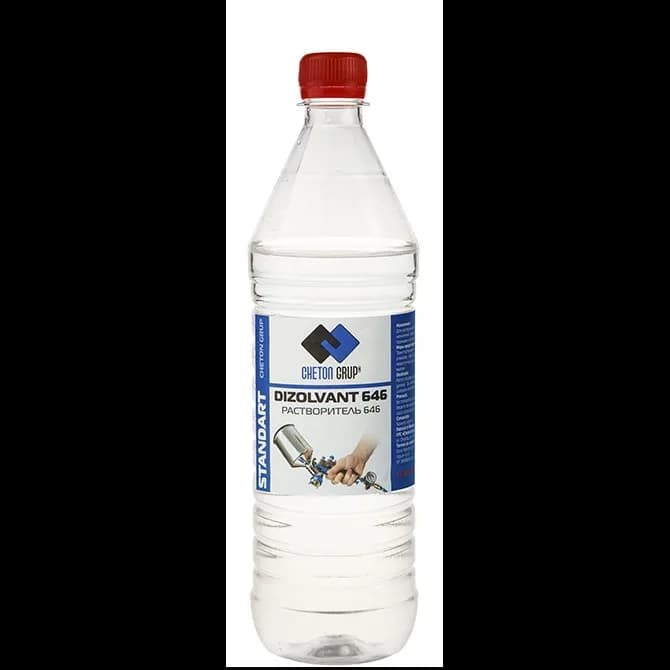
Technical solvents: acetone for cleaning uncured epoxy adhesive, cellulose thinner for nitro paints and alkyd primers, xylene for industrial coatings.
Ventilation is not optional. All synthetic solvents release harmful vapours. Work with windows open, no smoking near containers.
White spirit or dedicated alkyd thinner - indicated on the product label. Typically 5-10% by volume. Don't over-thin - the paint will run and you won't get a proper finish.
No. Water-based paints take clean water only. White spirit breaks the emulsion - the paint coagulates and becomes unusable. Always read the label before thinning.
White spirit or alkyd thinner. Soak the brush for 10-15 minutes, then wash with water and detergent. If the paint has already dried on the brush, you need a stronger solvent - or a new brush.
White spirit is cleaner and milder, with a weaker smell - for thinning alkyd enamel and cleaning tools. Cellulose thinner is more aggressive and evaporates faster - for nitro paints and alkyd primers. They're not interchangeable.
Depends on the gun and the desired viscosity - usually 10-20% of the recommended thinner. Test with a Ford cup - 20-30 seconds for most paints. Add progressively, not all at once.