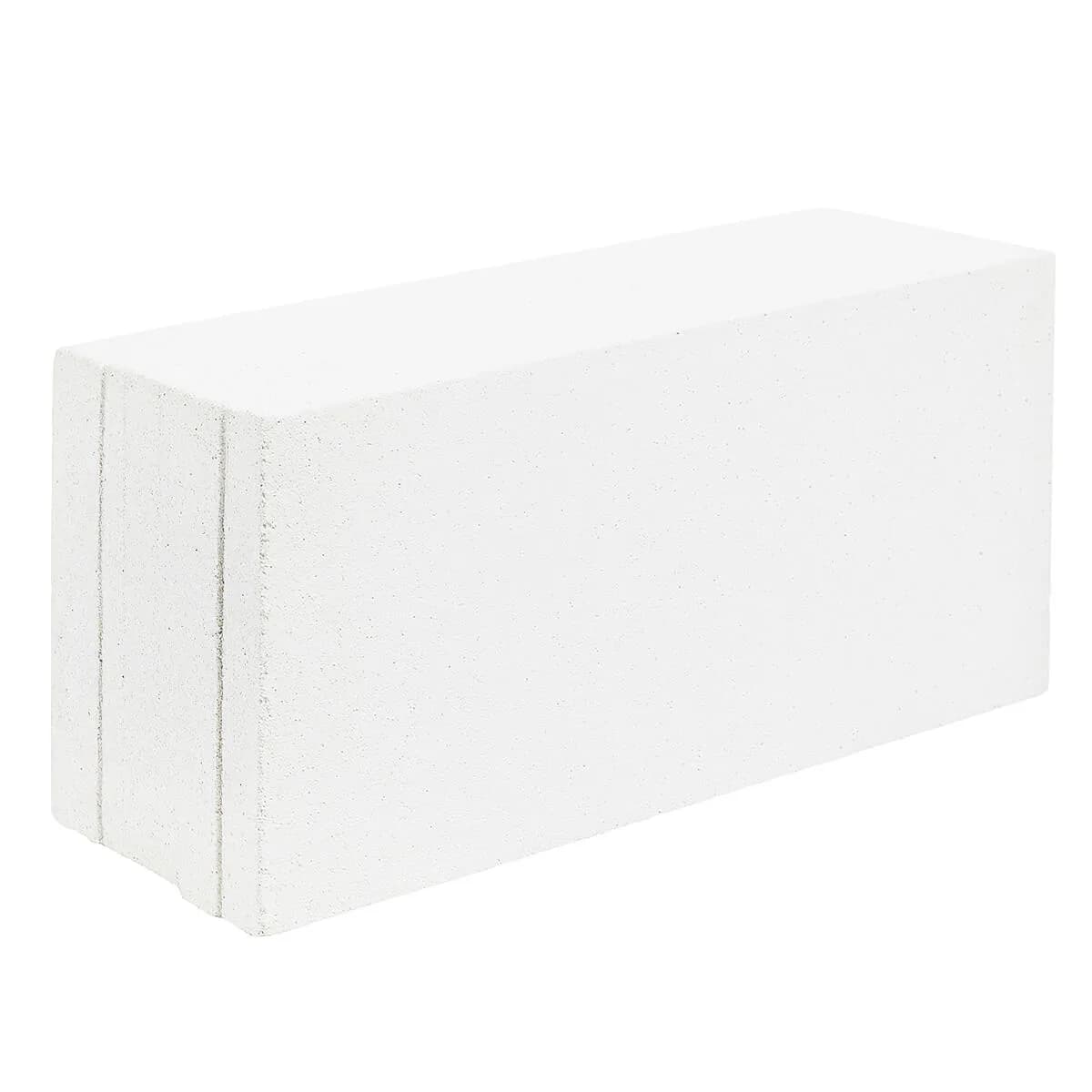
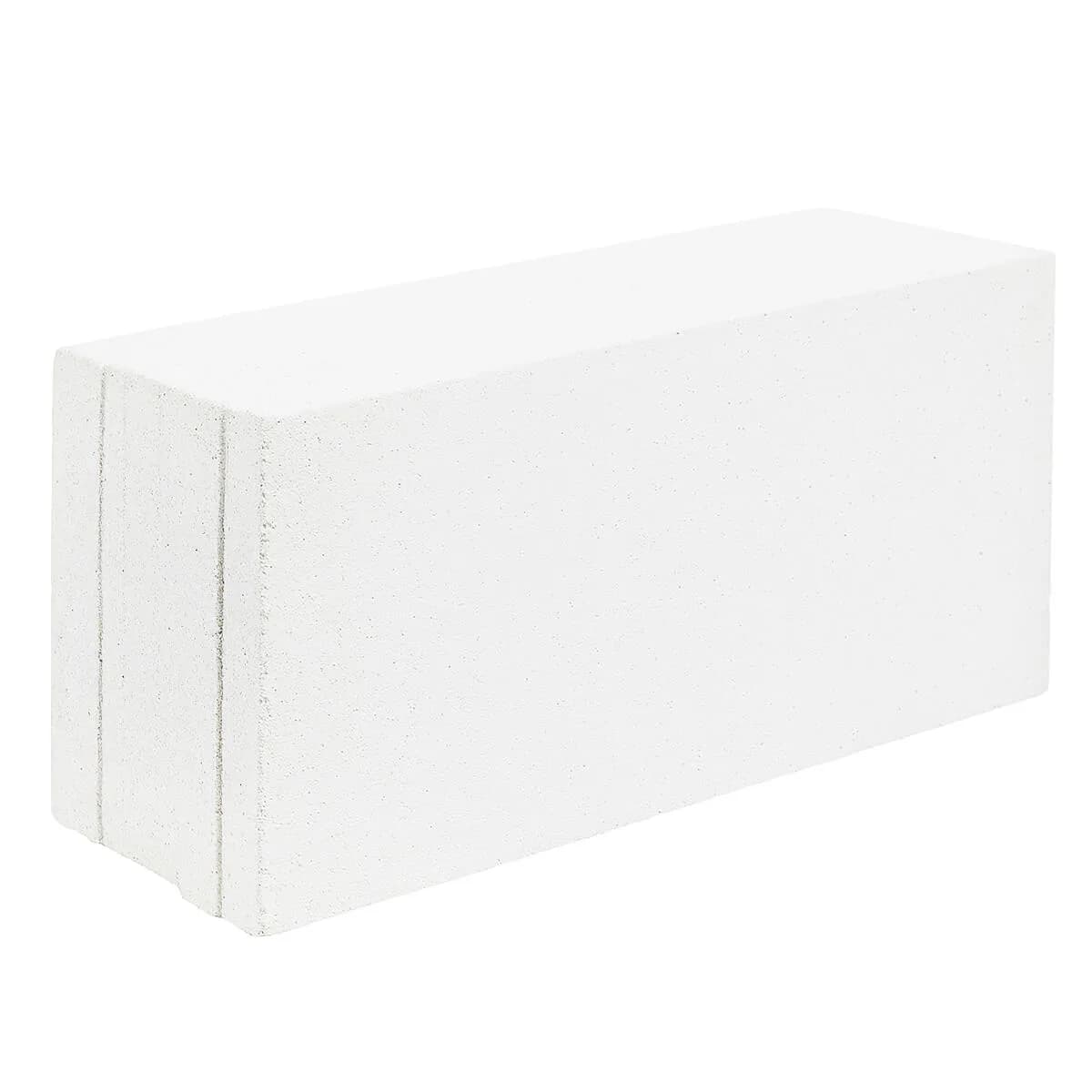
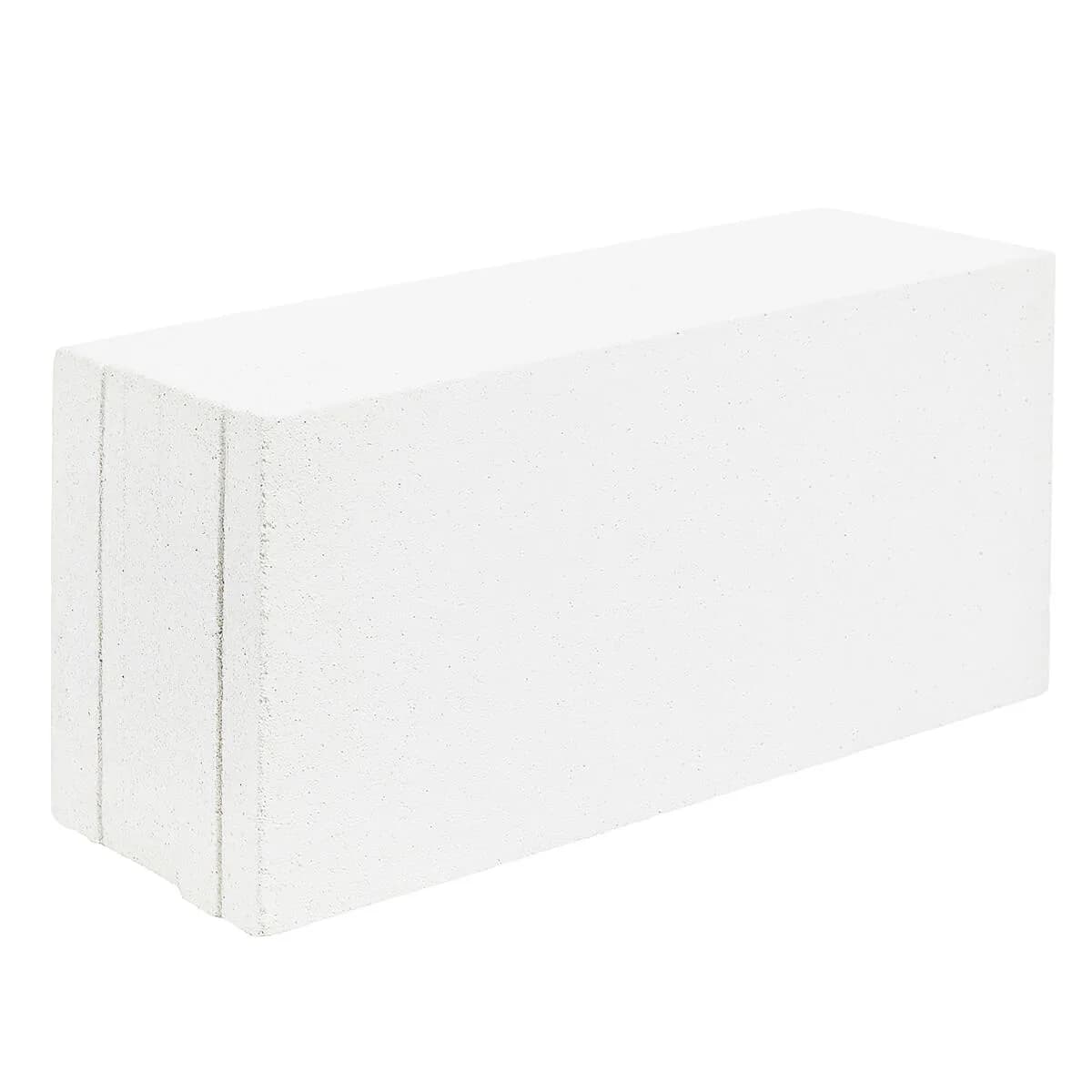
Masonry blocks and elements - AAC, brick, interior partitions
Most common use case in Chisinau apartments: knock down the old partition, put up a new one.
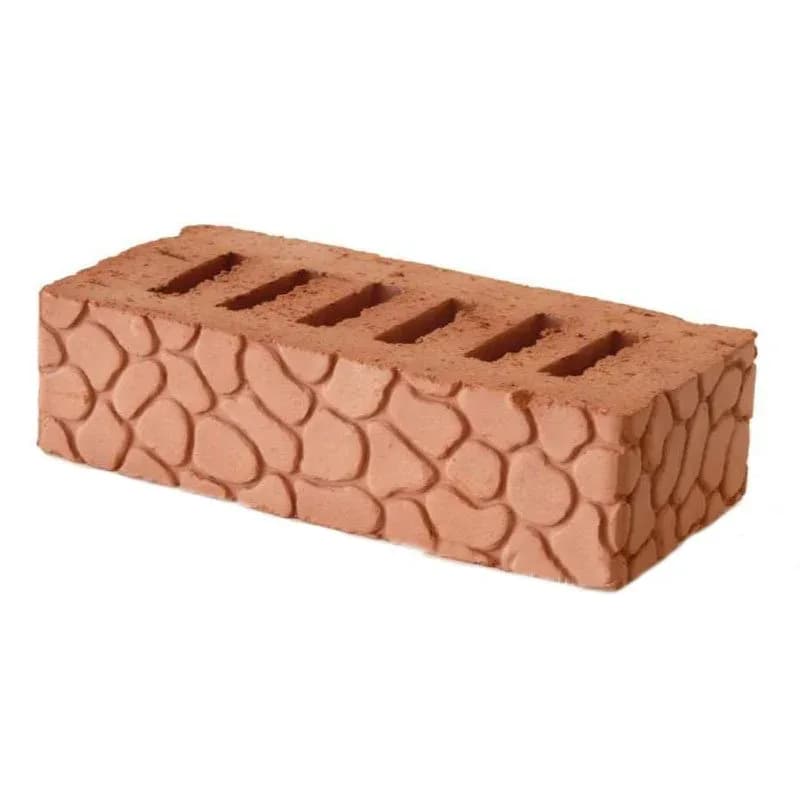
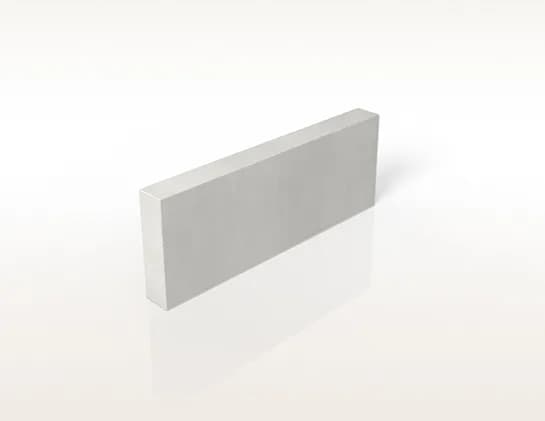
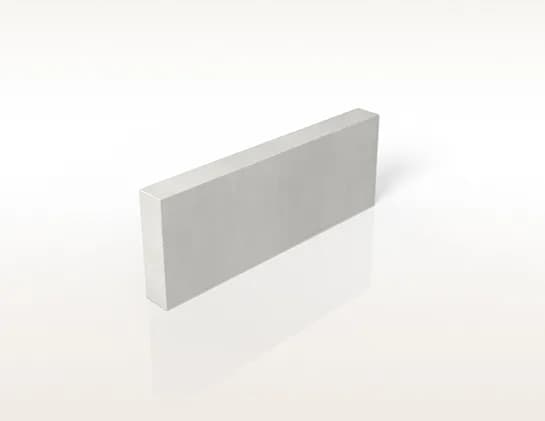
AAC or brick? AAC (autoclaved aerated concrete) is lighter, cuts with a handsaw and one person can handle it. Brick is denser - better for sound insulation if noisy neighbours are the issue.
Wall thickness: 75-100 mm for a standard non-load-bearing partition. 120-150 mm if you're mounting heavy cabinets or need better acoustic separation. 250 mm is for exterior walls or load-bearing work in houses.
In Soviet-era Chisinau apartment blocks, the structural walls are poured concrete or large-panel. Those don't come down without an engineer's sign-off. The brick or slag-block partitions are fair game - they're routinely replaced during renovation.
Delivery note: blocks are heavy. Confirm at order time whether delivery includes carrying up to the floor.
AAC is faster, lighter and easier to work with - good when you're working in a lived-in flat. Solid brick gives better sound insulation. The choice depends on priority: speed or acoustic comfort.
75-100 mm for a plain partition with no special requirements. 120-150 mm if you're hanging heavy storage or need better sound separation. Under 75 mm is only for decorative non-structural elements.
Yes - AAC is more beginner-friendly than brick. It cuts easily, weighs less and AAC adhesive goes on in a thin layer without mixing heavy mortar. A straight 10 sq m partition is a realistic weekend project.
Use dedicated AAC block adhesive in a 2-3 mm layer - not standard cement mortar. Thick mortar creates thermal bridges and undermines the AAC's properties. Thin-bed AAC adhesive is the correct product.
Calculate wall area in sq m (width x height), subtract openings. The manufacturer states blocks per sq m on the packaging. Add 5-10% for cuts and waste.