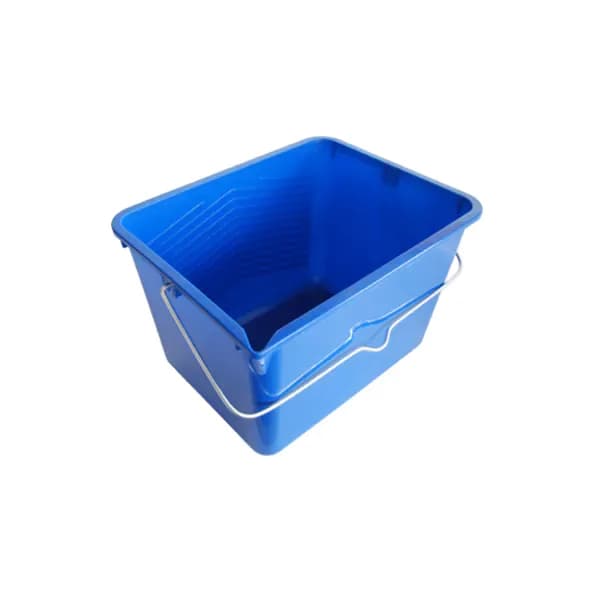
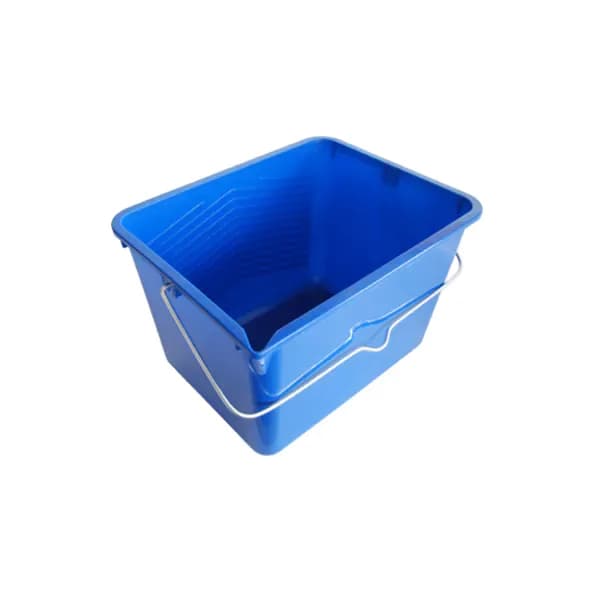
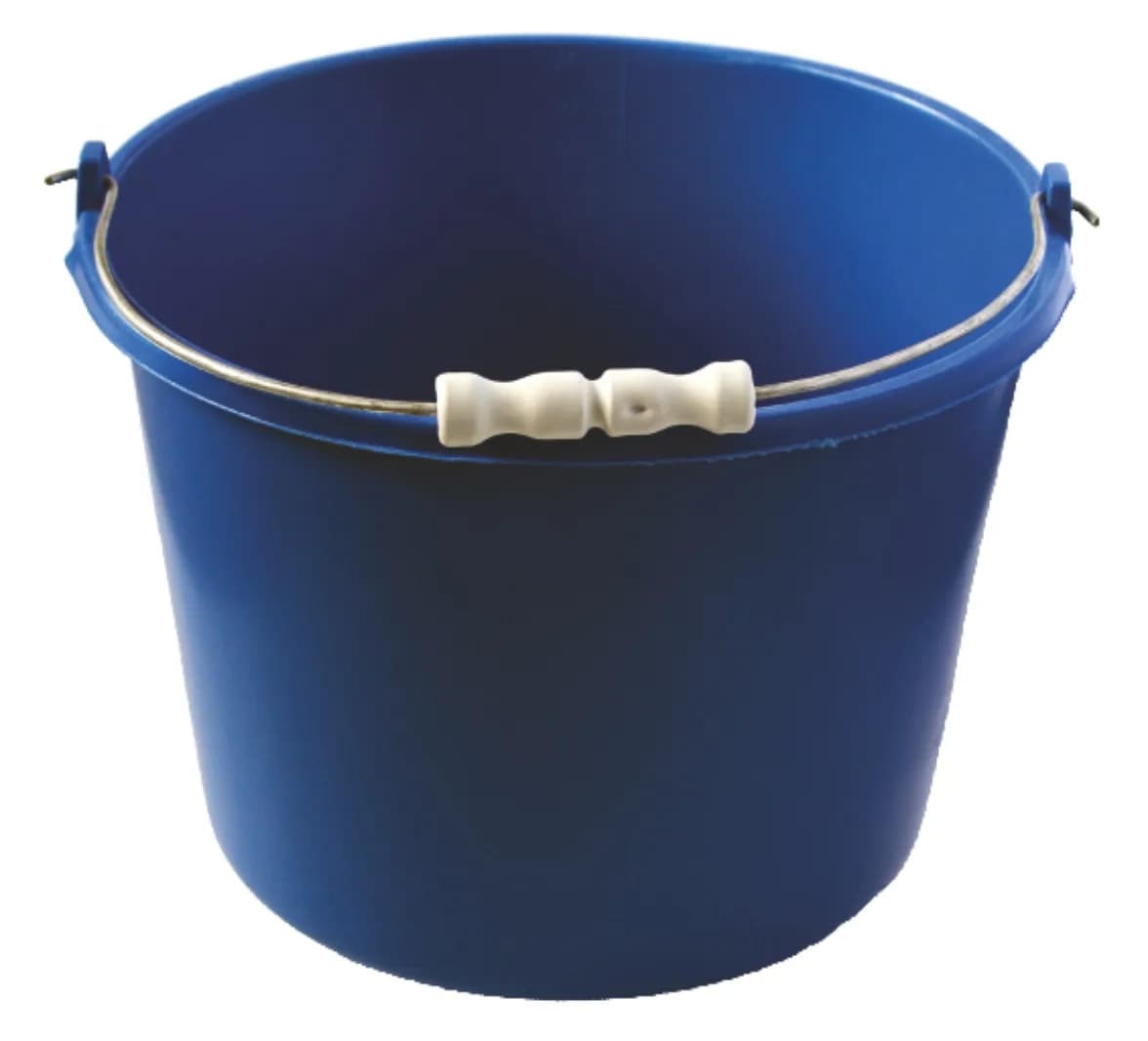
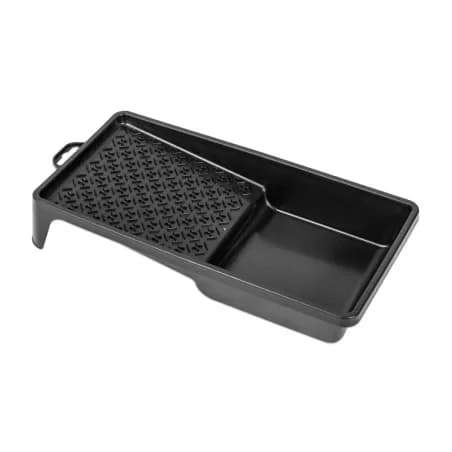
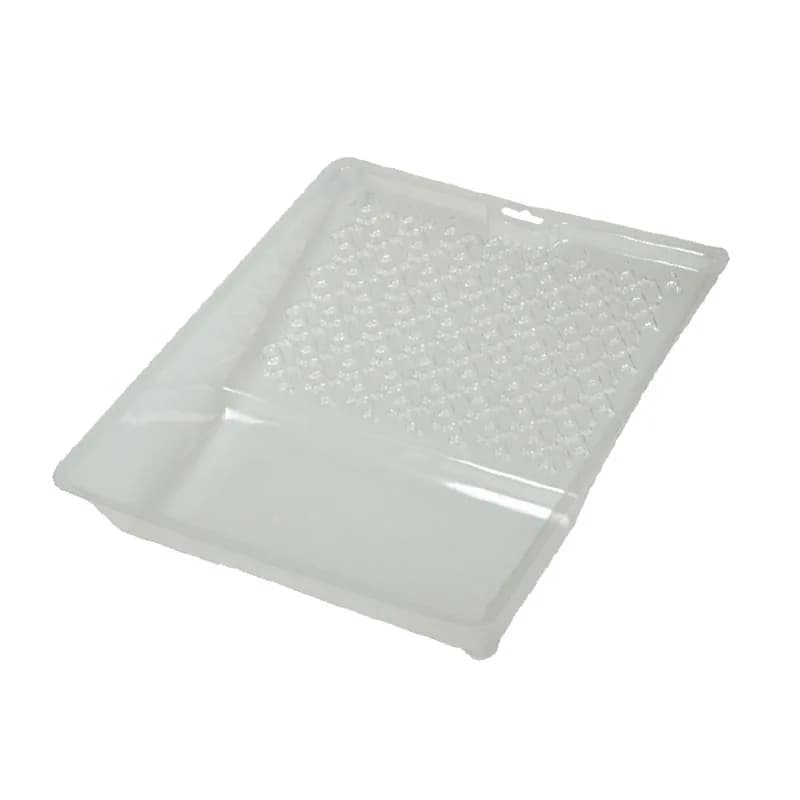
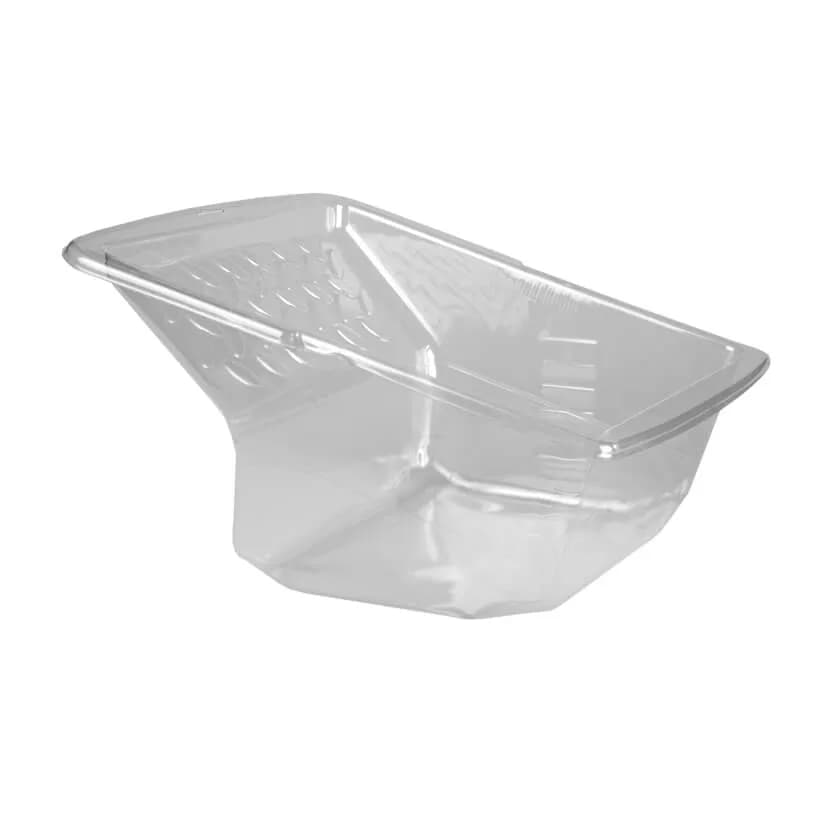
Paint buckets and trays - roller trays, grid inserts and painting accessories
Wrong tray - paint spills. Or you overload and charge the roller unevenly. Small detail, but a day of painting with the wrong gear is twice as tiring.
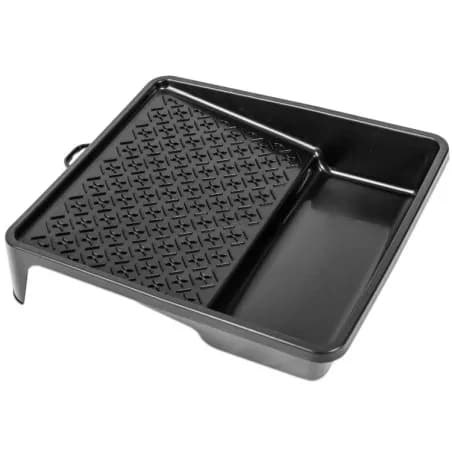
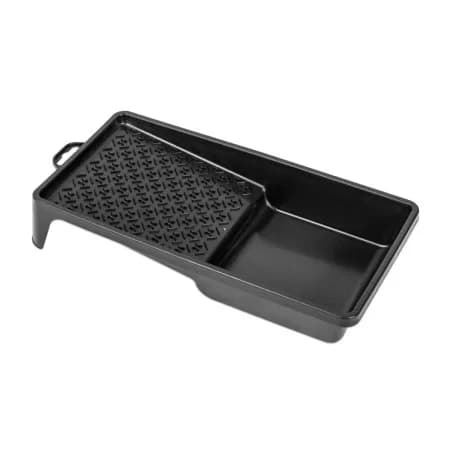
Simple rule: tray width = roller width or wider. 18 cm roller - standard 22-25 cm tray. Wide 27 cm roller - 30 cm tray or a flat bucket. Long painting runs - 10-15 litre bucket with grid insert, fewer stops to reload.
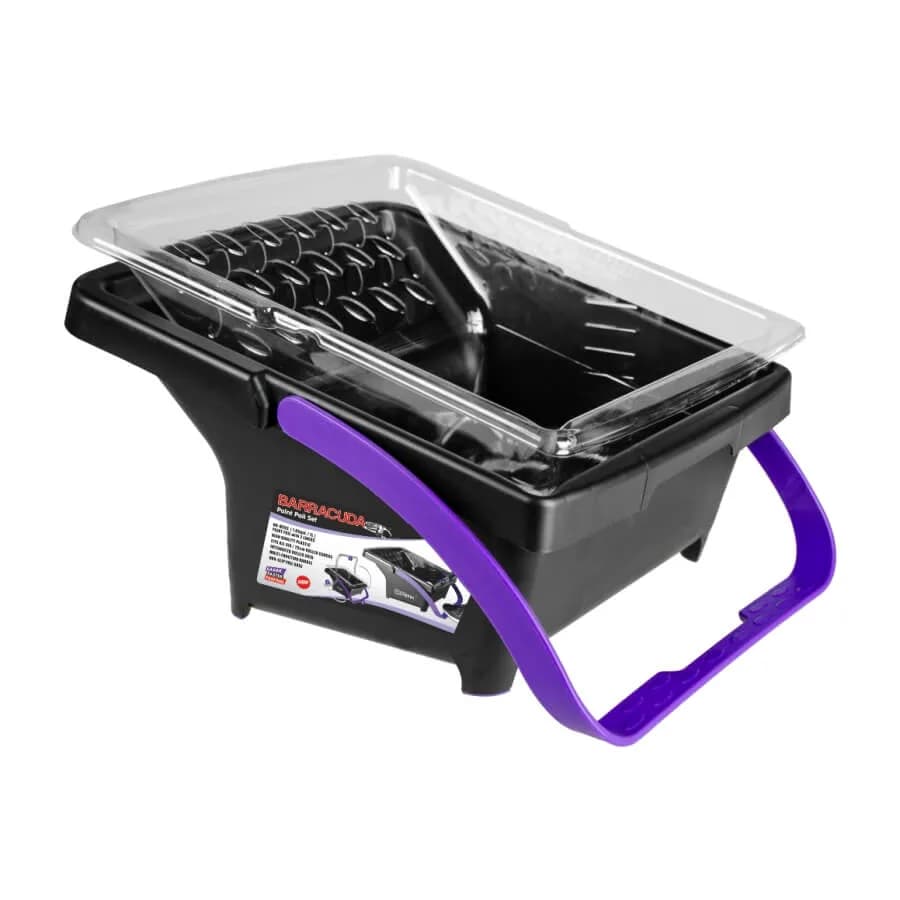
Grid inserts go in a large bucket - dip the roller, run it across the grid, excess drips back. More even than a tray on large areas.
What else matters:
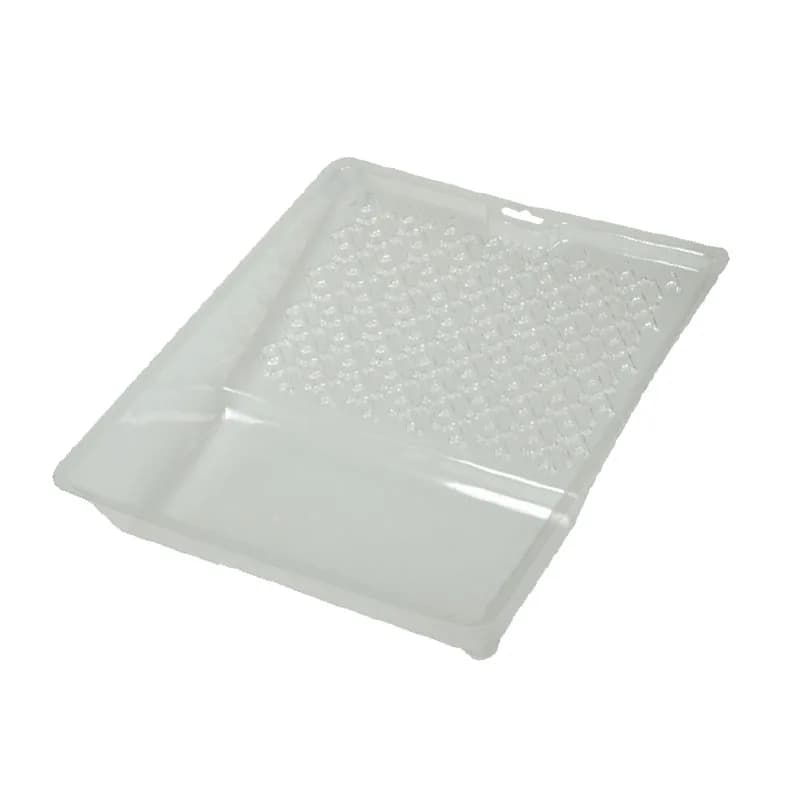
- Plastic or metal? Metal tray lasts longer and cleans easier when paint dries. Plastic is cheaper, fine for a single project.
- With handle or without? On scaffolding or a ladder - handle or hook. On the floor - without, more stable.
- Bucket capacity - 10 litres is enough for 1-2 rooms. 15-20 litres for continuous work.
Cleanup: rinse bucket and tray immediately after finishing. Water-based acrylic - water and detergent. Solvent-based - appropriate solvent. Let it dry and you're scraping.
Not recommended - paint residue changes filler consistency and colour. Separate containers for each material. If you must share - clean thoroughly and check no colour traces remain on the bucket walls.
About 1-2 cm depth - enough to load the roller without spilling when you move. Better to reload often than work with an overloaded roller dripping paint.
A 10-litre bucket is fine - reload a few times. A 20 m2 room takes roughly 2-4 litres of paint per coat. Larger bucket means fewer stops, but heavier to manoeuvre.
Grid is better: removes excess evenly, doesn't overload the roller, fewer splashes. For small jobs with a small roller - a plain tray is enough.
Dried acrylic softens in warm water in 30-60 minutes, then scrapes off. For thick layers - a little acetone or paint remover. Old plastic trays with dried acrylic - often cheaper to buy a new tray.