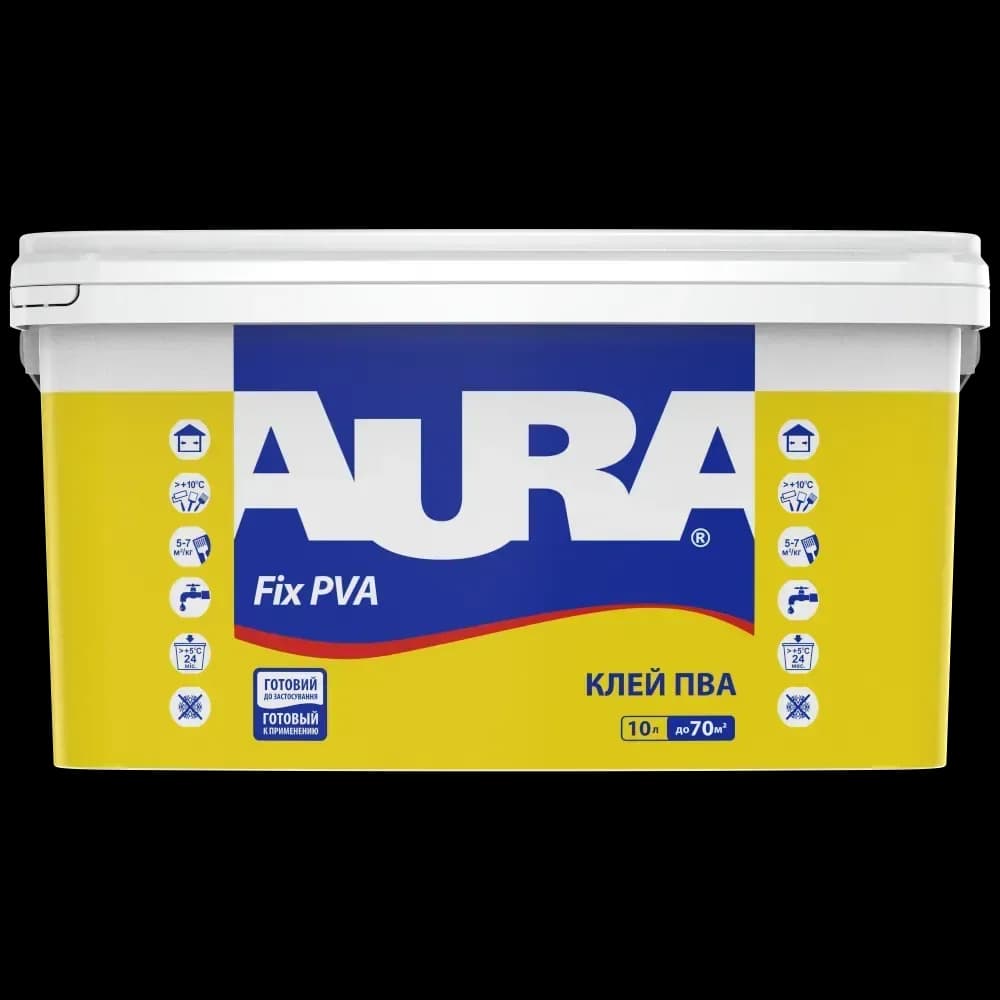
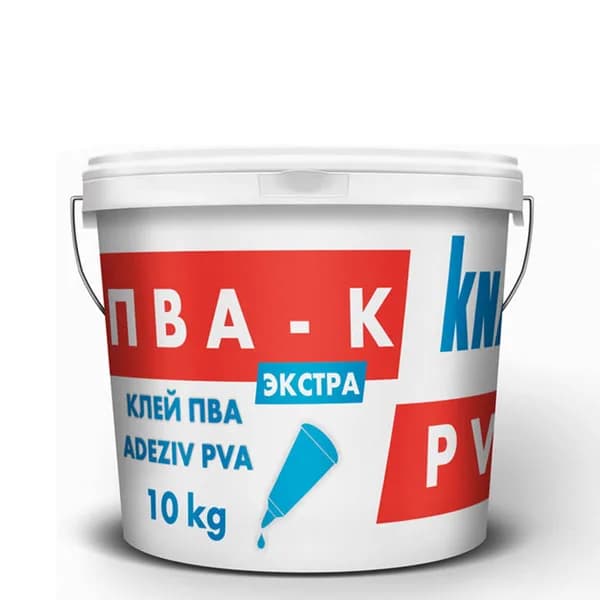
PVA Adhesive - Construction Grade for Wood and Mortars
PVA is old school. Still works when you use it right.
Polyvinyl acetate adhesive has two distinct jobs in construction: as a bonding adhesive for wood, paper and lightweight materials - and as a mortar additive mixed into cement screed or plaster to improve adhesion and reduce cracking.
In screeds: PVA reduces shrinkage cracking and improves bond to the substrate. Typical ratio is 5-8% of mixing water volume. More isn't better - too much PVA slows setting and can reduce final strength.
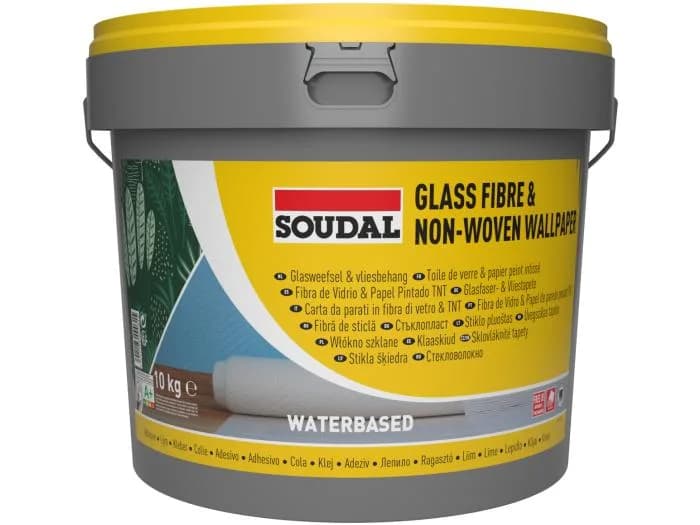
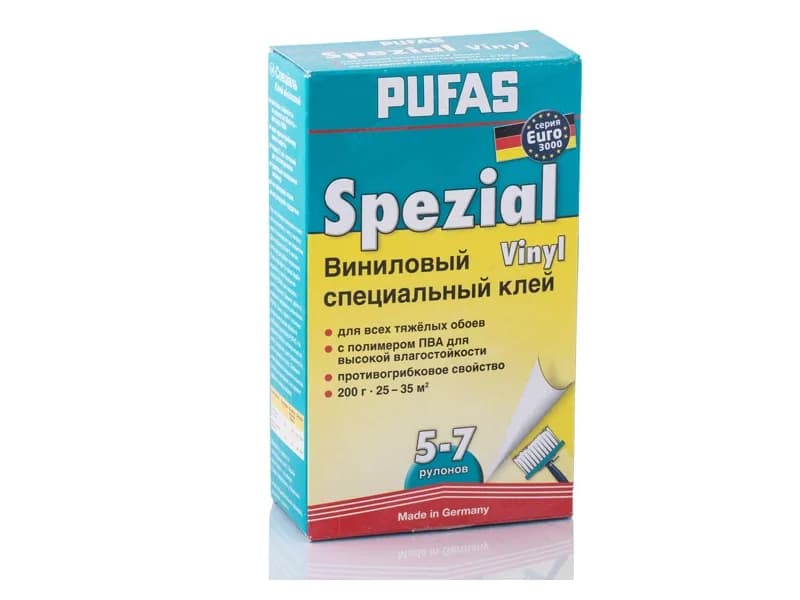
As adhesive: ideal for interior wood (D1-D2 duty), wallpapering, cardboard, polystyrene ceiling tiles. Not waterproof - don't use outside or in wet areas.
Available in concentrate (dilute 1:3 to 1:5) and ready-to-use grades.
Yes. PVA improves screed adhesion to the substrate and reduces crack risk. Around 5-8% of mixing water is the typical dose. Don't overdo it - too much PVA delays setting and weakens the finished screed.
No. Standard PVA is interior only, dry conditions (D1 class). For outdoor timber or variable humidity, you need D3 or D4 rated adhesive - polyurethane based.
Diluted 1:4 with water it closes surface pores and reduces absorption on bare substrates. It works as a temporary primer. For long-term paint or filler adhesion, an acrylic penetrating primer is the better choice.
For priming - 1 part PVA to 4-5 parts water. As a mortar additive - 1:3. As direct adhesive - undiluted or 1:1. The specific product label will give the recommended ratios.
Water-based PVA is non-toxic in normal use. No organic solvents. Working in unventilated spaces is safe with PVA. Good ventilation practice for any finishing work is still recommended.