Do you need primer before painting walls? Almost always yes

When did you last prime a wall before painting it? If your answer is "why bother, the paint sticks anyway," you have plenty of company. On jobs around Moldova I see it all the time: someone buys good paint, saves a bit by skipping the primer, and a year later watches the coat peel off in sheets.
Primer is the most underrated material in any renovation. It's invisible. Nobody sees it under the paint. And that's exactly why it's the first thing people cut. Bad call.
Let me walk through what primer actually does, when you can genuinely skip it (it happens, but rarely), and how to pick the right type in two minutes. No marketing fluff.
What wall primer actually does
Three things. Each one saves you money, even though it looks like an extra cost at first.
First, adhesion. Primer bonds the surface to the paint, like double-sided tape between them. Without it, paint grips only the top layer of dust and itself. That's why it lifts.
Second, it strengthens the surface. Old plaster, gypsum filler, crumbly concrete, all of it sheds and chalks. A deep penetrating primer soaks in, glues the loose particles together, and turns a dusty surface into a solid one. I call it binding the sand.
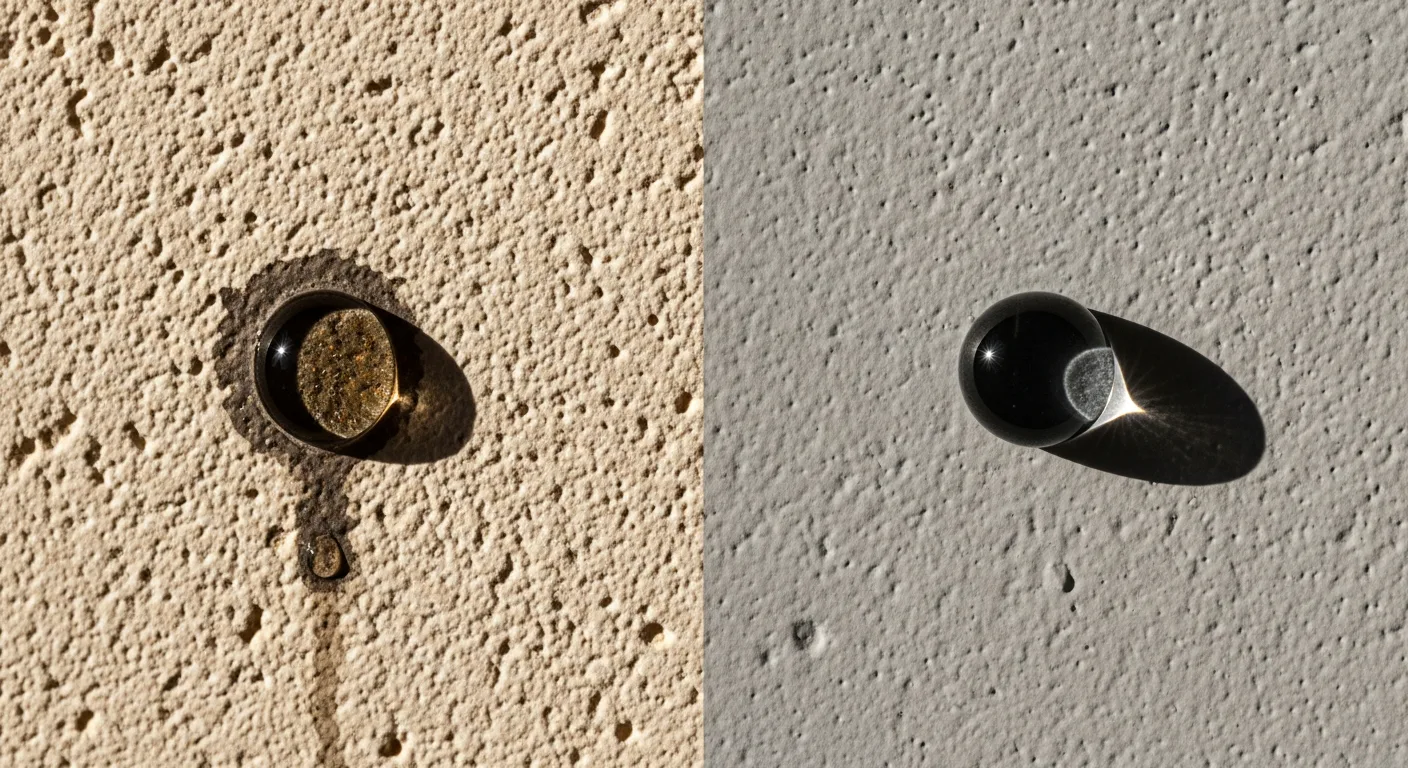
Third, paint consumption. Here's where it gets interesting. An unprimed wall drinks paint like a sponge. The first coat sinks into the surface, so you add a second, then a third. Primer seals the pores and the paint sits on top instead of falling in. Paint costs three to four times more than primer. Do the math.
Three primer types and when to use them
There are plenty of options in the primers category, but you really only need to tell three apart. Learn these and half your questions disappear.
Deep penetrating primer. Thin, soaks in deep, strengthens. This is your pick for old, dusty, shedding surfaces. Plaster, gypsum filler, concrete that chalks. If the surface is loose, grab this one.
Universal acrylic primer. The middle option. Good for normal, dense surfaces that don't crumble. Fresh filler in good shape, drywall. It lays down an even absorbent film under the paint. If the wall is solid and you just need to balance how it soaks up paint, this is enough.
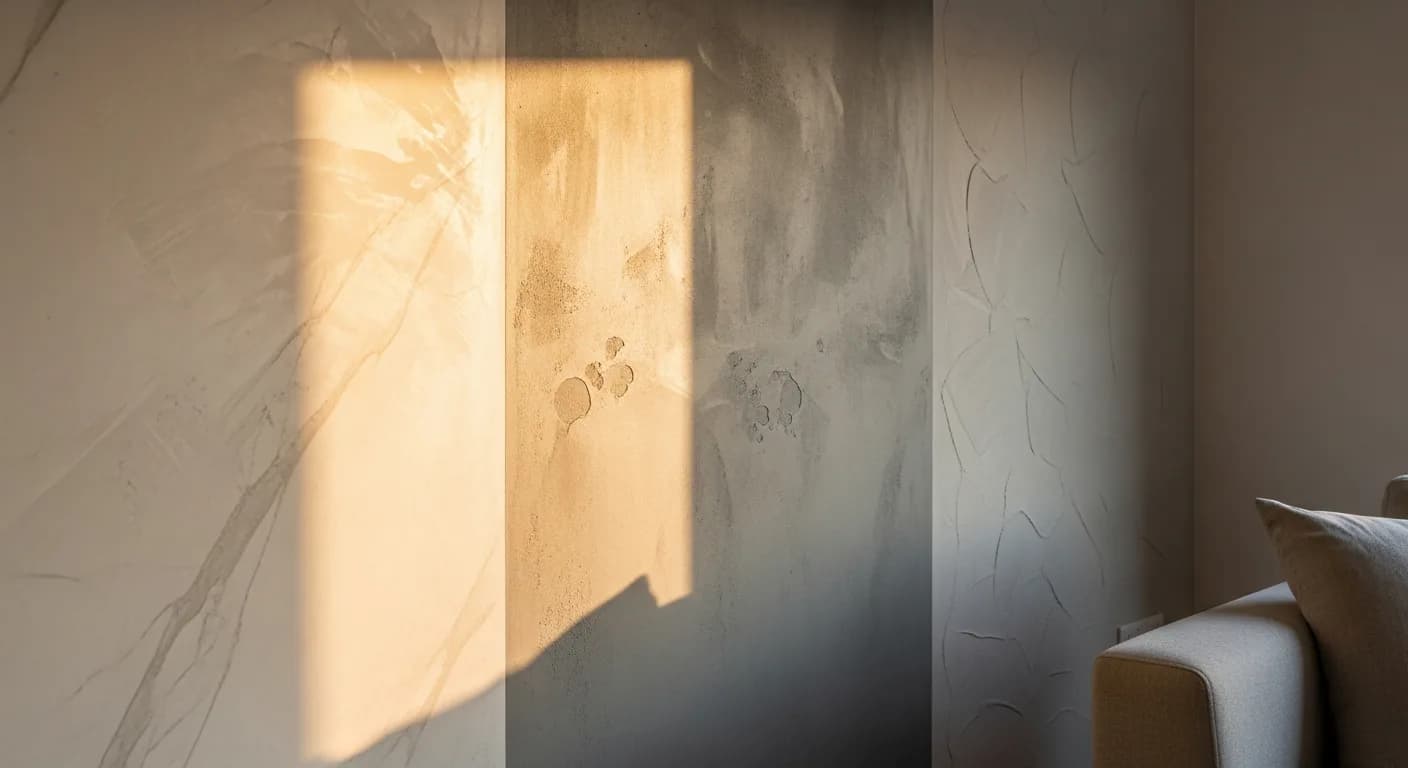
Quartz primer (bonding). It has quartz sand in it. Once dry, the surface turns rough, like fine sandpaper. Why? So heavy decorative plaster, tile adhesive, or textured finishes can grip a smooth base. You don't need it under regular paint. Quartz is the bridge between smooth and heavy.
| Primer type | What it's for | When to use |
|---|---|---|
| Deep penetrating | Strengthen loose surfaces, cut absorption | Old plaster, dusty concrete, gypsum |
| Universal acrylic | Even out absorption under paint | Normal dense surfaces, drywall |
| Quartz | Create grip on smooth surfaces | Under decor, tile, texture |
How to tell if the surface is loose
You don't need a pro for this. Two tests, both free, both done in a minute.
The hand test. Run a dry hand across the wall. Check your palm. White or grey dust? The surface chalks, so a deep penetrating primer is a must. Clean palm means a dense surface, and universal primer will do.
The tape test. Stick a piece of masking tape on, press it down, rip it off fast. Bits of plaster or filler on the tape? The surface is shedding and needs strengthening. Clean tape, you're fine.
Even simpler: if you can see small flaking patches or the wall chalks on your fingers, the question's settled. Prime it.
Drying time and how to apply it
Primer usually dries in a few hours, but don't rush. Let the surface dry fully before you paint, because paint grips worse on damp primer than on no primer at all. The exact time is on the bucket and depends on the type and how thirsty the wall is.
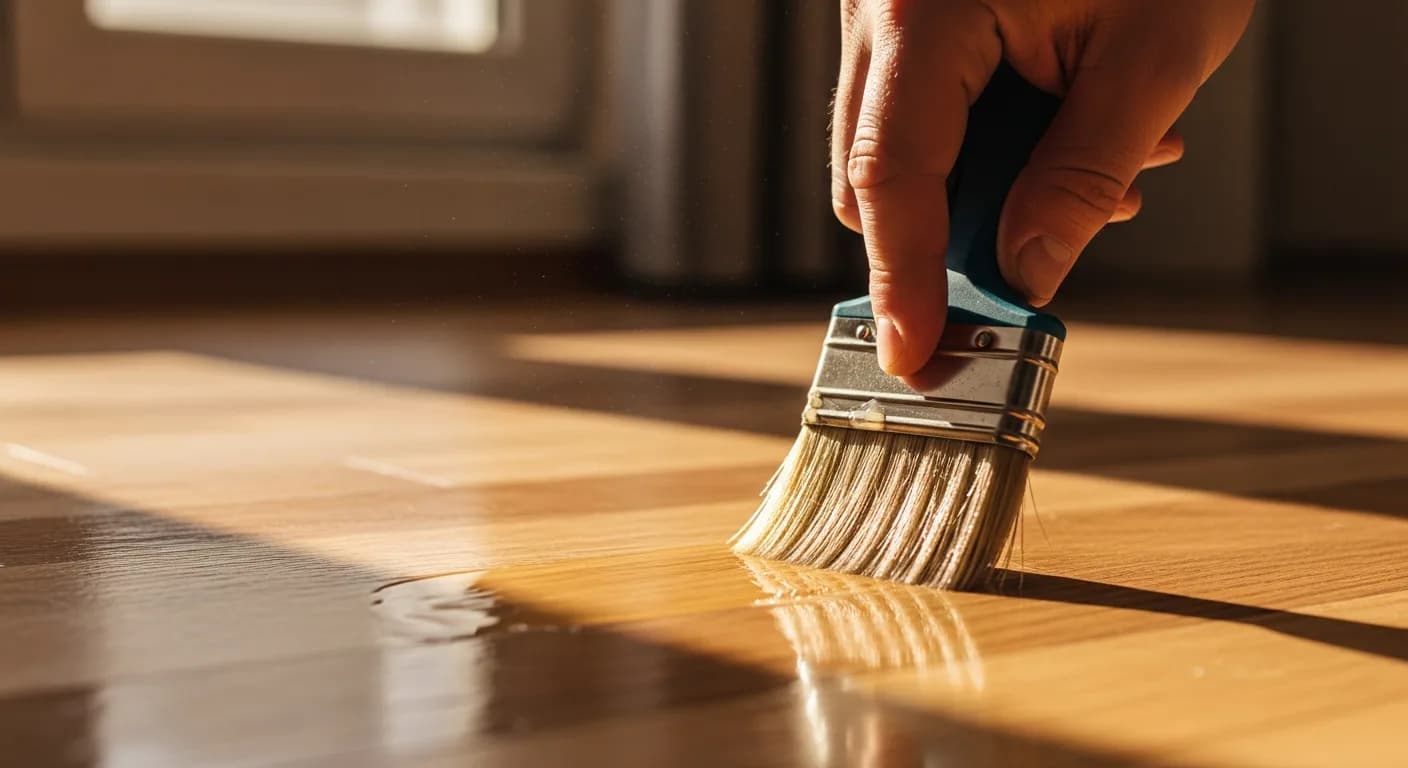
Apply it with a roller or a wide brush, evenly, no puddles. A puddle of primer turns into a glossy film, and that's exactly what paint refuses to stick to. Very absorbent, loose walls sometimes ask for a second coat: the first one sank in, the second sealed the surface.
Many primers sell as a concentrate. The dilution ratio with water is printed on the bucket. Thin it too much and the primer won't work; too little and you waste it. Read the label, this is one time the maker isn't lying to you.
Want to estimate how much primer and paint your walls need? Run the numbers on the coverage calculator, it handles primer, paint, and filler by area.
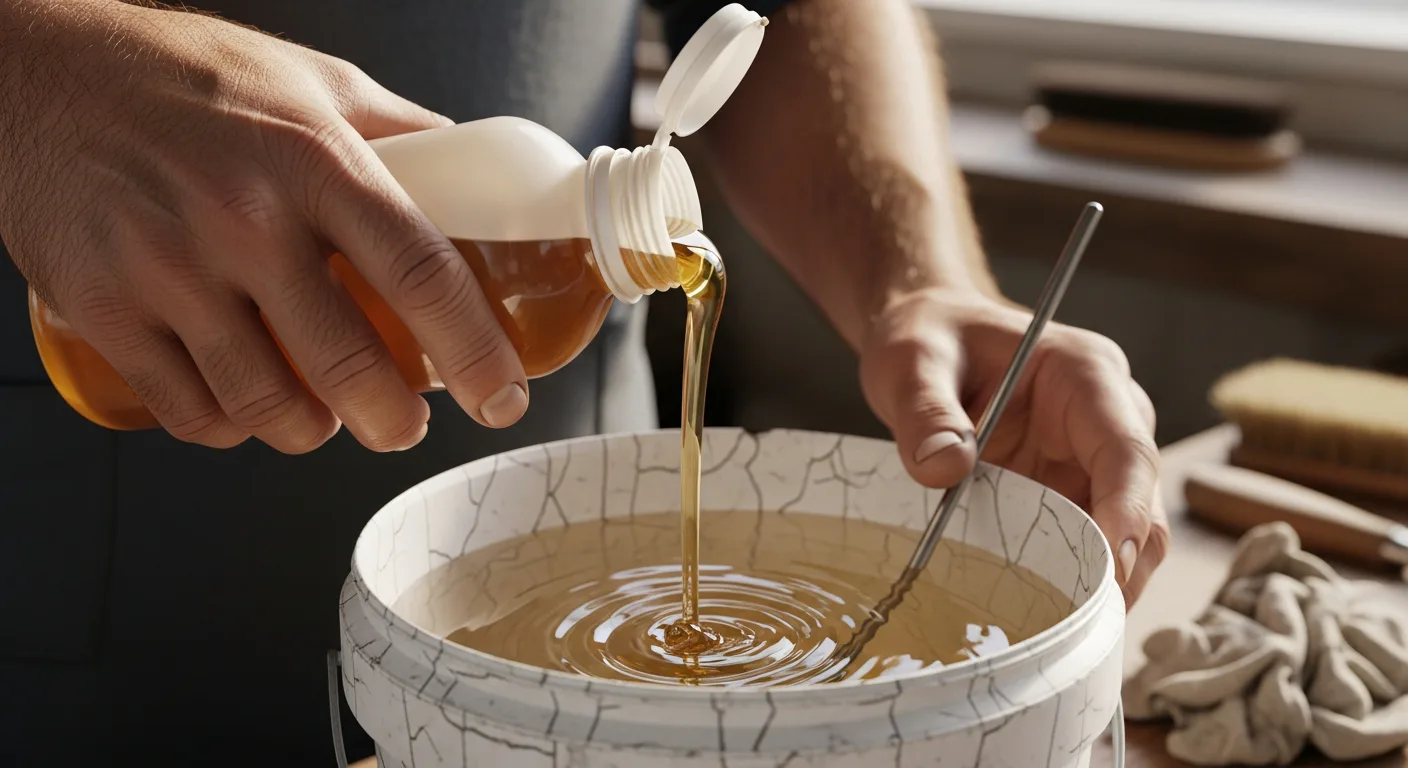
The number one mistake: thinning paint with water instead of priming
I hear this one constantly. "Why prime, I'll just thin the first coat of paint with water and use it as a primer."
It doesn't work. At all.
Thinned paint is still paint, only runnier. It won't strengthen a loose surface, won't bind the dust, and won't soak in the way a dedicated primer does. You're just pouring expensive material into a wall that drinks it. And the chalky surface underneath keeps shedding, right along with your paint.
Primer and paint are different products with different chemistry for different jobs. Swapping one for the other is like putting petrol in a diesel engine because both are liquids and both burn.
There are rare cases where you can skip primer: painting fresh quality paint over the same kind, surface dense, clean, not chalking. White over white in a normal flat. But that's the exception, not the rule. Nine times out of ten, primer pays for itself.
Pick your primer in 2 minutes
Short route. Go down the list.
- Run your hand over the wall. Dusty or shedding? Grab a deep penetrating primer. It's the base for old walls.
- Wall dense, no dust, prepping under regular paint? Universal acrylic is enough.
- Laying decorative plaster, texture, or tile over a smooth base? You need a quartz primer for grip.
- Damp room (bathroom, kitchen by the sink)? Look for primers marked for wet areas, under moisture-resistant finishes.
Done. Four questions and you know what to buy. Torn between types? Ask us in chat or drop by the showroom with a photo of your wall, and we'll sort it out on the spot.
FAQ
Can you paint without any primer?
Technically yes, in practice almost never worth it. Over fresh dense paint of the same type you can sometimes skip it. On any dusty, old, or absorbent surface primer is a must, or the paint will lift.
How is deep penetrating primer different from regular primer?
Deep penetrating primer is thin, soaks in, and strengthens loose surfaces. A regular universal primer stays closer to the surface and evens out absorption on normal dense walls. Loose surface, go deep; dense surface, go universal.
How long does primer dry before painting?
Usually a few hours, but the exact time on the bucket depends on the type and the wall's absorption. Let it dry fully. Don't paint over damp primer.
Do I need primer before painting walls with acrylic emulsion paint?
Yes, on absorbent surfaces it evens out the wall and cuts paint consumption. Without it, the first coats just disappear into the wall.
Once the prep is sorted, the next call is what to paint with, and I broke that down in how to choose interior paint. If you've still got filling ahead, check base coat vs finish putty. Questions about your specific wall? Message us in chat or visit the showroom and we'll figure it out together.