Choosing wood varnish: parquet, furniture, stairs
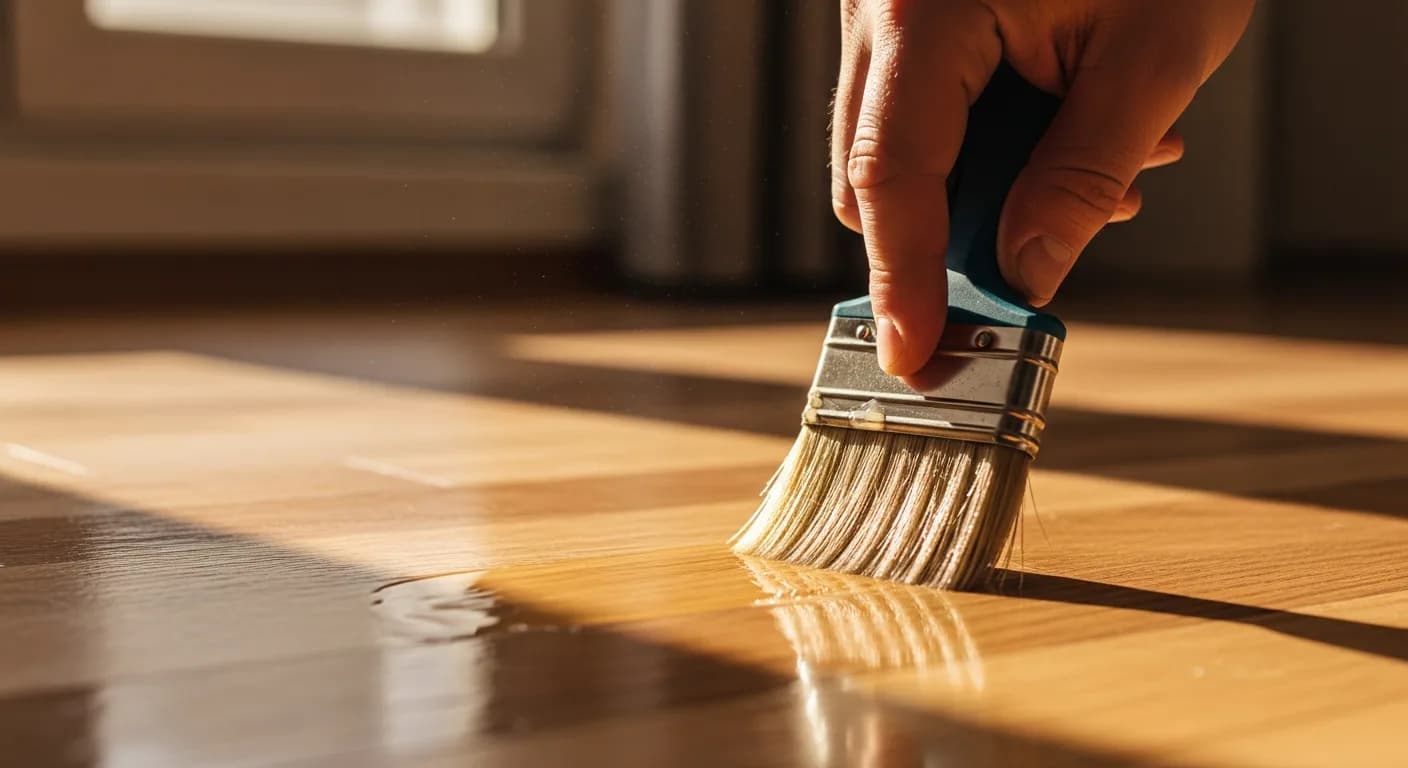
Ever bought one can of "wood varnish" and brushed it over everything, the floor, the windowsill, the dresser alike? A year later the hallway parquet has worn down to pale tracks while the dresser still looks new. Floor varnish and furniture varnish are not the same thing, even though both look clear in the can.
Fifteen years working wood on job sites around Chișinău, and I still watch people learn this the hard way. So let's sort it out: which varnish goes on what, so you're not redoing it next season.
Start with the load
The real question isn't "which varnish looks nicest." It's "what will this surface have to put up with."
Parquet and stairs mean heels, grit tracked in from outside, dog claws, the odd spilled glass of water. The wear is brutal. Furniture, a windowsill, a door take a softer beating. Nobody walks on them. That's where the choice starts.
Wood varnishes split into three working groups. Water-based acrylics. Alkyd, solvent based. And two-component, the kind you mix right before you apply it. Let's take them one at a time, each has its own zone.
Water-based: no smell, won't yellow
This is my default for anything indoors where the color of the wood matters.
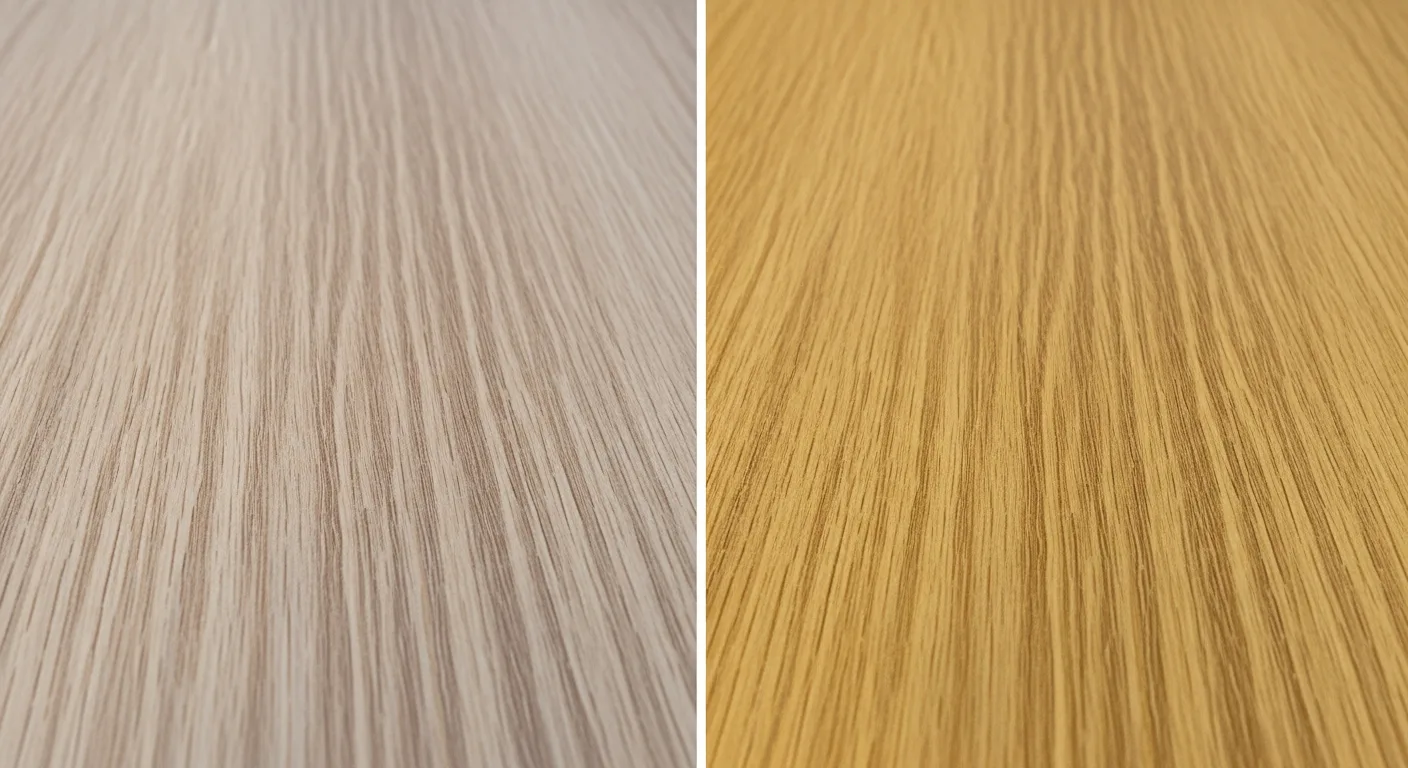
The big win with a water-based acrylic varnish is that it won't yellow. Light oak, ash, birch, whitewashed pine stay the shade you bought. Same in five years. Barely any smell, so you can coat bedroom furniture without moving the family out for the weekend.
It dries fast between coats, an hour or two, and you can realistically get several coats onto a surface in a day. The honest downside: on raw wear resistance, water-based sits below two-component. I won't risk a single-component water-based varnish on hallway parquet, but on furniture, doors, a staircase in the sleeping area, no problem.
There are tougher water-based parquet varnishes, but that's a separate story, more on it below.
Alkyd: tougher, but it yellows light wood
Alkyd varnish is harder than water-based and lays down a denser, glassier film. On toughness it sits in the middle, between water-based and two-component.
But it has a quirk salespeople often stay quiet about. Alkyd varnish yellows. On dark walnut or fumed oak you'll barely notice, in fact it works the other way, the wood turns warmer, more honeyed. On whitewashed pine or pale ash, though, a yellowish cast creeps in after a year or two, and you can't undo that without redoing the job.
The rule is simple. Dark wood and you want warmth in the tone, alkyd fits. Light wood and tone purity matters, go water-based. Alkyd's smell is sharp, so ventilate the room while it dries.
Two-component: for parquet and anything that suffers
When a surface is going to genuinely suffer, parquet in a high-traffic room, stair treads, a worktop, there's one answer. Two-component varnish.
These are polyurethane systems where the varnish mixes with a hardener right before you work. Once cured, the film reaches a hardness a single-component varnish never will. Heels, grit, furniture getting shoved around, it holds up.
The price is more fuss. Once mixed, use it within a few hours or it sets in the can. The smell is strong, you want good ventilation and protective gear. First-timers find it a bit daunting, but on parquet that fuss pays off in years without resanding.
Bottom line, for parquet and stairs I almost always steer people toward two-component or a high-grade parquet varnish. A single-component coat on a floor is money down the drain, I've seen it more than once.
Matte, satin or gloss
Sheen isn't only about looks. It changes how much the surface forgives your mistakes.
Matte varnish hides small flaws and scratches, looks calm and natural, like living wood. Fingerprints barely show and dust is less obvious on it. Satin (semi-matte) is the middle ground, a soft gentle sheen, washes a touch better than matte. Gloss gives you a mirror and pulls out the grain to the max, but it's merciless: it shows every speck of dust trapped under it and every scratch on top.
My site advice. On floors and stairs, go matte or satin, every flaw shows under raking light there, and gloss would only flag the worn patches. On furniture and doors you can run gloss, if the surface is flat and you're willing to look after it.
| Varnish type | Where | Wear resistance | Yellows light wood |
|---|---|---|---|
| Water-based (acrylic) | furniture, doors, light wood | medium | no |
| Alkyd | dark wood, where you want warmth | above medium | yes |
| Two-component | parquet, stairs, worktops | maximum | depends on formula |
If you want to see what's around for your job, browse the varnishes or the woodworking section, that's where the impregnants and oils live too.
How many coats, and why sand between them
A single coat of varnish almost never does the job. Two minimum, three on parquet and stairs, sometimes four.
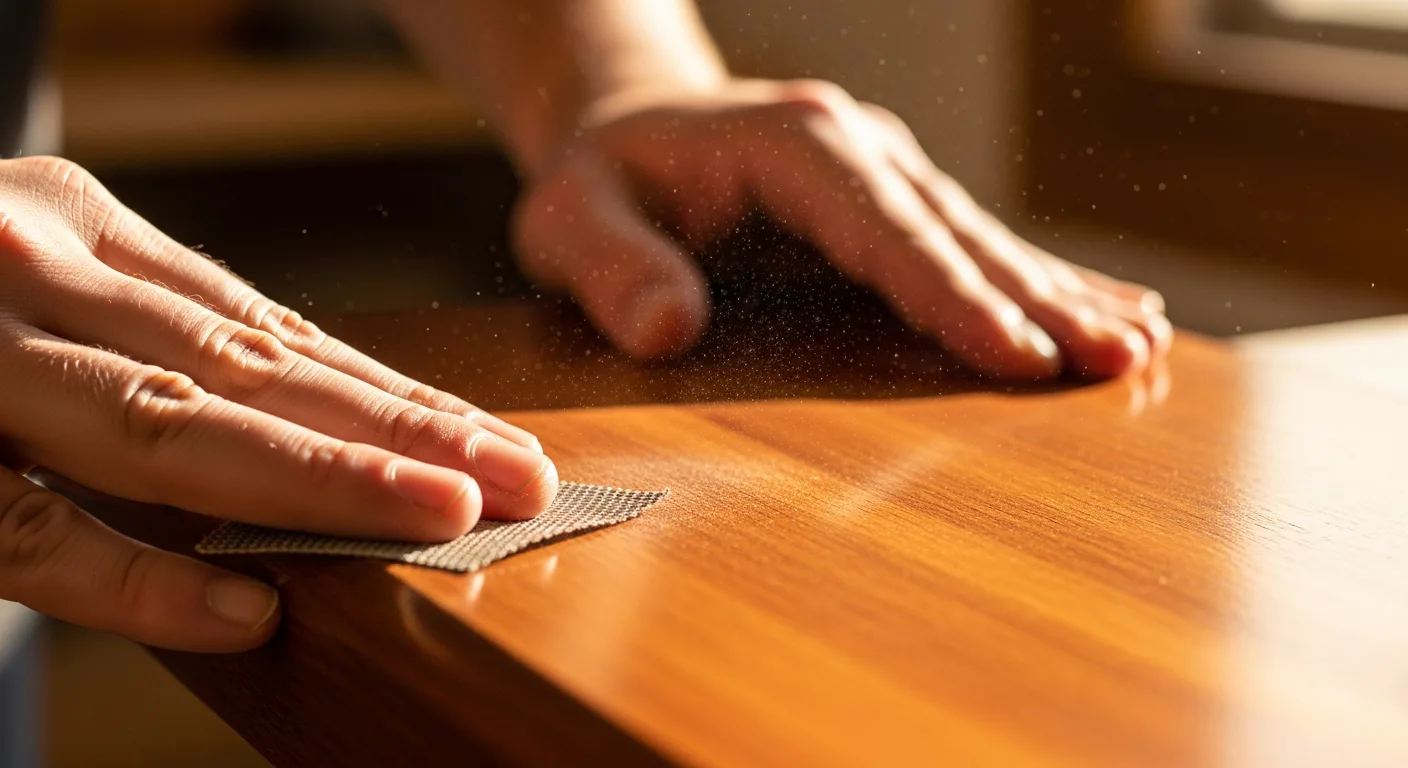
The first coat soaks into the wood and raises the grain, tiny fibers stand on end and the surface turns rough to the touch. That's normal. So between coats you sand lightly, fine paper or mesh, to knock down that fuzz and give the next coat something to grip.
The order goes like this. Apply a coat, let it dry per the instructions, run over it with a fine abrasive without going crazy (not down to bare wood, just a touch), wipe off the dust, lay the next coat. Skip the sanding and the coats bond worse, then the film starts peeling off in flakes.
And yes, go thin. A thick coat dries unevenly, bubbles and runs. Three thin passes beat two heavy ones. Brush along the grain, and if you use a varnish roller, no puddles either. The technique for laying an even coat without streaks is something I covered in the post on painting walls with a roller without streaks, and the logic carries over to varnish.
Varnish or oil: an honest comparison
There's no clear winner here, and anyone who tells you "oil is always better" or "varnish is always better" is selling you something.
Varnish builds a film on top of the wood. Protection from water and dirt is excellent, it cleans easily, but punch through that film with a deep scratch and you repair it in patches, and it shows. Oil sinks in, builds no film, the wood stays alive to the touch and breathes. A worn spot on an oiled surface is simpler to touch up: scuff it, re-oil, and the join disappears.
When oil really is better. On a worktop, a cutting board, kids' furniture, anywhere you want that tactile feel and an easy fix. On a soft-wood floor it does well too. The catch with oil, you refresh it more often, every year or two in busy spots.
When varnish wins. Parquet in a walk-through area, stairs, anything that has to take a beating for years untouched. Coat it once properly with two-component and forget about it for a long while.
Refreshing old varnish without full sanding: when it works
Good news: you don't always have to strip everything back to bare wood. Sometimes a refresh is enough.
When the easy route works. The old varnish holds firm, no peeling, scratches are surface only, no bald patches down to the wood. Then the plan is this: wash and degrease thoroughly, scuff the whole area with fine paper until it goes matte (this is called keying for adhesion), clear the dust and lay a fresh coat of the same varnish type on top.
When full sanding is unavoidable. The varnish has peeled in places, there are bald spots down to bare wood, or you're switching varnish type (it was alkyd, you want water-based). Here it's down to zero, otherwise the new coat goes on blotchy and flakes.
The key compatibility rule: water-based won't stick to old alkyd without a proper keying. If you're not sure which varnish was used, test a hidden corner, lay a little and let it dry a day. No lifting, holds firm, you're clear to do the whole area. Brushes, abrasive paper and the rest of the kit are over in the tools section.
For outdoor wood the logic is different, varnishes don't work there, impregnants and preservatives do, refreshed every 3 to 5 years. That's a separate talk in the post on protecting wood outdoors.
FAQ
Which varnish should I pick for parquet?
Two-component polyurethane or a dedicated high wear-resistance parquet varnish. Don't put a single-component water-based or alkyd coat on a walk-through floor, it'll wear through in a season.
Does varnish yellow light wood?
Alkyd does, it develops a yellowish cast over time. Water-based acrylic doesn't yellow, light wood keeps its original tone. For whitewashed pine and pale oak, go water-based.
How many coats of varnish should I apply?
Two on furniture and doors. Three on parquet and stairs, sometimes four. A light sand between coats is a must, to knock down the raised grain and improve adhesion.
Can I refresh varnish without full sanding?
Yes, if the old varnish holds firm with no peeling or bald patches down to the wood. Wash, scuff to matte, degrease and lay a fresh coat of the same type. With peeling or a change of varnish type, full sanding only.
Drop by any of our Chișinău showrooms or message us in chat, we'll match a varnish to your parquet, furniture or stairs, or estimate how much varnish you need right now.